

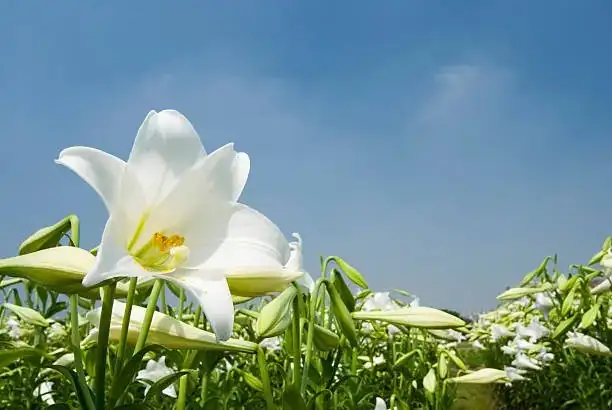
Walk with me into summer light, where tall green stems lift lanterns, trumpets, bowls, and tiny reflexed “caps” to bees and breezes. From fog-laced Japanese mountains to Balkan cloisters, from North American meadows to Chinese river valleys, wild lilies (Lilium spp.) have been shaping landscapes—and human imagination—for millennia. This is a traveler’s tale of true lilies: how they grew wild across the Northern Hemisphere, sailed along trade routes to become Madonna lilies of faith and folklore, and finally arrived in our gardens as the gleaming Asiatic, Oriental, Trumpet, and OT hybrids we plant today.
Across the North: Where Lilies Were Born
True lilies are native to temperate regions of the Northern Hemisphere, with a major center of diversity in East Asia (including China and Japan), and more species across Europe and North America. Imagine the map as a constellation of habitats:
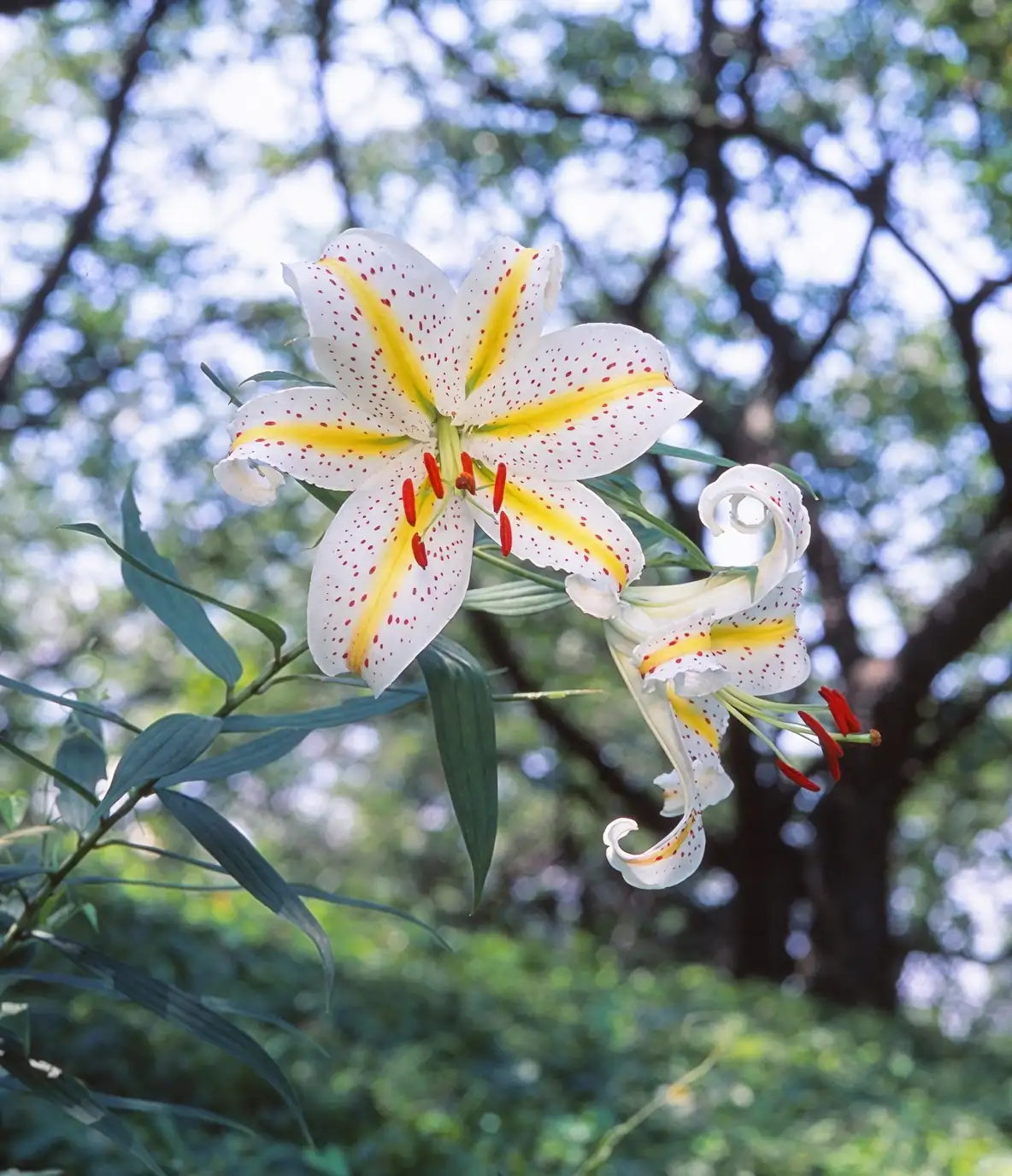
- East Asia’s mountains and forest edges: home to species that shaped modern hybrids, such as the gold-banded lilies of Japan and the orange, speckled wild lilies of China.
- Europe’s woodlands and meadows: from martagon-dotted glades to chalky slopes favored by ancient white lilies.
- North America’s damp meadows and light woodlands: where elegant native lilies rise above grasses and sedges, lanterns for butterflies.
Each wild lily carries the same elegant signature: upright stems lined with narrow, lance-like leaves; large, six-segmented blooms (tepals) in trumpets, bowls, cups, or reflexed “Turk’s cap” forms; and a palette from white and lemon to tangerine, sunset pink, deep crimson, and plum—sometimes freckled, sometimes brushed with contrasting edges.
The Madonna Lily: A White Thread Through History
Long before garden catalogs, there was a single, luminous flower: the Madonna lily (Lilium candidum). Native to the eastern Mediterranean, it spread with human hands and hearts—planted in courtyards, monastery cloisters, and village gardens through the Balkans, Greece, western Turkey, the Levant, and beyond. Its fragrant white trumpets became an emblem of purity and renewal in Classical lore and later in Christian iconography. Even its Latin name, candidum—dazzling white—speaks of moral clarity and archetypal beauty.

Travelers along ancient routes carried bulbs wrapped in straw; the lily’s many local names—zambak, krinon, ljiljan—echo like waypoints across trade hubs and empires. If you’ve admired a white lily in a painting of the Annunciation or on a church altar, you’ve likely met this species’ long cultural shadow.
Bulbs, Perfume, and the Lily’s Secret Engineering
A lily bulb is a living compass. It knows when to sleep, when to wake, and where to make two different root systems:
- Basal roots below the bulb for anchoring and feeding.
- Stem roots along the buried stem to power leafy growth and bloom.
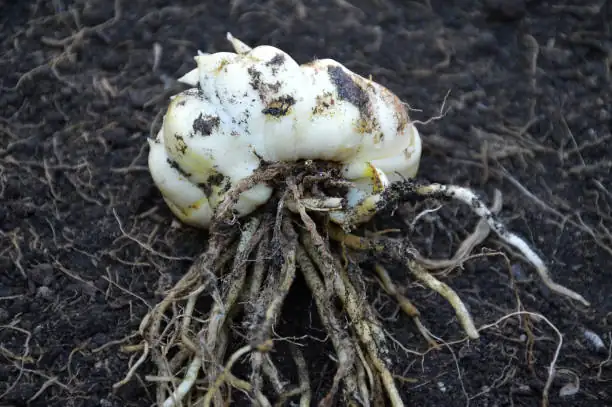
That’s why depth and drainage matter. Plant deeply enough to encourage stem roots, and keep the root zone cool and airy while the leaves and flowers enjoy the sun. Many garden lilies are richly fragrant, their perfume a beacon to pollinators—and to us. But that same allure hides a practical note:
- Pollen stains. Florists often snip off anthers in bouquets.
- Ethylene sensitive. Keep cut lilies away from ripening fruit to prolong vase life.
Size varies with species and hybrid: most garden forms rise 60–150 cm tall, with flowers often 15–25 cm across, opening from late spring into summer.
Caravans, Cloisters, and Cargo Holds: How Lilies Moved the World
Lilies traveled with merchants, monks, and plant collectors:
- The Mediterranean spread the Madonna lily through faith and folklore.
- Eastern trade routes carried Asian lilies westward; centuries later, plant hunters and breeders moved them again, now with purpose.
- The Netherlands and Japan became powerhouses of breeding and cut-flower production, refining everything from fragrance to stem strength and storage.
What began as regional wildflowers became global icons. Out of that exchange came the hybrid groups gardeners know and love today.
Meet the Modern Stars: Asiatic, Oriental, Trumpet, and OT Hybrids
Today’s garden lilies cluster into divisions based on ancestry and floral form. Four groups dominate beds, borders, and bouquets.
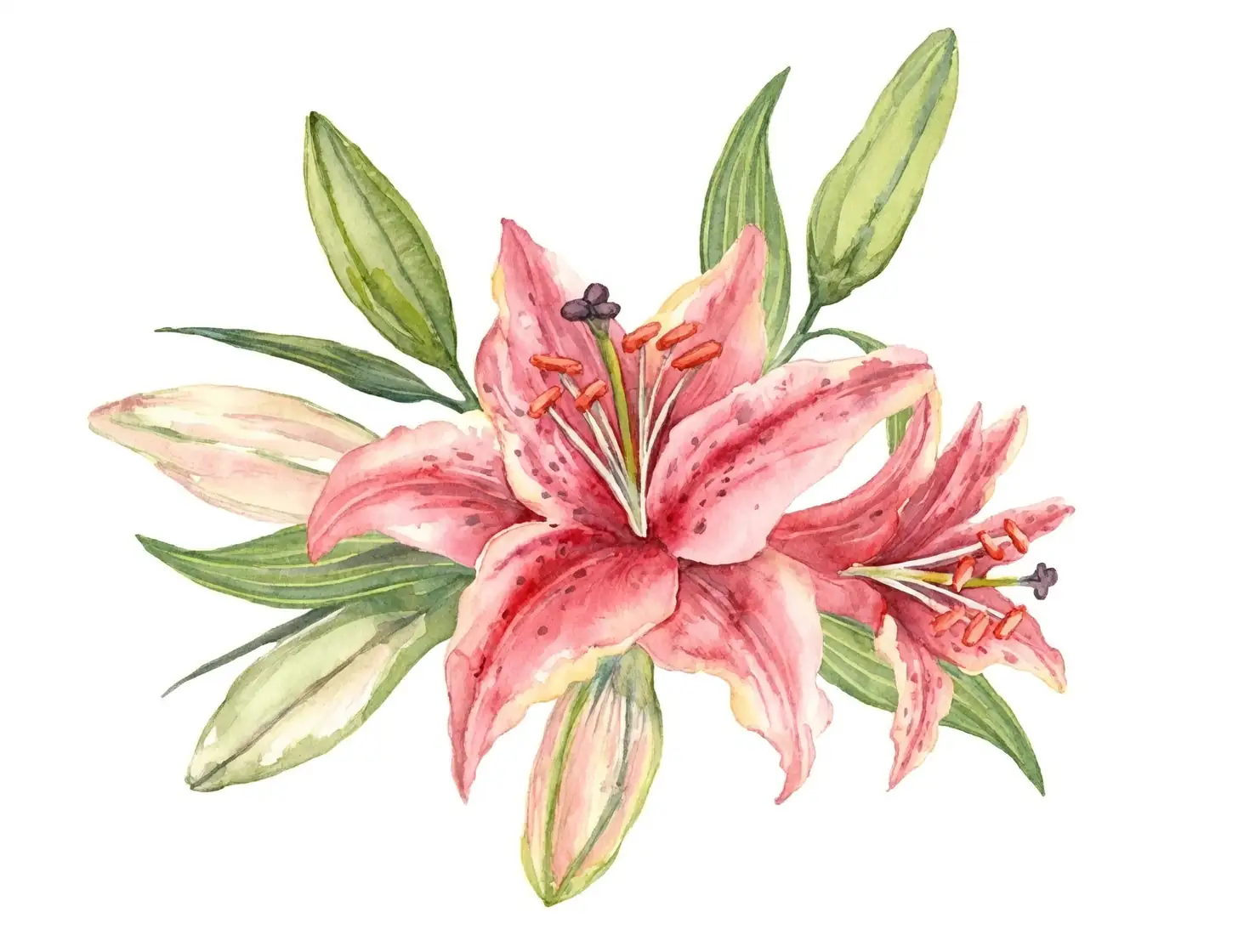
Asiatic Hybrids (Division I)
- Personality: The most adaptable and easiest to grow; generally unscented.
- Bloom time: Early season—often the first lilies to flower.
- Look: Upright, out-, or down-facing blooms in an astonishing color range, frequently freckled.
- Garden use: Reliable border workhorses and excellent cut flowers.
Oriental Hybrids (Division VII)
- Personality: Seductive, large-flowered, and strongly fragrant.
- Bloom time: Mid to late summer, often extending the season after Asiatics.
- Look: Huge, plush blooms, commonly in whites, pinks, and reds; many cultivars sport spots or bold edges.
- Garden use: Showstoppers for evening fragrance; ideal near patios and seating areas.
Trumpet Lilies (Division VI), including Aurelian Hybrids
- Personality: Regal, architectural, and powerfully scented.
- Bloom time: Midseason into late summer.
- Look: Long, flared trumpets or wide funnels, often with glowing throats and backs; Aurelian hybrids include L. henryi ancestry for added vigor.
- Garden use: Vertical drama in borders; excellent for grand, high-impact plantings.
OT Hybrids (Division VIII, Oriental × Trumpet)
- Personality: The modern giants—fragrance, flower size, and vigor rolled into one.
- Bloom time: Mid to late season.
- Look: Enormous, flamboyant flowers with complex coloration and heady scent; tall, often towering in good soils.
- Garden use: “Plant it and step back.” Great for back borders and as living sculptures. (Despite the “tree lily” nickname sometimes used in marketing, they’re still herbaceous lilies, not trees.)
Tip for a summer-long show: layer these groups. Plant Asiatics for early color, Trumpets for midseason drama, and Orientals/OTs to perfume late summer evenings.
Growing Lilies Like a Pro (Without Making It Complicated)
Lilies reward a few smart moves with spectacular results.
Site and Soil
- Sunlight: Full sun to partial shade; aim for 4–6 hours of sun. In hot climates, offer afternoon shade.
- The classic trick: Sun on the stems, cool shade on the roots—mulch or low companion plants help.
- Soil: Fertile, loose, and sharply drained; slightly acidic to near-neutral (about pH 5.5–6.5).
- Containers: Use a deep pot with a fast-draining mix (e.g., compost/leaf mold + peat or coco coir + coarse sand/perlite).
Planting Depth
- In the ground: Commonly 2–3 times the bulb’s height (often around 20 cm for many types).
- In pots: Still use deep containers; some methods set bulbs a bit shallower with only 2–3 cm of cover—great drainage is essential either way.
Water and Feeding
- Water: Keep evenly moist in active growth—deeply about once a week, adjusting for weather and pot size. Always water at the base; avoid wetting flowers and foliage.
- Feed: Start with fertile soil. Then feed at early growth and again at bud set (balanced fertilizer early, then one leaning a bit more to phosphorus/potassium as buds form).
After Bloom and Dormancy
- Deadhead promptly (unless saving seed).
- Leave leaves and stems to yellow naturally—this recharges the bulb.
- Reduce water as plants die back; keep dormant bulbs on the dry side, especially in containers.
Climate and Hardiness
- Many common garden lilies thrive roughly in USDA Zones 4–8, with species and hybrids varying wider.
- In-ground bulbs usually handle cold if soil is well-drained. Protect pots from freezing solid.
Pests, Diseases, and Troubleshooting
- Watch for aphids (they can spread viruses), lily leaf beetles where present, and nematodes.
- Prevent Botrytis and leaf spots with spacing, airflow, base-watering, and clean-up of debris.
- If bulbs rot, it’s almost always poor drainage or overwatering—refresh the mix, improve drainage, and consider a labeled fungicide if issues persist.
Safety and Cut-Flower Care
- Cat owners: Extreme caution—true lilies (Lilium spp.) are highly toxic to cats. Keep plants, pollen, and even vase water completely out of reach.
- Dogs are less sensitive but may get stomach upset if they chew foliage or bulbs.
- Cut flowers: Harvest when the first bud is fully colored but still closed. Remove anthers to prevent stains and keep stems away from ripening fruit (ethylene shortens vase life).
Flower Language: Purity, Promise, and a Few Caveats
The “language of flowers” has many roots: ancient myths, religious symbolism, and Victorian-era floriography. Lilies have long signified purity, rebirth, devotion, and fresh beginnings. In floristry today, colors carry quick-read meanings:
- White: purity and renewal
- Pink: admiration and abundance
- Red: passion
- Orange: confidence
- Yellow: gratitude and joy
In Chinese culture, layered lily bulbs symbolize wishes for marital harmony—“百年好合,” a hundred years of unity—a reason lilies grace weddings and celebratory bouquets. But remember: meanings shift across time and place. The Madonna lily’s association with the Virgin Mary is not automatically shared by every lily species, and modern marketing often compresses complex symbolism into simple color codes. Take “flower language” as a poetic guide rather than fixed law.
Postcards from Three Lily Homelands
- Japan: Imagine L. auratum, the gold-banded lily, opening like a constellation of stars along mountain paths. Its drama and perfume helped inspire today’s Oriental hybrids.
- China: Orange, freckled lilies like L. henryi hang their Turk’s-cap blooms from summer skies—ancestry that lends vigor to Aurelian (Trumpet-type) hybrids.
- Europe: In dappled woodland, martagon lilies nod in tiers—elegant chandeliers of recurved petals that tolerate light shade and cool roots.
Planning Your Own Lily Tour at Home
- For nonstop summer bloom: Asiatics (early), Trumpets (mid), Orientals/OTs (late).
- For fragrance near a patio: Orientals or OTs, with low companions to shade the soil.
- For tighter spaces and pots: Compact Asiatics or carefully chosen Orientals in deep, well-drained containers.
- For partial shade: Martagon types in woodland edges; otherwise, give most lilies at least a half-day of sun.
- For bouquets: Grow a mix—Asiatics for color blocks, Orientals/OTs for scent, Trumpets for architectural lines.
Epilogue: From Wild Hillsides to Your Border
What began as scattered wild lilies across the Northern Hemisphere—glinting like dropped jewels on mountain ledges and meadow edges—has become one of the world’s great garden stories. The Madonna lily taught Europe to see purity in a flower; caravans and ships carried bulbs across continents; breeders married fragrance to vigor; and today’s hybrids let you script your own summer opera in color and scent.
Give them sun on their shoulders, cool feet, and sharp drainage. In return, they’ll give you trumpets at dusk, bowls that catch rain like chalices, and petals brushed and freckled as if by an artist’s hand. The journey is long, but the destination is the same: a lily opening, and you stopping to breathe it in.


