

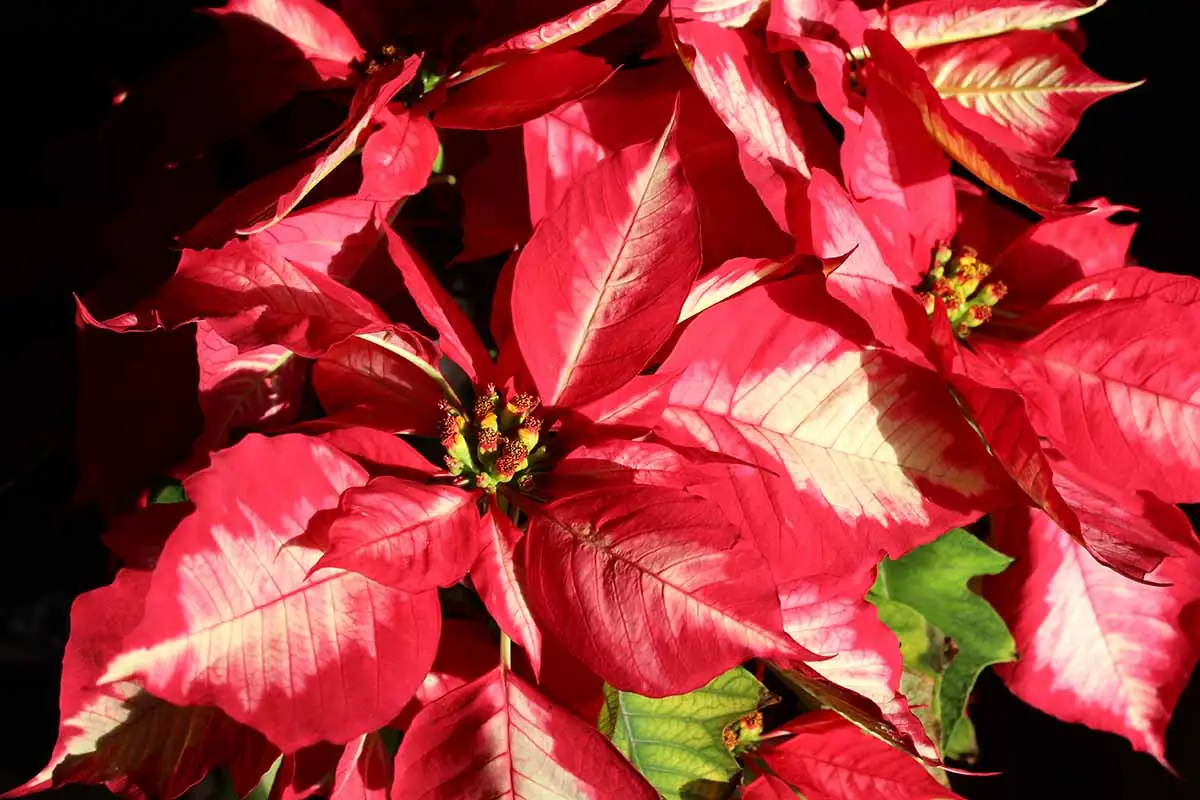
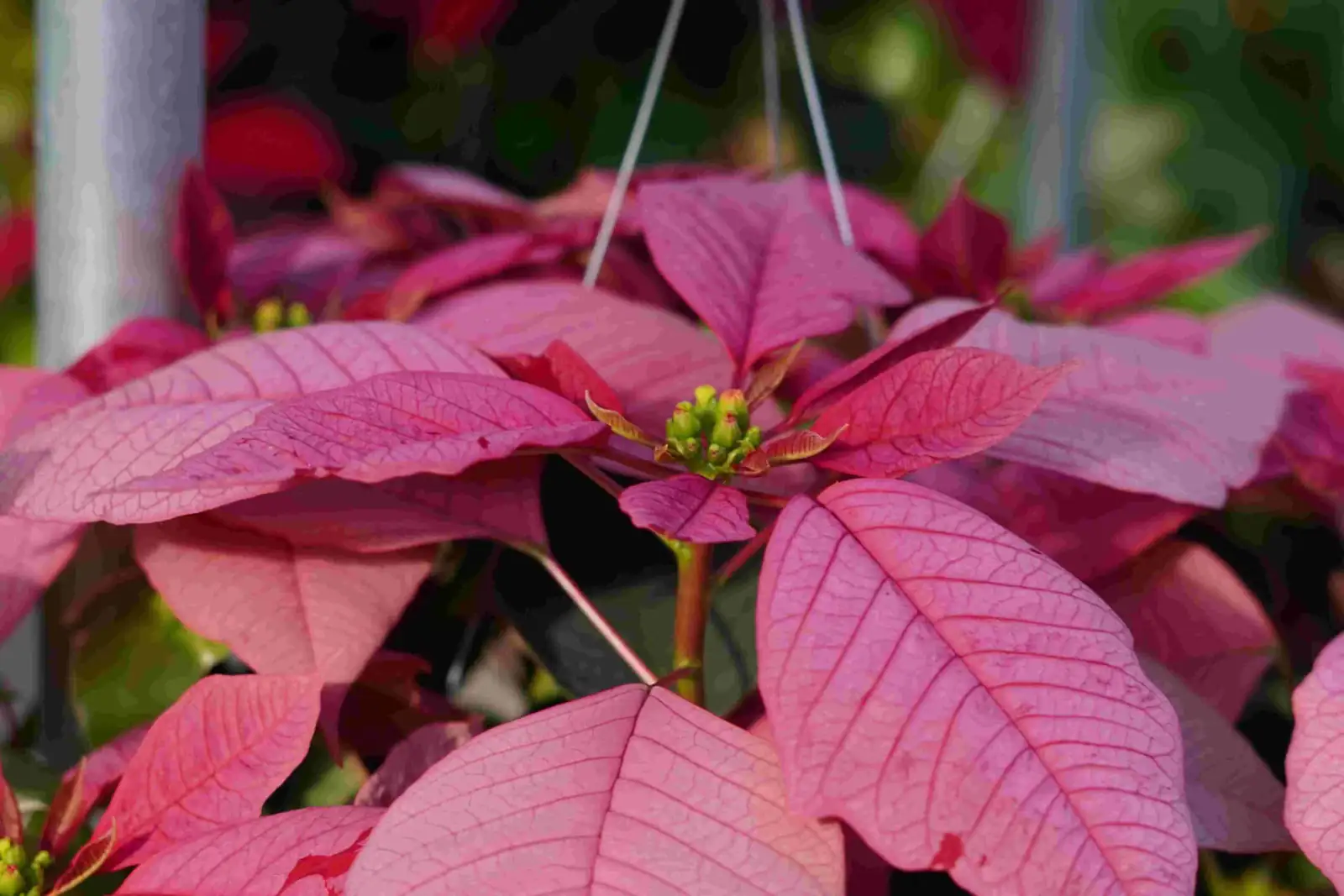
Step into winter and there it is—the bold burst of color we call poinsettia. Those “petals” that star in holiday photos? They’re actually bracts—modified leaves—framing tiny yellow-green true flowers. Native to Mexico and tropical America, Euphorbia pulcherrima Willd. has earned a galaxy of nicknames (Christmas Flower, Mexican Flame Leaf, Christmas Star), but it’s also picked up some chilly myths. Let’s melt the biggest ones with evidence: how toxic it really is (and isn’t), how to keep pets safe, why watering with ice cubes backfires, and the real reasons leaves drop.
Meet Euphorbia pulcherrima (Poinsettia)
- What you see: Showy bracts in red, pink, white, or marbled patterns, surrounding small, cup-like flowers (cyathia) at the center.
- How it grows: A warm-loving, upright, branching shrub with milky latex sap; indoors it’s usually 30–90 cm tall, but outdoors in frost-free climates it can reach 2–4.5 m.
- Best performance: Bright light, steady warmth, and evenly moist—not soggy—soil. To color up again next year, it needs long, uninterrupted nights in autumn.
Toxicity, debunked: safer than the rumors
Holiday lore once painted poinsettias as deadly. Modern toxicology says otherwise.
What’s in the sap?
Poinsettia is a spurge (Euphorbiaceae) that exudes a milky latex. This latex can irritate skin and eyes and, if chewed, can upset the stomach.
How risky is it for pets?
- Risk level: Mild. Reputable veterinary poison resources characterize poinsettia as over-rated in toxicity, typically causing only mild, self-limiting signs if chewed.
- Possible signs: Drooling, lip-licking, vomiting, or (rarely) diarrhea; skin redness/itchiness where sap contacts fur/skin; mild eye irritation if sap gets in the eyes.
- What to do: Gently wipe sap from fur/skin with lukewarm water and mild soap. Offer water; monitor. Call your veterinarian or a pet poison service if vomiting is repeated, signs persist, or a large amount was ingested.
People and latex sensitivity
- Skin and eyes: The sap can irritate; wash skin with soap and water. If it gets in eyes, flush with clean, lukewarm water for 10–15 minutes.
- Latex sensitivity: Those with latex allergies may react more strongly—wear gloves when pruning. Keep the plant out of reach of small children who might chew leaves.
Bottom line
Poinsettias are mildly toxic/irritating—not deadly. Respect the sap, supervise curious pets and children, and you can enjoy the display safely.
Safe handling and pet-smart placement
- Wear gloves for pruning or repotting; wash hands and tools afterward.
- Place plants where pets and toddlers can’t reach; fallen leaves can be tempting chew toys.
- Keep away from heating/AC vents, cold windows, and busy doorways (more on why below).
- Dispose of pruned material promptly; wipe any sap drips from pots/shelves.
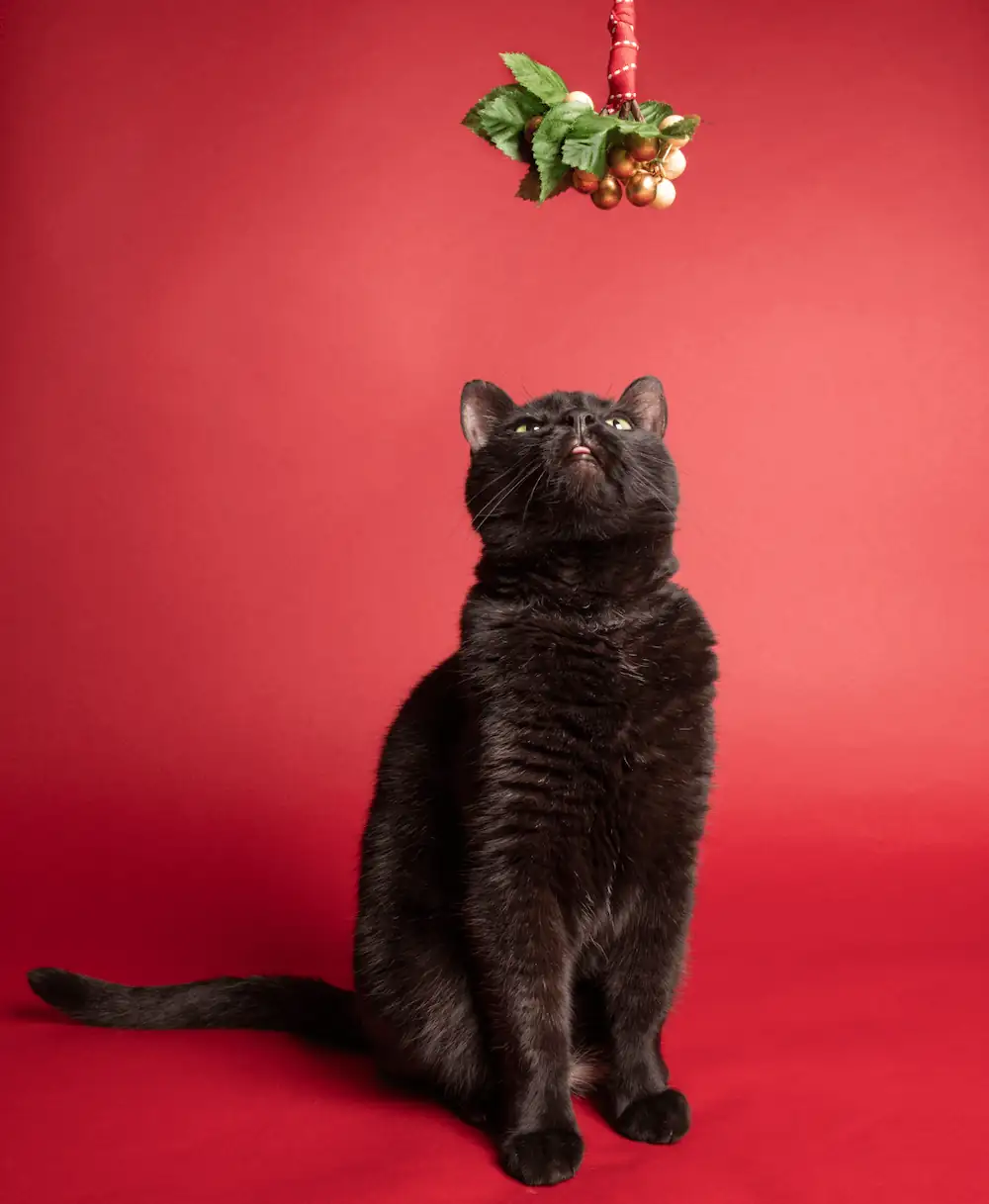
The ice-cube myth: why chilly drinks are for you, not your poinsettia
Watering houseplants with ice cubes is trendy—and terrible for this warm-tropical species.
- Cold shock: Poinsettias prefer 18–25°C by day and above 15°C on winter nights. Ice drops root-zone temperatures well below comfort levels, stressing tissues and triggering leaf drop.
- Uneven moisture: Melting cubes wet only a small pocket of soil, leaving the rest dry. Roots need thorough, even moisture—not cold, patchy dribbles.
- Salt spikes: Tiny, localized watering can concentrate fertilizer salts in root zones, burning fine roots.
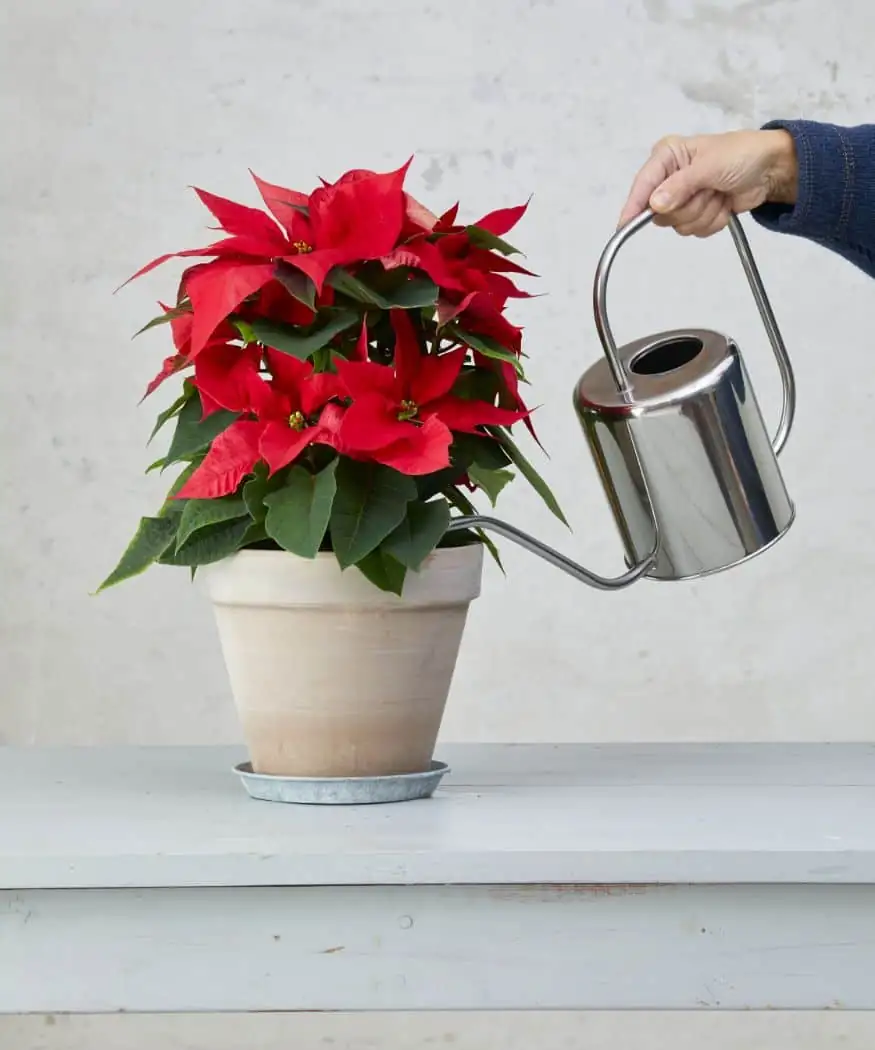
Better way:
- Check soil: Water when the top 2.5–5 cm (1–2 in) feels dry.
- Use room-temperature water: Thoroughly soak until excess drains; empty the saucer.
- Rhythm: In bright winter light, about once a week is common; in summer warmth, possibly more often. Always go by soil dryness, not the calendar.
The real reasons poinsettias drop leaves (and how to fix them)
Leaf drop is a stress alarm. Find the culprit, and your plant will respond quickly.
Temperature shocks and drafts
- Cold windows, door gusts, or a chilly car ride home can cause leaves to yellow and fall. Keep plants above 10°C at all times (aim for >15°C in winter), and away from drafts.
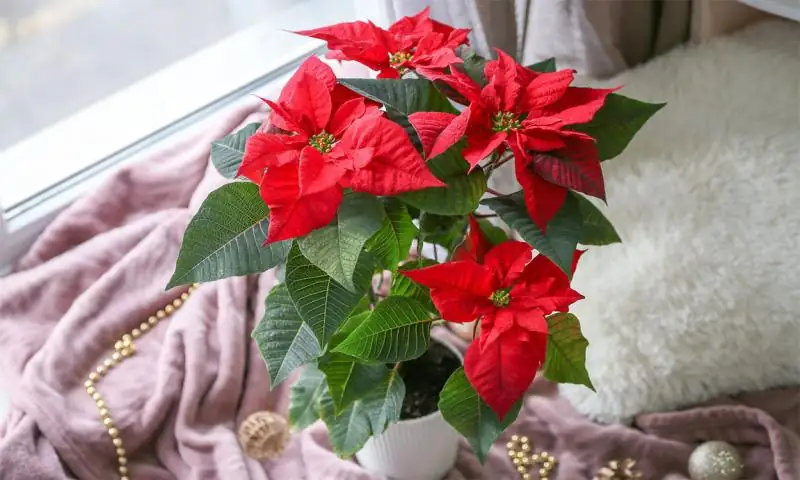
Watering mistakes
- Soggy soil = root rot, yellowing, and leaf drop.
- Drought-then-drench swings = stress that sheds foliage.
Fix: Use a light, well-draining mix; water thoroughly only when the top layer dries; never let the pot sit in water.
Low humidity and hot, dry air
- Central heating dries air, crisping edges and encouraging drop. Boost humidity with a pebble tray, group plants, or run a humidifier at comfortable room levels.
Low light and “night-light pollution”
- Poinsettias want bright light by day. At coloring time (autumn), they also need long, uninterrupted nights. Lamps, hallway light, or TV glow can delay or disrupt bract color and contribute to stress.
Fix: Bright, indirect light by day; true darkness 14–16 hours nightly during the re-coloring phase.
Post-purchase adjustment
- Moving from greenhouse-perfect conditions to a dim, drafty living room shocks plants. Choose a healthy specimen and give it a bright, warm, stable spot right away.
Pests and disease
- Whiteflies, spider mites, thrips, and fungus gnats are common. Botrytis, powdery mildew, and root/stem rot can follow poor airflow or overwatering.
Fix: Inspect often; rinse pests off; isolate; use insecticidal soap or horticultural oil; improve drainage and airflow.
Tip: Keep poinsettias away from ripening fruit bowls and unvented gas appliances; ethylene gas can hasten leaf and bract drop.
Bright days, long nights: re-coloring next year
- Timing: Starting in late September or early October, give 8–10 weeks of 14–16 hours of complete darkness nightly (a closet or a lightproof box works) and bright days.
- No peeking: Even brief night lighting can delay coloring.
- Keep the basics steady: Warm temperatures, bright days, and gently moist soil during this period are essential.
Care cheat-sheet for a thriving plant
- Light: Bright indirect with a little gentle direct sun; avoid harsh midday through hot glass.
- Temperature: Ideal 18–25°C days; slightly cooler nights 15–18°C; never below 10°C; best winter performance above 15°C.
- Humidity: Moderate to moderately high; avoid very dry air.
- Soil: Loose, airy, well-draining potting mix (peat/coir + perlite/vermiculite), pH ~5.8–6.5.
- Water: Keep evenly moist; water when the top 2.5–5 cm is dry; soak and drain; empty saucer.
- Feeding: Spring to early autumn, use a balanced houseplant fertilizer every 2 weeks at a lighter dose or every 3–4 weeks at half strength. Pause during peak bract display; resume after pruning when new growth starts.
- Pruning: After bracts fade (late winter to early spring), cut stems back to 10–15 cm above soil or maintain a 20–25 cm framework with 2–3 nodes per stem. Pinch new growth in summer to keep it bushy.
- Repotting: In spring after the display; move up one pot size into fresh, draining mix.
- Propagation: Spring–early summer tip cuttings 7.5–10 cm long; stop sap flow before sticking; root in warm (25–28°C), humid conditions in perlite/vermiculite—rooting often in 2–4 weeks.
- Calendar:
- Jan–Mar: Enjoy; keep warm, bright, gently moist.
- Apr–May: Prune and repot; restart feeding after new growth appears.
- May–Sep: Strong light (avoid scorch), steady watering/feeding; pinch to shape.
- Late Sep–Nov: Long nights, bright days for 8–10 weeks.
- Nov–Dec: Bracts color; keep stable warmth and bright light.
How to pick a long-lasting plant
- Look for: Sturdy stems; rich green leaves down to the base; bracts fully colored or just beginning. The tiny center flowers (cyathia) should be closed or just opening.
- Avoid: Wilted plants, dropped leaves, damaged bracts, or pots sitting in water.
Symbolism and “flower language,” thoughtfully considered
Poinsettia carries centuries of meaning. The Aztecs knew it as cuetlaxochitl and used it for dyes and traditional remedies. Today, its star-shaped bracts evoke the Star of Bethlehem in Christian tradition; red forms are often tied to love and sacrifice, while white forms suggest purity. As with most “flower language,” these meanings are cultural stories rather than botanical truths—but they add a lovely layer to holiday gifting and decor.
Common questions, fast answers
- Are poinsettias poisonous? Mildly—mostly irritating. The sap can irritate skin/eyes, and chewing can cause mild stomach upset in pets and people. Not considered deadly. Keep out of reach and handle with care.
- Can I plant it outdoors? Only where there’s no frost risk. Outdoors year-round is feasible in warm zones commonly cited as USDA 9–11, with the most reliable performance in truly frost-free microclimates often described as 10–12.
- Why are my bracts fading early? Natural aging, too-warm or fluctuating temps, low light, or ethylene exposure can shorten the show. Keep it bright and steadily warm.
Troubleshooting quickies
- Yellowing leaves with wet soil: Ease up—roots are drowning. Improve drainage; let the top layer dry before watering.
- Crisp edges and droop between waterings: Likely underwatering and dry air. Water thoroughly, then raise humidity.
- Sticky leaves or tiny flying insects: Check for whiteflies/aphids; rinse, isolate, and treat with insecticidal soap.
Enjoy your poinsettia as a living celebration of the season—vibrant, not volatile; warm, not icy; and far tougher (and kinder to pets) than the rumors suggest. Keep it bright, keep it cozy, keep it evenly moist, and it will return the favor with weeks of star-bright color.


