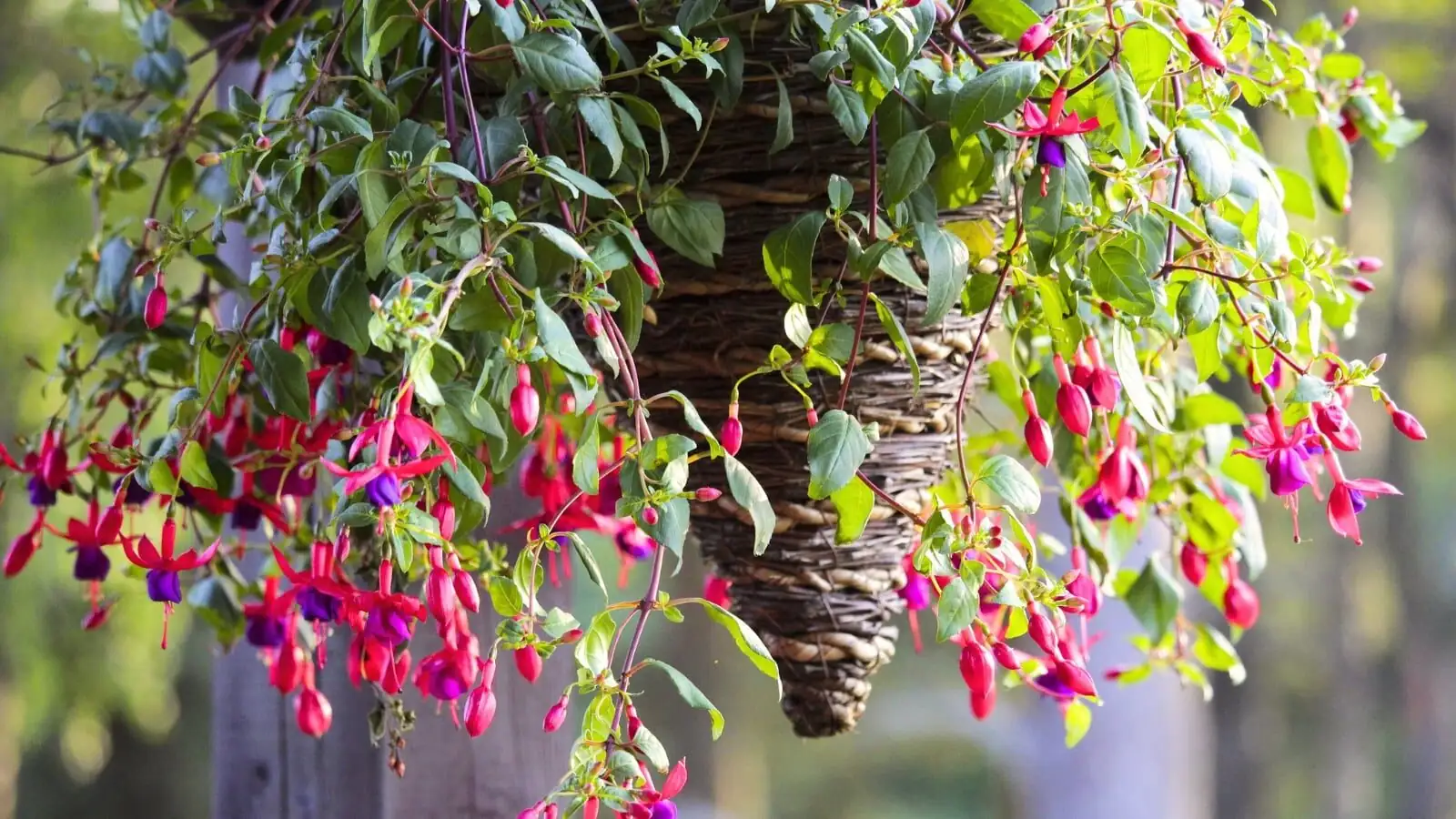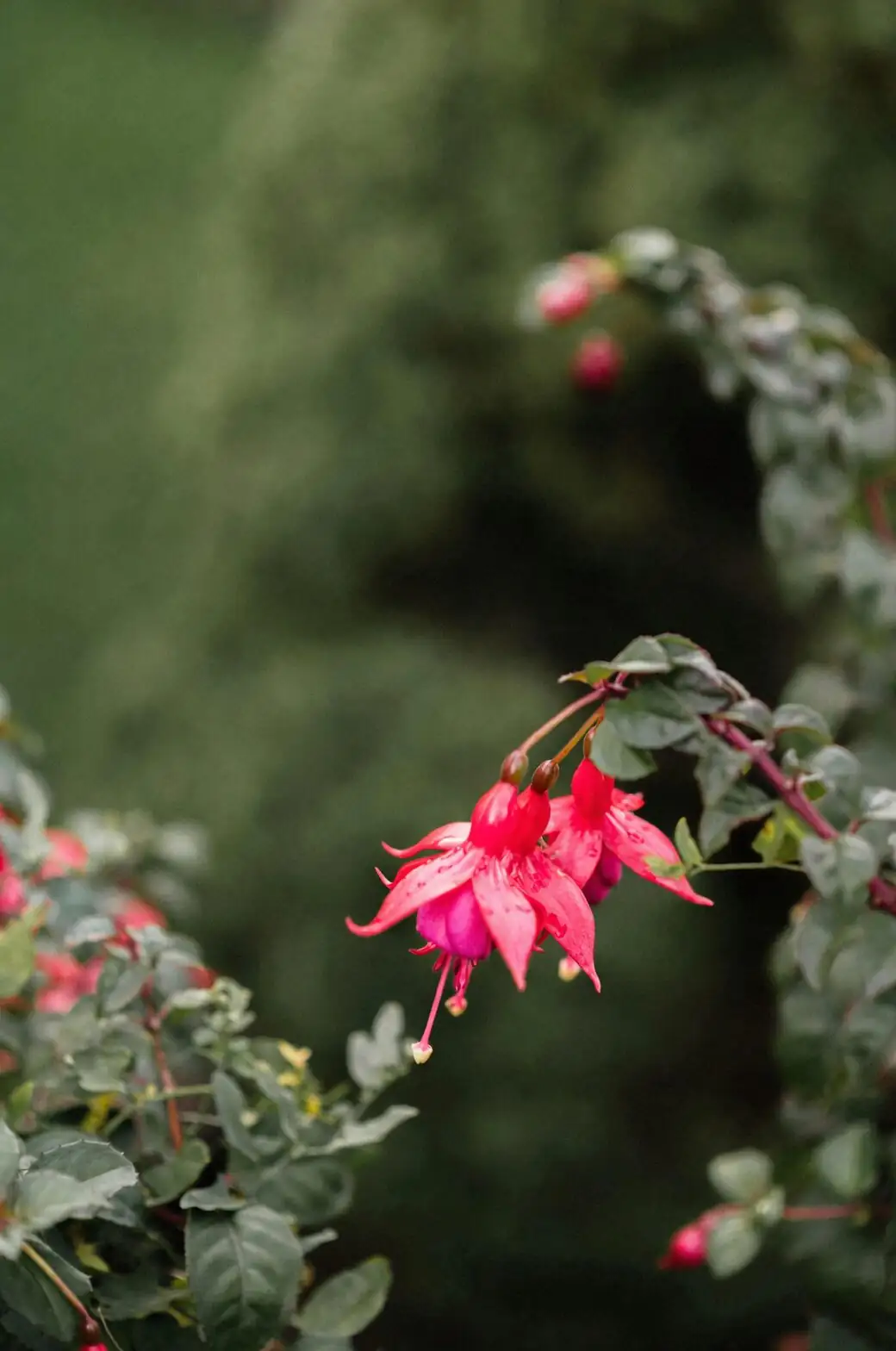
Meet the poinsettia as a landscape shrub and it stops being just “the holiday plant.” In frost‑free gardens, Euphorbia pulcherrima Willd. becomes a luminous, winter-coloring evergreen backdrop that can reach head height and beyond—while still delivering that iconic bract display. The secret is treating it like the tropical, short‑day shrub it is: choose the right site, mind the clock in fall, prune on schedule, and keep water steady but never sloppy. Here’s how to make your garden glow when most others fade.
Know your plant, pick your place
- Botanical profile: Euphorbia pulcherrima Willd., poinsettia; a warm‑loving, upright, branching shrub with milky latex sap. Outdoors in frost‑free zones it typically grows 2–4.5 m (6.5–15 ft).
- Climate fit: Not frost‑hardy. Best outdoor performance is in reliably frost‑free microclimates—commonly cited for USDA 9–11, with the most dependable landscape results in warmer 10–12 conditions depending on site. Keep plants above 10°C/50°F at all times; many gardeners aim for winter nights above 15°C/59°F.
- Color timing: Bracts color in winter to early spring. The showy “petals” are bracts; the true flowers are the tiny yellow‑green centers (cyathia).
Siting for success: light, microclimate, and the all‑important darkness
Think “bright days, gentle sun, quiet nights.”
Light and exposure

- Morning sun + dappled midday shade is ideal, especially inland. A southeast exposure delivers energizing light without baking the bracts.
- Coastal gardens can push to brighter exposures; inland heat benefits from high‑canopy shade (palms, light‑limbed evergreens) between 11 a.m.–3 p.m. to prevent leaf scorch and bract bleaching.
- Containers on patios do beautifully where you can fine‑tune sun and shelter.
Photoperiod protection (your bracts depend on it)
To color up, poinsettias need long, uninterrupted nights for 8–10 weeks in autumn.

- Shield from night lighting: streetlights, porch lights, security lamps, even landscape uplights can delay coloring. Choose naturally dark corners or install seasonal light shields (simple screens or blackout panels on the light side of the plant).
- Aim to start the “long night” routine in late September through November for a December show.
Shelter and airflow
- Provide wind protection (courtyards, hedges, or leeward walls) to reduce leaf tatter and water loss, but keep air moving to avoid mildew and Botrytis.
- Avoid intense reflected heat from south‑ or west‑facing stucco or pavement; use a buffer of groundcover or mulch.
Soil and bed prep
- Soil: loose, well‑aerated, fast‑draining, slightly acidic to near‑neutral (about pH 5.8–6.5).
- Plant on a gentle mound or in raised beds if drainage is marginal. Mix in coarse perlite or fine gravel with organic matter to prevent sogginess.
Irrigation that keeps leaves lush and roots happy
Poinsettias crave even moisture, never a bog.
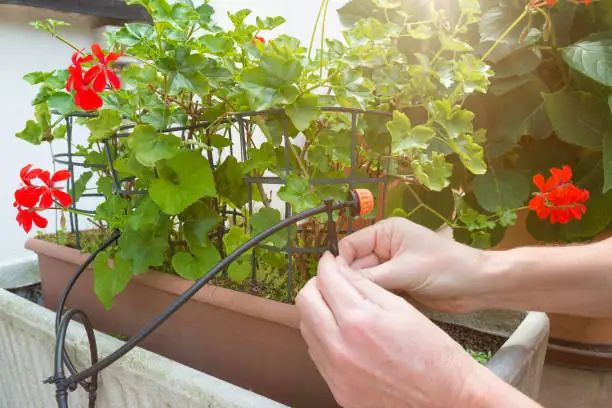
- Establishment: water deeply, then allow the top few centimeters (1–2 in) to dry before watering again. Drip lines or a soaker loop are ideal.
- Seasonal rhythm:
- Spring–early summer: steady, moderate watering as new shoots extend.
- Peak summer heat: increase frequency, still avoiding the drought‑then‑drench swings that trigger yellowing and leaf drop.
- Autumn (color set‑up): keep consistent but slightly leaner—no stress, no saturation.
- Winter display: maintain gentle, regular moisture; water early in the day so bracts and leaves dry before night.
- Best practices:
- Mulch 5–7.5 cm (2–3 in) deep to buffer soil moisture and temperature (keep mulch just off the stems).
- Avoid overhead irrigation on the canopy to limit Botrytis on bracts and leaves.
Feeding for form, not flab
- Feed from spring through early autumn with a balanced fertilizer:
- Light liquid feed every 2 weeks, or
- Slow‑release granules in spring per label.
- Pause or reduce feeding as bracts develop and during peak display; resume lightly after the post‑season prune.
Pruning windows and shaping strategy
Time the shears to grow a dense shrub that erupts in color right on cue.
The big cut (late winter to early spring)
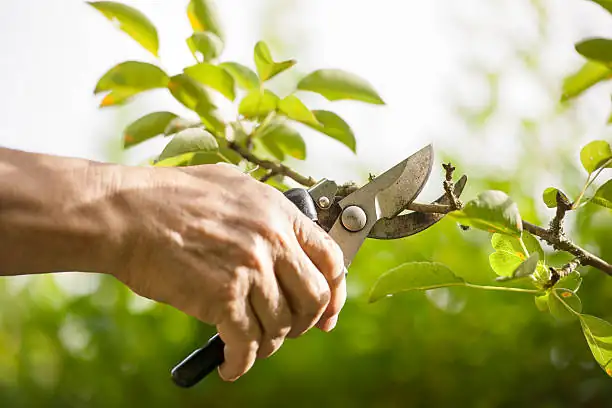
- After the bracts fade, cut stems back to 10–15 cm (4–6 in), or leave a 20–25 cm (8–10 in) framework with 2–3 nodes per stem for a quicker rebound.
- Remove weak, crossing, or inward‑growing shoots to open the center.
Summer pinching (branching for mass color)
- Pinch soft tips every 3–4 weeks from late spring to mid‑summer to multiply flowering terminals and keep the plant compact.
- Stop all pruning and pinching by late August. You want mature stems heading into the short‑day period; late cuts remove future bract sites.
Hedging vs. specimen
- Specimen shrub: aim for a multi‑stemmed vase shape 1.5–2 m (5–6.5 ft) tall so bracts sit at eye level.
- Informal hedge: space plants 1–1.5 m (3–5 ft) apart; shear lightly in early summer only, then switch to selective hand pinching to avoid removing bract terminals.
Safety note
- The sap is a milky latex that can irritate skin and eyes—wear gloves, avoid contact with eyes, and keep trimmings away from pets and children.
Sun strategies by site
- Coastal, mild: full morning to early‑afternoon sun works; monitor bracts for fade and give light midday filtration if needed.
- Inland, hot: prioritize morning sun; provide bright, open shade in the hottest hours.
- Courtyards: fantastic heat sinks for winter nights, but watch reflected summer heat. Use tall planters, groundcovers, or pale mulches to cool the root zone.
Companions that flatter the bracts—and the biology
Choose neighbors that like similar light and moisture, won’t demand extra night lighting, and frame the winter show.
Layering for color and contrast
- Dapple makers (upper canopy): palms such as Dypsis lutescens (areca palm), feathering bright light without mid‑day scorch.
- Evergreen backdrops: Gardenia jasminoides, Podocarpus macrophyllus—deep green that makes red, pink, or white bracts pop.
- Foliage color echoes: Cordyline fruticosa (ti plant) and Alternanthera cultivars for burgundy/chartreuse carpets that play off poinsettia bracts.
- Understory texture: Ophiopogon (mondo grass) or soft bromeliads (Neoregelia, Aechmea) to finish the base and cool the soil.
- Pollinator sparkle (shoulder seasons): Pentas lanceolata and compact salvias near, not over, the root zone for supportive color without shading the shrub.
Night‑light savvy design
- Skip permanent uplights and path lights within the poinsettia’s line of sight. If lighting is a must, put it on a fall timer that switches off at dusk during the 8–10 week color‑initiation window, or shield fixtures seasonally.
Troubleshooting in the landscape
- Leaf drop: most often from cold snaps, hot drafts, or watering swings. Re‑establish even moisture and stabilize temperatures.
- Pests: whiteflies, spider mites, thrips, fungus gnats, and occasional scale. Encourage airflow, rinse with water, and use insecticidal soap or horticultural oil as needed.
- Diseases: Botrytis, leaf spots, powdery mildew, stem/root rot—usually tied to soggy soil and stagnant air. Improve drainage, water early, clear fallen leaves, and avoid overhead watering onto bracts.
Month‑by‑month garden calendar (frost‑free climates)
- Jan–Mar: Peak bract display. Keep evenly moist, bright, and sheltered; reduce feeding. Enjoy the show.
- Apr–May: Post‑display prune and, if needed, repot containers. Resume light feeding once new growth starts.
- May–Aug: Grow and shape. Bright light with midday protection inland. Pinch regularly through mid‑summer. Maintain consistent irrigation.
- Late Sep–Nov: Begin long‑night regimen—shield from all night lighting for 8–10 weeks. Hold off on pruning. Keep watering steady but never soggy.
- Nov–Dec: Bracts color. Maintain stable warmth and bright days; avoid disruptions to the darkness routine.
Containers or in‑ground? Do both.
- Containers excel where you can move plants to ideal autumn darkness and perfect light angles. Use a fast‑draining, airy mix and step up pot size gradually in spring.
- In‑ground shrubs become architectural accents and winter color anchors—space for airflow, mulch well, and site away from intrusive night light.
Quick do’s and don’ts
- Do: give morning sun, dappled midday shade, and 8–10 weeks of long, dark nights in fall.
- Do: prune hard after winter display; pinch through mid‑summer; stop by late August.
- Do: water deeply and evenly; mulch to steady the root zone; fertilize modestly spring to early autumn.
- Don’t: expose to frost, soggy soil, or bright night lighting.
- Don’t: overhead‑sprinkle bracts; it invites Botrytis.
- Don’t: forget gloves—latex sap can irritate.
A note on meaning and “flower language”
Poinsettia’s cultural fame is tied to midwinter celebration—its star‑shaped bracts evoke the Star of Bethlehem and its red hues are linked with joy, love, and sacrifice. Modern “flower language” assigns symbolic messages to plants, but for poinsettia, its power comes less from Victorian floriography and more from centuries of Mexican heritage and a beloved Christmas legend. In the landscape, that symbolism becomes living architecture: a shrub that saves its brightest voice for the quietest season.
With the right site, a disciplined pruning calendar, thoughtful irrigation, and companions that respect its night needs, Euphorbia pulcherrima can be more than a December guest—it can be your garden’s winter headline act, year after year.