Think of poinsettias as your winter color switch: one plant, a hundred styling possibilities. With today’s palette of reds, whites, blushes, marbles, peaches, and even sunny yellows, Euphorbia pulcherrima Willd. can pull a room together faster than a fresh coat of paint. Here’s your interior styling playbook—how to pick the right cultivar, pair it with the right vessel, build eye-catching groupings, and place everything for maximum visual pop…without flirting with drafts, cold glass, or heat vents.
Meet your star, quickly

- What you’re seeing: those “petals” are bracts—gloriously colored leaves that frame the tiny yellow-green true flowers at center.
- Best light: bright indirect light with a little gentle direct sun; think luminous living rooms, bright offices, or a well-lit corner near (not pressed against) a window.
- Cozy temps: aim for 18–25°C (64–77°F) by day with slightly cooler nights (15–18°C / 59–65°F). Protect from frost, cold windows, door drafts, and blasts from heating/AC vents.
- Watering vibe: evenly moist, never soggy. Water when the top 2.5–5 cm (1–2 in) is dry, then drain thoroughly.
- Long-night magic (for next year’s color): 8–10 weeks of 14–16 hours of uninterrupted darkness nightly in autumn; even lamp or TV light can delay coloring.
Palette-first styling: match cultivars to your room
1) Iconic red + natural textures
- Cultivars: classic reds (widely available through the season).
- Room palette: charcoal, forest green, walnut, cognac leather, cream.
- Best vessels: matte black stoneware, warm brass cachepots, dark walnut planters.
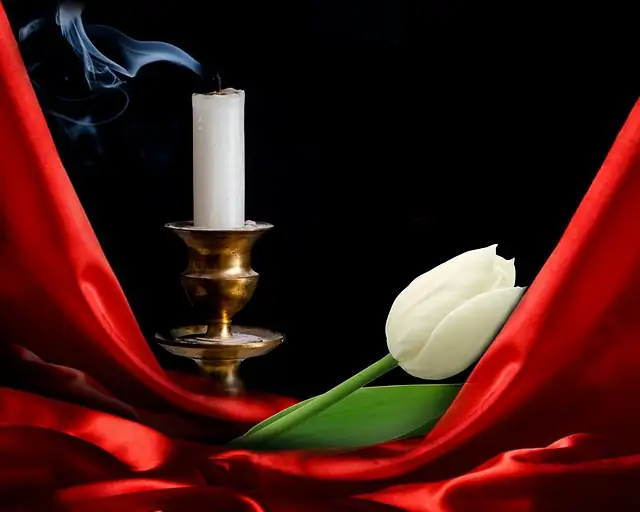
- Styling move: cluster three reds of graduating size on a console and echo the tone with a single brass candlestick. Add a wool throw in oxblood to “repeat” the bracts across the room.
2) Winter white + champagne glow

- Cultivars: crisp whites (look for names like ‘Jack Frost’ at specialty shops).
- Room palette: ivory, sand, pale oak, champagne metallics, soft gray.
- Best vessels: glossy white porcelain, mercury glass, brushed champagne metal.
- Styling move: a pair flanking a mirror on a mantel, with silvery twigs and glass ornaments. The white-on-white keeps it serene; the metallics catch low winter light.
3) Blush & berry romance
- Cultivars: pinks and marbled tones (e.g., ‘Sparkling Punch’-type colorways).
- Room palette: blush, rose, mauve, terracotta, antique brass.
- Best vessels: frosted glass, rosy ceramic, vintage brass compotes (with a plastic liner).
- Styling move: a low “runner” of 4–5 minis down a dining table, interwoven with rose-gold baubles—kept low so sight lines stay clear.
4) Citrus & candlelight
- Cultivars: soft yellow to peach hues (watch for sunny forms like ‘Golden Glo’ at curated garden centers).
- Room palette: warm white, camel, navy, smoked bronze.
- Best vessels: honeyed wood bowls, aged brass, pale travertine planters.
- Styling move: one generous plant on a kitchen island, elevated on a wood pedestal to avoid cold stone contact; tuck in a single navy tea towel nearby to anchor the scheme.
5) Burgundy modernism

- Cultivars: deep burgundy/merlot forms.
- Room palette: matte black, concrete gray, crisp white.
- Best vessels: rough concrete cylinders, sculptural black stoneware, gunmetal stands.
- Styling move: a singular, tall specimen under a staircase with an uplight bouncing off the wall (lamp light is fine—just no nighttime light leaks if you’re re-coloring in autumn).
Tip: Mix color families sparingly. If you love variety, keep the vessels identical so the collection reads as one curated statement.
Vessel choices that elevate (and keep roots happy)
- Always use a cachepot: keep the plant in its plastic grower pot for drainage; drop it into a decorative container. Empty the saucer after every watering.
- Lose the foil sleeve: pretty, but it traps water. If you love the look, punch discreet drain holes and set on a tray you can empty.
- Materials that sing:
- Matte ceramic for contemporary calm
- Lacquered or high-gloss for glam mirrors and mantels
- Woven baskets (with a waterproof liner) for cozy, textural warmth
- Footed urns or pedestal bowls for instant “entryway grandeur”
- Scale smartly: the bracts sit up top; a slightly taller container visually lifts the color cloud into view without crowding leaves.
Groupings that make a room sing
- The power of odd numbers: trios and fives feel dynamic. Use a medium, small, and mini for an intentional “gradient.”
- Mantel runner: alternate poinsettias with glass hurricanes; keep at least 30 cm (12 in) from an active fireplace and out of direct heat. If the fireplace is purely decorative, fill the firebox with a ruby grid of red plants for luxe “embers.”
- Stair landing or bay window: a staggered trio on plant stands at 3 heights—no leaves touching cold glass.
- Entry console: symmetrical pair of whites with a central mirror. Doors can draft—set plants 1–2 m (3–6 ft) back from traffic.
- Coffee table lowline: minis in a tray with ornaments tucked in moss; easy to shift away from movie-night foot traffic.
Placement: bright, camera-ready, and draft-free
- Sweet spots:
- Bright east window; bright south/west window with sheer filtering
- 0.5–1 m (1.5–3 ft) back from cold glass to avoid leaf chill
- Away from door swishes, hallway gusts, and ceiling vent drops
- Stable temps: 18–25°C by day, 15–18°C at night; humidity in the moderate range helps leaves hold
- Lift off cold floors with stands; rotate a quarter-turn weekly for even color
- No-go zones:
- On or above radiators, near heat registers, or in AC blasts
- Pressed against single-pane glass
- Drafty entryways
- Direct, searing midday sun behind hot glass
Care cues that keep the look luxe
- Watering rhythm: when the top 2.5–5 cm (1–2 in) is dry, water thoroughly until it drains; never let roots sit in water. In bright winter rooms, that’s often about once a week.
- Light dusting: wipe bracts and leaves gently so colors read crisp on camera and in real life.
- Feeding: pause while the display peaks; resume a balanced houseplant feed in spring as new growth begins.
- Post-display prune: after color fades (late winter/early spring), cut stems back to about 10–15 cm (4–6 in) to rebuild a bushy shape. Repot up one size in fresh, well-draining mix if rootbound.
- Common hiccups:
- Sudden leaf drop? Usually temperature swings, drafts, low light, or wet feet. Move to a brighter, stable spot; check drainage.
- Pests (whiteflies, mites, thrips): shower leaves, isolate, and treat with insecticidal soap or horticultural oil; improve airflow.
Fast style recipes to copy today
- Scandi Calm: white poinsettia + ash wood cachepot + linen runner + glass baubles in clear bowl.
- Art-Deco Glam: red poinsettia + black lacquer planter + brass orb accents + velvet cushions in garnet.
- Moody Library: burgundy poinsettia trio + concrete cylinders + smoked glass lamp + leather-bound books.
- Minimalist Monochrome: white poinsettia pair + matte black pedestals + single chrome object; negative space does the talking.
- Kitchen Island Glow: peach/yellow poinsettia on a wooden cake stand + candle cluster at a safe distance + navy tea towel for contrast.
After the holidays: keep or curate anew
- Keep it going:
- Spring: prune, repot, and feed once growth resumes.
- Summer: bright light, steady moisture, light pinching for fullness.
- Autumn recoloring: for 8–10 weeks starting late September, provide 14–16 hours of complete darkness nightly and bright days. Even a hallway light flicked on can delay the show.
- Or, refresh the vignette: gift the plant, compost responsibly, and reuse your vessel with the next season’s star.
Safety and placement etiquette
- The milky latex sap can irritate skin and eyes; wear gloves when pruning and keep out of reach of children and pets. If nibbled, it can cause mild stomach upset—display high or behind a barrier in pet-forward homes.
Symbolism, thoughtfully used
Poinsettia is a joyful emblem of the winter holidays—its star-shaped bracts often linked to the Star of Bethlehem and its red tones tied to themes of celebration and love. In Mexico, where it’s native and known as cuetlaxochitl, a beloved legend tells of humble weeds transformed into brilliant blooms as an offering—an origin story that infuses modern décor with meaning. White forms are frequently read as “purity,” reflecting a broader Victorian habit of assigning moral tones to plant colors. Use these associations as gentle narrative threads, not rigid rules: let your palette tell the story you want—festive, serene, or boldly modern.
—
Design bottom line: choose a cultivar that complements your palette, give it a vessel that repeats your room’s materials, group with intention, and place the display where the light is bright and the air is still. Do that, and your poinsettias won’t just say “holiday”—they’ll say “styled to perfection.”