

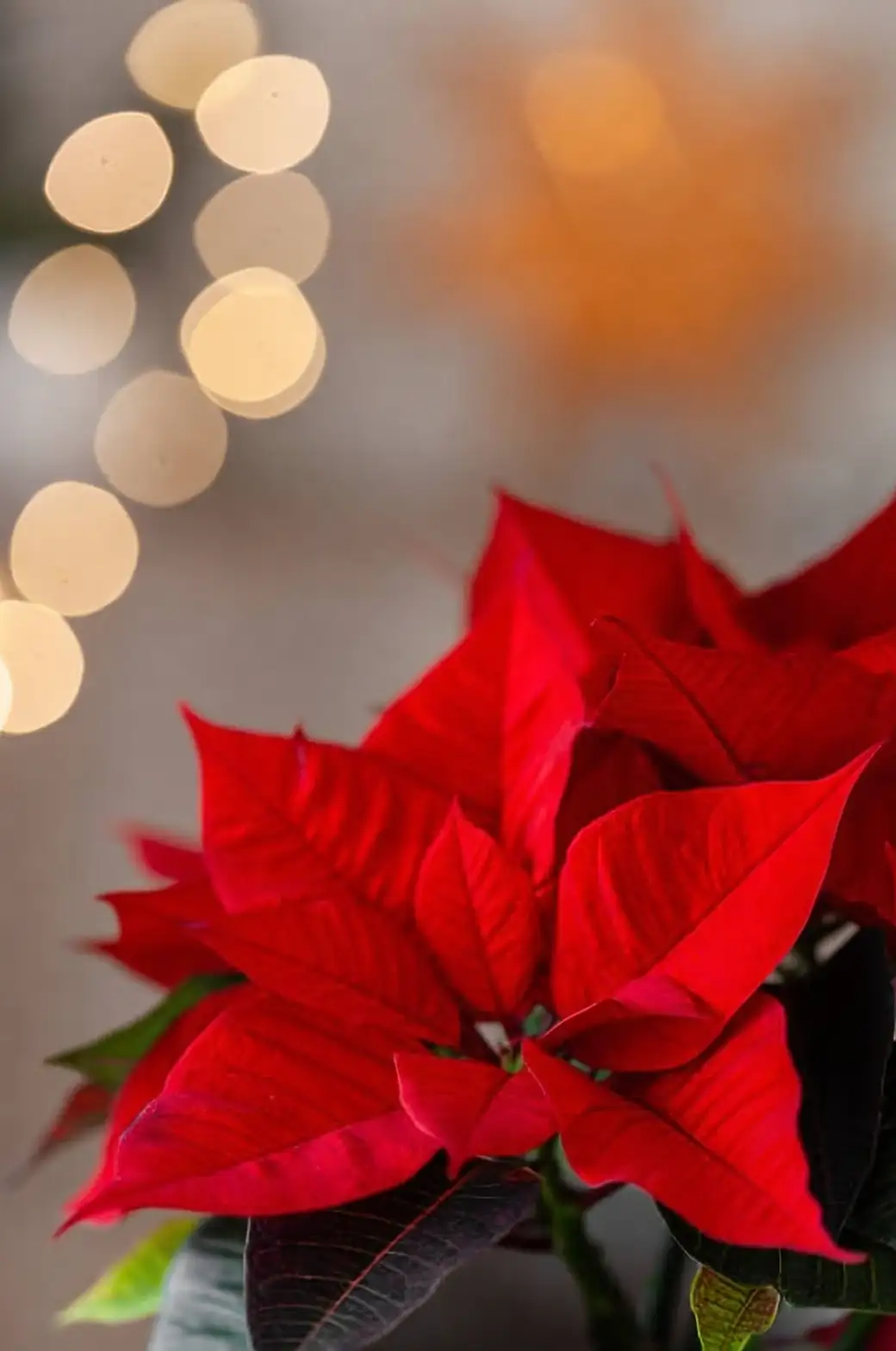
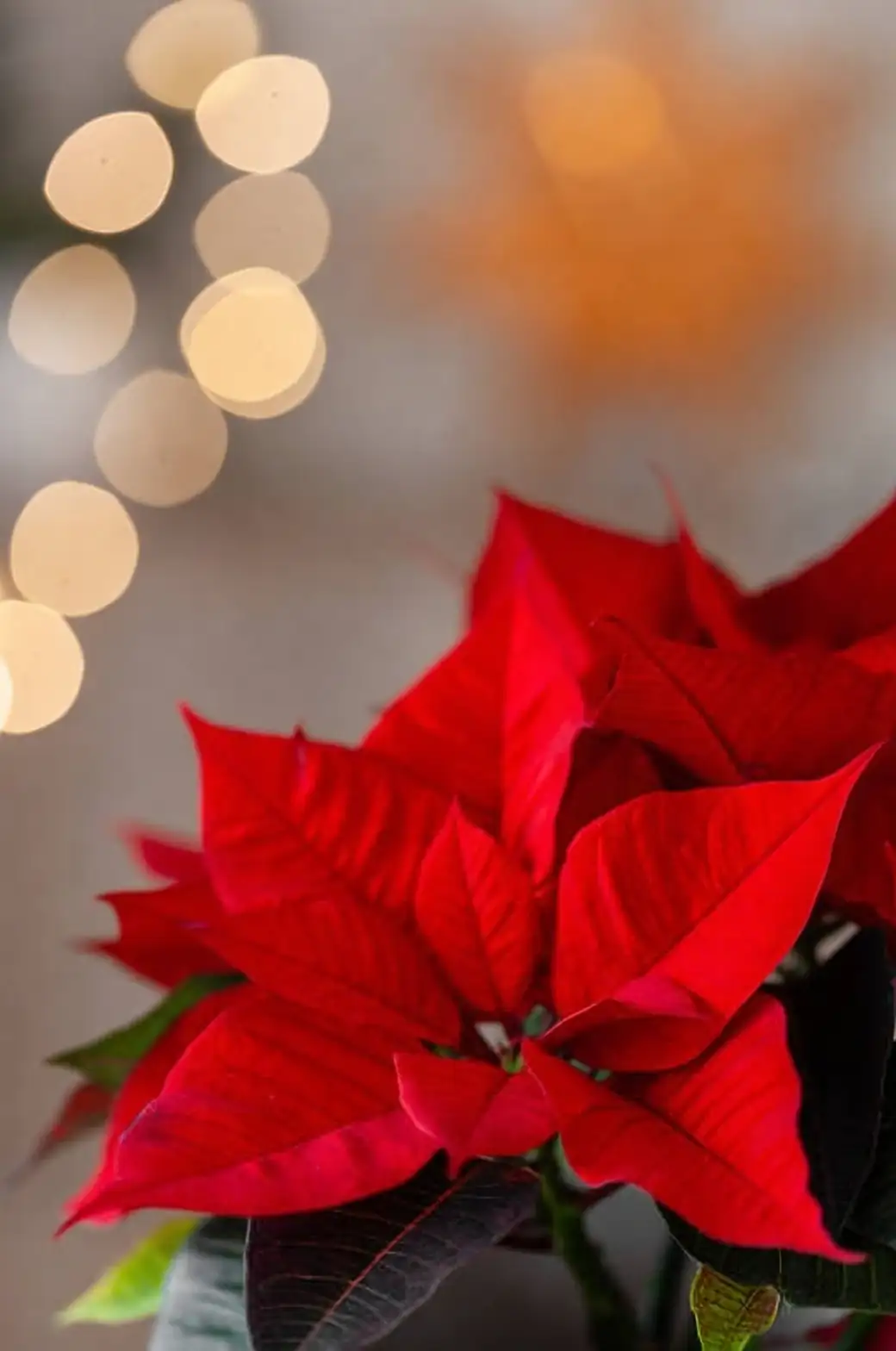
Think of your poinsettia as a night-owl with a very strict bedtime. When it gets long, truly dark nights for a couple of months, it repays you with those dazzling red, pink, or white bracts we all call “flowers.” When it doesn’t—when hallway lights, TV glow, or a quick late-night peek break the darkness—it sulks and stays green. Here’s a no-guesswork plan to get Euphorbia pulcherrima Willd. coloring on schedule, with blackout methods and timer setups that work in real homes.
How poinsettias “see” the night (and why brief light ruins the show)
- Poinsettia is a classic short-day, long-night plant. It doesn’t count daylight hours—it measures how long the night lasts.
- Even small amounts of light at night (lamps, TV glow, phone flashes, aquarium lights, streetlights) can delay or prevent bract coloring.
- Your goal: give it 14–16 hours of absolutely uninterrupted darkness every night for 8–10 weeks, paired with bright days, steady warmth, and even moisture.
Tip: If you can read a page next to the plant at night, it’s too bright. A phone lux app is handy—aim for essentially 0 lux at night where the plant sits.
The no-drama photoperiod plan (8–10 weeks)
Pick your dates
- Count back 8–10 weeks from when you want color. For a December 1 display, start the long-night routine by late September.
- Consistency matters more than the exact start day—pick a schedule you can keep every single night.
Daily schedule example (easy to live with)
- Darkness: 6:00 p.m.–9:00 a.m. (15 hours)
- Daylight: 9:00 a.m.–6:00 p.m. (bright window or supplemental grow light)
- Temperature: days 18–25°C (64–77°F), nights 15–18°C (59–65°F). Avoid drafts and cold glass; keep well above 10°C (50°F).
- Humidity: average home humidity is fine, but >50% is kinder—use a pebble tray or humidifier if very dry.
- Watering: keep evenly moist, never soggy. Water when the top 2.5–5 cm (1–2 in) is dry; drain the saucer. Avoid drought–drench swings.
- Feeding: go light during coloring; resume regular feeding after you prune in spring.
Blackout methods that really work
Choose the method that best fits your space and nightly routine. The key is airtight darkness with safe airflow.
1) The “box and breathe” cover
- Use a large, lightweight cardboard box or tri-fold foam board wrapped in blackout cloth.
- Line or double-layer to prevent pinholes. Add a few small L-shaped “baffle” vents low on the sides so air can move without light sneaking in.
- Each evening, place the cover over the plant at the same time; remove each morning.
- Raise the cover slightly on coins or felt pads for airflow. Keep away from heat vents to avoid overheating.
2) Closet conversion (set-and-forget)
- Pick an interior closet with no windows. Weatherstrip the door frame and add a door sweep.
- Remove/disable the bulb; put a “Do Not Open: Poinsettia Sleeping” sign outside.
- Place the plant on a tray for easy watering. Close nightly at the same time; open in the morning.
3) Lightproof tent or wardrobe cabinet
- A small pop-up grow tent or wardrobe closet with lightproof zippers works beautifully.
- Use passive vents with internal baffles; open fully for daytime light. Don’t run any lights inside during the dark period.
4) Room-level blackout for the plant you can’t move
- Hang blackout curtain liners; seal edges with Velcro or removable tape.
- Build a simple U-shaped light baffle around the plant (foam board wrapped in black fabric) plus a top “lid.”
- Put all lamps and the TV in that room on timers so they shut off before dark hours begin.
Timer setups you can trust
You’re automating two things: the plant’s daytime light and the house lights that might sabotage the night.
Simple, reliable gear
- Daytime grow light on a digital timer or smart plug: ON 9:00 a.m., OFF 6:00 p.m. (or your chosen window). Place the plant very near a bright window plus gentle direct morning sun if available; the grow light fills gaps.
- House lights/TV automation:
- Smart plugs or a smart power strip to force lamps off before the dark period.
- TV auto-off/sleep timer set earlier than the plant’s dark start time. Disable “ambient mode” and screensavers that glow at night.
Redundancy and reminders
- Set phone alarms for “Cover Poinsettia” and “Uncover Poinsettia.”
- Use battery-backup digital timers if your power blips often.
- Post a note: “Do not open—poinsettia dark from 6 p.m.–9 a.m.”
Troubleshooting light leaks from hallways, TVs, and more
Color slow or stalled? Use this checklist.
- Problem: Bracts still green by mid-November.
- Likely cause: Night light leaks or inconsistent timing.
- Fix: Move to a truly dark closet/tent or use a blackout cover nightly. Add 2–3 more weeks of strict darkness; many plants catch up quickly once leaks are sealed.
- Problem: Someone opens the door or flips a light at night.
- Likely cause: Household habits.
- Fix: Weatherstrip and door sweep; kill the closet bulb; place a sign; shift to a blackout box so you’re not relying on the room’s behavior. Occasional one-off slips can delay progress; repeated slips will reset it—tighten your routine and extend the program.
- Problem: TV glow, aquarium lights, or streetlights.
- Fix: Automate shutoffs; drape a dark throw over the TV; add blackout curtains; move the plant behind a light baffle; or relocate to a dark closet.
- Problem: Condensation or heat under a cover.
- Fix: Vent with light baffles; elevate the cover slightly; never place near a heat source; keep nights around 15–18°C (59–65°F).
- Problem: Leaf drop during forcing.
- Causes: Cold drafts, cold window glass, overwatering/standing water, very dry air.
- Fix: Move 15–30 cm (6–12 in) from cold glass; keep evenly moist; drain saucers; raise humidity slightly; maintain steady warmth.
- Problem: Spindly growth, little color even with good darkness.
- Cause: Days too dim.
- Fix: Brighter window plus a daytime grow light on a timer. Rotate the pot weekly for even exposure.
- Problem: Pests (whiteflies, mites, thrips) during the run.
- Fix: Rinse in the morning, improve airflow, and use insecticidal soap or horticultural oil as labeled. Keep the soil draining well.
After the color shows
- Stop the blackout routine; keep days bright and temperatures steady.
- Water when the top inch dries; avoid drafts and blasts from heating/AC.
- Enjoy the display through winter. In spring, prune back to encourage a bushy plant, repot if rootbound, and begin regular feeding as new growth starts.
A quick seasonal roadmap
- Jan–Mar: Enjoy the bracts; bright light, steady warmth, gentle moisture.
- Apr–May: Prune back; repot; resume feeding when new growth appears.
- May–Sep: Grow strong—bright light, warmth, regular water and fertilizer; pinch for compact shape.
- Late Sep–Nov: The crucial long-night treatment—14–16 hours of true darkness every night for 8–10 weeks.
- Nov–Dec: Color showtime; keep bright days and stable temps.
Essential care specs at a glance
- Light: Bright indirect with a little gentle direct sun; very bright days during forcing.
- Night requirement to color: 14–16 hours of uninterrupted darkness for 8–10 weeks; even small amounts of night light can delay coloring.
- Temperature: Day 18–25°C (64–77°F); night ~15–18°C (59–65°F); never below 10°C (50°F).
- Water: Evenly moist; drain well; avoid soggy soil.
- Soil: Loose, well-draining mix; slightly acidic to near-neutral (pH ~5.8–6.5).
- Humidity: Moderate to moderately high is best; avoid extremely dry air.
- Size: Commonly 30–90 cm (1–3 ft) indoors; a woody shrub in frost-free climates.
- Safety: Milky latex sap can irritate skin/eyes and cause mild stomach upset if ingested. Handle with care and keep from pets/children.
The meaning behind the “Christmas Star”
The poinsettia’s star-shaped bracts and winter timing tied it to the Star of Bethlehem in Christian tradition, making it a symbol of celebration, joy, and hope. In Mexico, where it’s native and known historically as “cuetlaxochitl,” it holds deep cultural roots and appears in seasonal festivities. Its “flower language” today draws less from ancient doctrine and more from these enduring stories and customs—red for festive warmth and love, white for purity, and the star for guidance in dark seasons.
Your success checklist (print this!)
- Choose start date: late Sep/early Oct for a Dec display.
- Set daily dark window (14–16 hrs) and automate house lights/TV.
- Build a blackout solution: cover, closet, or tent—zero light leaks.
- Keep days bright and warm; water evenly; avoid drafts.
- Stick to the routine every single night for 8–10 weeks.
Do this, and your Euphorbia pulcherrima Willd. will stop being “just a holiday purchase” and become a reliable, repeat performer—coloring right on cue, even in a home full of evening commotion and glowing screens.


