

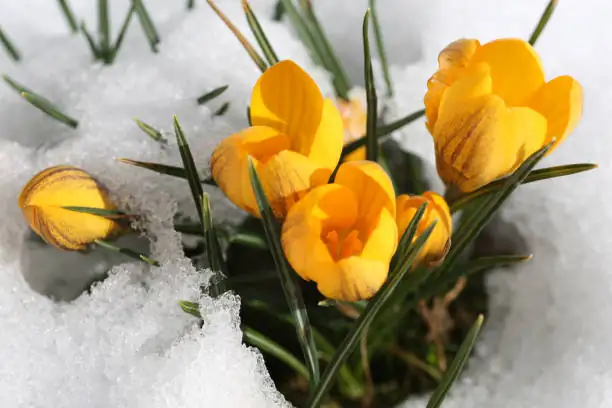
If spring had a starter pistol, Primula would be the one pulling the trigger. These rosette-forming perennials, better known as primroses, have evolved a finely tuned set of “wake‑up” sensors—temperature cues, daylength, and even pigment chemistry—that let them splash color across gardens while most plants are still rubbing sleep from their eyes.
Meet Primula: the spring herald
- What it is: Primula spp. (Primulaceae), a genus of 500+ species native to the Northern Hemisphere, especially temperate Asia, Europe, and North America.
- Habit and size: Low, clumping perennials with neat basal rosettes, typically 15–30 cm (6–12 in) tall and 20–50 cm (8–20 in) wide.
- Leaves: Dark green, often crinkled, oblong to oval with gentle teeth; smooth to slightly hairy depending on species/cultivar.
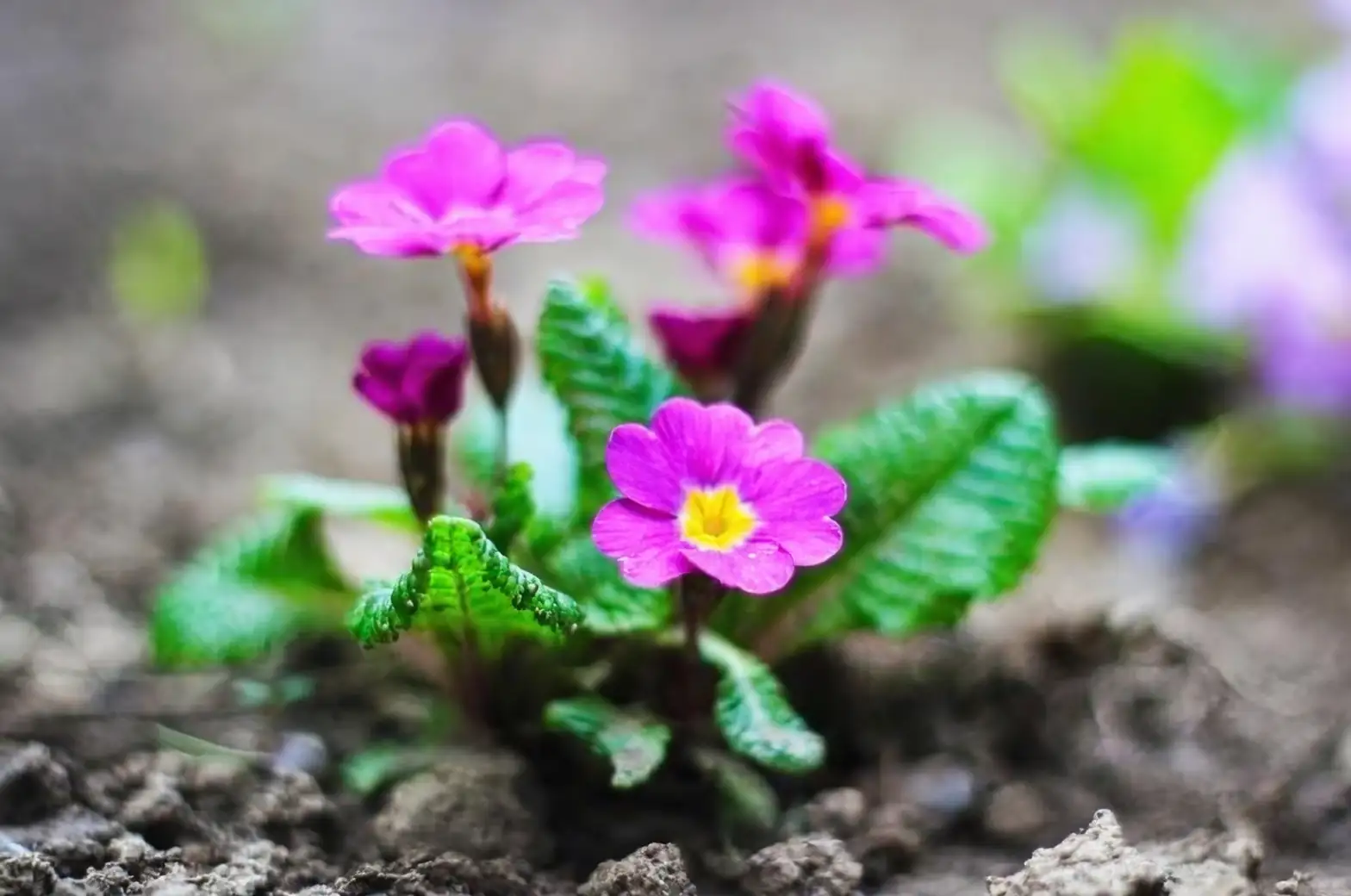
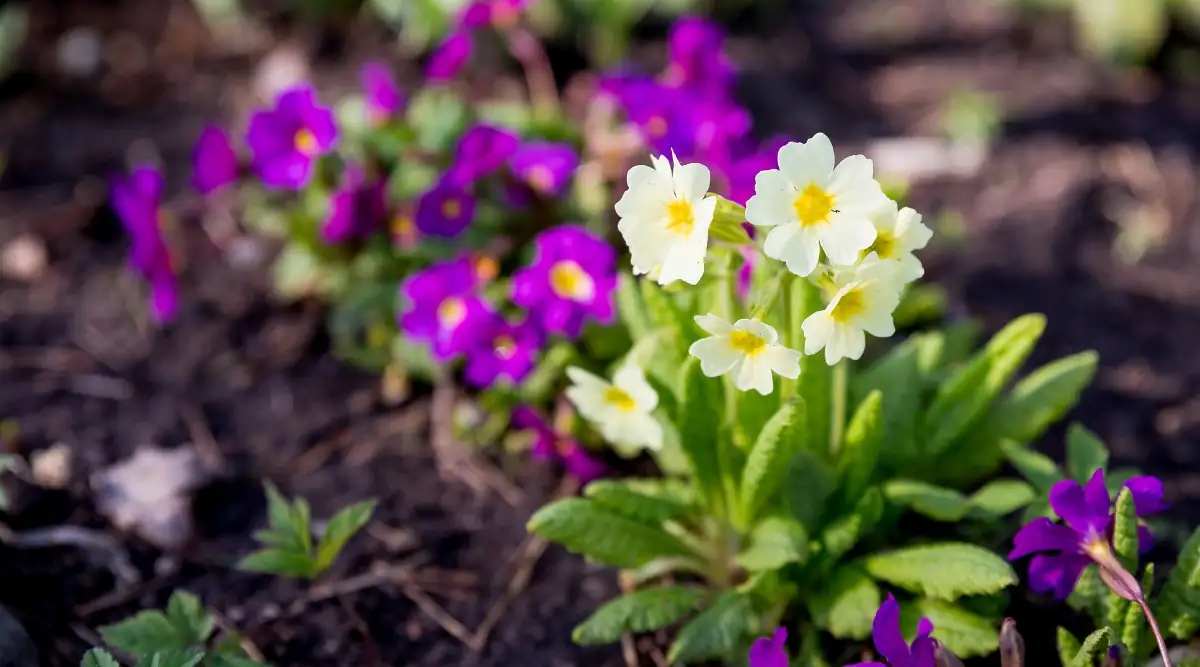
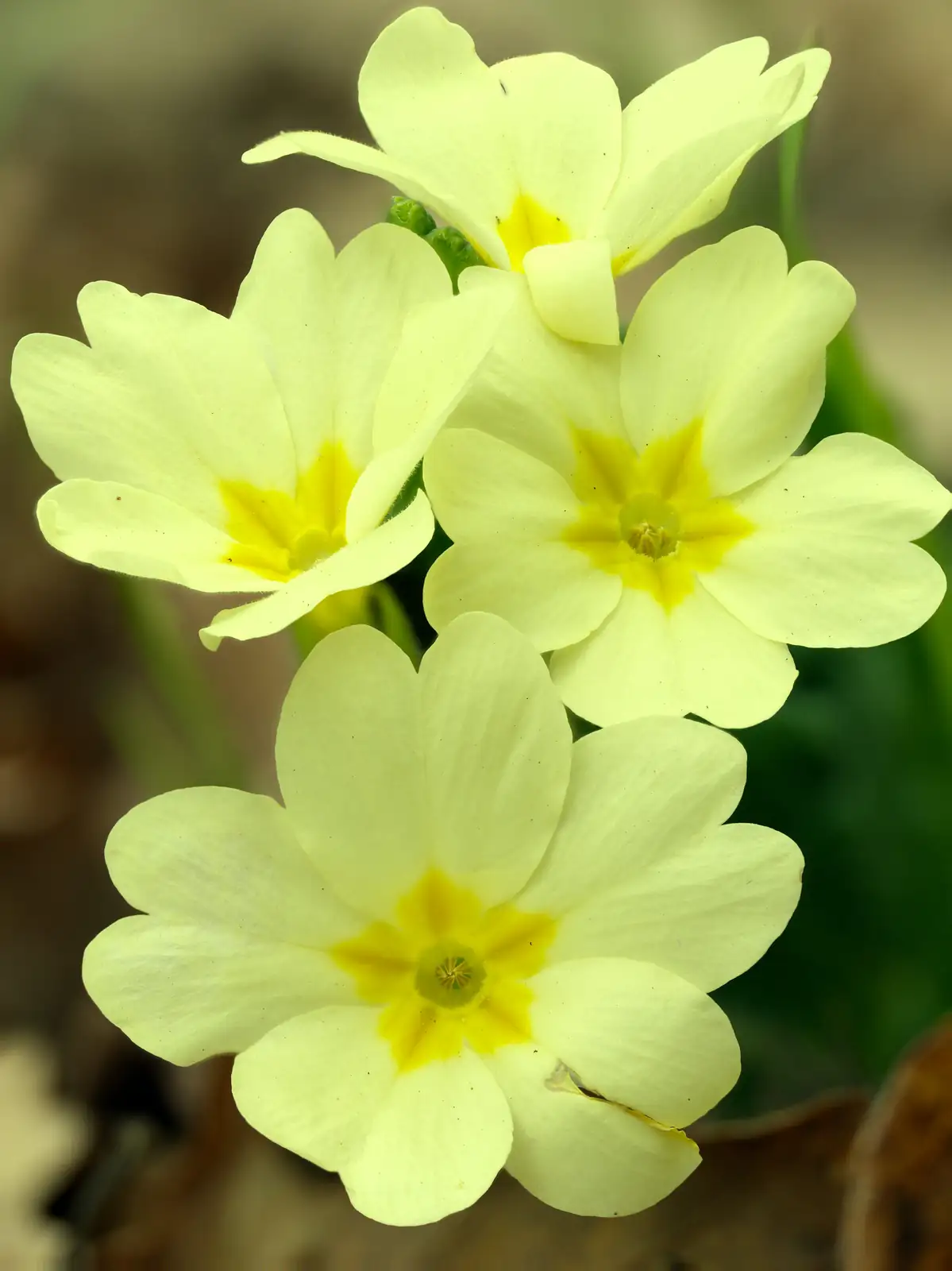
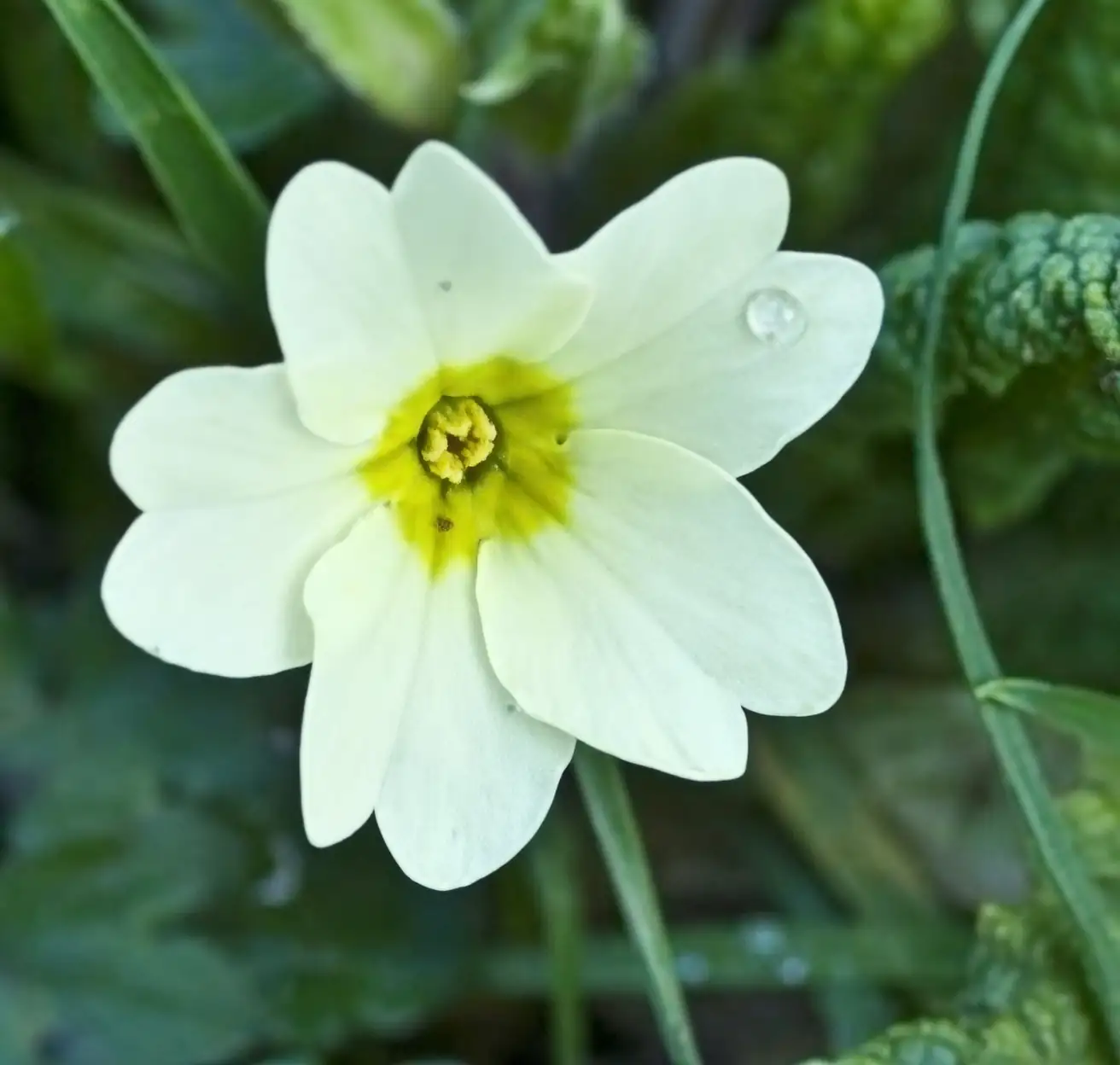
- Flowers: Umbel-like clusters held above the foliage; five-lobed blooms about 2.5 cm (1 in) across in red, pink, orange, yellow, blue, purple, or white—often with a contrasting yellow “eye.”
- Season: Early spring (April–May), right when gardeners are craving color the most.
- Best setting: Cool, lightly shaded woodland-style beds, rock gardens, under deciduous trees, and early-season containers.
How Primula knows when to bloom: a simple guide to complex cues
Primroses don’t just pop because the calendar flips; they read the environment. Three signals—cool temperature, daylength, and light quantity—combine to trigger bud initiation and push flowers to opening right as spring begins.
Temperature: the starter pistol
- Cool is crucial. Primula is most comfortable with cool nights around 10–15°C (50–60°F) and daytime highs below 27°C (80°F). These temperatures keep growth compact and steady while favoring bud development.
- A cool induction phase promotes flowering. Growers often give young primrose plants several weeks of cool conditions (roughly 4–10°C/39–50°F) after they’ve formed a handful of leaves to encourage flower initiation.
- Research spotlight: In controlled studies with Primula vulgaris, the fastest flower initiation appeared at about 13°C under favorable light and daylength. Leaf unfolding speeds up as temperature and light increase—up to a point—yet staying in that “cool sweet spot” produces the classic tidy rosettes and heavy bud set gardeners love.
Why this works: In late winter and early spring, soils and night air remain cool. Primula treats that as a green light for reproductive growth instead of lanky foliage, ensuring it can flower before the canopy above returns.
Daylength: the calendar in the sky
- Longer days help. As days stretch in late winter and early spring, many garden primroses accelerate from bud initiation to bloom. Experiments have shown that a roughly 14-hour photoperiod hastens flowering compared with shorter days.
- Not a strict on/off switch. Think of daylength as a speed dial—longer days generally move things along faster, but primroses don’t need the very longest days of summer to flower.
Daily light integral (DLI): how much light actually lands on leaves
- Shade-loving doesn’t mean light-starved. Primula prefers partial to full shade, yet still needs a decent “daily dose” of light to fuel abundant flowers.
- Brighter, gentle light boosts buds. Within their comfort zone, higher accumulated light (what growers call DLI) increases the number of flowers and speeds development—one reason primroses flourish under the open, leafless canopy of early spring.
The woodland timing advantage
Under bare branches, light is bright but not scorching, nights stay cool, and daylength is steadily increasing. Primula evolved to read this exact combination—beating summer-thriving plants to the pollinators and claiming spring’s spotlight.
Color chemistry: why cool weather makes primroses glow
Those jewel-toned petals aren’t just pretty; they’re chemical messages shaped by temperature and light.
The pigment palette
- Anthocyanins: Responsible for reds, pinks, purples, and blue-violet tones. Common types include cyanidin- and pelargonidin-based pigments.
- Carotenoids: Create sunny yellows and the classic primrose “eye”—that bright, nectar-guiding bullseye in the flower’s center.
- Flavonols: Usually colorless or pale, they act as co-pigments, subtly shifting hue and depth and helping stabilize anthocyanins.
Inside the petals, a team of genes acts like a dimmer board—MYB, bHLH, and WD40 transcription factors coordinate enzymes that build these pigments, switch them on in precise petal zones, and adjust intensity.
How weather edits the palette
- Cool nights, richer color. Chilly conditions upregulate enzymes in the anthocyanin pathway, often deepening reds and purples and sharpening contrasting patterns.
- Bright but gentle light intensifies hues. Adequate light, especially in cool weather, nudges pigment production higher; heat, by contrast, can mute tones.
- The steady “eye.” Carotenoid-rich centers tend to hold color well in cool spring weather, giving pollinators a clear landing signal when food is scarce.
Bottom line: Primroses look their most saturated when spring is genuinely spring-like—cool, bright, and not too hot.
Turn science into bloom power: practical tips
Use Primula’s natural cues to get the longest, brightest show.
Site and soil
- Light: Partial shade to full shade; in cool climates they’ll accept more sun, but protect from harsh midday light.
- Soil: Moist but free-draining, rich in organic matter (leaf mold or compost), slightly acidic (pH ~5.5–6.5).
- Placement: Woodland borders, under deciduous trees, rock gardens, containers, and cool, bright indoor spots in bloom.
Water and feeding
- Watering: Keep evenly moist—never soggy. In the ground, about 2.5 cm (1 in) per week during dry spells. In containers, water when the top 2.5 cm (1 in) feels dry. Excellent drainage prevents crown/root rot.
- Fertilizer: Half-strength liquid feed every 2 weeks during active growth and flowering. Garden plants also respond well to a balanced fertilizer in spring and again in fall; containers appreciate the regular liquid feed.
Temperature management
- Outdoors: Favor naturally cool sites; mulch lightly to conserve moisture. In hotter regions, treat as a cool-season star and move plants to shade as heat builds.
- Indoors/containers: Keep near 10–15°C (50–60°F) at night with bright, indirect light. Avoid heaters and hot, dry drafts.
Grooming, propagation, and repotting
- Deadhead: Remove spent blooms to keep the show going and conserve plant energy.
- Clean-up: Trim yellowing or damaged leaves to improve airflow.
- Divide: Split crowded clumps in early spring or fall to maintain vigor and preserve cultivars.
- Repot: Refresh container plants about once a year to prevent root binding.
A simple forcing recipe (for enthusiasts)
- Grow on until rosettes have 6–10 leaves.
- Give several weeks of cool conditions (around 4–10°C/39–50°F) to encourage bud initiation.
- Shift to cool-but-brighter conditions (about 10–13°C/50–55°F) and extend daylength to 12–14 hours with lights if needed.
- Maintain even moisture; avoid heat spikes to preserve color intensity.
Year-round care calendar at a glance
- Spring: Peak bloom—keep evenly moist, deadhead, and feed lightly.
- Summer: Provide shade and cool conditions; some plants slow down or go semi-dormant in heat.
- Fall: Divide if crowded; top-dress with compost; prep for winter.
- Winter: Mulch outdoors in cold regions; keep indoor bloomers cool with bright, indirect light.
Health, safety, and common hiccups
- Toxicity: Primula is toxic to humans and pets (cats and dogs). Sap may irritate skin in sensitive people—wear gloves and keep out of reach of children and animals.
- Pests: Aphids, mealybugs, and whiteflies are the usual suspects; spider mites appear in hot, dry stress. Slugs and snails will nibble leaves and flowers outdoors.
- Diseases: Leaf spot, powdery mildew, botrytis (gray mold), and various rots. Prevent with good airflow, clean watering habits, and never waterlog the crown.
A little lore and a clever love story
- Symbolism: Primroses have long stood for first love, youth, hope, and new beginnings. Much of this meaning stems from Victorian “flower language,” a social code in which blooms conveyed sentiments like “I can’t live without you.” While such symbolism varies by culture and era, primroses undeniably embody renewal by arriving with spring itself.
- Heterostyly magic: Many Primula species produce two floral forms—pin and thrum—that position anthers and stigmas at different heights. It’s a built-in system to encourage cross-pollination and keep populations genetically lively.
Why Primula owns early spring
By keying into cool temperatures, lengthening days, and the bright-but-gentle light of leafless woodlands—and by dialing up pigment pathways that love the cold—primroses have mastered spring’s opening act. Give them the conditions they’re asking for, and they’ll do what they’ve done for centuries: announce, with cheerful certainty, that the new season has begun.


