


You know that electric little jolt when the garden finally wakes up? That’s Primula—primrose—throwing open spring’s front door. These cool-loving, rosette-forming perennials are made for dappled light and humus-rich soil, and with a smart propagation plan you can clone favorite colors, raise a sea of seedlings, and time it all for a blockbuster April–May show.
Here’s your hands-on walkthrough—what to divide, what to sow, and how to schedule it so your garden sings right on cue.
Your propagation game plan at a glance
- Want identical repeats of a beloved cultivar or color mix? Divide established clumps (best for polyanthus and classic garden primroses).
- Want new shades, unique forms, or virus-free stock? Sow seed (expect delightful variability; many won’t come true to type).
- Grow cool and moist, never soggy. Shade in heat. Prime soil is well-drained yet moisture-retentive, slightly acidic (pH 5.5–6.5).
- For peak spring bloom next year, divide in early autumn or sow in late winter to very early spring (with cold for species that need it).
Divide to clone your favorites (and refresh tired clumps)
Division is the most reliable way to keep a cultivar’s look intact—especially doubles, hose-in-hose forms, or any carefully selected color.
When to divide
- Early autumn (September–October): The gold standard in many temperate gardens. Cool, steady moisture helps divisions re-root and they burst into bloom the following spring.
- Immediately after flowering (late spring): Works well where winters are severe. Plants gain a longer growing season but will need extra care through summer heat.
- By group:
- Garden primroses and polyanthus: Divide every 2–3 years when centers go woody or flowering declines.
- Auriculas (alpine primulas): Divide offsets every 1–2 years, ideally in early autumn; keep new pieces cool and slightly drier while they settle.
- Candelabra and other Asiatic types: Best just after flowering, before dormancy.
- Primula sieboldii and kin with rhizomatous growth: Lift in autumn when foliage dies back (especially if pot-grown); replant young outer rhizomes and discard old centers.
Tools and set‑up
- Clean fork or spade, sharp knife or snips, bucket of clean water, a shady staging area.
- Prepared planting holes or pots with a gritty, humus-rich mix; excellent drainage; partial to full shade.
- Optional but helpful: a dilute potash-rich feed for watering-in.
Step-by-step division
- Lift and loosen
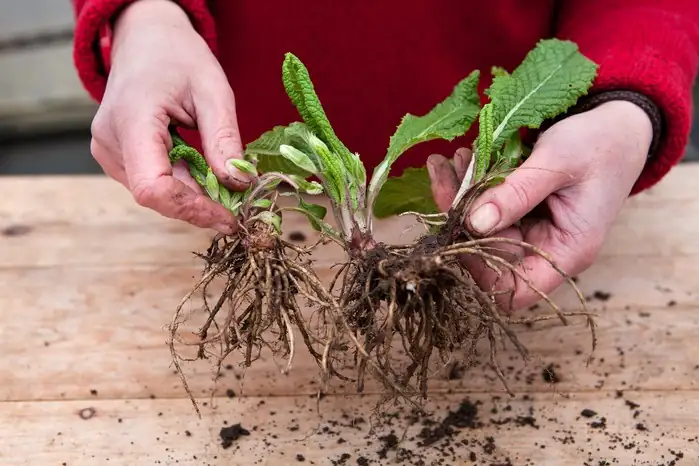
- Slide a fork under the clump, lifting with a generous root ball to avoid tearing. Gently shake or rinse off soil to see the crowns.
- Split the rosette
- Tease crowns apart by hand. Keep well-rooted, younger pieces; discard the woody, exhausted center.
- Trim to reduce stress
- Shorten roots to roughly 10 cm/4 in and clip back large outer leaves. This balances top growth with the smaller root system.
- Rehydrate
- Soak divisions in cool water for 1–2 hours so they replant fully turgid.
- Replant promptly
- Set crowns just at or slightly above soil level in moisture-retentive, well-draining soil enriched with leaf mold/compost. Space 20–30 cm (8–12 in) apart.
- Water-in and shade
- Water thoroughly (a half-strength potash feed is a great start). Keep evenly moist and shaded until new growth shows.
Aftercare
- Keep soil consistently moist, never waterlogged—good drainage prevents crown/root rot.
- In warm areas, provide afternoon shade and cool air; primulas dislike hot, dry conditions.
- Mulch lightly with leaf mold to buffer moisture and keep the root zone cool.
Sowing and stratifying seed (your palette of endless possibilities)
Seed-grown primulas offer genetic variety and vigor. Expect surprises—especially if different species and cultivars flower together and cross.
A word on “true to type”
- Many primulas are heterostylous (pin and thrum flower forms), a clever system that boosts cross-pollination. Translation: open-pollinated seed from mixed beds will rarely match the parent exactly.
- To preserve a variety by seed, isolate plants, hand-pollinate, or grow one form/species at a time. Otherwise, enjoy the serendipity.
When to sow
- Primroses and auriculas (many garden types): Late winter to mid-spring, roughly February–April. A touch of chill often improves germination.
- Cold-germinators (many species lines, candelabras, Primula sieboldii, and other Asiatic/botanical species): Sow late autumn to mid-winter (November–January) and leave trays outdoors to experience natural cold–warm cycles.
- Autumn sowing is possible in mild climates if seedlings have time to establish before hard frost; otherwise grow on in pots over winter and plant out in spring.
Cold stratification options
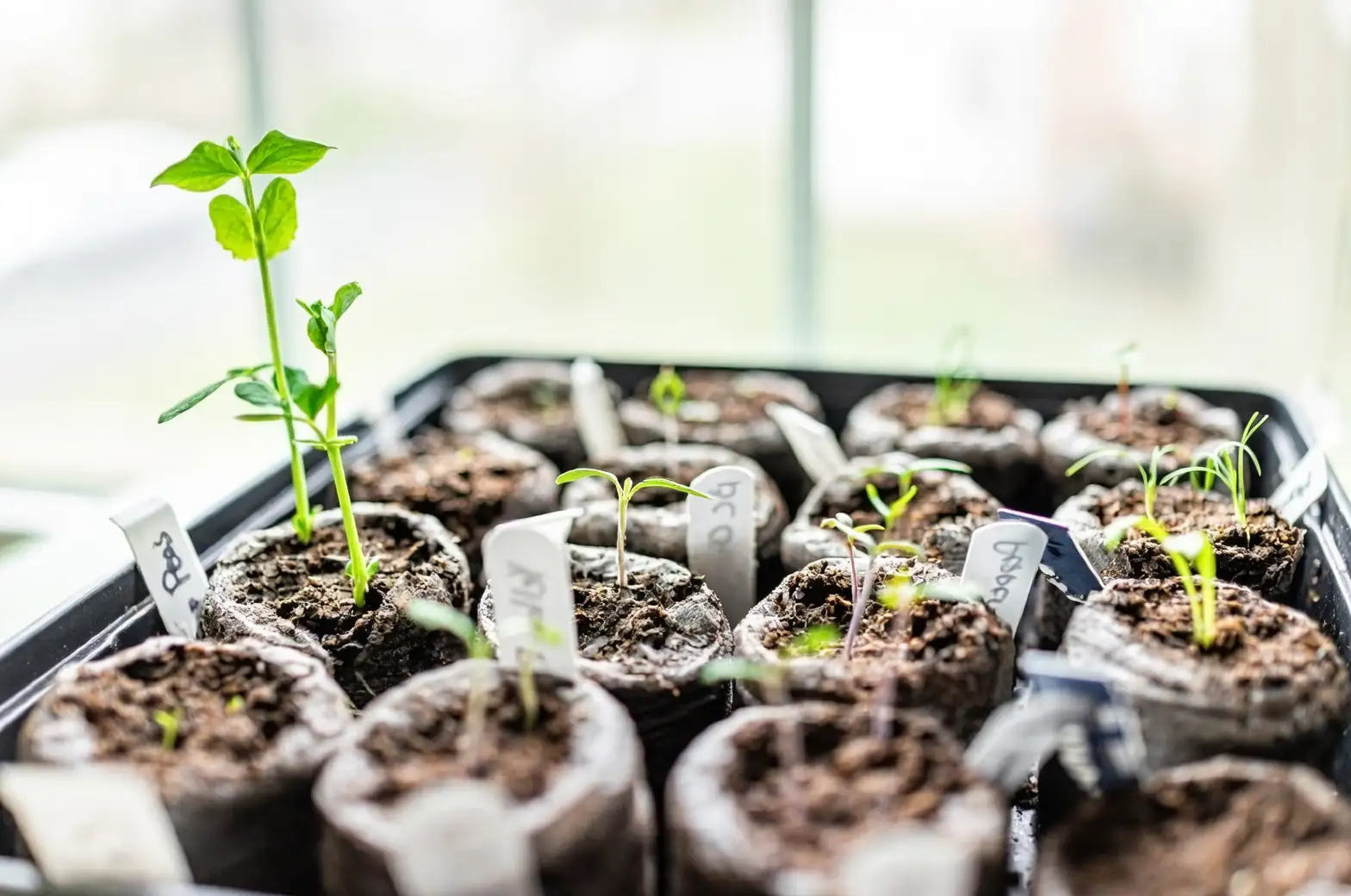
- Outdoor method (ideal for species needing chill): Sow in pots/trays and leave in a sheltered, shaded spot outdoors to catch fluctuating winter temperatures.
- Fridge method (for controlled stratification): After surface-sowing and moistening, seal the pot/tray in a ventilated bag or lidded box and refrigerate—not freeze—at about 1–5°C (34–41°F) for 4–8 weeks. Then move to cool, bright conditions to trigger germination.
How to sow (step-by-step)
- Use a low-salt, gritty seed mix
- Primula seedlings are sensitive to fertilizer salts. Choose a fine yet airy seed compost; lighten with perlite, vermiculite, or fine grit for airflow.
- Surface sow, don’t bury
- Primula seed needs light and air. Scatter thinly on the surface; for slow species or doubles, top with a whisper-thin layer of vermiculite or very fine grit to hold moisture and deter moss.
- Water gently
- Mist or bottom-water to avoid dislodging seed. Keep evenly moist at all times; never let trays dry out.
- Provide cool, bright shade
- Aim for bright but indirect light and cool temperatures; avoid hot windowsills. Outdoors, protect trays from heavy rain and pests.
- Uncover at first signs of life
- Once germination begins, remove any covers; continue steady moisture.
- Prick out and grow on
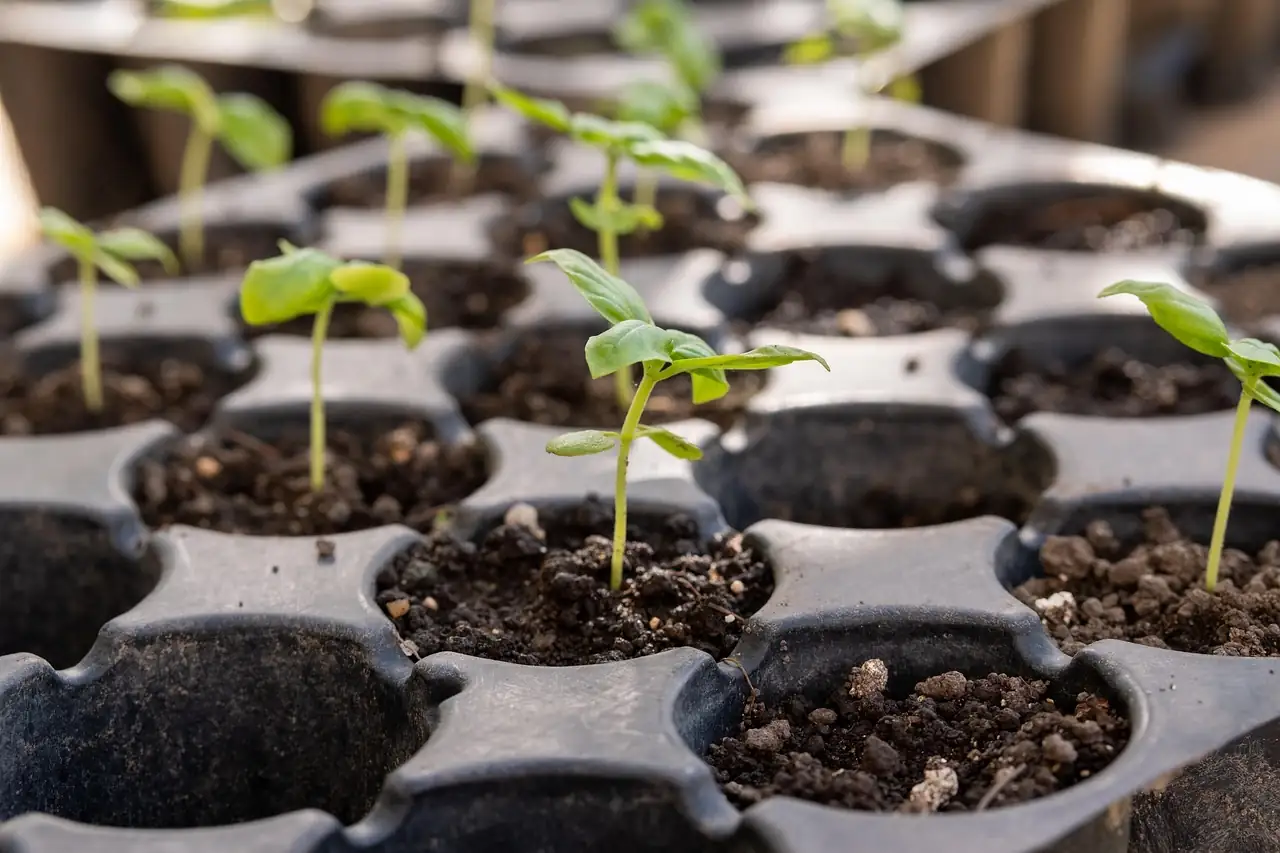
- Transplant at the first true leaf into small modules. Keep cool (ideally 10–15°C / 50–60°F at night), feed very lightly, and don’t crowd.
- Bloom timeline
- Sown by late winter to spring, many will flower the following spring. Autumn/winter-sown species also target a strong spring show once established.
Seed handling and storage
- Fresh is best, but viable seed can be stored for years if kept dry and cool in an airtight container in the refrigerator (not the freezer).
How to keep cultivar traits intact
- Divide, don’t sow: Vegetative division is the surest way to preserve doubles, hose-in-hose forms, unusual eyes, or named polyanthus cultivars.
- Isolate seed parents: If you must raise seed true, isolate the parent plants, bag flowers, or hand-pollinate within the same clone/line to avoid cross-contamination.
- Separate groups in bloom: Don’t let P. vulgaris, P. veris, P. elatior, and candelabras mingle if you want clean seed lines—these readily hybridize.
- Label diligently: Track pin/thrum forms and parentage; rogue out off-type seedlings early.
A year-round schedule for peak spring displays (USDA Zones 3–8)
- Late summer to autumn (August–October)
- Divide crowded clumps; pot auricula offsets.
- Top-dress beds with leaf mold/compost; ensure good drainage before winter.
- Sow species that require cold; set trays outdoors in shaded, secure spots.
- Winter (November–February)
- Keep plants cool and evenly moist; mulch garden clumps in very cold regions.
- Cold-stratify seed indoors if needed. Protect trays from rodents/slugs.
- Late winter to early spring (February–April)
- Surface-sow garden primrose/auricula seed under cool, bright conditions.
- Repot or tidy container plants; begin half-strength liquid feeds every 2 weeks as growth stirs.
- Deadhead early bloomers to extend the show.
- Peak bloom (April–May)
- Maintain consistent moisture; avoid midday sun. Keep deadheading for continuous color.
- Note standout plants for autumn division; tag colors/forms you want to clone.
- Early summer (June)
- If dividing post-bloom in harsher climates, move fast and provide deep shade and even moisture.
- In warm zones, offer afternoon shade and keep roots cool; some primulas slow or go semi-dormant in heat.
- High summer (July–August)
- Nurse spring-divided plants through heat with mulch, shade cloth, and careful watering. In hot-summer regions (Zone 9+), treat many primulas as cool-season performers or grow in the shadiest, coolest microclimates.
Troubleshooting and pro tips
- Crown safety: Plant crowns at or just above soil level. Burying invites rot.
- Water wisdom: Primulas crave constant moisture but never saturation. Improve drainage with grit in heavy soils, and water at soil level to keep leaves dry.
- Heat management: Above about 27°C/80°F, plants stress—shade, mulch, and extra humidity help. Avoid hot, dry indoor air.
- Feeding: Light and regular beats heavy and rare. Half-strength liquid feed during active growth; in-ground plants appreciate a balanced spring and fall feed.
- Pests and diseases: Slugs/snails love tender leaves and buds—use barriers and traps. Watch for aphids, mealybugs, whiteflies; treat early. Good airflow and clean watering habits help prevent botrytis, leaf spot, and root rots.
- Safety note: Primulas can irritate skin and are toxic to pets and people if ingested. Wear gloves when dividing and keep plants out of reach of curious mouths.
Advanced: leaf cuttings and special cases
- Some types can be propagated by leaf cuttings, though success varies by species and it’s slower than division. Take a healthy leaf with a sliver of basal tissue, insert into a sterile, gritty mix, keep cool and just moist, and wait patiently for plantlets.
- Auriculas often produce tidy offsets around the “carrot” root—lift and pot individually in early autumn with added grit and excellent ventilation.
A brief (and honest) note on primrose “flower language”
The name Primula nods to “first” bloom—the promise of youth and renewal. In Victorian floriography, primroses whispered “young love” and even “I can’t live without you.” Beautiful notions—but remember, these meanings were products of a particular time and culture. Today, their truest language is horticultural: a reliable, cool-season welcome that says spring has arrived.
Grow them where the air runs cool and the soil feels like the forest floor—leafy, springy, never stale—and your propagation work will pay you back in rosettes packed tight with color, exactly when the year needs it most.


