

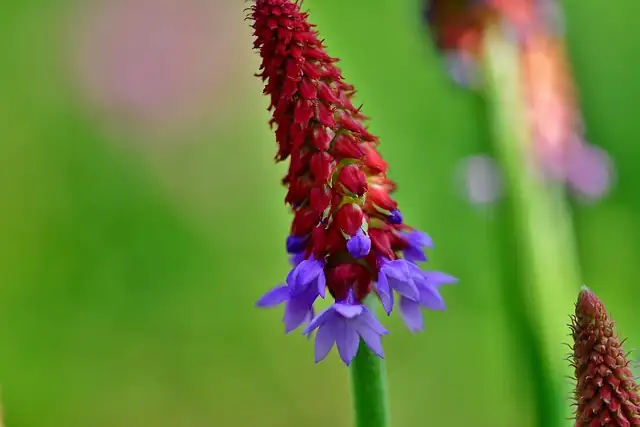
Few plants shout spring as joyfully as primroses. Those candy-colored clusters floating above neat green rosettes are irresistible—and entirely doable—even if you garden where summers sizzle. The trick in USDA Zones 9 and warmer is thinking like a mountain stream: cool roots, gentle light, steady moisture, and a shady siesta when heat peaks. Here’s your practical playbook for helping Primula shine where summers are long and hot.
Why primroses are fussy about heat (and what that means for you)
- What they love: cool days (ideally under 80°F/27°C), crisp nights (50–60°F/10–15°C), bright but gentle light, and consistently moist, humus-rich, slightly acidic soil (pH 5.5–6.5).
- What they dislike: hot, dry air; glaring afternoon sun; and soggy crowns.
- Size and habit: compact rosettes, typically 6–12 in tall and 8–20 in wide, with flower clusters held above the foliage.
- Bloom window: early spring for several weeks; in mild-winter climates they can start in late winter.
- Reality check for Zones 9+: Primula are hardy to roughly Zones 3–8. Above Zone 9, most common types struggle through summer unless you provide significant heat relief. Many gardeners treat them as cool-season annuals for winter-to-spring color.
Shade strategy in hot climates: soften the sun, especially after noon

- Prioritize afternoon shade. Morning sun with bright, dappled light the rest of the day is ideal.
- Site selection:
- East- or north-facing porches and walls.
- Beneath high-canopy trees or large shrubs (camellia, azalea, hydrangea) that filter light.
- The shaded side of taller containers or patio furniture that casts reliable shade.
- Temporary shade tools:
- 30–50% shade cloth placed to block western sun.
- Pop-up plant umbrellas on carts so you can “chase the shade” as the season advances.
- Airflow matters. Shade is cooling only if air can move; avoid stagnant, enclosed corners.
Evaporative cooling and humidity—without inviting rot
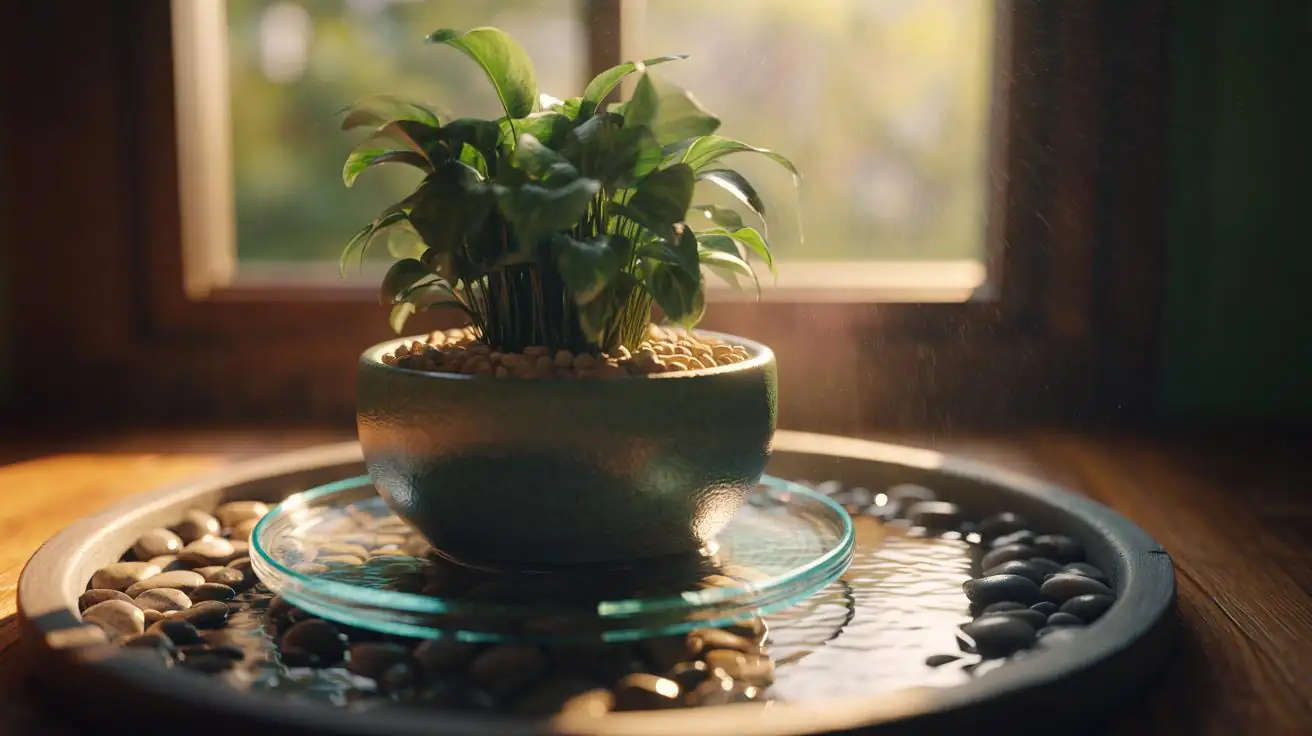
Used thoughtfully, a little evaporation can lower leaf temperatures and make hot afternoons survivable.
- Pebble trays: Set containers on trays filled with pebbles and water; keep pot bottoms above the waterline to avoid soggy roots.
- Double-potting: Slip your primrose pot into a slightly larger, light-colored cachepot. Pack the gap loosely with damp sphagnum or bark and keep it barely moist—instant evaporative jacket.
- Grouping: Cluster pots to create a moister micro-bubble, but maintain a finger’s width between rims for airflow.
- Light mist to the air, not the foliage: If you mist on very hot days, do it early morning so leaves dry quickly. Prolonged leaf wetness in heat encourages botrytis.
- Cool the surroundings: Dampen adjacent gravel, flagstone, or mulch—not the crown—during a heat spike to lower radiant temperature.
Mulches that cool the root zone (and protect the crown)
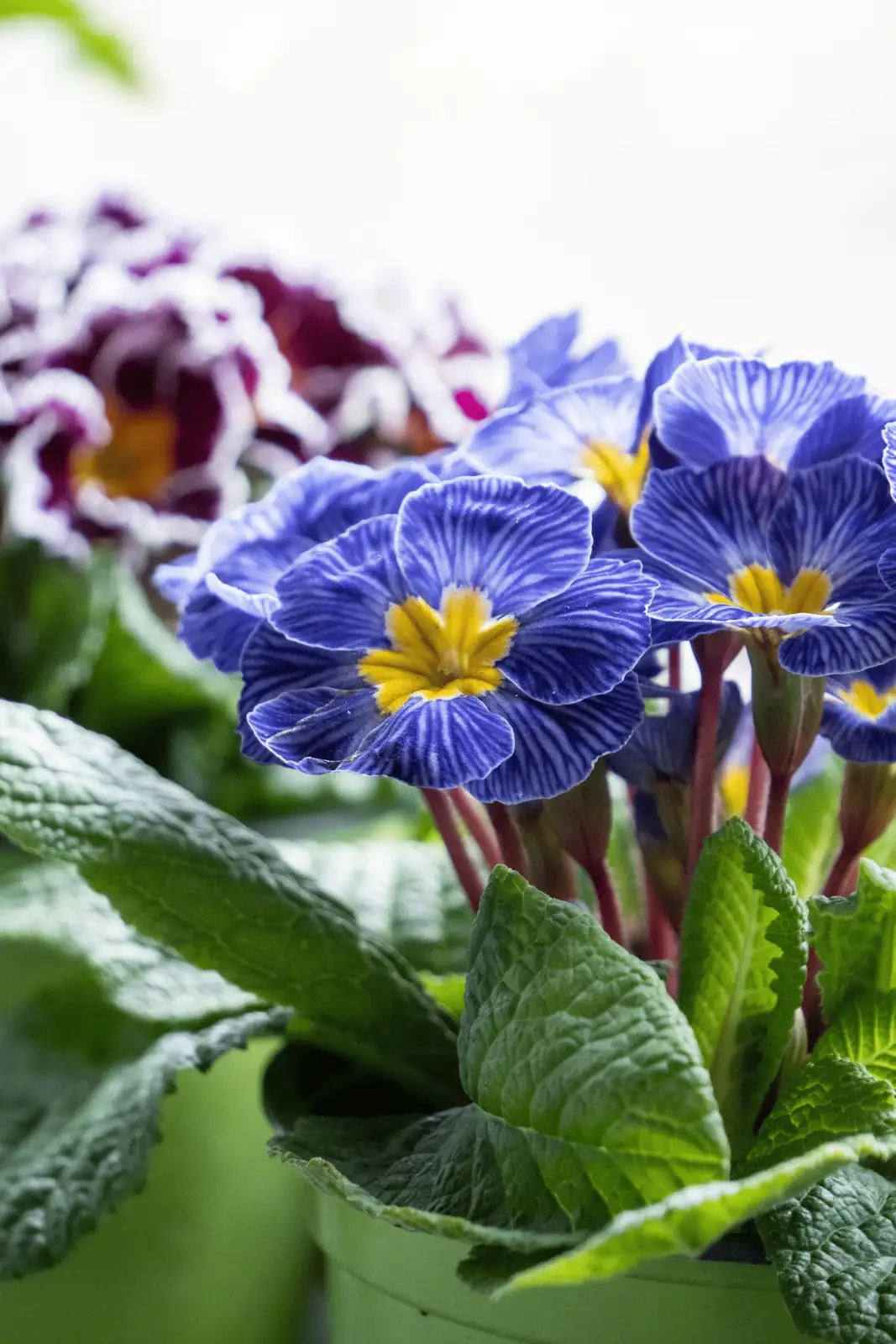
- Best materials: shredded leaf mold, fine composted bark, or pine needles—cooling, moisture-holding, and gently acidic.
- Depth: 2–3 in (5–7.5 cm) over the root zone.
- Crown safety: Leave a 1–2 in (2.5–5 cm) mulch-free ring around the rosette to prevent crown rot.
- Grit collar trick: A ring of coarse horticultural grit or pumice right at the crown sheds splash and discourages rot while the organic mulch cools the rest.
Smarter pots and placement for desert and subtropical patios
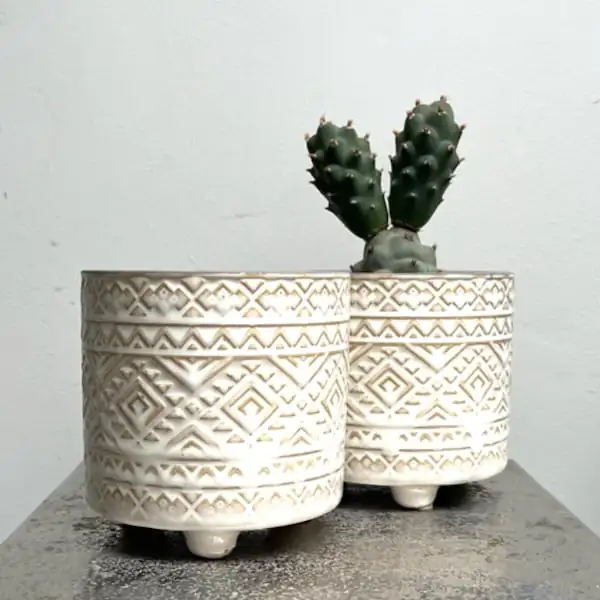
- Container material:
- Light-colored glazed ceramic stays cooler than dark plastic.
- Unglazed terracotta breathes (great for roots) but dries faster—pair it with the double-potting trick above.
- Size: Go for “snug but not cramped.” Oversized pots hold heat and water longer, risking rot; tiny pots overheat and dry too fast.
- Insulate from hot surfaces: Use pot feet to lift containers off baking concrete; tuck them onto shaded benches or under tables.
- Mobile staging: Plant in easy-to-move containers and roll them to cooler spots as seasons switch.
- Avoid heat sources: Hot walls, reflected glare, BBQs, and AC exhaust vents can cook foliage.
Watering and feeding when the mercury climbs
- Moist, never soggy. In-ground, aim for about 1 in (2.5 cm) of water weekly during dry spells; in containers, water when the top 1 in feels dry.
- Timing: Water early morning so leaves dry quickly; on extreme heat days, recheck late afternoon and spot-water soil—not leaves—if needed.
- Drainage is non-negotiable: Amend with leaf mold/compost plus perlite or pumice so water drains yet lingers just enough.
- Fertilizer:
- During active growth and bloom: half-strength liquid fertilizer every two weeks.
- Pause or greatly reduce feeding in peak heat or summer dormancy—roots aren’t taking up much, and excess salts stress plants.
Summer dormancy: what it looks like and how to help
Many primroses slow down or go semi-dormant in hot weather—especially in Zones 9+. It’s not failure; it’s a survival strategy.
- Signs: Fewer flowers, smaller or slightly tatty leaves, slower growth.
- Do:
- Provide deep shade and excellent airflow.
- Keep soil lightly, evenly moist—never bone-dry, never soggy.
- Maintain your cooling mulch and grit collar.
- Deadhead and remove yellowing leaves to improve hygiene and airflow.
- Don’t:
- Divide or repot in peak heat.
- Force growth with fertilizer.
- Overwater a resting plant.
- Wake-up call: As nights cool in fall, resume gentle feeding, refresh the top inch of potting mix with compost, and move back toward brighter light.
When to treat primroses as cool-season annuals (and how to win at it)
In much of Zones 9–11, especially where summer nights stay warm, the simplest path is seasonal color.
- Planting window: Set out nursery plants in fall once nights settle around 50–60°F (10–15°C). They’ll bloom through late winter and spring.
- Where to plant: Containers or shaded beds with rich, well-drained soil and steady moisture.
- Care cadence:
- Keep evenly moist; protect from midday sun.
- Feed lightly while in bloom.
- Deadhead often to extend the show.
- Exit strategy: As consistent daytime highs push above 80°F (27°C), either:
- Retire plants to a deep-shade “summer camp” and see if they limp through dormancy, or
- Compost and replant fresh next fall.
- Bonus option: For a few extra weeks of bloom, bring pots indoors to a cool, bright spot away from heaters and hot, dry drafts.
Your hot-zone month-by-month
- October–November: Buy in bloom (easy color choice). Pot into fresh, humus-rich mix. Stage in morning sun/bright shade.
- December–February: Prime time. Keep evenly moist, deadhead, feed lightly every two weeks.
- March: Watch rising temps; increase shade, keep airflow strong.
- April–May: Shift to the coolest shade you have; start easing off fertilizer.
- June–August: Summer dormancy care—light moisture, no crowding, no root disturbance.
- September: Nights cool. Top-dress with compost, resume gentle feeding, and move back toward brighter light.
Troubleshooting in warm climates
- Yellowing leaves:
- Common causes: overwatering/poor drainage, heat stress, or nutrient issues (e.g., iron deficiency).
- Fix: Check drainage first; let the top inch dry between waterings; feed lightly with a balanced fertilizer; add chelated iron if needed.
- Crispy leaf edges:
- Heat and low humidity.
- Fix: Improve afternoon shade, employ pebble trays/double-pot cooling, and water early in the day.
- Botrytis (gray mold) or crown rot:
- Often from leaf/crown wetness plus heat.
- Fix: Water soil level only, keep crowns unmulched, increase airflow, remove affected tissue promptly.
- Pests:
- Aphids, whiteflies, mealybugs—wash off or use insecticidal soap.
- Spider mites flourish in hot, dry air—raise humidity around plants and rinse foliage early mornings.
- Slugs/snails chew in cool, moist periods—hand-pick, use barriers, or iron-phosphate baits.
Soil recipe for containers that beat the heat
- 40% fine bark or leaf mold (cooling, moisture-holding, and airy)
- 40% high-quality potting mix
- 20% perlite or pumice for drainage
- Optional: a pinch of slow-release balanced fertilizer worked into the top layer (skip during dormancy)
A quick word on varieties
The genus Primula is vast, but in Zones 9+ most commonly sold polyanthus-style primroses perform best as cool-season color. If you attempt summer carryover, give them the full suite of shade, cooling, and careful moisture. For gardens with ponds or consistently cool microclimates, you can experiment cautiously, but expect mixed results once real heat arrives.
Meaning beyond the bloom: what the “language of flowers” says
Primroses have long symbolized youth, first love, hope, and new beginnings—fitting for a flower that pops up when winter still lingers. Victorian floriography even attached the tender message “I can’t live without you.” These associations are cultural, not botanical, but they endure because the plant’s timing—those early, earnest flowers—viscerally signals renewal.
Safety first
Primroses are toxic to humans and pets if ingested, and the sap can irritate sensitive skin. Wear gloves when dividing or deadheading, keep plants out of reach of children and animals, and wash hands after handling.
Bottom line for Zones 9 and warmer
- For effortless success: Grow Primula as a cool-season annual from fall through spring.
- For the challenge: Combine afternoon shade, evaporative cooling, moisture-retentive yet well-drained soil, smart mulching, and patient summer-dormancy care.
Either way, with a few climate-savvy tweaks, you can have that quintessential spring cheer—even where summers turn up the heat.


