

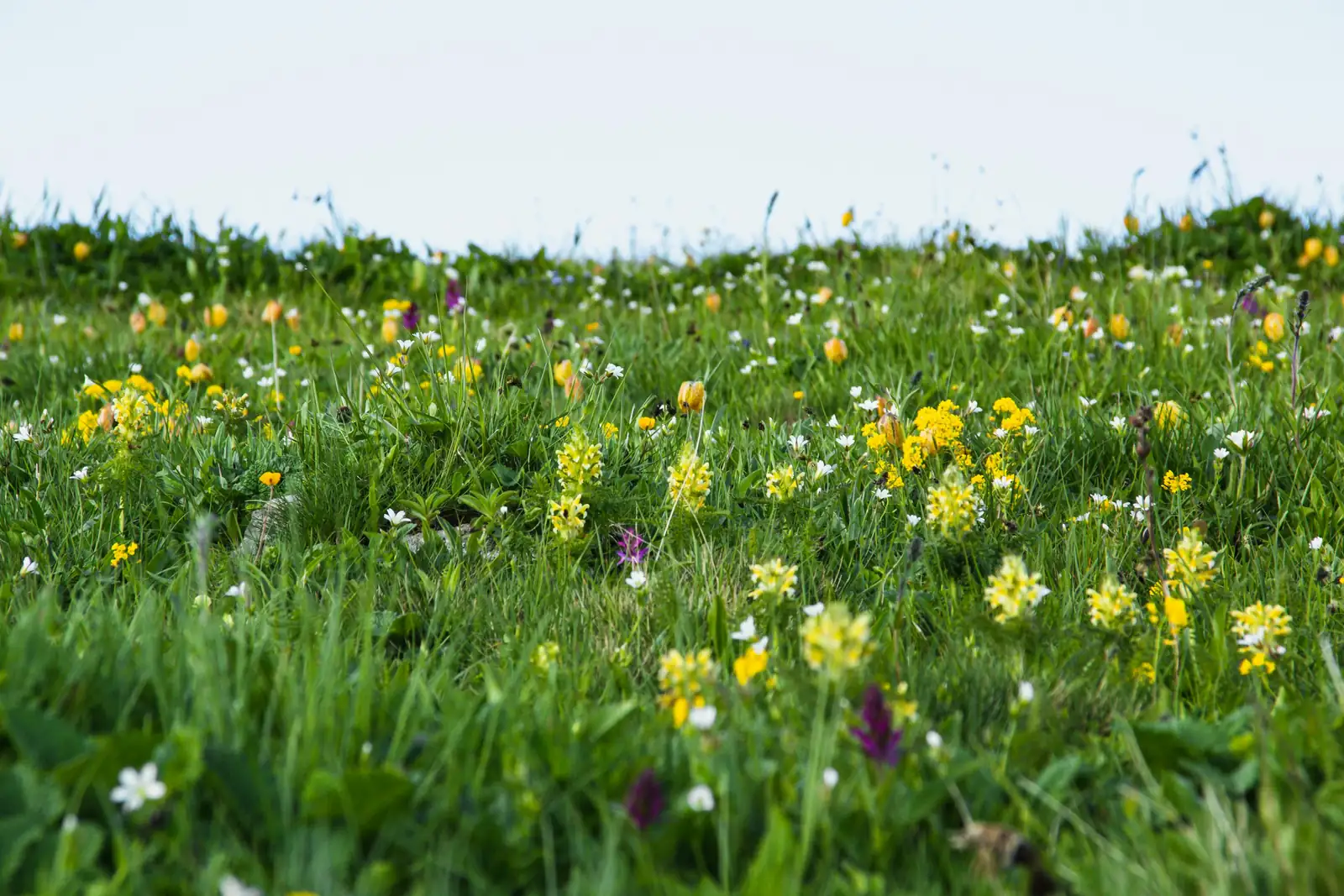
Imagine a plant that packs the sound of snowmelt and birdsong into a rosette of leaves, then tosses up a chorus of jewel-bright flowers just as winter loosens its grip. That’s the primrose—Primula in all its many guises—walking out of mountain mists from Eurasia to North America and straight into springtime folklore, cottage gardens, and our hearts.
Born in the mountains, made for spring
Across the temperate Northern Hemisphere, more than 500 Primula species tuck themselves into cool niches: alpine ledges streaked with late snow, mossy woodland edges, damp meadows where the ground stays spongy and sweet. Many are true mountaineers, particularly abundant across Asian ranges, and they share a signature habit:
- A low, compact rosette of softly crinkled, often evergreen leaves
- Flower stalks that rise in early spring topped with neat clusters (umbels) of five-lobed blooms
- A painter’s palette of colors—lemon and buttercup yellow, raspberry, cherry, apricot, plum, sky-blue, violet, ice-white—often with a bright golden “eye”
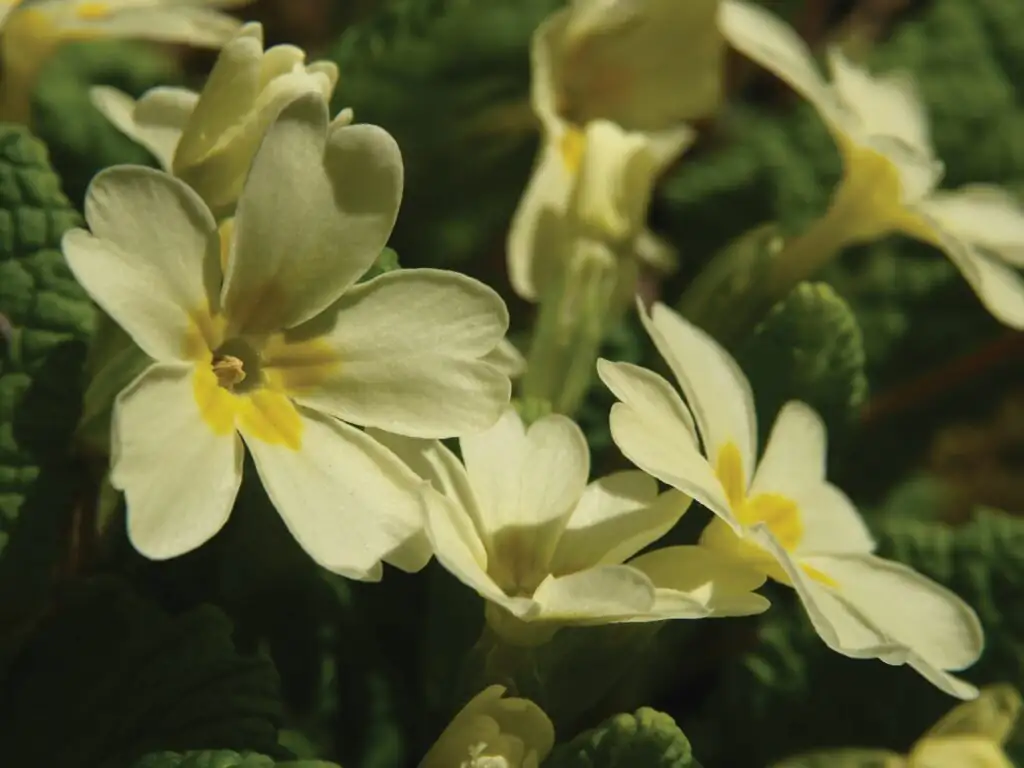
The very name Primula leans into the season: from Latin prima, “first,” as in first on the spring stage. You’ll feel it when they flower—gardens still yawning awake, and there’s Primula, already taking a bow.
Fairy keys, golden eyes, and Primrose Day
Primroses don’t just look like spring; they’ve long been its storytellers.
- Fairy keys: In British and Irish lore, clusters of primroses were “fairy keys” that could unlock hidden doorways. Some tales give that magic to cowslips (a cousin within the Primula clan), which form key-like clusters; either way, both were said to reveal treasure or open the gates of spring.
- Keys of heaven: Another thread in European tradition likens the dangling clusters to the keys of St. Peter—heaven’s doorkeeper—again echoing themes of unlocking and renewal.
- Primrose Day: Every April, primroses once appeared by the armful on doorways and memorials in Britain to honor the Victorian statesman Benjamin Disraeli, who loved them. Primrose Day became an emblem of memory and affection just as primroses themselves became shorthand for spring devotion.
From wildlings to showstoppers: the polyanthus revolution
Walk from a mossy bank sprinkled with pale wild primroses into a cottage garden frothing with vivid clumps, and you’ll notice the leap. That leap has a name: polyanthus.
- What is polyanthus? It refers to a broad group of Primula hybrids (often written as Primula × polyantha) that combine the charm of wild species like the primrose, cowslip, and oxlip into many-flowered, boldly colored strains. “Poly-” for many and “-anthus” for flowers: the name says it all.
- The cottage garden takeover: Starting centuries ago and accelerating through the 19th and 20th centuries, breeders selected for bigger clusters, stronger stems, richer colors, and longer bloom. Soon, spring bedding schemes and cottage borders were ablaze with polyanthus primroses—velvety gold-laced forms, bicolors with inky rims, scarlet and purple rosettes with brilliant eyes, and soft pastels humming along shady paths.
- Why they won hearts: Polyanthus hybrids are sturdy in cool weather, flower generously, and hold their color well in dappled shade. They bridge the gap when winter wanes and summer still holds back—exactly the window gardeners most crave.
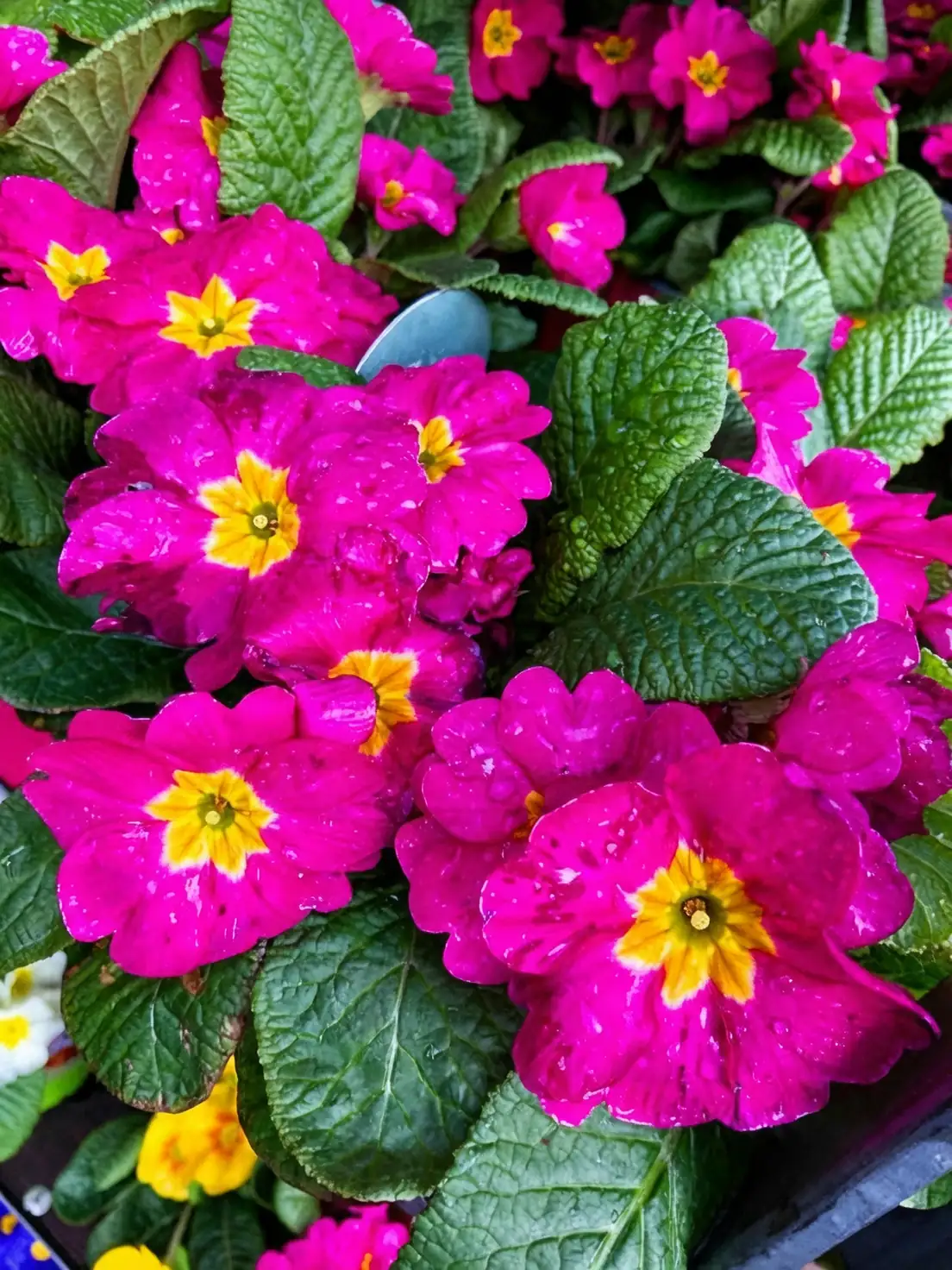
A quick portrait of Primula
- Size: Typically 15–30 cm (6–12 in) tall, spreading 20–50 cm (8–20 in)
- Habit: Low-growing, clumping perennials forming compact rosettes
- Foliage: Dark green, oblong to oval, gently toothed, often attractively wrinkled
- Flowers: Umbel-like clusters on sturdy stems, each bloom about 2.5 cm (1 in) wide; colors span the spectrum with a classic yellow center
- Season: Early spring for several weeks, with cool, moist conditions extending the show
Where they thrive (and why)
Think like a mountain: cool, bright, and moist—but not waterlogged.
- Light: Partial shade to full shade; more sun in cool climates, afternoon shade in warmer areas
- Temperature: Cool is key—about 10–15°C (50–60°F) at night, below 27°C (80°F) by day
- Humidity: Moderate to high, with evenly moist air and soil
- Soil: Rich in organic matter (leaf mold, compost), well-drained yet moisture-retentive; slightly acidic, pH 5.5–6.5
- Hardiness: USDA Zones 3–8 (some species to Zone 2); above Zone 9 they often fade without cool relief
Settings they love:
- Woodland gardens and under deciduous trees
- Shaded borders with spring bulbs
- Rock gardens with steady moisture
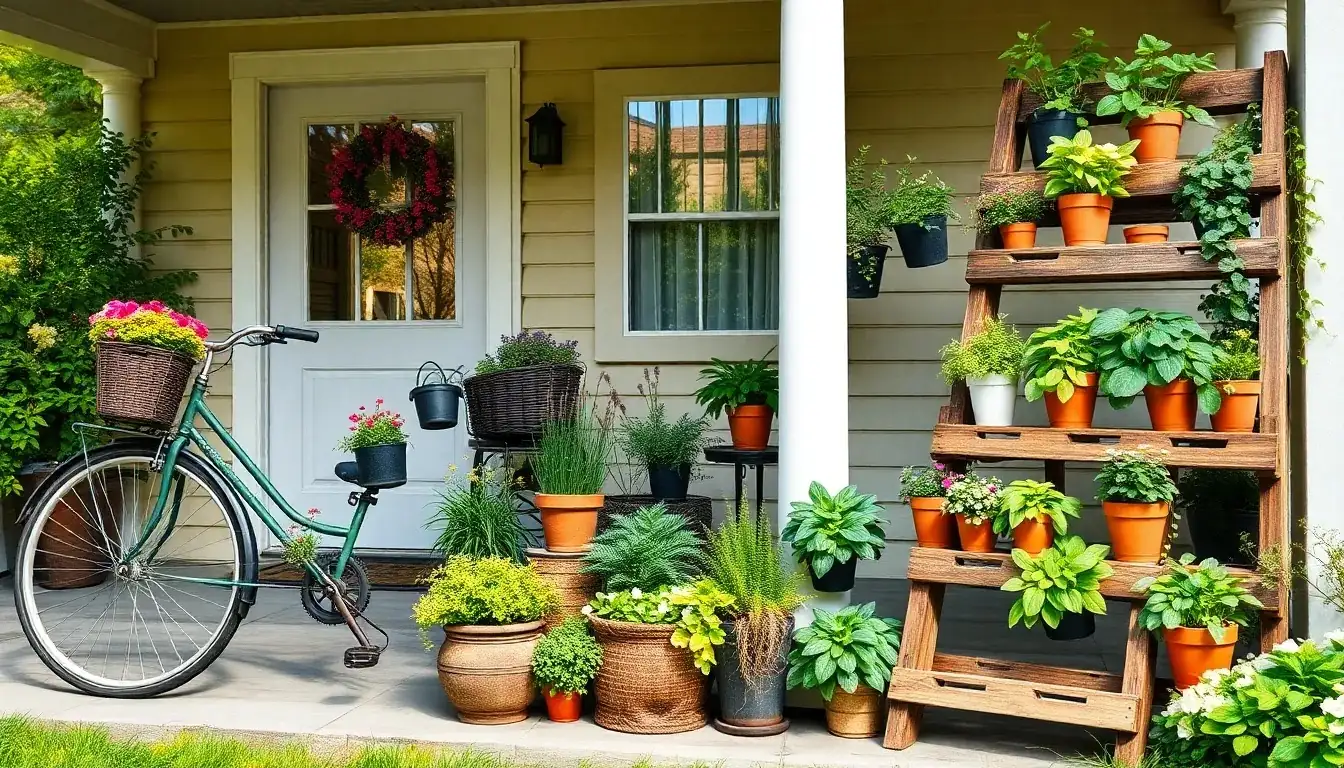
- Containers for a front-door fanfare
- Cool, bright indoor spots while in bloom
The secret love story inside a flower: pin and thrum
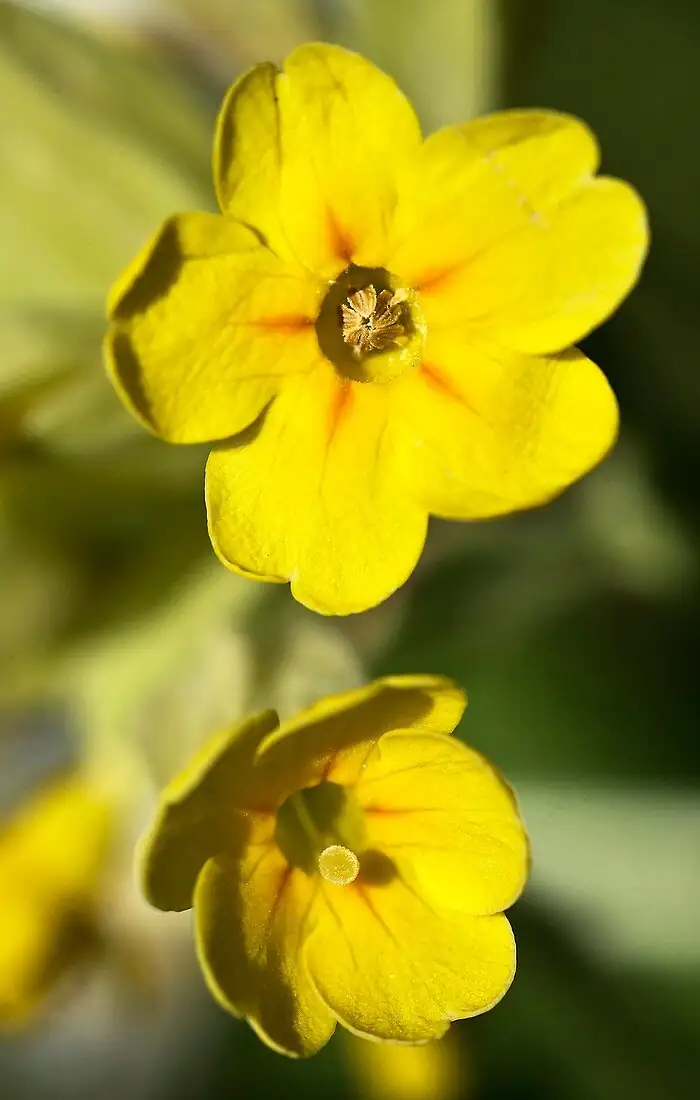
Many primroses practice heterostyly—two flower forms that encourage cross-pollination:
- Pin flowers have a prominent style (female part) and hidden stamens
- Thrum flowers hide the style and show the stamens
Only pin-to-thrum (and thrum-to-pin) pollination yields seed. It’s an elegant system that preserves genetic variety—a botanical love story engineered for spring bees.
Grower’s guide: easy to moderate, if you keep it cool
- Watering: Keep soil consistently moist, never soggy. In-ground plants need about 2.5 cm (1 in) per week during dry spells. In containers, water when the top 2.5 cm (1 in) feels dry.
- Feeding: Half-strength liquid fertilizer every two weeks during growth and bloom; in beds, a balanced feed in spring (and again in fall) is plenty. Containers appreciate the regular, gentle approach.
- Deadheading and grooming: Snip spent flowers to prolong bloom and prevent energy drain to seed. Remove yellowing leaves for tidiness and airflow.
- Division and renewal: Divide crowded clumps in early spring or fall to refresh vigor and multiply favorites. Named hybrids stay true by division.
- From seed: Sow in late winter; patience pays off. Cool temps are important for germination and early growth.
- Containers: Refresh soil annually; divide or repot to prevent root binding.
Care through the seasons
- Spring: Peak performance—keep moisture steady, feed lightly, deadhead often.
- Summer: Shade and coolness; some types may slow down or semi-dorm. In heat-prone climates, move containers to the coolest, shadiest nook.
- Fall: Divide older clumps, top-dress with compost, reset for next spring.
- Winter: Mulch in cold regions; indoors, keep plants cool with bright, indirect light and away from heaters.
Cottage-garden companions and design notes
- Pair with: Snowdrops, pulmonarias, violets, hellebores, early ferns, and small bulbs (muscari, crocus). Their rosettes create a soft stage for frillier neighbors.
- Color play: Lean into contrasting “eyes.” A violet polyanthus with a gold eye pops beside limey heucheras or variegated ivy.
- Moist corners: Candelabra primroses love damper ground, even near ponds; drumstick primrose is a stalwart for colder zones.
Pests, problems, and how to dodge them
- Pests: Aphids, mealybugs, whiteflies; in hot, dry stress, spider mites. Outdoors, slugs and snails are unabashed admirers.
- Diseases: Leaf spot, powdery mildew, botrytis (gray mold), and root rots (including phytophthora) in soggy soils.
- Prevention:
- Water at soil level in the morning; avoid crown sogginess
- Space plants for airflow; tidy away spent leaves
- Use sharp drainage and rich but not heavy soils
- Hand-pick slugs or use barriers; introduce beneficial insects where feasible
Safety first
Primroses are toxic to people and pets (including cats and dogs). The sap can irritate sensitive skin. Keep them out of reach of children and animals, and wash hands after handling.
Flower language: first love and the courage to begin
In Victorian floriography, primrose spoke of young love and the ardent pledge “I can’t live without you.” Why? Its timing. Primula doesn’t wait for balmy days; it risks bloom in the year’s chill, becoming a symbol of hope, innocence, and the brave heart of beginnings. Folklore crowned it with keys that unlock new worlds; gardeners know it unlocks the gardening year itself. The message feels timeless: renewal isn’t a guarantee—it’s a choice to show up early and color the gray.
Species and styles to know
- Polyanthus primroses (hybrids): The cottage workhorses—many-flowered, richly colored, tidy clumps for borders and pots.
- Candelabra types: Tiered whorls of blooms on tall stems; happiest in moist soil.
- Drumstick primrose (Primula denticulata): Spherical “drumstick” blooms; notably cold-hardy, even to USDA Zone 2.
- Auriculas (Primula auricula and close kin): Powder-dusted leaves and opulent flowers; beloved by collectors.
- Woodland primroses (various species and hybrids): Soft-leaved charmers for shady beds under deciduous trees.
How polyanthus conquered spring
- Breeding goals: More flowers per stem, sturdier bloom stalks, saturated color, clear “eyes,” and resilient foliage
- Garden impact: Reliable, long-lasting color in cool spells when other plants hesitate
- Cultural moment: From Victorian bedding schemes to modern porch pots, polyanthus became the shorthand for a lavish, cheerful spring—classic cottage style without fuss
Quick FAQ
- Are primroses annuals or perennials?
- Perennials by nature, returning yearly where summers aren’t scorching. In hot zones they’re often treated as cool-season annuals.
- Where do they grow best?
- Cool, moist, lightly shaded spots with humus-rich, well-draining soil—think woodland edges or bright shade containers.
- How can I keep them blooming longer?
- Even moisture, protection from heat, gentle feeding, and prompt deadheading.
- Can I grow them indoors?
- Yes—cool rooms (around 10–15°C / 50–60°F), bright indirect light, and no hot drafts.
- Why are the leaves turning yellow?
- Usually overwatering or poor drainage, heat stress, or a nutrient issue (like iron deficiency). Check moisture and drainage first, then adjust feeding.
A final walk in the hills
If you’ve ever crested a damp, cool ridge in early spring and found a clutch of primroses glowing like little lanterns, you know their spell. From mountain ledges to folklore’s hidden doors, and from hedgebanks to cottage steps, Primula has always held the keys to spring—quietly unlocking color, hope, and the pleasure of beginnings, one golden-eyed flower at a time.


