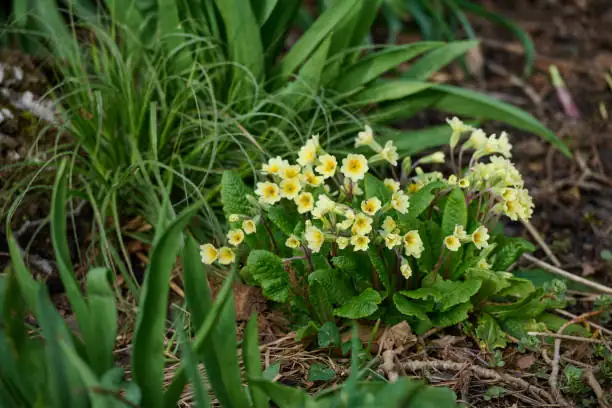
Primroses (Primula spp.) are the confetti of spring—bright, early, and impossible to ignore. But the same cool, moist, dappled conditions they adore also invite a handful of pests and diseases. This troubleshooting guide walks you through fast ID, smart prevention, and both organic and chemical options for the most common culprits: slugs, aphids, spider mites, botrytis (gray mold), leaf spot, and root/crown rot.
Start here: a quick, prevention-first game plan
Primula are happiest cool, evenly moist, and never waterlogged. Good culture prevents most headaches.
- Site and soil
- Partial to full shade; protect from harsh midday sun.
- Moisture-retentive yet well-draining, humus-rich soil; slightly acidic (pH 5.5–6.5).
- Plant crowns at soil level; avoid burying the rosette.
- Watering and airflow
- Keep consistently moist but not soggy. In the ground, ~2.5 cm (1 in) per week in dry spells.
- Water early in the day at soil level; avoid persistent wet foliage.
- Space plants and regularly remove yellowing leaves and spent blooms to boost airflow.
- Temperature and humidity
- Cool conditions favored; spider mites thrive in hot, dry air—primroses don’t.
- Cleanliness
- Disinfect reused pots, use fresh mix in containers, and keep debris off the crown.
- Regular checks
- Inspect undersides of leaves, growing points, and soil surface weekly, especially in greenhouses or indoor displays.
—
PESTS
Slugs and snails
The spring buffet bandits.
- How to spot it
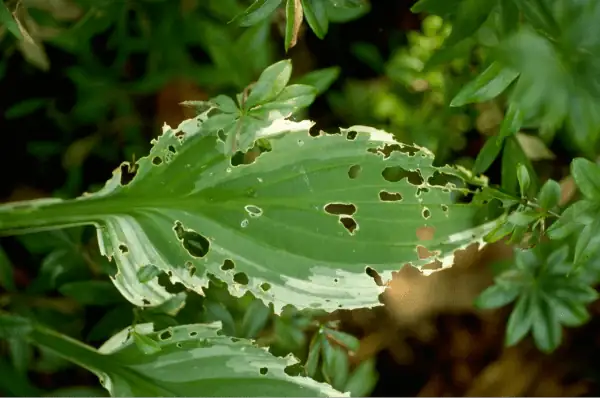
- Irregular ragged holes in leaves/flowers; silvery slime trails, most noticeable after damp nights.
- Why Primula gets it
- Tender new spring growth + cool, moist beds = irresistible.
- Prevention
- Keep mulch light around crowns; tidy leaf litter.
- Use physical barriers around pots/beds: copper tape/bands, sharp grit, or a thin ring of petroleum jelly on pot rims (reapply often).
- Water in the morning; avoid creating an overnight slug spa.
- Organic fixes
- Hand-pick at dusk with a flashlight.
- Beer traps or inverted grapefruit rinds; empty frequently.
- Iron phosphate baits (pet- and wildlife-safer); scatter per label.
- Chemical options
- Avoid metaldehyde baits where pets/wildlife are present. If used, follow labels scrupulously and place in bait stations.
Aphids (greenfly, whitefly included)
Sap-suckers that arrive with spring.
- How to spot it
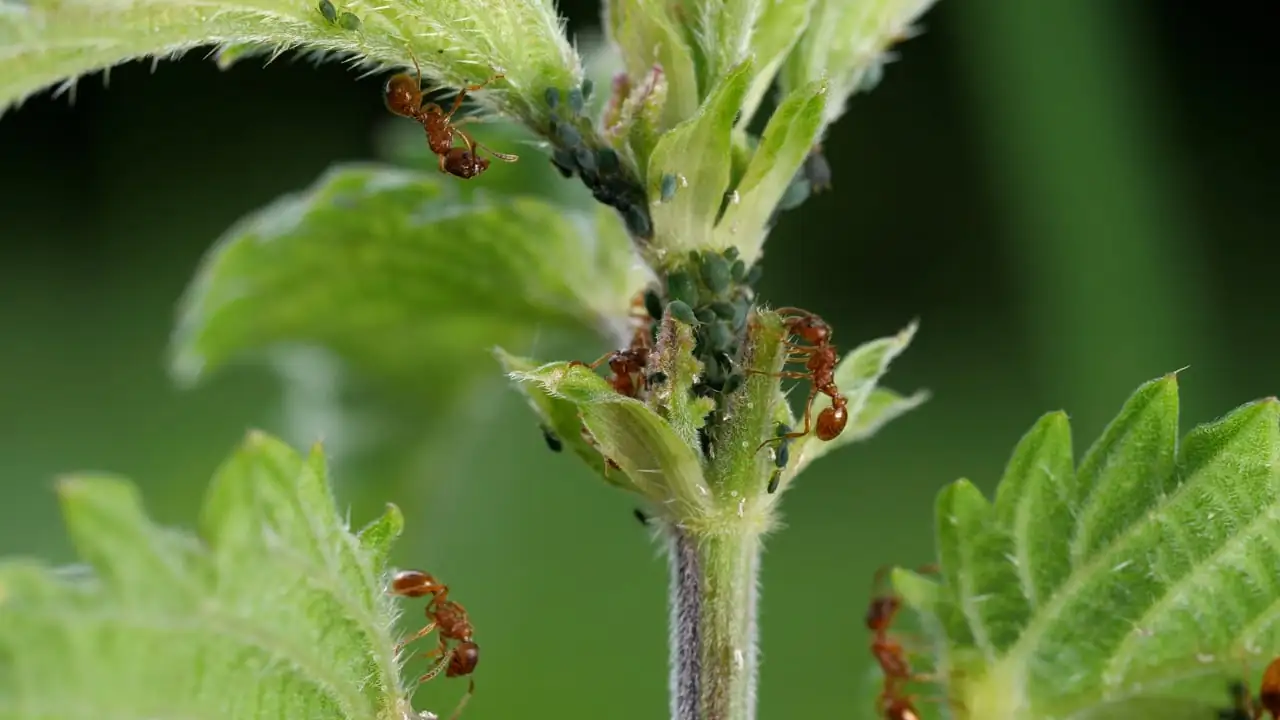
- Clusters of soft-bodied insects on buds and undersides of leaves; sticky honeydew; ants farming them; distorted new growth.
- Why Primula gets it
- Lush, cool-season growth is prime feeding; colonies can explode under glass/indoors.
- Prevention
- Encourage natural enemies (lady beetles, lacewings).
- Keep weeds down and avoid excess nitrogen flushes.
- Ventilate greenhouses; don’t crowd containers.
- Organic fixes
- Strong water spray to dislodge.
- Insecticidal soap or horticultural oil/neem oil; thorough coverage of undersides; repeat 5–7 days as needed.
- Chemical options
- Systemic or contact insecticides labeled for ornamentals (e.g., pyrethrins or others). Rotate modes of action; protect pollinators by treating at dusk and never on open blooms.
Spider mites
A hot, dry stress problem—think summer or overheated rooms.
- How to spot it
- Fine stippling/bronzing, dry-looking leaves, and delicate webbing in leaf axils; shake test over white paper to spot moving specks.
- Why Primula gets it
- Dry air and warmth; low humidity indoors or in greenhouses.
- Prevention
- Keep primroses cool; raise humidity around plants (without wetting foliage overnight).
- Rinse foliage periodically in warm seasons; avoid drought stress.
- Organic fixes
- Horticultural oil or insecticidal soap; repeat at 5–7 day intervals to catch hatchlings.
- Introduce predatory mites in greenhouses (e.g., Phytoseiulus persimilis).
- Chemical options
- Use a miticide labeled for spider mites on ornamentals if needed. Avoid repeated broad-spectrum insecticides that can kill beneficials and flare mite outbreaks.
—
DISEASES
Botrytis blight (gray mold)
The fuzzy gray spoiler of cool, humid springs.
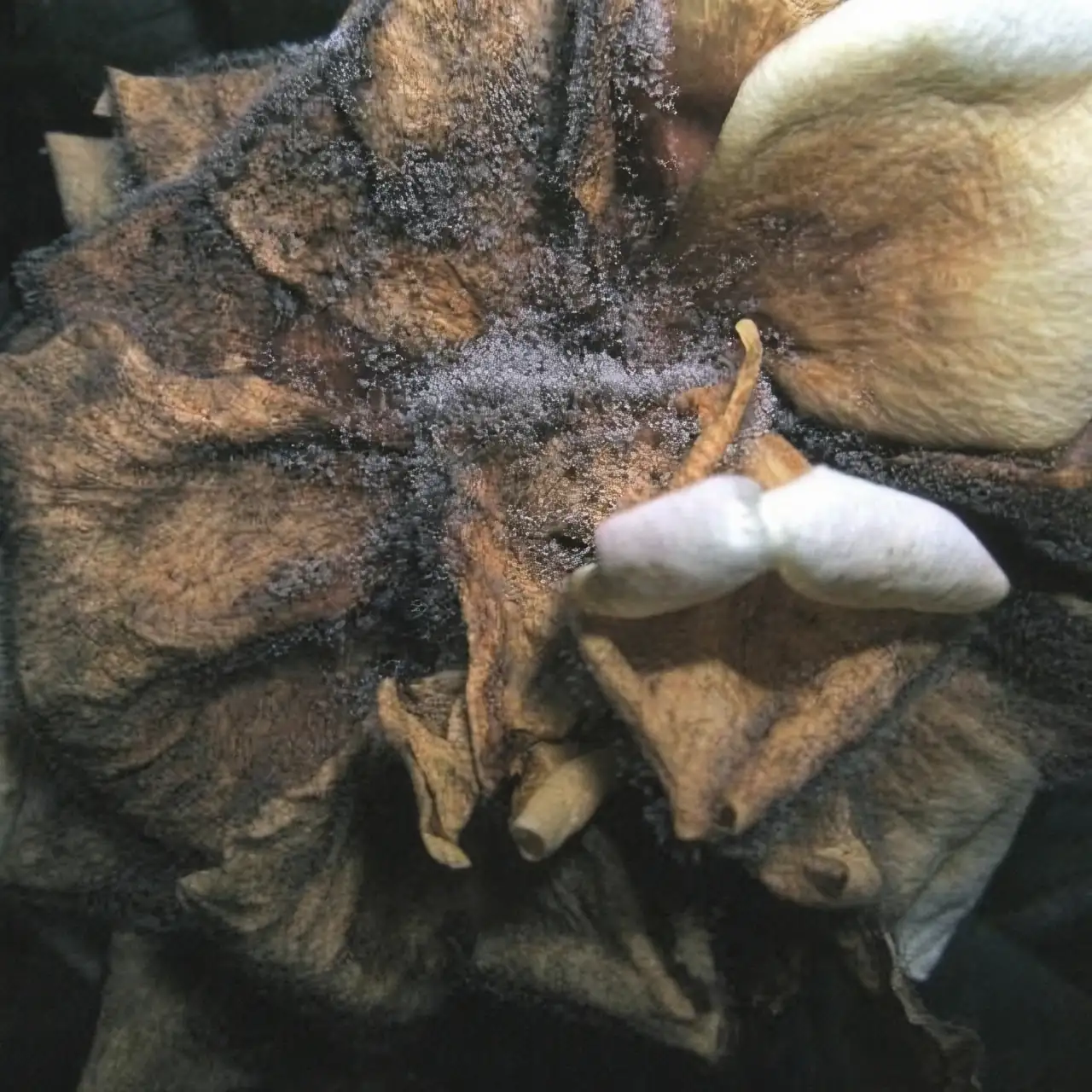
- How to spot it
- Water-soaked or brown flecks on petals/leaves; a soft rot topped with fuzzy gray mold, especially on spent blooms and crowded rosettes.
- Why Primula gets it
- Cool, moist air and poor airflow; overhead watering late in the day; dead petals left on the crown.
- Prevention
- Deadhead promptly; remove senescing/yellow leaves.
- Space plants, ventilate cold frames/indoors.
- Morning, ground-level watering; keep crowns clean and dry.
- Organic fixes
- Sanitation first. Consider biofungicides (e.g., Bacillus or Trichoderma-based products) preventively.
- Chemical options
- Apply a labeled fungicide for Botrytis on ornamentals at first sign; rotate modes of action to prevent resistance. Follow re-entry and pre-harvest (if applicable) intervals.
Leaf spot (fungal or bacterial complex)
Freckles that can coalesce in damp shade.
- How to spot it
- Round to irregular tan/brown spots, often with yellow halos; shot-holing when dead tissue drops out.
- Why Primula gets it
- Persistent leaf wetness, crowded rosettes, overhead irrigation.
- Prevention
- Increase spacing and airflow; water at soil level; avoid wetting leaves late day.
- Remove affected leaves; clean tools between plants.
- Organic fixes
- Sanitation and cultural correction usually curb outbreaks.
- Preventive biofungicides may help in humid periods.
- Chemical options
- Use a broad-spectrum fungicide labeled for leaf spot on ornamentals. Copper-based products can help with bacterial involvement; test on a small area to avoid phytotoxicity.
Root and crown rot (often Phytophthora/Pythium)
The silent killer that mimics drought—while soil is wet.
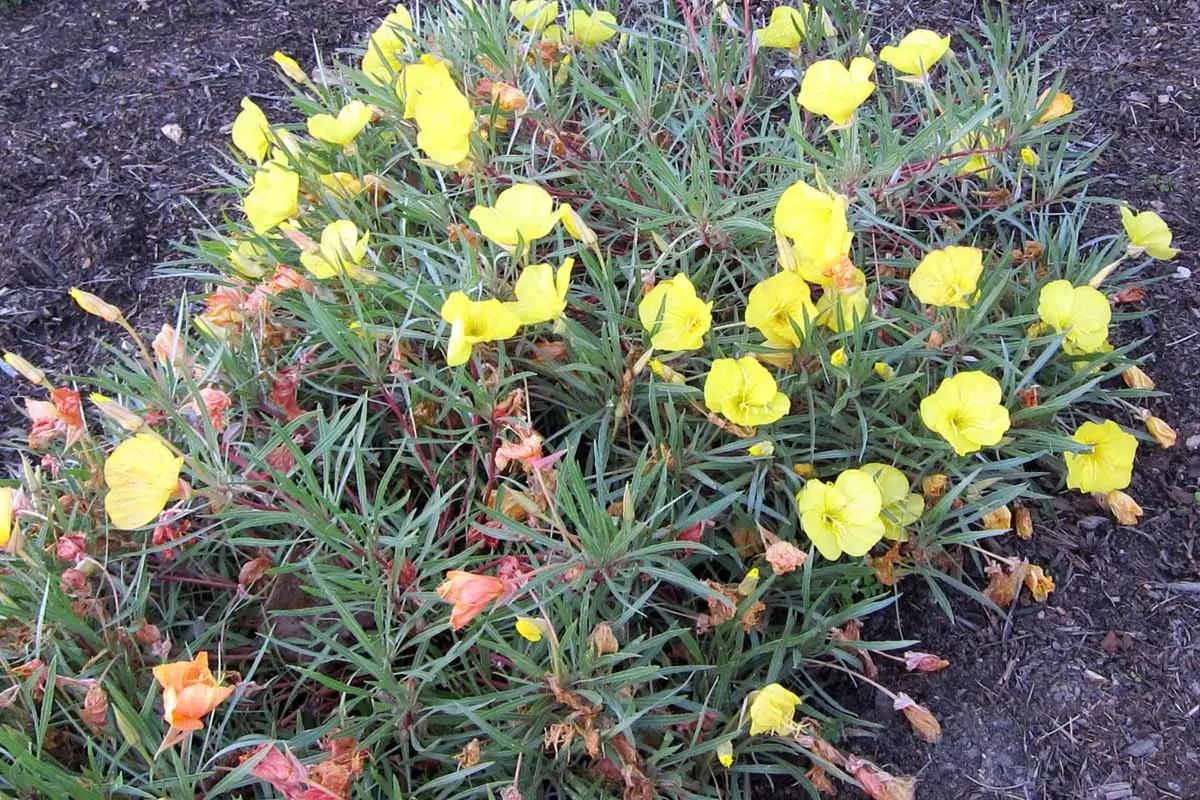
- How to spot it
- Wilting/collapse despite moist soil; brown, mushy roots/crown; sour smell; leaves yellow then flop.
- Why Primula gets it
- Waterlogged or compacted soil, poor drainage, planting too deep, saucers left full under pots.
- Prevention
- Use moisture-retentive but free-draining mixes; never let containers sit in runoff.
- Water when the top 2.5 cm (1 in) is dry in pots; mulch lightly, not over crowns.
- Divide congested clumps (fall or early spring) to rejuvenate and improve airflow.
- Organic fixes
- Immediately unpot, trim to healthy tissue, and replant in fresh, draining mix if caught early.
- Incorporate biologicals (Trichoderma spp.) as preventives.
- Chemical options
- Phosphite (phosphorous acid) drenches or other fungicides labeled for Phytophthora/Pythium on ornamentals may help preventatively or at first symptoms. Severe cases are best discarded—with soil—into the trash.
—
A note on “bonus” troublemakers
- Vine weevil (especially in pots): Adults notch leaf edges; cream, C-shaped grubs eat roots and can cause sudden collapse. Tip out suspect pots, destroy grubs, replant in fresh mix; use traps for adults and, where permitted, beneficial nematodes (Steinernema spp.) as a late-summer drench.
- Mealybugs and whiteflies: Occasionally occur under glass; treat like aphids with soaps/oils.
- Critters: Birds or mice may sample flowers; use cloches or netting if needed.
—
Indoors, under glass, and in containers: extra care
- Ventilate often; avoid heat buildup.
- Space plants so rosettes don’t touch.
- Sterilize reused pots and refresh soil yearly; divide container primroses to prevent root binding and rot.
- Scout twice weekly—pests and Botrytis can escalate fast in enclosed, humid spaces.
—
Fast ID cheat sheet
- Chewed, ragged holes overnight + slime trails: Slugs/snails.
- Sticky leaves, curled tips, clusters of soft bodies: Aphids.
- Fine speckling, dry look, light webbing in axils in heat: Spider mites.
- Fuzzy gray growth on spent blooms/leaves in cool damp: Botrytis.
- Brown/tan leaf freckles with yellow halos: Leaf spot.
- Sudden wilt with wet soil; brown mushy roots/crown: Root/crown rot.
—
Organic vs chemical: how to choose wisely
- Start with culture and sanitation; most primrose problems fade with corrected watering, spacing, and cleanup.
- Use organic/contact options first (hand-picking, traps, soaps/oils, iron phosphate, biofungicides).
- Reserve chemicals for persistent or severe issues. Always:
- Verify the product is labeled for the pest/disease and for ornamental use.
- Follow label rates, timing, and protective equipment.
- Treat at dusk and avoid spraying open blooms to protect beneficials and pollinators.
- Rotate modes of action to prevent resistance.
—
Safety note
Primrose (Primula spp.) is toxic to humans and pets if ingested, and the sap can irritate sensitive skin. Wear gloves when deadheading or dividing, keep plants and all baits/chemicals out of reach of children and animals, and wash hands after handling.
—
Keep them glowing, not groaning
Think of Primula care as a balance: cool roots, gentle shade, steady moisture, free-draining soil, and tidy rosettes. With those basics in place—and this troubleshooting guide at hand—your primroses can breeze through spring with crisp foliage and clean, colorful blooms.