
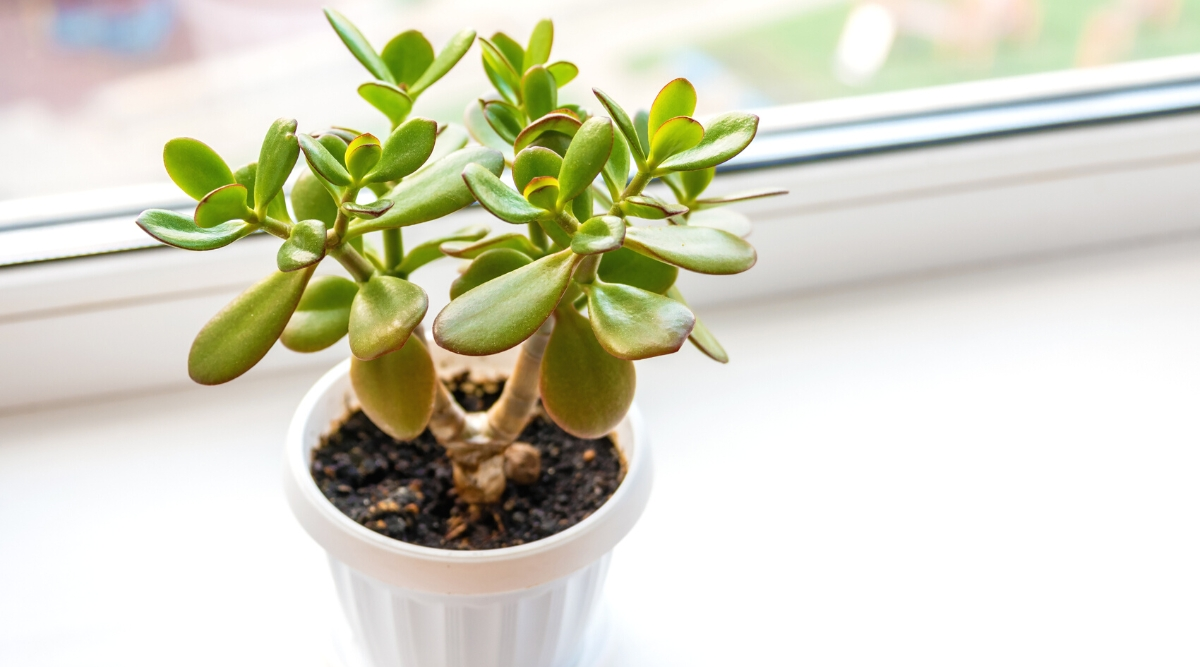
Imagine your jade plant as a tiny, tree-shaped camel: it stores water, loves sun, and prefers crisp, dry air. When it sulks—stretching, drooping, or dropping leaves—it’s almost always telling you about light, water, or temperature. Use this fast decision tree to diagnose what’s wrong in under two minutes, then apply the simple fixes to get Crassula ovata back to glossy, plump perfection—and even set it up for winter blooms.
The 60‑second pre-check
- Light: Is it getting at least 4–6 hours of strong light daily?
- Soil: Is the mix fast-draining (cactus/succulent blend or potting mix amended with perlite)?
- Pot: Does the container have a drainage hole? Is water ever left sitting in a saucer?
- Season: It’s thirstier in spring/summer; much drier in fall/winter.
- Temperature: Indoors 18–24°C (65–75°F) is ideal. Cool winter nights around 13°C (55°F) are fine, but cold snaps near 10°C (50°F) or lower are risky.
The fast decision tree (light, water, temperature, bloom)
1) Light deficits: is your plant getting enough?
Start here if you see any combo of:
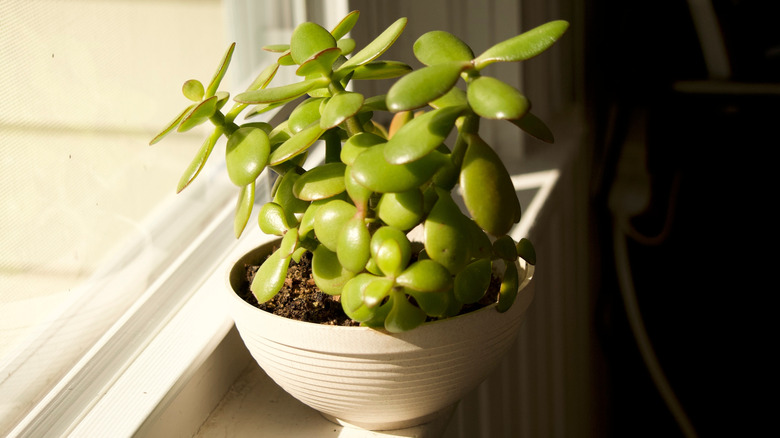
- Stretched, leggy stems with wide gaps between leaves
- Leaning toward a window; leaves stay plain green with little red edging
- Slow, weak growth; few new leaves
If yes, fix light now
- Upgrade the seat: South- or west-facing window is ideal. Give 4–6+ hours of strong light; mature jades enjoy some direct sun.
- Acclimate to sun: Move closer to the window over 7–10 days to avoid sunburn.
- Rotate: Quarter-turn weekly for even growth.
- Prune back stretch: In early spring, cut leggy stems to a side branch to encourage bushier regrowth.
- Optional summer move: Outdoors in bright shade/filtered sun (acclimate gradually).
If no, light is likely fine—continue to water and temperature checks.
2) Watering stress: over or under?
Quick feel test
- Insert a wooden skewer or finger deep into the mix. Dry from top to bottom? Or still moist halfway down?
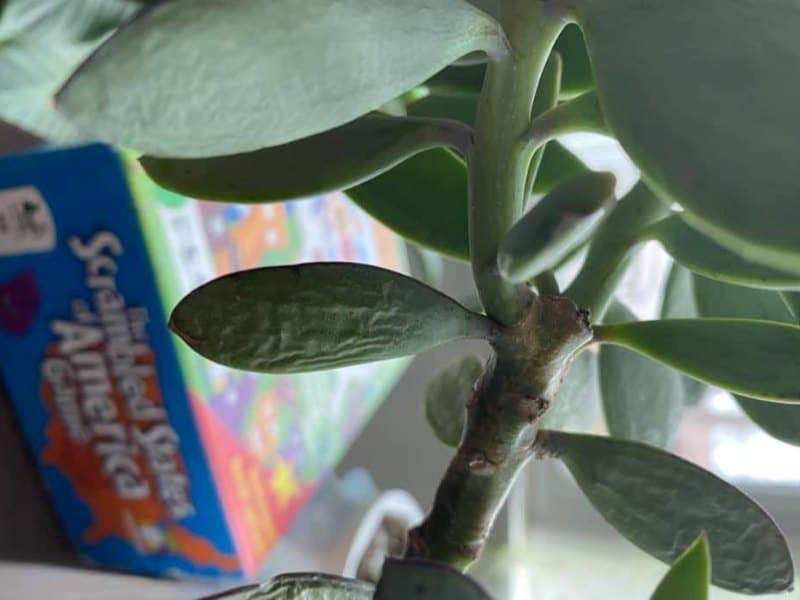
A) Bone-dry mix + wrinkled/shriveled but still firm leaves = underwatering
- Simple fix:
- Give a thorough soak until water drains freely; dump the saucer.
- Resume a “soak and dry” rhythm: water only when the mix is fully dry again. In spring/summer this can be weekly or less; in fall/winter often once a month or less.
- Increase light (if possible) to speed recovery and prevent excess moisture lingering.
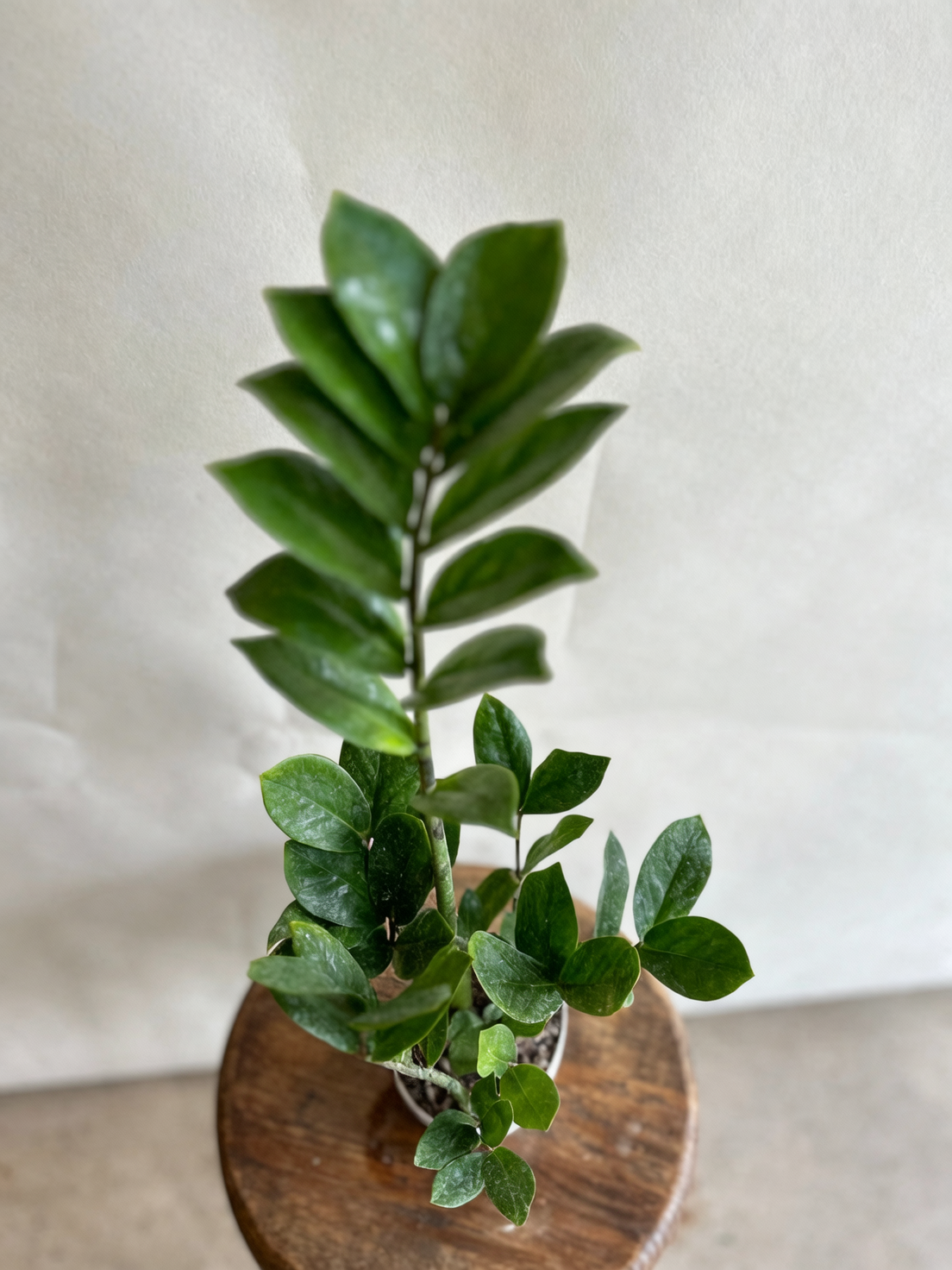
B) Soil stays wet for days + soft, mushy, yellowing leaves or sudden leaf drop = overwatering
- Rescue protocol:
- Unpot gently and inspect roots. Trim off brown, mushy sections.
- Repot into fast-draining soil: cactus/succulent mix, or make your own with about 2:1 potting mix:perlite for better airflow.
- Use a pot with a drainage hole; never leave water in a saucer.
- After repotting: wait about 1 week before watering; 1 month before fertilizing.
- Going forward: water deeply, then let the mix go completely dry before the next drink.
Pro tips to nail the rhythm
- Heavier pot or leaves slightly less glossy? Time to check soil.
- Try not to splash water on leaves, and avoid “sips”—jades prefer a proper soak followed by a real dry-down.
3) Temperature dips and drafts: was there a recent chill?
Look for:
- Recent cold nights by a window or door; blasts from AC
- Sudden, unexplained leaf drop following a weather shift or a move
If yes, warm it up (gently)
- Keep steady days at 18–24°C (65–75°F).
- Cool nights around 13°C (55°F) are okay and even helpful in winter—but avoid cold blasts and protect from temperatures near 10°C (50°F) or below.
- Move off chilly windowsills at night in winter, and away from heat vents that can desiccate leaves.
- If you summer your jade outdoors, bring it in before nights approach 10°C (50°F), and acclimate to indoor light.
If no, temperature’s likely not the culprit—return to light/water assessment.
4) Bloom triggers: want winter flowers?
Jade plants bloom most readily when mature and given a hint of winter.
- The trigger recipe (fall into winter):
- Very bright light daily
- Shorter days: avoid bright artificial light at night so it senses the season
- Cooler nights around 13°C (55°F)
- Drier schedule: water sparingly after the mix is fully dry
- Snug roots help: a slightly root-bound plant often blooms better
- Pause fertilizer in fall/winter
- Expectation setting:
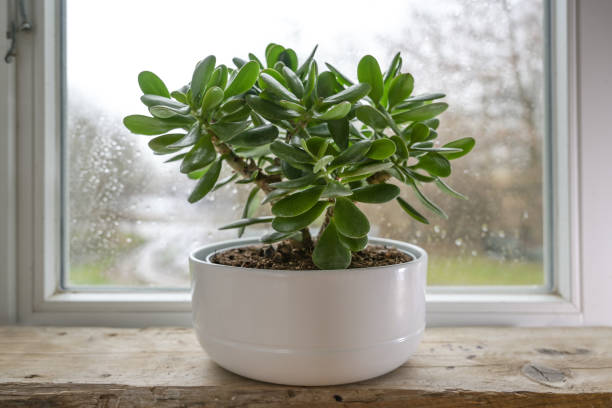
- Flowers are small, starry white to soft pink—and lightly sweet-scented—appearing in rounded clusters in winter when conditions line up.
Quick-fix playbooks
Light upgrade (no grow light needed)
- Best spots: south- or west-facing windowsills, bright kitchen counters, or sunny office desks near a window.
- Sun-kissed edges: Red leaf margins in strong light are normal and handsome.
Watering made foolproof
- Spring/Summer: water deeply, then wait for a complete dry-down (often weekly or less).
- Fall/Winter: slow way down—only after the mix is fully dry, often once a month or less.
- Always empty saucers; never keep roots standing in water.
Soil and pot that save you from rot
- Mix: cactus/succulent blend or 2:1 potting mix:perlite for speedier drainage.
- Pot: drainage hole required; unglazed clay helps the mix dry faster.
- Repotting: every 2–3 years for youngsters; 4–5 years for mature plants. Repot in early spring; wait a week to water and a month to fertilize after.
Feeding, pruning, and shaping
- Feed lightly in spring/summer every 2–4 weeks using a diluted cactus/succulent or balanced houseplant fertilizer. Water first, then feed. Stop in fall/winter.
- Prune in early spring: cut to a side branch to encourage a bushier, stronger, bonsai-friendly silhouette. Cuts callus fast; new growth follows in warm, bright conditions.
Pest patrol (fast, hands-on fix)
- Usual suspects: mealybugs, scale, aphids, spider mites.
- Spot treatment: dab pests with a cotton swab dipped in rubbing alcohol; repeat weekly until gone. Improve airflow and light to discourage re-infestation.
Red flags decoded at a glance
- Wrinkled, slightly soft but not mushy leaves: thirsty—soak, then dry fully.
- Mushy leaves or stems; soil lingers wet: overwatered—rescue and repot into faster-draining mix.
- Sudden leaf drop after a weather change: temperature/draft stress—stabilize temps.
- Stretched stems, sparse leaves: low light—move to a sunnier window and prune.
- Fine cottony tufts in leaf nooks: mealybugs—alcohol swab treatment.
- Red leaf edges: normal response to strong light.
Bloom mode mini‑timeline
- Late summer/early fall: Stop fertilizing. Keep very bright light. Begin slightly longer dry periods.
- Fall into winter: Allow cool nights around 13°C (55°F), keep days bright, avoid nighttime artificial light, and water sparingly.
- Winter: With maturity and the above cues, look for starry white-to-pink clusters and a sweet scent.
- Early spring: After bloom, resume normal watering and light feeding as growth restarts.
Safety and placement notes
- Mildly toxic if chewed by cats, dogs, or horses; can cause vomiting or lethargy. Keep out of reach. Sap may irritate sensitive skin.
- Prefers dry air; typical indoor humidity is perfect.
A note on symbolism and “flower language”
- The jade plant is cherished as a living emblem of prosperity, friendship, and longevity—hence nicknames like Money Plant and Lucky Plant. In feng shui, it’s often placed in the southeast “wealth corner” of homes or offices. While these traditions aren’t botanical science, they reflect how people read virtue and endurance into a plant that can thrive for decades and even bloom in winter with the right care. If there’s a “language” here, it’s resilience: sturdy stems, stored water, and steady growth that reward patience and consistency.
Snapshot: what “right” looks like
- Light: 4–6+ hours of strong light; some direct sun for established plants
- Water: soak and dry; much less in winter
- Temperature: 18–24°C (65–75°F) by day; cool nights around 13°C (55°F); protect near 10°C (50°F) and below
- Soil: fast-draining succulent mix; pot with drainage
- Routine: prune in early spring; feed lightly spring/summer; rest drier in fall/winter
Follow the decision tree, make one targeted change at a time, and your jade will repay you with firm, glossy leaves, a sturdy mini‑tree form—and, with a nudge from cool, bright winters, those lucky, starry winter blooms.