

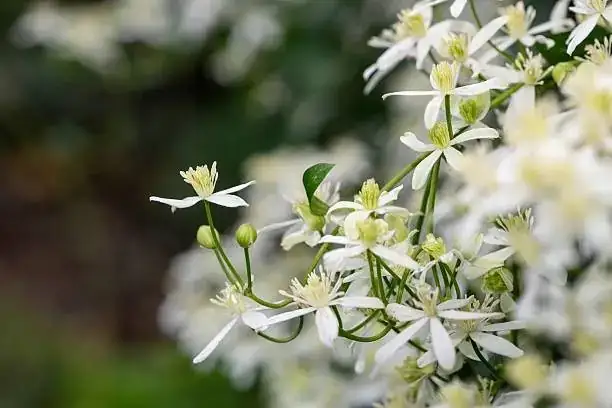
If you’ve ever watched a clematis scale a trellis—each stem reaching, each bloom unfurling like a star—you’ve already felt why people have read meaning into this vine for centuries. The “Queen of Climbers” doesn’t just decorate a garden; it writes a message. In the 19th century, that message was codified in language‑of‑flowers books, then carried across oceans and translated into East Asian 花语. Today, it still whispers the same ideas at life’s milestones—weddings, graduations, new beginnings—only now with extra nuance in color.
What follows is the story of those meanings, how they traveled, and how to use clematis to say exactly what you mean.
Origins: How a climbing vine earned its Victorian meanings
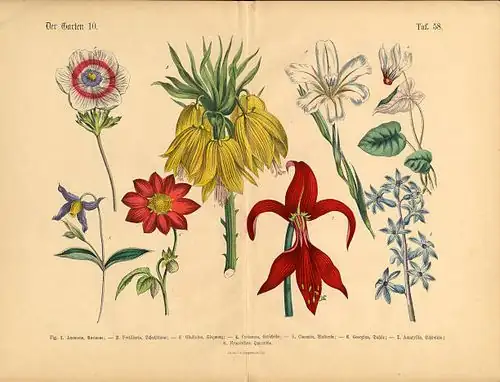
- The floriography craze: In the early–mid 1800s, Europe adored floriography—pocket dictionaries that assigned sentiments to flowers for courtship and social ritual. Influential titles such as Charlotte de la Tour’s Le Langage des Fleurs (1819) and later English handbooks popularized the practice of “speaking” with bouquets.
- The clematis entry: As lists stabilized, clematis gathered a consistent cluster of ideas—mental beauty, cleverness, ingenuity, and upward aspiration. The logic was visible: a vine that climbs (aspiration), twines with strategic finesse (ingenuity), and dazzles the eye (beauty of mind as well as form).
- Names that shaped the story: Common names added color to the code. Traveller’s Joy (Clematis vitalba) evoked wayfaring delight along hedgerows; Old Man’s Beard described the feathery seedheads; Queen of Climbers spoke to elegance and stature. Each nickname nudged readers toward respect, admiration, and the sense of a journey—intellectual as much as physical.
- Horticulture fed the metaphor: As clematis entered European gardens in the 18th–19th centuries, breeders introduced show‑stoppers—most famously ‘Jackmanii’ in 1862—fueling a clematis craze. The plant’s etymology, from the Greek klēma (vine or tendril), reinforced the image of a graceful, goal‑bent climber. The more people saw it drape arches in white, pink, red, purple, and blue stars, the more “mental beauty” and “admiration” felt natural.
From floriography to 花语: meanings in motion across East Asia
Clematis is native to temperate regions of the Northern Hemisphere and reaches peak diversity in East Asia—especially China and Japan—so when Victorian meanings began circulating, they met an already appreciative audience.
- Japan’s hanakotoba moment: As Western botanical texts and cultural ideas flowed into Japan in the late 19th century, hanakotoba (花言葉) absorbed and refined select associations. For clematis, “mental beauty” and admiration aligned seamlessly with local aesthetics that prize inner refinement as much as outward bloom.
- China’s flower language (花语): In China, where many clematis species originate and the vine has long been cultivated, modern 花语 blended indigenous sensibilities with globally shared floriography. Meanings such as a “beautiful heart,” purity of intent, ingenuity, and high‑minded aspiration took hold—ideas that feel tailor‑made for a plant that climbs steadily toward light while keeping its roots cool and grounded.
- Why the fit felt so natural: Clematis literally enacts the values it symbolizes. Gardeners often summarize its ideal culture as “head in the sun, feet in the shade,” a living metaphor for lofty intellect anchored by calm, modest roots.
Color layers: fine‑tuning the message
Victorian handbooks and modern 花语 both play with color to sharpen intent. With clematis’ broad palette, you can say more by shade:
- White: a pure heart, sincerity, innocence; perfect when you want the emphasis on inner goodness and clear intention.
- Purple: admiration and dignity; a gracious way to honor someone’s achievements or character.
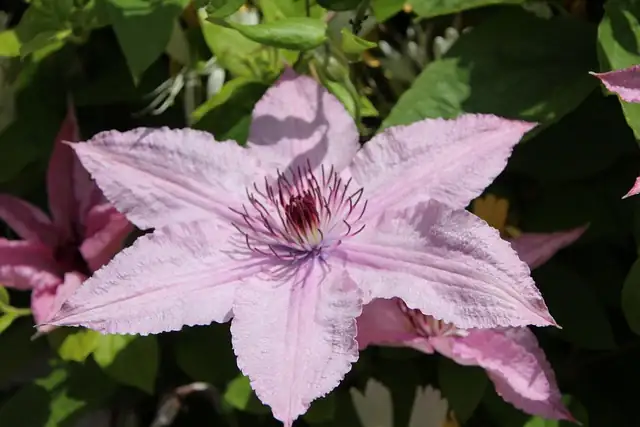
- Pink: joyful admiration and warm affection; celebratory and effusive without tipping into excess formality.
Note: Many clematis flowers are technically petal‑like sepals, which often carry subtle veining or two‑tone effects—detail that can add quiet emphasis to your chosen message.
Gift‑giving in practice: weddings, graduations, and beyond
Clematis shines in celebrations where intellect, character, and aspiration are front and center.
Weddings
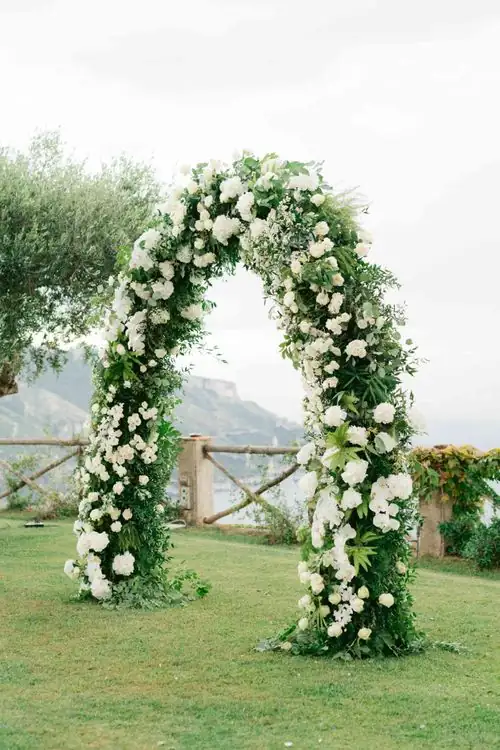
- White clematis for vows and arches: Use white, starry blooms to suggest a pure heart and sincere partnership. Trailing vines soften structures and visually “weave” two paths into one.
- A pairing with meaning: Thread clematis through roses or weave it along an arbor—its climbing habit paints a picture of shared ascent and mutual support.
- Keepsake planting: Gift the couple a potted clematis to plant at home. As it scrambles up a trellis year after year, it becomes a living anniversary marker of steady, upward growth together.
Graduations and academic milestones
- Purple for admiration: A bouquet or potted clematis in purple congratulates intellect, achievement, and dignity—exactly the Victorian note of “mental beauty” brought into the present.
- Pink for joyful applause: When the mood is celebratory and warm, pink says “we admire you” with extra delight.
- A vine with a vision: Because clematis literally climbs, it’s a natural emblem for the next step—graduate school, a first job, or a fresh venture.
Other thoughtful occasions
- New roles and promotions: Choose purple to honor responsibility and leadership; add a handwritten note linking the flowers’ upward reach with the recipient’s goals.
- Housewarmings: A compact, container‑friendly clematis promises seasons of color and the pleasure of training a living sculpture.
How to select and present clematis meaningfully
- Choose forms with intention: Large, saucer‑shaped blooms read as bold tributes; small, bell‑like flowers can feel more contemplative or poetic.
- Consider longevity: A potted clematis offers seasons of bloom with the right support and care—water evenly, keep roots shaded and cool, and give bright light for the top growth.
- Add a note that decodes your bouquet: “Clematis for mental beauty and aspiration; white for a pure heart” makes the symbolism explicit and memorable.
A brief botanical backdrop (that enriches the symbolism)
- Who she is: Clematis (Clematis spp.), in the buttercup family (Ranunculaceae), is a mostly woody, twining‑petiole climber. Many garden types are perennials with dramatic, petal‑like sepals in white, pink, red, purple, and blue; some are compact for pots, others roam 6–12 ft (1.8–3.7 m) or far more with support.
- Where she’s from: Temperate Northern Hemisphere, with the greatest diversity in China and Japan—one reason East Asian 花语 feels so at home with the genus.
- Why the show is unforgettable: Some groups bloom in early spring, others in summer through autumn; contrasting stamens and, in many selections, intricate central structures make the flowers read like living emblems. No surprise they became a visual shorthand for admiration and refined intellect.
Safety note for gifting
- Clematis sap can irritate sensitive skin, and ingesting plant parts may upset people or pets. Gift responsibly, and include a friendly “look, don’t nibble” tag if pets or young children are around.
Why clematis keeps “speaking”
There’s a rare harmony when a plant’s growth habit, history, and cultural journey reinforce the same message. Clematis climbs with quiet determination, dazzles without shouting, and returns each season to reach a little higher. In 19th‑century Europe, that looked like mental beauty and ingenuity. In East Asian 花语, it became a beautiful heart and high‑minded aspiration. In modern gift‑giving, it’s admiration—purple and dignified—or a pure‑hearted promise in white.
Whichever shade you choose, clematis makes a vow of its own: to keep lifting eyes—and spirits—upward.


