

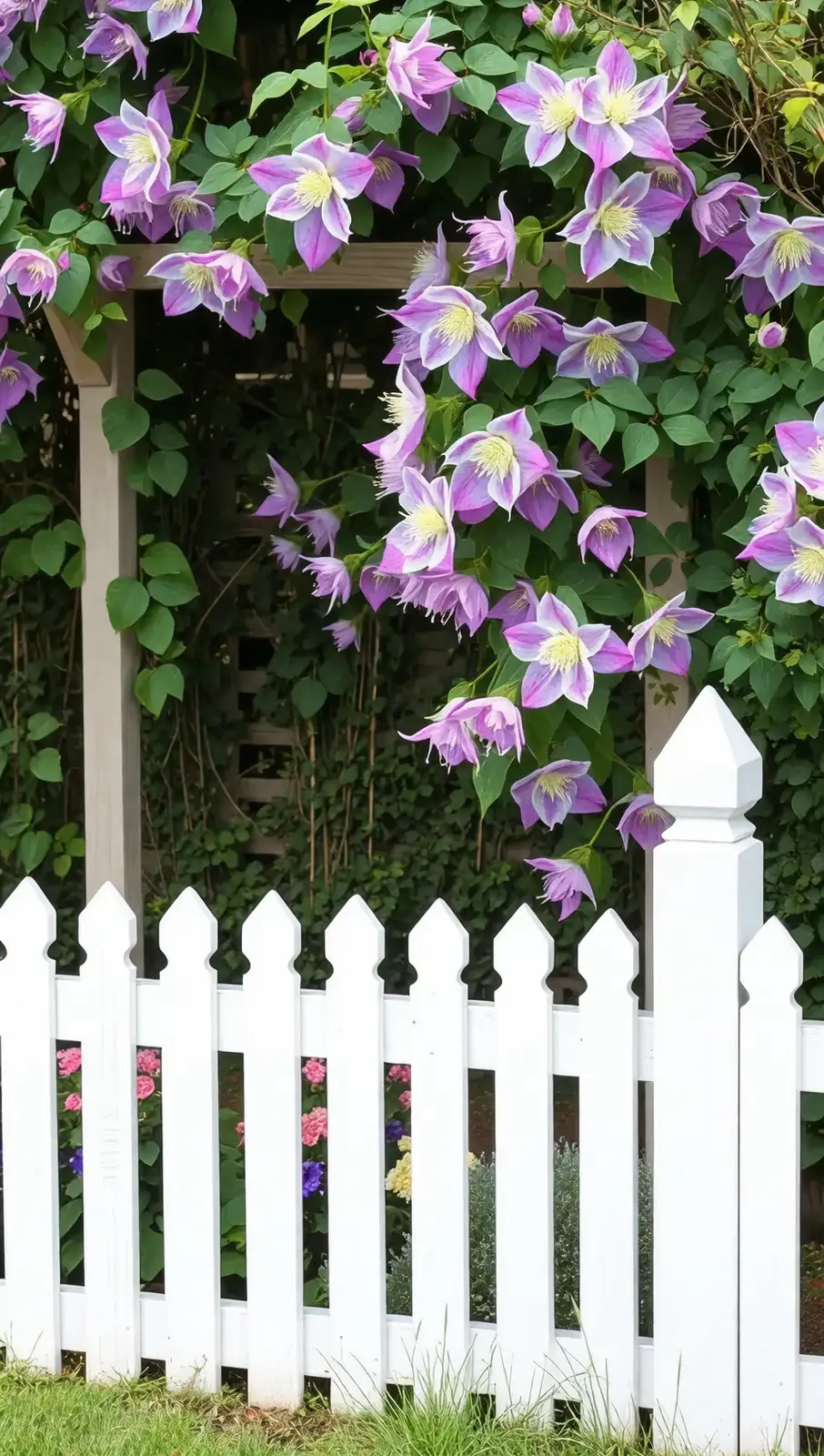
Clematis earns its crown as the Queen of Climbers for good reason: when you get water, light, soil, and seasonality right, this vine can turn a fence or balcony into a living waterfall of starry blooms. The best part? Success comes down to a few reliable habits—water when the top inch dries, give 6+ hours of light with afternoon shade, mulch to keep roots cool, and keep air moving to dodge mildew. Here’s your practical, confidence-boosting guide.
Light that thrills, shade that soothes
- Aim for 6+ hours of bright light for strong flowering.
- In hot summers, give afternoon shade—especially in containers where roots heat up fast.
- The classic rule “head in the sun, feet in the shade” still helps: keep foliage in bright light while shading the root zone with mulch, stones, or low groundcovers.
- In bright shade, some varieties will still bloom, just less exuberantly.
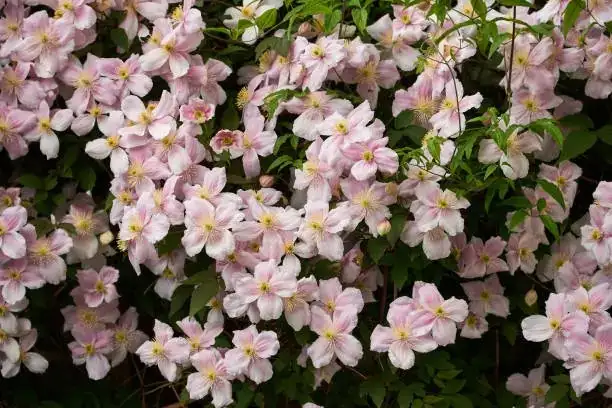
Water with confidence: the top-inch rule
- Check daily in warm weather. When the top 1 inch (2.5 cm) of soil or potting mix dries, water deeply until excess drains from the bottom.
- Never let pots sit in saucers of water; avoid waterlogging in the ground.
- Water at the soil line to keep leaves drier and reduce fungal issues.
- Seasonal tweak:
- Summer: expect to water more often during hot spells; keep the root zone shaded.
- Winter: keep the rootball just barely moist, particularly in containers.
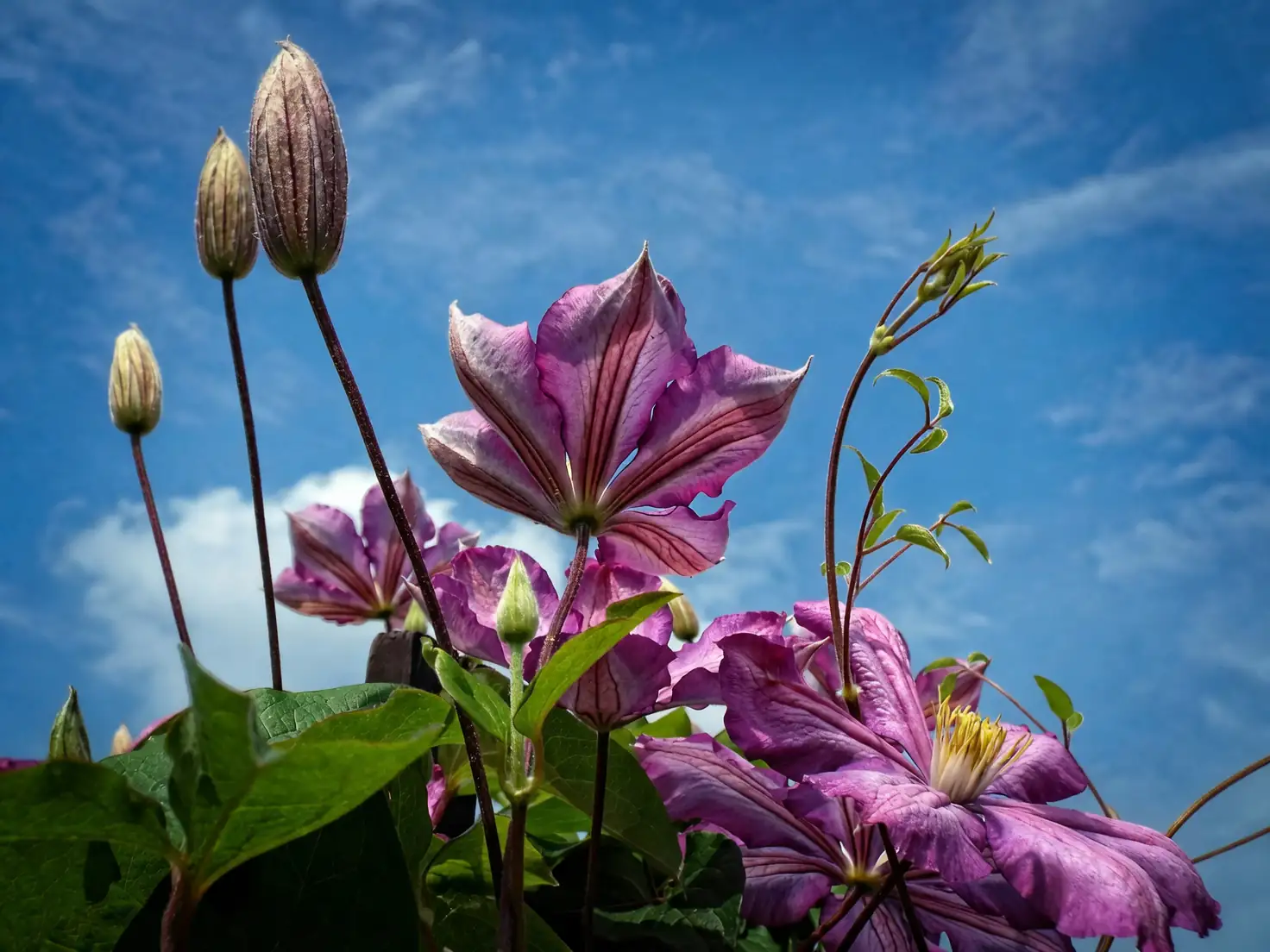
Soil and planting: cool feet, fast drainage
- Soil: fertile, organically rich, and well-draining; holds moisture but never soggy.
- pH: neutral to slightly alkaline (about 6.5–7.5). Many clematis are lime/calcium tolerant.
- Planting depth: set slightly deeper than in the nursery pot so the crown is buried by ~2 inches (5 cm). This encourages strong resprouting if stems are ever damaged.
- Container mix: a sturdy, moisture-retentive yet airy blend—quality compost or leaf mold + peat or coco coir + coarse sand/perlite.
- Mulch: 2–3 inches (5–7.5 cm) of organic mulch moderates temperature and conserves moisture. Keep mulch a thumb’s width off the stems.
Airflow and health: beat mildew before it starts
- Site with steady air movement but avoid wind tunnels that can whip brittle stems.
- Tie in new growth gently; stems snap more easily than you’d think.
- Water at the base and thin congested shoots annually to keep air moving.
- Watch for:
- Powdery mildew and gray mold (Botrytis): improve ventilation, avoid wet foliage, remove affected leaves.
- Clematis wilt (often linked to Phoma clematidina): sudden stem blackening/collapse. Cut affected stems down to healthy tissue (even to ground level); well-planted clematis often resprout.
- Pests: aphids, spider mites, slugs/snails, earwigs, caterpillars—manage early with hand-picking, barriers, rinsing, or insecticidal soap/horticultural oil as needed.
Container vs. in-ground: what changes (and what doesn’t)
Containers
- Pot size: start young plants in 6–8 in (15–20 cm) pots, then shift up. Long-term, use at least 18 in (45 cm) deep and wide with large drainage holes.
- Watering: dries out faster—follow the top-inch rule and expect more frequent summer watering.
- Feeding: little-and-often is best; feed every 2 weeks during active growth or use slow-release per label.
- Heat and light: shade the pot/root zone and offer afternoon shade to prevent heat stress.
- Support: add a sturdy trellis/obelisk at planting; secure stems gently.
- Winter: insulate the container or move to a sheltered, bright spot; protect roots from deep freezes.
In-ground
- Soil prep: enrich the planting area with compost for moisture-holding yet free-draining soil.
- Watering: still consistent—clematis dislike both drought and waterlogging.
- Mulch: essential for cool roots and even soil moisture.
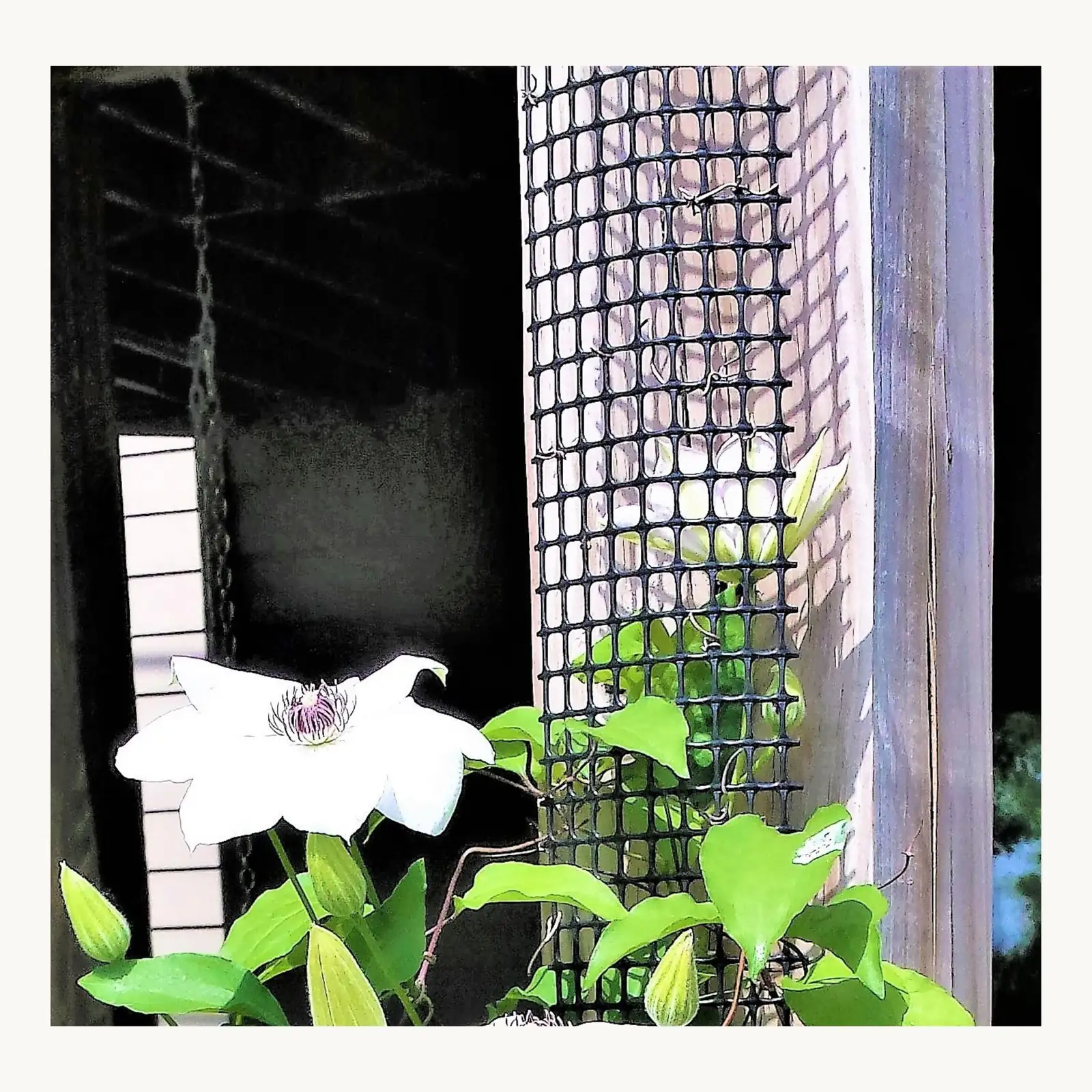
- Support: trellis, fence, pergola, rose/shrub companions—all fair game.
Seasonality and pruning made simple
Clematis bloom and pruning depend on group. If in doubt, check the label or observe bloom timing one full season before major pruning.
- Group 1 (early spring bloomers on old wood): examples include C. alpina, C. montana.
- Pruning: minimal; tidy and remove dead/damaged stems after flowering.
- Group 2 (large-flowered, late spring to early summer; often rebloom):
- Pruning: light in late winter/early spring—remove weak or dead stems, and lightly shorten to strong buds.
- Group 3 (summer to fall bloomers on new wood): includes many C. viticella and late-flowering types.
- Pruning: hard prune to about 12–18 in (30–45 cm) in late winter/early spring.
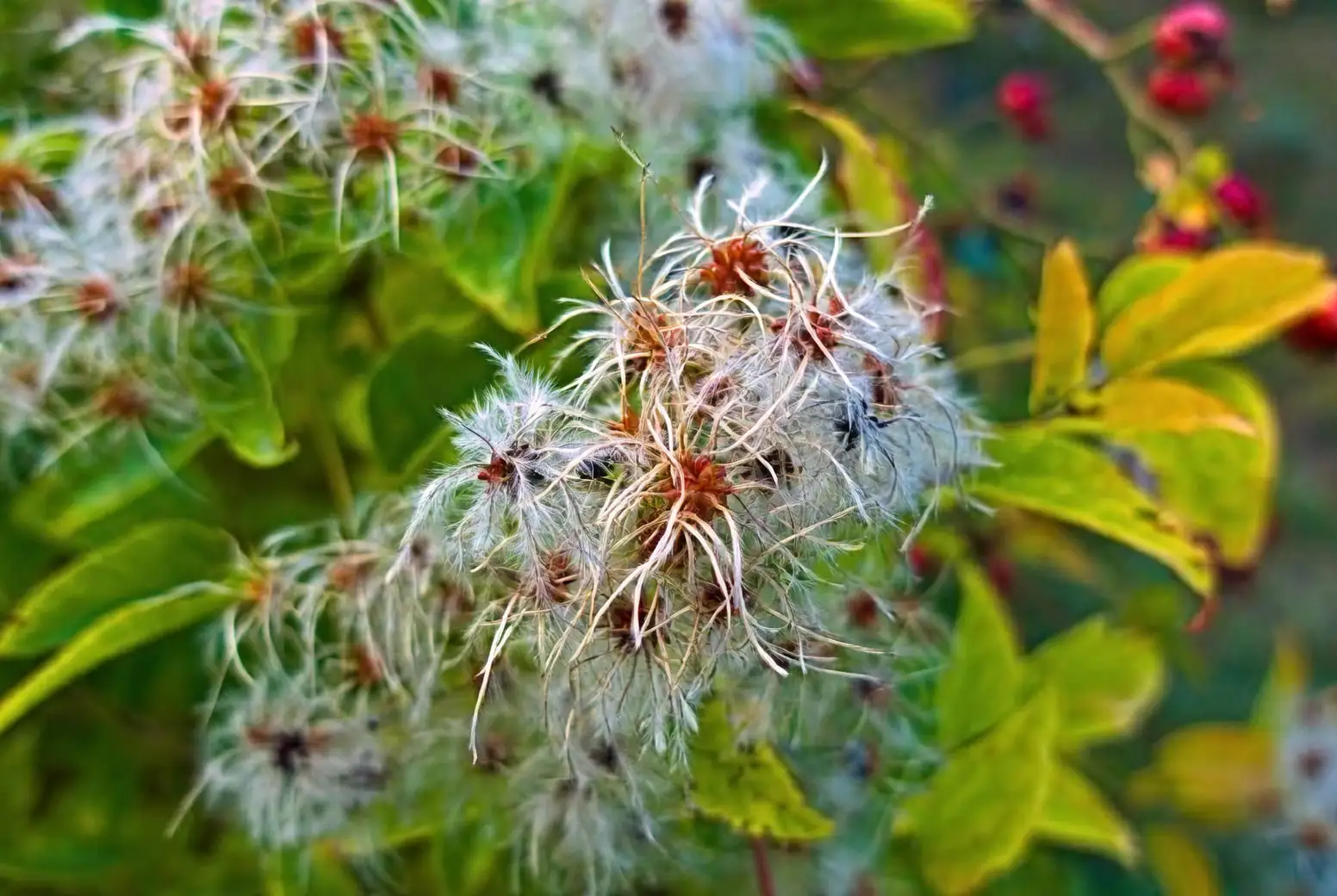
Pro tip after planting: cutting young plants back to about 12 in (30 cm) can encourage a bushier base. After the next repot, strong plants may keep 24–28 in (60–70 cm) stems.
Hardiness and climate smarts
- Many garden clematis are hardy in USDA Zones 4–9 (to around -20°F / -29°C), but hardiness varies by species/cultivar.
- Some evergreen types are less hardy (often Zones 7–9).
- For container-grown or warmth-loving selections, peak growth is often around 59–72°F (15–22°C); briefly tolerates to about 23°F (-5°C) if protected and not waterlogged.
- Heatwaves can stress plants: increase watering, mulch well, and provide afternoon shade.
Feeding for flowers (without overdoing it)
- Mix in compost or a base fertilizer at planting.
- In-ground: use a balanced fertilizer in early spring and again in early summer; top-dress with compost or well-rotted manure annually.
- Containers: feed every 2 weeks through the growing season or rely on slow-release per label.
- Bud time: favor a bloom formula with higher phosphorus/potash. Avoid excess nitrogen—lush leaves, fewer flowers.
Training and support: from spindly to spectacular
- Clematis climb by twining leaf stalks (not tendrils or aerial roots). Offer slim supports they can clasp.
- Tie-in with soft ties; check regularly and adjust as stems lengthen.
- Let them weave through roses or shrubs for layered color—classic cottage-garden magic.
Troubleshooting quick guide
- Not flowering?
- Check light (need 6+ hours), pruning timing (don’t cut off flower buds), fertilizer balance (go easy on nitrogen), and plant maturity (many shine after 2–3 years).
- Leaves yellowing/drying (especially in pots)?
- Common culprits: low nutrients, compacted/old mix, poor drainage/waterlogging, or overly acidic medium for lime-tolerant types. Refresh mix, improve drainage, feed appropriately, and keep moisture steady.
- Sudden stem collapse?
- Suspect wilt; cut back to healthy tissue. Deep planting helps plants reshoot.
- Mildew on leaves?
- Increase airflow, avoid wet foliage, remove affected material, and adjust watering.
Safety note
Clematis sap can irritate skin; wear gloves if you’re sensitive. Keep plants away from nibbling children and pets—ingesting parts may irritate the mouth and digestive tract.
Where clematis comes from—and why it matters
Native across temperate regions of the Northern Hemisphere, clematis diversity peaks in East Asia (notably China and Japan), which is why so many beloved species and hybrids trace back there. This deep gene pool gives gardeners an incredible range of sizes, colors, and bloom seasons.
A brief word on flower language (and why it stuck)
In Victorian floriography, clematis symbolized mental beauty, cleverness, and aspiration—an elegant nod to a vine that climbs with purpose. While “flower language” isn’t scientific, the association persists because the plant’s graceful ascent and intricate flowers feel like living metaphors for wit and upward ambition. Color traditions sometimes layer meanings—white for purity, purple for dignity and admiration, pink for joyful admiration.
Quick-start checklist
- Light: 6+ hours, with afternoon shade in hot climates or containers.
- Water: when the top 1 inch dries, soak thoroughly; keep evenly moist, never soggy.
- Soil: rich, well-drained; neutral to slightly alkaline; mulch to cool roots.
- Air: good airflow to prevent mildew; avoid cramped corners.
- Support: sturdy trellis or partner shrub; tie in gently—stems are brittle.
- Pruning: learn your group (1, 2, or 3) and time it right.
- Containers: big pot, excellent drainage, consistent feeding, shade the pot, protect in winter.
- Hardiness: match cultivar to your zone; mulch for root protection year-round.
Master these fundamentals and your clematis will repay you with an ever-more-spectacular show—season after season, year after year.


