
Think of Common Vervain (Verbena officinalis L.) as a sun‑loving meadow herb that prefers its “boots” dry. Give it drainage first, and it will reward you with airy spires of mauve to blue‑purple flowers from late spring well into fall—without the heartbreak of root rot when the rains linger.
Here’s a soil‑first game plan to keep roots happy in wet spells, whether you garden in heavy ground, raised beds, or containers.
Meet Common Vervain, the meadow minimalist
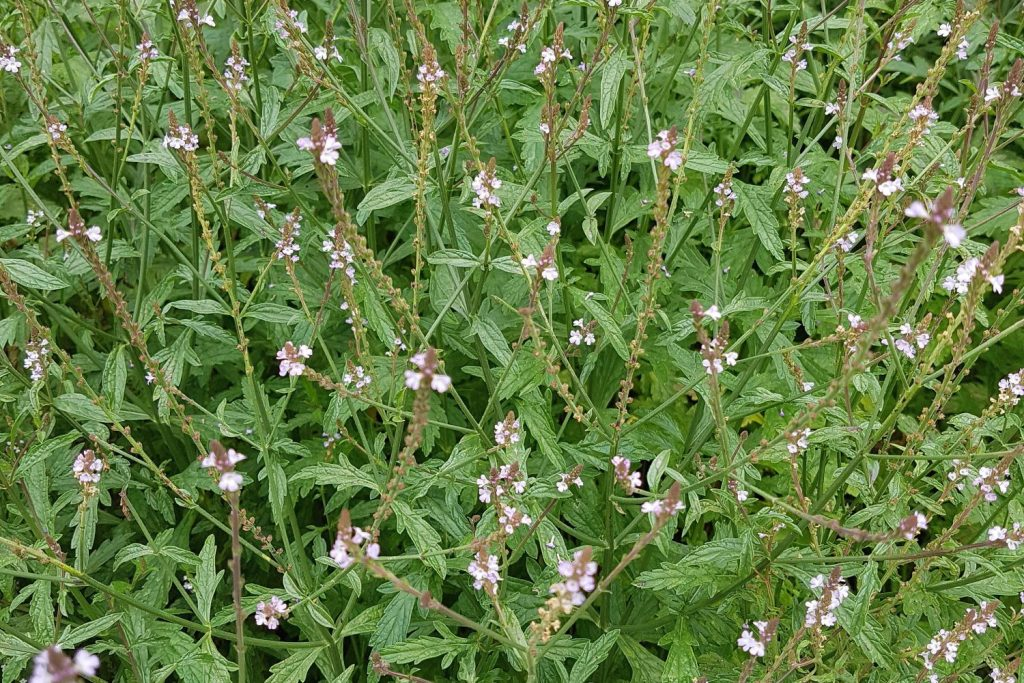
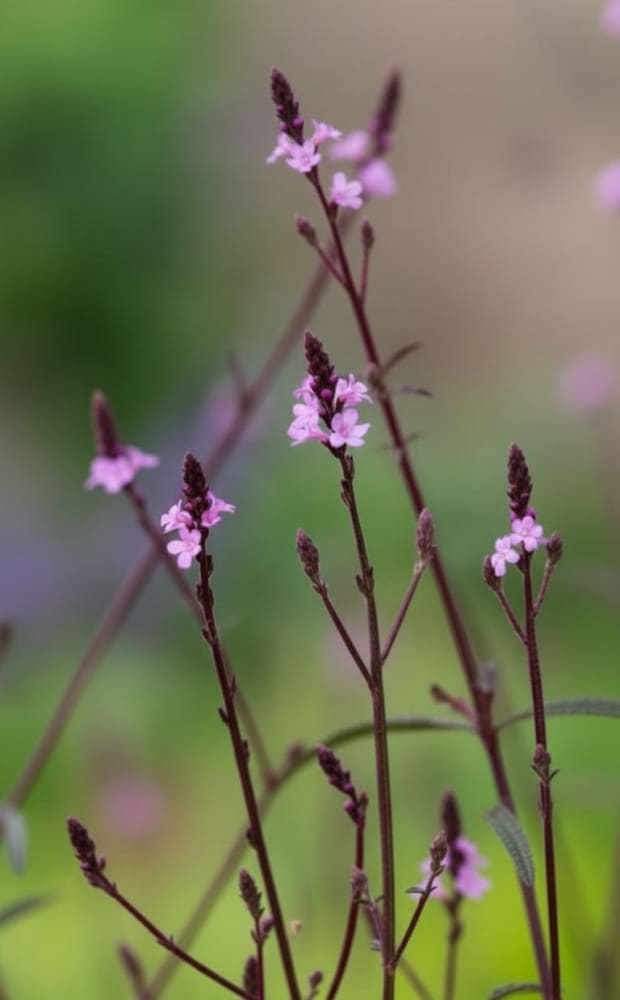
- Look: Upright, slender stems (noticeably square) topped with delicate flower spikes; dark green, toothed leaves that can be lobed and a bit rough to the touch.
- Size: 30–120 cm tall (often ~70 cm in gardens).
- Personality: Easygoing once established, long‑blooming, and beloved by pollinators.
- Origins and places it thrives: Native to Europe; now naturalized widely across temperate to tropical regions.
- Sun: Full sun is best—aim for 6–8 hours daily.
- Soil comfort zone: Well‑drained, moderately fertile, slightly acidic to neutral (about pH 5.8–7.2) and often perfectly content in limey soils.
Why root rot stalks vervain (and how soil saves the day)
Root rot strikes when soil pores stay flooded and oxygen disappears. In waterlogged sites, fine particles hold a perched water table around roots, inviting pathogens like Pythium and Phytophthora. Your best defense isn’t fungicide—it’s structure:
- Fast drainage
- Airy pore spaces
- Slightly lean fertility
- Even, not constant, moisture
Build those into the planting site and rot rarely shows up.
Your drainage toolkit
- Gritty amendments: Pumice, coarse perlite, expanded shale, crushed lava, or sharp horticultural grit (3–6 mm). These create durable macropores.
- Quality organic matter: Finished compost or leaf mold improves structure without turning heavy soils gluggy.
- Avoid: Peat‑heavy mixes in the ground and fine sand in clay (the combo can set like concrete).
Plant a little high and keep the crown dry
- Set plants so the crown sits 1–2 cm above surrounding soil.
- Mulch with a mineral mulch (grit or fine gravel) rather than moisture‑holding bark right at the stem base.
Raised beds: the simplest rot insurance
If your garden stays wet or you face heavy clay, raise the root zone above the splash zone.
Build specs that work
- Height: 20–30 cm minimum; 35–40 cm is glorious in soggy sites.
- Width: ≥90 cm for stable moisture and rooting.
- Base: Open‑bottom so roots can explore; line with hardware cloth if burrowers are a problem.
- Slope: A gentle 1–2% grade helps shed deluges.
A vervain‑friendly fill recipe (by volume)
- 40% quality topsoil
- 30% finished compost
- 30% mineral drainage amendment (pumice, coarse perlite, expanded shale, or sharp grit)
Blend thoroughly. In very rainy climates, bump the mineral fraction to 40% and reduce compost to 20%.
pH and lime sense
- Target pH: 5.8–7.2.
- Lime tolerance: Common vervain often thrives in limey soils. If your pH tests low, a light touch of dolomitic lime can nudge it into the sweet spot—retest before reapplying.
Heavy clay rescue (without making brick)
- Broad‑fork or loosen the top 20–25 cm—don’t till to dust.
- Incorporate 5–8 cm of compost across the bed surface and work it into the top 15 cm.
- Add 2–3 cm of sharp grit, expanded shale, or pumice; blend lightly. Skip fine sand.
- Consider a hybrid approach: loosened subsoil below, raised mix above.
Watering that prevents rot
- Establishment: Keep evenly moist the first few weeks—never sopping.
- After establishment: About 1.3–2.5 cm (0.5–1 in) of water per week in active growth, adjusted for heat and rainfall. Let the top layer dry slightly between waterings.
- Technique: Water early in the day at soil level. Avoid frequent, shallow sprinkles and late‑day overhead watering.
- Airflow: Space plants for good breeze to deter mildew and keep foliage dry.
Container strategy for soggy seasons
Common vervain is perfectly at home in pots—if you think like the rain.
Pot and mix
- Choose a pot with generous drainage holes; unglazed clay helps evaporation.
- Use a lean, gritty mix:
- 40% high‑quality potting mix
- 30% coarse perlite or pumice
- 20% fine bark
- 10% sharp grit or small lava
- Optional: A small layer of coarse mesh over holes blocks clogging; skip rocks at the bottom (they raise the perched water table).
Watering and feeding
- Water when the top 2–3 cm are dry; never leave pots standing in saucers.
- Feed lightly in spring with a balanced, slow‑release fertilizer; a second light feed in midsummer if growth looks pale. Vervain isn’t a heavy feeder.
Rain‑proofing moves
- Lift pots on feet or bricks to improve outflow.
- Slide containers under eaves during prolonged rain or park them on a covered porch.
- Avoid self‑watering containers in peak wet seasons.
- In winter‑wet climates, keep containers on the dry side; cold plus soggy is the real killer.
Site, sun, and seasonal notes
- Sun: Full sun drives flowering; partial shade reduces bloom.
- Temperature: Best growth roughly 15–27°C (59–81°F).
- Hardiness: Reported hardy across a wide range (USDA Zones 4–11) depending on local conditions, but most reliable as a returning perennial in warmer temperate zones (about Zones 7–10). In colder or persistently wet winters, treat as a short‑lived perennial or self‑seeding annual.
- Wind and airflow: Good spacing and light shearing keep the plant airy and mildew at bay.
Planting and light pruning
- Plant out after last frost into prepared, free‑draining soil.
- Deadhead to extend bloom and tidy the spikes.
- If lanky, shear lightly once or twice in summer.
- Late winter/early spring: Cut back by about one‑third or remove dead stems for fresh regrowth.
Quick troubleshooting: rot or drought?
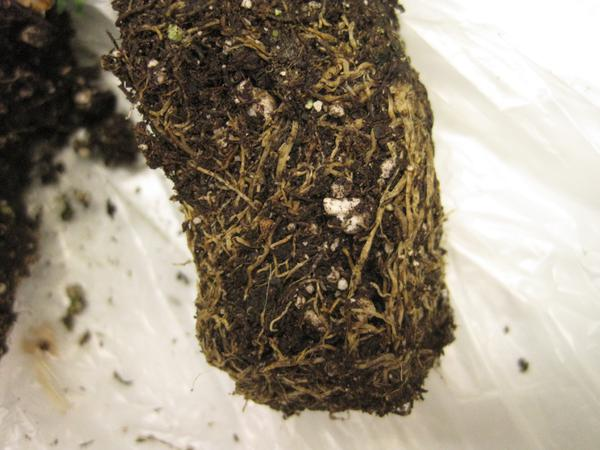
- Rot clues: Leaves yellowing from the base upward, wilting that doesn’t lift after watering, blackened, mushy roots, sour smell.
- Drought clues: Whole plant wilts midday but perks up by evening or after a soak; roots remain firm and pale.
- Fix rot fast: Improve drainage, pull back mulch from the crown, prune lightly to reduce stress, and replant higher if needed.
Where vervain looks most at home
- Sunny borders and cottage gardens
- Naturalized meadows and meadow‑style plantings
- Rock gardens and xeriscapes with gritty soils
- Edges and rougher, open sites with decent drainage
A note on names and neighbors
Common names for “vervain” overlap among species. When shopping, look for Verbena officinalis if you want this airy, meadow type. Choose plants with fresh, upright growth and skip any that show mushy roots, yellowing, or signs of mildew.
Folklore and flower language, with roots in the real plant
Common vervain has worn many crowns: “Holy Herb,” “Herb of the Cross,” and a ritual plant from ancient Egypt to Rome to the Celtic world. In the language of flowers, it’s been linked to protection, peace, loyalty, and even the plea “pray for me.” Those meanings echo centuries of people carrying vervain as a charm or using it in rites meant to steady the spirit and ward off harm—proof that this modest herb has long been trusted to keep both thresholds and gardens in good order.
At‑a‑glance care
- Sun: Full sun (6–8 hours)
- Soil: Well‑drained, moderately fertile, pH 5.8–7.2; tolerant of limey soils
- Water: Even moisture while establishing; then allow the top layer to dry slightly between waterings
- Feeding: Light; a spring feed is usually enough
- Pruning: Deadhead and shear lightly; cut back by one‑third late winter/early spring
- Propagation: Seed in spring; softwood cuttings in late spring/early summer; divide mature clumps in spring or fall
Soil first, always: raise it, grit it, and keep the crown high. Do that, and Common Vervain will breeze through soggy seasons with its slender spires held high, a little ribbon of meadow wherever you plant it.