

If you’ve ever brushed past a wiry plant with tiny mauve‑to‑blue‑purple flowers and felt its sandpapery leaves, you may have met Common Vervain (Verbena officinalis L.). It’s a folklore celebrity and a garden stalwart that blooms for ages, feeds bees and butterflies, and—plot twist—sports mint‑like square stems without being a mint at all. Ready for a fun fact tour?
Meet Common Vervain (Verbena officinalis)
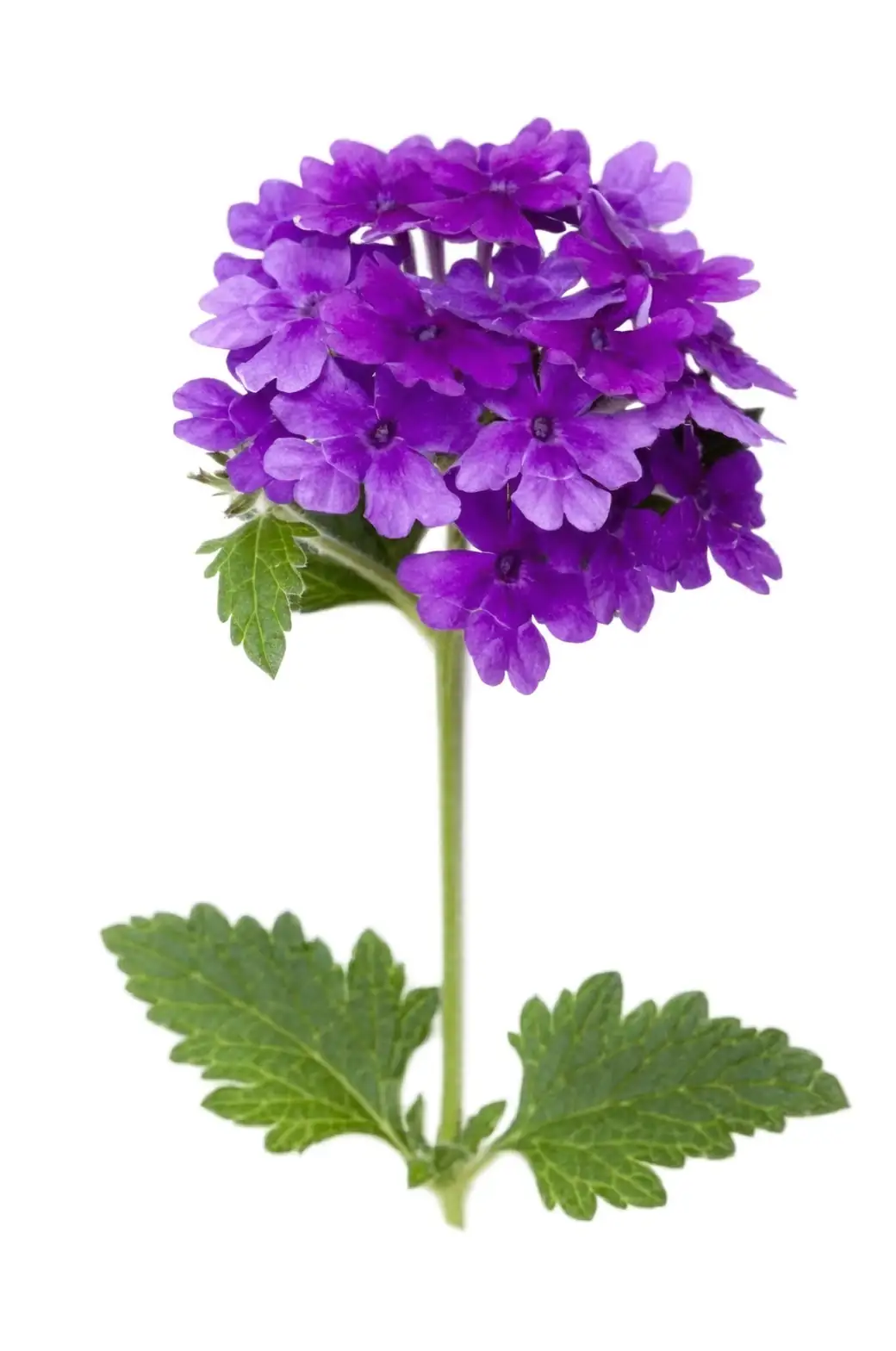
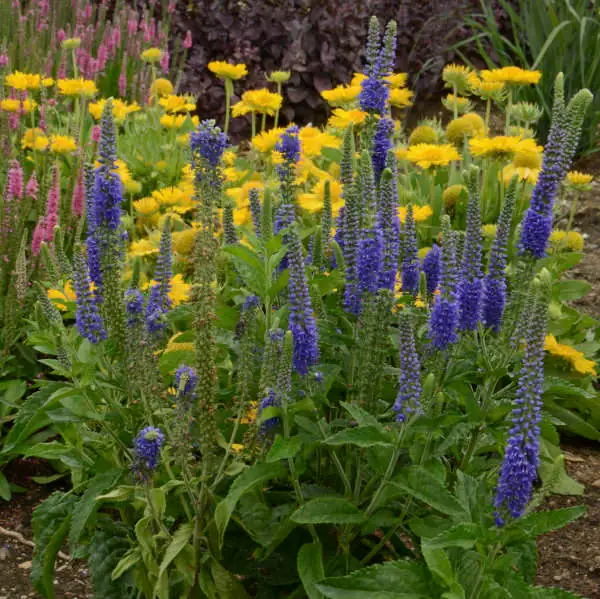
- Look: Upright, meadowy clumps with slender spikes topped by petite, two‑lipped flowers in soft mauves to blue‑purples.
- Feel: Leaves and calyces have stiff, rough hairs—noticeably textured to the touch.
- Stems: Four‑angled (square) and a bit coarse along the angles and nodes.
- Size: Typically around 70 cm (28 in) in gardens, but can range from 30–120 cm (12–48 in).
- Bloom window: A marathon from late spring to early fall (May–October), usually peaking in summer.
- Fruit: Each tiny fruit splits neatly into four nutlets.
- Vibe: A pollinator‑friendly, easygoing perennial with a lightly wild, naturalistic look.
- Family ties: Verbenaceae (not the mint family), genus Verbena. Native to Europe and now widely naturalized across much of the world.
The Fun Fact Roundup
Why are the stems square?
Those four crisp angles are all about structure. With opposite leaves, the plant develops reinforcing “ridges” along the stem, distributing supportive tissues at the corners—think of it like a botanical I‑beam. The result: a lightweight, wind‑worthy stem that keeps those airy flower spikes upright. Square stems are famously mint‑like, but they pop up in other families too, including Verbenaceae. It’s a great example of plants arriving at a similar engineering solution from different family trees.
Four nutlets per fruit: the clever split decision
After flowering, the oblong fruit (about 2 mm long) matures and breaks into four tidy nutlets. Spreading your genetic bets across four small “tickets” can boost dispersal odds—each nutlet is a self‑contained seed parcel, slim enough to slip into tiny cracks of soil and rugged enough to wait out the perfect germination moment.
The May–October bloom marathon
Common vervain is the steady jogger of the flower world: not flashy, but astonishingly consistent. From late spring to early fall, it sends up slim, spaced‑out blooms that keep nectar on tap for months. A little deadheading or a light shear keeps the show going and encourages a fresh flush of spikes.
Pollinator magnetism
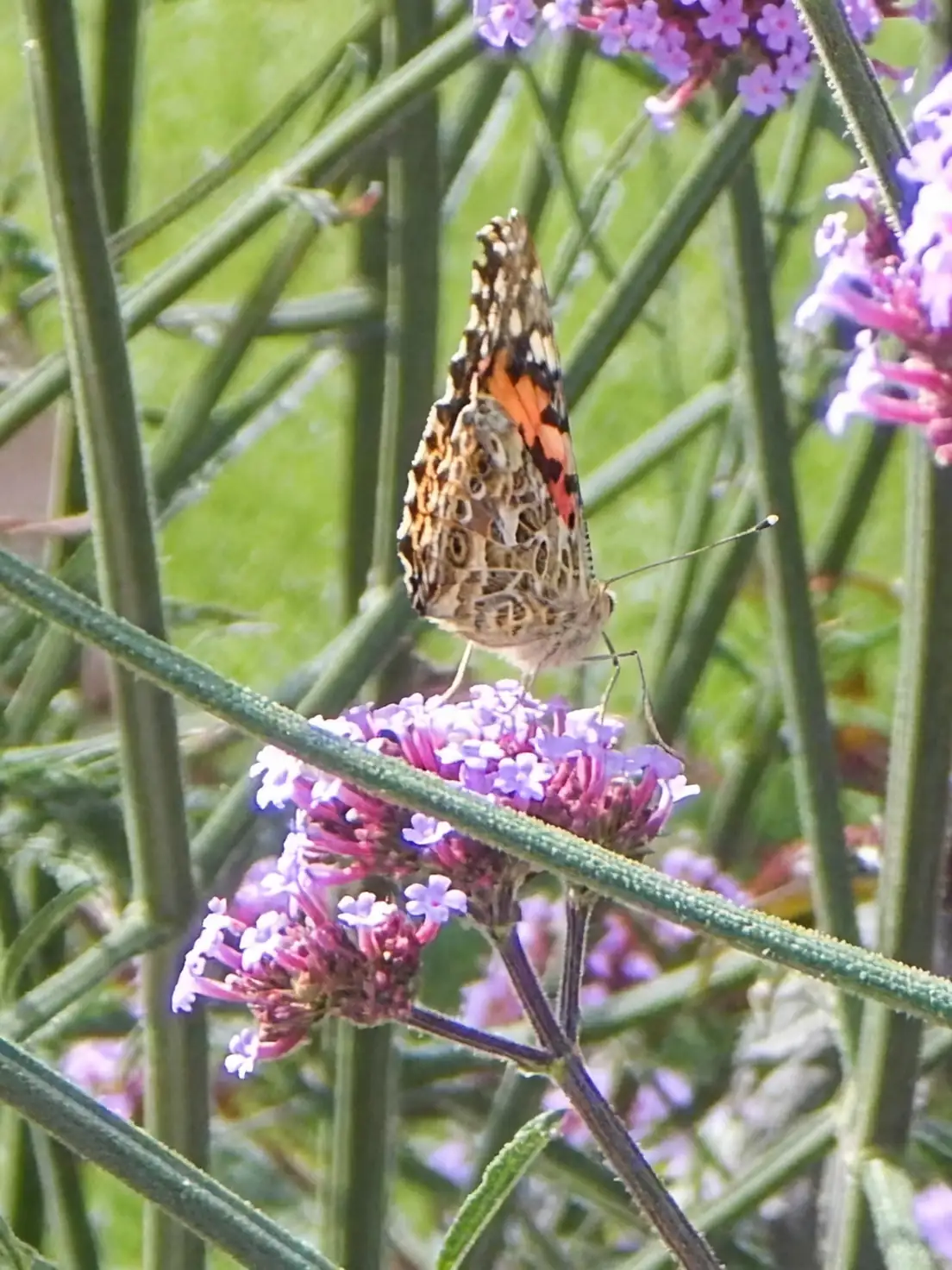
Those two‑lipped, nectar‑rich flowers are a ready refuel station for bees, hoverflies, and butterflies. The spikes offer a convenient landing strip and a buffet line of small blooms, and the long season means there’s food available when other flowers take a break. Plant a drift and you’ll see it—vervain hums with life.
Rough leaf hairs—tiny armor you can feel
Run your fingers along the foliage and you’ll notice the grit: stiff hairs on the leaves (especially along the veins) and on the calyx. These microscopic bristles can deter nibbling insects, reduce water loss in hot, breezy weather, and even help shed dew. Small hairs, big utility.
Lime‑loving tendencies (without being picky)
Vervain often thrives where there’s a bit of lime in the soil and is famously comfortable on calcareous, well‑drained sites—think roadsides, rubbly edges, and sunny borders. That said, it’s a flexible grower: aim for a well‑drained, moderately fertile soil with a slightly acidic to neutral pH (about 5.8–7.2). Drainage matters more than perfection.
Not actually in the mint family—despite the lookalike stems
Square stems can be a red herring. Common vervain resembles a mint in profile, but it’s firmly in the Verbenaceae family. Historically, these two families have been compared because of shared traits like opposite leaves and angular stems, but today they’re recognized as separate lineages. So: mint‑ish at first glance, vervain at heart.
How to grow it (quick, confident tips)
- Sun: Full sun is best—shoot for 6–8 hours daily for the fullest bloom.
- Soil: Well‑drained, moderately fertile ground; lighten heavy clay with compost and grit. Avoid winter‑wet spots.
- Water: Keep evenly moist while establishing; afterward, aim for about 0.5–1 inch (1.3–2.5 cm) per week in the growing season, letting the top layer dry slightly between waterings.
- Feeding: Not a heavy feeder. A light, balanced, slow‑release fertilizer in spring (and optionally mid‑summer) is plenty. Compost at planting is a solid start.
- Pruning: Deadhead to extend bloom. If stems get lanky, shear lightly once or twice. Cut back dead growth or trim by about one‑third in late winter/early spring to encourage bushy regrowth.
- Hardiness and habit: An upright, short‑lived perennial that may behave as an annual in colder climates. Often most reliable as a returning perennial in warmer temperate zones (roughly USDA 7–10). It self‑seeds modestly when happy.
- Propagation: Easy from spring‑sown seed; or take 4–6 inch (10–15 cm) stem cuttings in late spring/early summer. Mature clumps divide in early spring or fall. Container‑friendly with a sharply draining mix.
Field‑guide ID at a glance
- Stems: Four‑angled, sometimes sparsely hairy.
- Leaves: Dark green, toothed; lower leaves coarser, upper leaves often 3‑lobed; surfaces feel rough.
- Flowers: Tiny (about 4–8 mm long), two‑lipped, mauve to blue‑purple, carried in slender, spaced spikes.
- Fruit: Breaks into four nutlets at maturity.
Safety notes
- Garden safety: Generally low risk ornamentally.
- Herbal caution: Traditional use is widespread, but internal use is typically avoided during pregnancy due to historical associations with uterine stimulation. As always, consult a qualified professional before medicinal use.
- Pets: Toxicity varies among “verbena” species and cultivars; best to prevent chewing and consult a vet if ingestion occurs.
Symbolism, history, and the truth behind “flower language”
Common vervain is steeped in lore. Ancient Egyptians dubbed it “Tears of Isis,” Romans linked it to Venus and ritual cleansing, and European folk traditions guarded doorways with its protective sprigs. Later Christian legend claimed it helped staunch the wounds of the Crucifixion—hence nicknames like Holy Herb and Herb of the Cross.
In the Victorian language of flowers—more cultural fashion than science—vervain carried layered messages such as “pray for me” and even “you have bewitched me,” mirroring its dual life as a protector and an enchantment herb. Today, its symbolism circles peace, protection, loyalty, trust, and justice—a compact bouquet of virtues for a plant that works quietly and tirelessly all season long.
Why gardeners keep coming back to vervain
- Months of bloom with minimal fuss
- A steady draw for pollinators
- Graceful, naturalistic texture for meadows, borders, rock gardens, and rough edges
- A plant with stories: centuries of folklore riding on those slender spires
Square‑stemmed, four‑nutleted, and endlessly blooming—Common Vervain proves that subtle plants can have the most to say, both in the garden and in our shared human imagination.


