

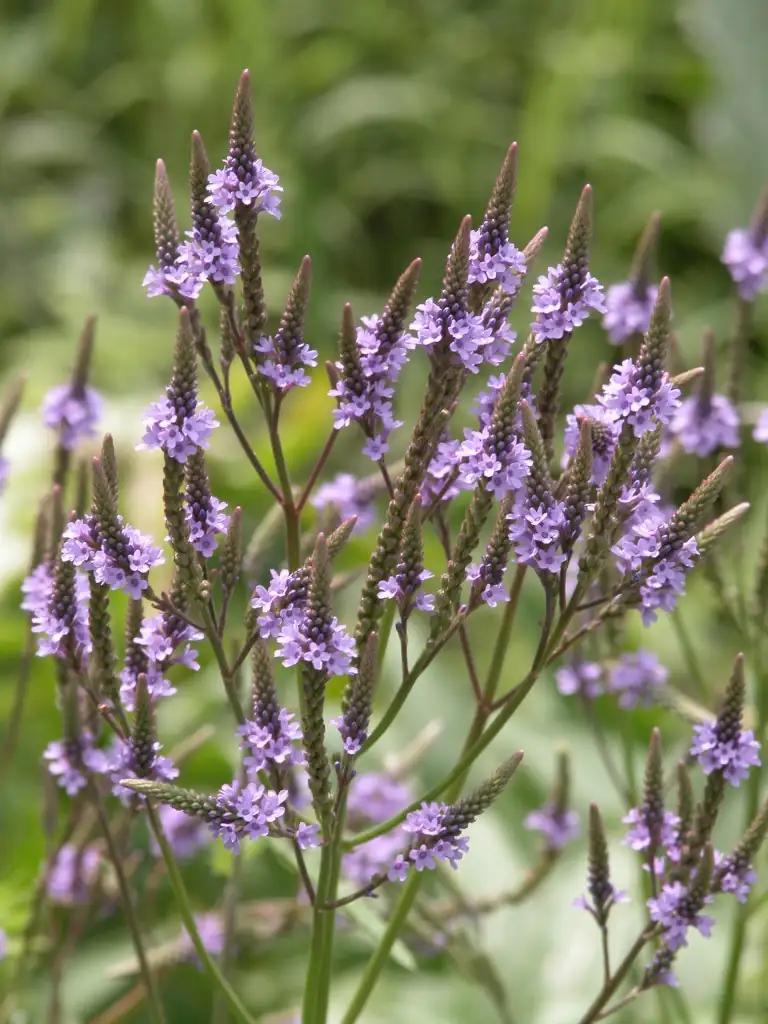
Common vervain has that irresistible “wild-meadow” magic: slim, upright wands sprinkled with tiny mauve to blue‑purple flowers, square stems, and dark green, toothed leaves that look effortless in a border or a gravelly path. Even better, it blooms for ages—late spring right into fall—if you get a few simple basics right. Here’s your beginner-friendly, confidence-boosting blueprint to keep Verbena officinalis L. flowering without fuss.
Meet Common Vervain (Verbena officinalis L.)
- Family/genus: Verbenaceae, Verbena
- Origin: Native to Europe; now widely naturalized far beyond
- Habit and size: Upright, airy perennial herb, 30–120 cm (12–48 in) tall; often around 70 cm (28 in) in gardens
- Look-for features:
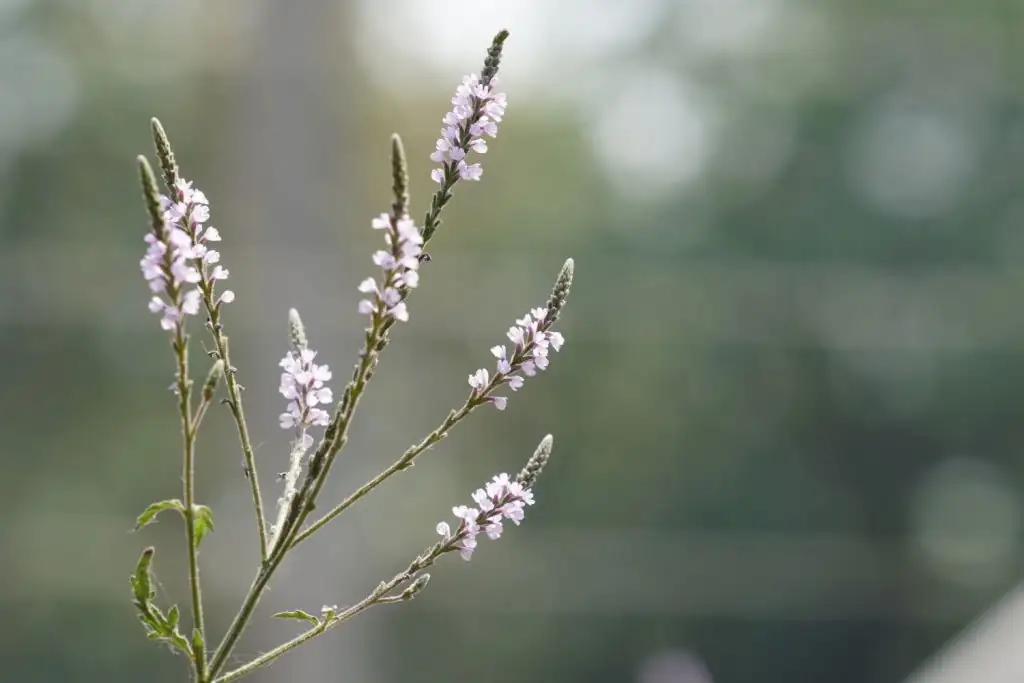
- Slender terminal and side spikes with small, two‑lipped, mauve to blue‑purple flowers (4–8 mm) that keep appearing from late spring to early fall
- Four‑angled (square) stems; leaves toothed and sometimes 3‑lobed, a bit rough to the touch
- Names you’ll hear: Common Vervain, Common Verbena, European Vervain, Herb of the Cross, Holy Herb, Simpler’s Joy, Vervain, Wild Hyssop, Mosquito Plant—and sometimes “Blue Vervain” in casual use (though that name is more strictly tied to the North American species Verbena hastata)
Why gardeners love it
- Low maintenance once established
- Bee and butterfly friendly
- Looks perfectly at home in cottage borders, wildflower meadows, rock gardens, and sunny “tough spots”
The Beginner’s Care Blueprint (do these four things right)
1) Sun: 6–8 hours of direct light
- Aim for full sun to drive the most blooms.
- It tolerates partial shade, but flowering will be lighter and stems can get lanky.
2) Water: 0.5–1 inch per week—never soggy
- Target roughly 1.3–2.5 cm (0.5–1 in) of water weekly in the growing season, factoring in rainfall.
- Let the top layer of soil dry slightly between waterings.
- Drainage is non-negotiable; prolonged sogginess invites root rot.
- Handy tip: A simple rain gauge plus a finger check (top 2–3 cm/1 in dry? then water) keeps you right on target.
3) Soil and drainage: light, quick, and comfortable
- Best in well‑draining soil of moderate fertility; slightly acidic to neutral pH (about 5.8–7.2).
- Often happy in limey soils.
- Heavy clay? Mix in compost and grit or plant on a low berm/raised bed to prevent winter wet.
4) Feeding: light touch in spring
- Not a heavy feeder. Give a light application of balanced, slow‑release fertilizer in spring.
- Optional: a small top-up in mid‑summer or a water‑soluble feed every 4–6 weeks during active growth.
- Avoid heavy nitrogen—leaves will bulk up at the expense of flowers.
Bonus: Smart deadheading and pruning = more bloom
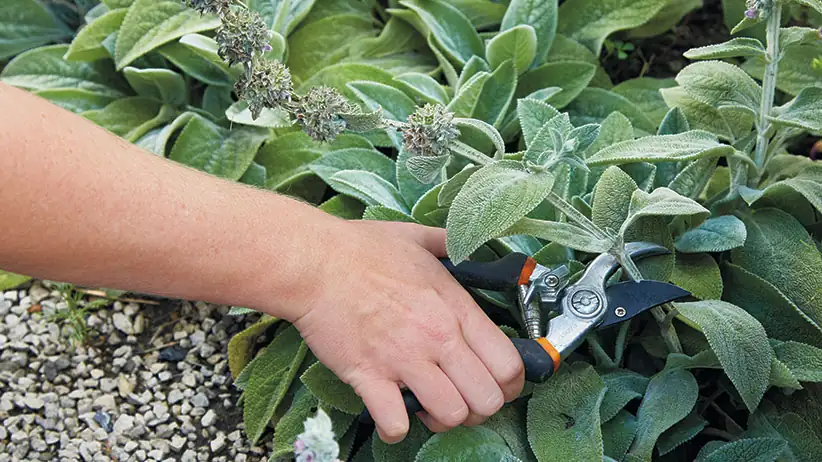
- Deadhead spent flower spikes regularly to push new waves of buds.
- If stems get wispy or bloom slows in midsummer, shear plants back lightly; they rebound with fresh growth.
- Late winter/early spring: cut stems back by about one‑third (and remove any dead material) for a bushier restart.
Month‑by‑Month Bloom Plan
Spring
- Plant out after last frost or sow seeds; you can also start indoors 8–10 weeks before the last frost.
- Work in compost and give that light spring feed.
- Water to establish, then settle into the even‑moisture rhythm.
Summer (peak color)
- Sun + steady moisture with drainage = constant bloom.
- Deadhead often; shear lightly if lanky.
- Keep airflow in mind to sidestep powdery mildew—don’t crowd, and water at the base earlier in the day.
Fall
- Keep deadheading as long as you like.
- Collect seed from mature spikes if you want volunteers next year.
- Divide mature clumps if needed.
Winter
- In colder regions, it may die back hard. Trim dead growth and mulch lightly, especially where soils stay wet.
- Avoid winter waterlogging—this is the biggest enemy of return.
Hardiness, Climate, and Overwintering
- Performs across a broad range (often cited from USDA Zones 4–11 depending on local conditions), but it’s most reliable as a returning perennial in warmer temperate zones (roughly Zones 7–10).
- Best growth in mild to warm weather around 15–27°C (59–81°F).
- In very cold or wet winters, treat it as a short‑lived perennial or even an annual; self‑seeding often fills the gaps.
Containers Made Easy
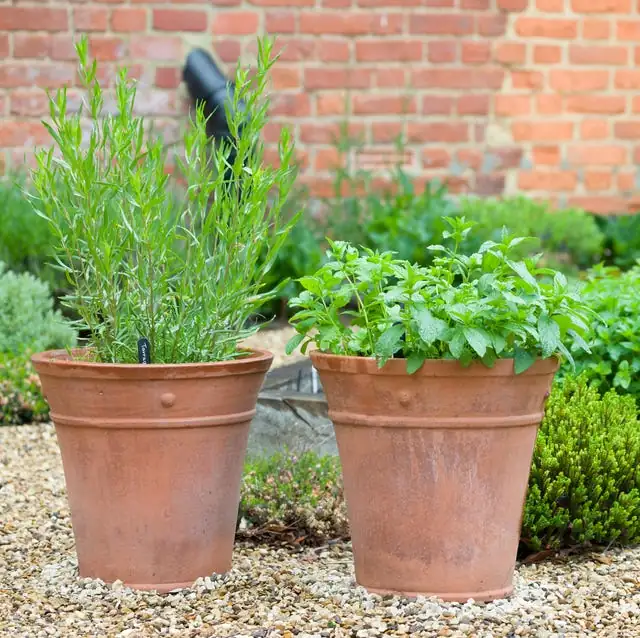
- Use a pot with drainage holes and a fast‑draining mix (e.g., all‑purpose potting soil cut with coarse perlite or grit).
- Containers dry faster: check moisture more often in heat.
- Repot in spring if rootbound; refresh the mix.
- Many plants are short‑lived (2–3 years), so renewing from seed or cuttings keeps displays fresh.
Planting, Spacing, and Design Ideas
- Placement: sunny borders, meadows, rock gardens, xeric edges, roadsides, stream banks, and woodland margins.
- Spacing: give each plant breathing room for airflow to reduce mildew risk.
- Style pairings: float common vervain through ornamental grasses, salvias, yarrows, and coreopsis for that easy meadow rhythm. Its airy wands weave color without overwhelming neighbors.
Propagation (all easy)
- Seed: Sow in spring after last frost outdoors, or start indoors 8–10 weeks prior. Expect some self‑seeding in happy sites.
- Softwood cuttings: Take 10–15 cm (4–6 in) cuttings late spring to early summer; root in a free‑draining medium with bright light and gentle moisture.
- Division: Split mature clumps in early spring or fall to refresh growth and multiply plants.
Troubleshooting: Quick Diagnoses and Fixes
- Few flowers, lots of leaves: Too much shade or nitrogen; move to more sun and ease up on feeding.
- Lanky, floppy stems: Insufficient sun or overdue for a light shear; trim to prompt bushier regrowth.
- Yellowing or collapse at the base: Waterlogged soil—improve drainage immediately.
- Powdery mildew or botrytis: Increase spacing/airflow, water at the base in the morning, avoid wetting foliage late in the day.
- Pests (usually minor): Aphids, spider mites, whiteflies, thrips, scale, and leafminers. Start with a firm water spray; follow with insecticidal soap or neem if needed.
Safety Notes
- Generally low‑risk ornamentally.
- Traditional herbal use is well known, but avoid internal use during pregnancy (historically linked to uterine stimulation).
- For pets, toxicity varies within the wider “verbena” group; discourage chewing and consult a vet if ingestion occurs.
Folklore, Symbolism, and the Flower Language
Common vervain might be the plant world’s equivalent of a storied talisman. In ancient Egypt it was “Tears of Isis,” Romans linked it to Venus and rites of purification, and medieval Europeans hung it as a charm against misfortune. Christian legend says it helped staunch wounds at the Crucifixion—hence “Holy Herb” and “Herb of the Cross.”
In the Victorian language of flowers (花语), vervain carried layered messages—peace, protection, loyalty, trust, and justice—but also intimate notes like “pray for me” and “you have bewitched me.” These meanings weren’t botanical truths; they were social codes. Gifting a sprig signaled sentiments the giver might not dare say aloud. Today, those associations linger more as cultural poetry than prescription, yet they capture the plant’s centuries‑long aura of solace and quiet power.
Fast Facts and FAQs
- Is it annual or perennial? A perennial, but often short‑lived (2–3 years). In colder or very wet winters it may act like an annual; self‑seeding often brings it back.
- Does it really bloom from late spring to fall? Yes—especially with full sun, steady but modest moisture, light spring feeding, and consistent deadheading.
- Is it drought‑tolerant? Once established, it handles short dry spells. For the best and longest bloom, don’t let it wilt repeatedly.
- Can I grow it in a pot? Absolutely—just prioritize drainage and check moisture more often in hot weather.
Your 30‑Second Care Recap
- Sun: 6–8 hours minimum
- Water: 0.5–1 inch weekly in season, with excellent drainage
- Soil: Well‑drained, moderately fertile, pH ~5.8–7.2; amend clay
- Feed: Light spring feed; optional mid‑summer top‑up
- Prune: Deadhead often; shear lightly if leggy; cut back by one‑third late winter/early spring
- Watch for: Mildew in still, humid air; soggy soils in winter
Do these simple things and Common Vervain will reward you with that gentle, meadowy shimmer of purple spikes—week after week—right through to fall.


