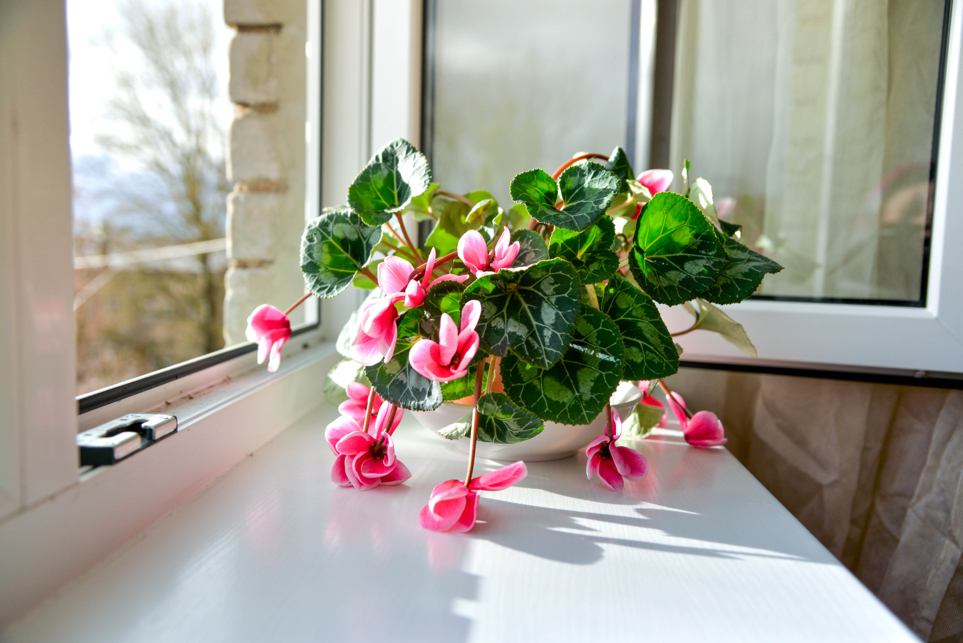
When a Cyclamen persicum suddenly slumps mid-bloom, it feels like a tiny winter drama on your windowsill. Don’t panic. With a quick, calm first-aid check, you can tell whether you’re dealing with simple overwatering, bacterial soft rot (bad news, act fast), or gray mold (Botrytis, very common but manageable). Here’s your fast diagnostic playbook—and a crisp hygiene and airflow routine to halt spread and get those butterfly-like flowers back on track.
The 10‑Minute Cyclamen Triage

- Isolate the patient: Move your plant away from others and off any pebble trays. Set it in bright, indirect light.
- Finger test: Press into the top 2–3 cm (about 1 in) of mix. Is it wet, evenly moist, or dry?
- Sniff test: A sour, swampy, or rotten-onion smell spells rot.
- Crown check: Gently part the heart-shaped leaves and feel where petioles meet the tuber. Is it firm or mushy?
- Petal and stalk scan: Look for water‑soaked flecks that turn tan, and any fuzzy gray growth on petals or stems.
- Decide and act (see below): Overwatering vs bacterial soft rot vs gray mold.
Tip: Cyclamen naturally wind down toward dormancy after flowering (leaves yellowing gently in spring). If your timing and temperatures say “rest,” that’s normal. But sudden collapse, mush, stink, or gray fuzz means disease.
Diagnose on the Spot
1) Overwatering (the most common culprit)
Red flags
- Soil is consistently wet; pot feels heavy.
- Leaves look limp or yellowing from the base, but crown/tuber feels firm.
- No foul odor; no fuzzy growth.
- Fungus gnats may hover—another hint the mix is staying soggy.
Fast first aid (today)
- Bottom‑drain: If the mix is waterlogged, tip out any saucer water immediately.
- Air out: Place the plant in bright, indirect light with gentle air movement (small fan on low, not blasting the foliage).
- Water only when the top 2–3 cm (about 1 in) feels dry. Bottom‑water: set the pot in water for 5–10 minutes, then drain thoroughly so the top of the tuber stays dry.
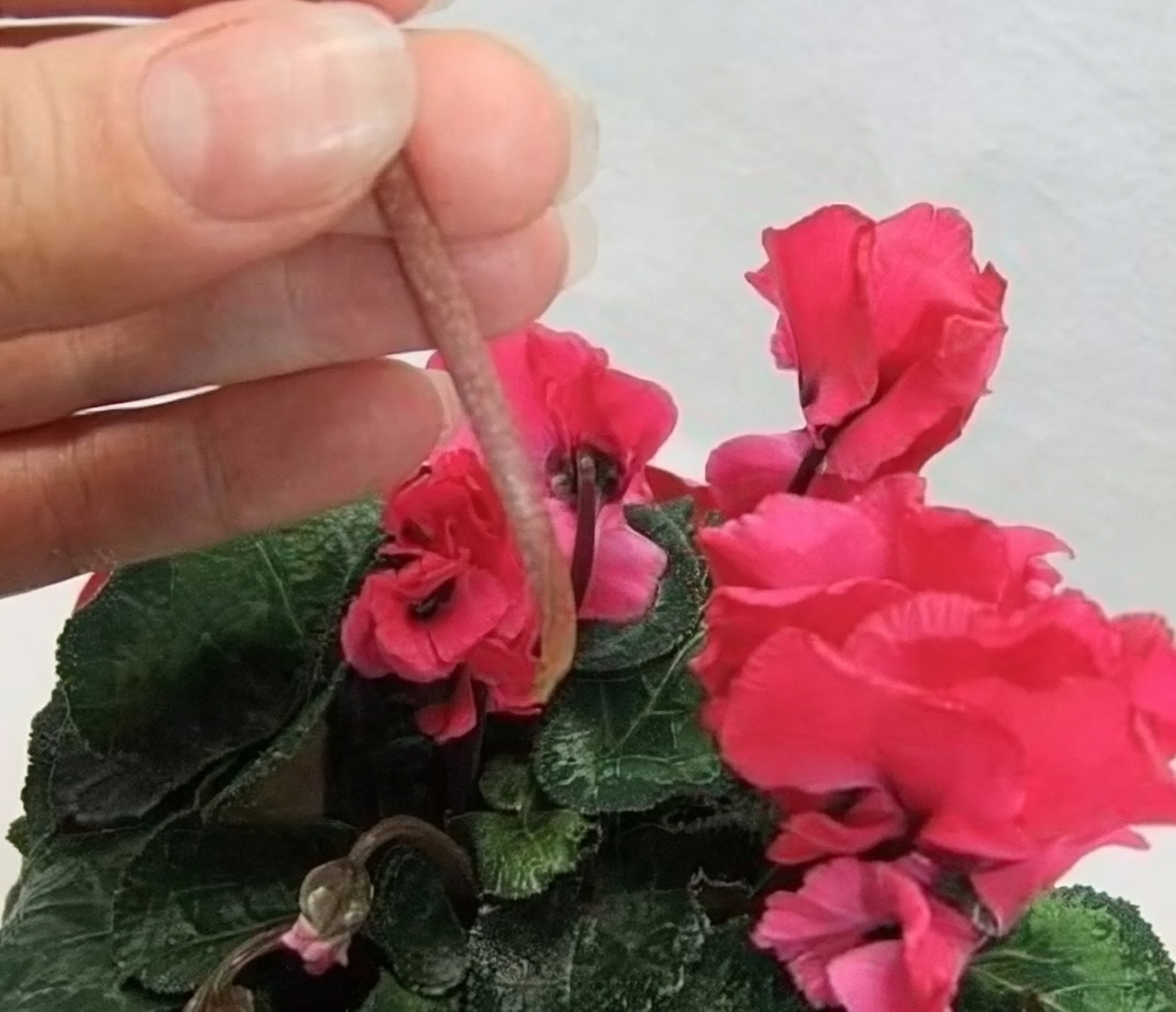
- Remove spent flowers/yellow leaves by gently twisting and pulling the stem from the base—don’t cut. Cutting stubs can invite rot.
Aftercare (this week)
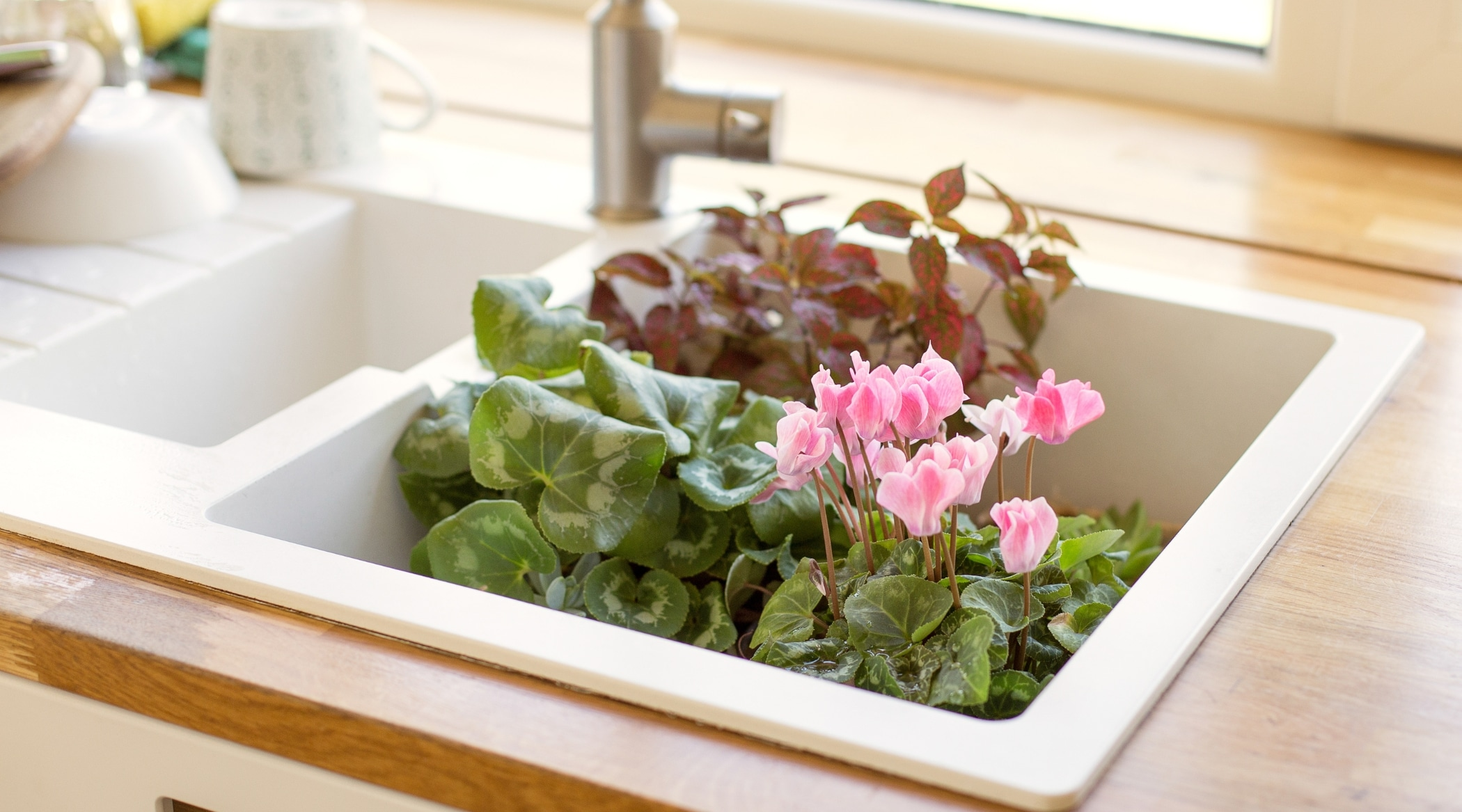
- Check drainage: A rich but well‑draining, slightly acidic mix is essential. If roots are fine but the mix compacts or stays soggy, repot into fresh, free‑draining medium, keeping the top third of the tuber slightly exposed.
- Keep it cool: Aim for 15–21°C (60–70°F) days; cooler nights are ideal. Warm rooms accelerate stress and rot risk.
2) Bacterial soft rot (urgent—usually unsalvageable)
Red flags
- Rapid collapse of leaves and flower stalks.
- Crown or petiole bases are soft, wet, and tan/brown; a foul smell is common.
- The tuber may feel mushy; ooze can appear at wounds.
- Often follows water splashed into the crown, warmth, and overcrowded, humid conditions.
First aid (right now)
- Isolate, bag, and bin: Most cases cannot be saved. Double‑bag the plant, soil, and debris; do not compost.
- Disinfect: Clean tools, saucers, and surfaces with a 10% bleach solution or 70% alcohol. Wash hands or wear gloves.
- Audit your setup: Overhead watering, wet crowns, warm spots, and stale air set the stage—fix these before reintroducing new plants.
Prevention (going forward)
- Always bottom‑water and keep the crown/tuber top dry.
- Provide strong drainage and avoid oversized pots.
- Maintain cool conditions and good airflow.
- Start with healthy plants: firm tubers, crisp leaves, and no soft or mushy crown tissue.
3) Gray mold (Botrytis cinerea), aka “gray fuzz”
What it looks like
- Tiny, water‑soaked flecks on flower petals that turn tan; spots may have intense color halos on deep-toned blooms.
- Stalks of developing leaves/flowers may collapse.
- Under humid conditions, a gray‑brown fuzzy mold coats dead or dying tissue. In heavy infections, whole portions can collapse.
First aid (today)
- Clean cuts without cuts: Remove all affected blossoms and yellowing/soft leaves by twisting and pulling from the base; bag and bin immediately.
- Dry the canopy: Increase spacing; run a small fan to keep air moving around, not at, foliage. Avoid still, humid corners.
- Time your water: Bottom‑water in the morning so surfaces dry by night. Never splash water onto leaves, stalks, or the crown.
- Lower humidity peaks: Pebble trays are fine, but pair with airflow. Avoid clustering plants tightly.
- Keep it away from fruit bowls: Ethylene from ripening fruit can increase disease issues—don’t park your cyclamen beside the bananas.
What not to expect
- For home gardeners, there are no reliable chemical controls to spray away gray mold. Hygiene and airflow are your best tools.
Your Quick Hygiene and Airflow Routine
The 5‑minute daily habit
- Morning glance: Flick off any spent blooms or yellowing leaves by twisting from the base; remove fallen petals from the pot surface.
- Dry crown check: Ensure no water or condensation sits in the crown or on petiole bases.
- Breeze on low: Run a small fan nearby to keep air gently moving; rotate the pot every few days for even light and air.
- Water smart: Only when the top 2–3 cm is dry—bottom‑water, then drain fully.
The 15‑minute weekly reset
- Spacing: Keep leaves from touching neighboring plants; more light reaches lower leaves, which delays natural senescence and reduces Botrytis targets.
- Surface sweep: Wipe windowsills and trays; wash saucers. Disinfect snips if you used any.
- Pot check: If the mix smells sour or stays wet too long, consider repotting into a fresh, well‑draining medium, with the tuber’s top third exposed.
- Air refresh: Open a window briefly (if temperatures allow) or let the fan run a little longer for a drier, fresher microclimate.
Environment tweaks that make or break a cyclamen
- Light: Bright, indirect light is ideal. Avoid hot direct sun.
- Temperature: Cool is key—about 15–21°C (60–70°F) by day, 4–10°C (40–50°F) at night. Sustained warmth, especially above ~20°C (68°F), shortens bloom life and ups disease risk.
- Humidity with discipline: Moderate to high humidity is fine if there’s air movement and a dry crown.
- Soil and potting: Rich but free‑draining mix; don’t bury the crown. Repot every couple of years during summer rest, just one pot size up.
- Feeding: During active leafy growth, feed lightly every 2–3 weeks with a diluted, low‑nitrogen liquid feed. Pause at peak bloom and through dormancy.
Don’t mistake rest for distress
After months of bloom (often peaking winter), cyclamen naturally ease toward a rest phase. Leaves may yellow and drop as spring approaches. That’s normal. Reduce watering gradually, keep the tuber cool and mostly dry in summer, then resume watering and feeding in fall when new growth appears. Disease, by contrast, tends to be sudden, smelly (in the case of soft rot), or visibly fuzzy (gray mold).
Safety notes
- Toxic if ingested (especially the tuber). Keep away from pets and children.
- Wear gloves when removing diseased tissue; bag all debris. Disinfect tools and hands before handling other plants.
Quick reference: Which problem is it?
- Overwatering
- Soil: wet; pot heavy
- Crown: firm
- Smell: earthy, not foul
- Look: limp/yellow but no fuzz
- Action: drain, bottom‑water only, cool air
- Bacterial soft rot
- Soil: may be wet
- Crown: mushy, wet; petiole bases collapse
- Smell: foul, sour
- Look: rapid collapse, possible ooze
- Action: discard plant and soil; disinfect; reset watering/airflow
- Gray mold (Botrytis)
- Soil: variable
- Crown: may be sound at first
- Smell: often neutral
- Look: water‑soaked flecks → tan spots; fuzzy gray growth on dead tissue; stalks collapse
- Action: remove infected parts, increase airflow/spacing, keep surfaces dry, morning bottom‑water
With a cool head, cool temperatures, and crisp hygiene, Cyclamen persicum will reward you with weeks of airy, reflexed blooms and marbled hearts—no drama needed.