

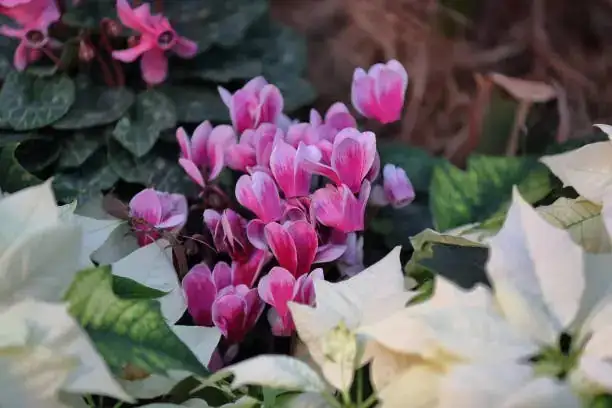
If you’ve ever fallen for the winter-blooming charm of Cyclamen persicum—those heart-shaped, silver-marbled leaves and butterfly-like flowers—you already know it’s a plant of poise. But when pests sneak in, poise gives way to puckered leaves, stalled buds, and mystery damage. This guide walks you through close-up signs to look for, how to quarantine like a pro, smart control options, and why cool, airy rooms are your best defense—especially against the mite menagerie.
A 30-second refresher on Cyclamen persicum
- What it is: A compact, tuberous perennial from Mediterranean roots, commonly sold as “Florist’s Cyclamen,” “Persian Cyclamen,” or “Sowbread.”
- Why it’s special: Winter blooming (usually Nov–Mar), reflexed petals in white, pink, red, or purple, and striking, marbled foliage.
- What it likes: Bright, indirect light; cool days around 60–70°F (15–21°C) and cooler nights 40–50°F (4–10°C); moderate to high humidity with good air movement; rich, free-draining, slightly acidic mix.
- House rule: Keep the tuber’s crown dry—bottom-water and drain thoroughly.
The fast pest ID guide: what you’ll see up close
Grab a 10–20× hand lens if you can—many culprits are nearly invisible.
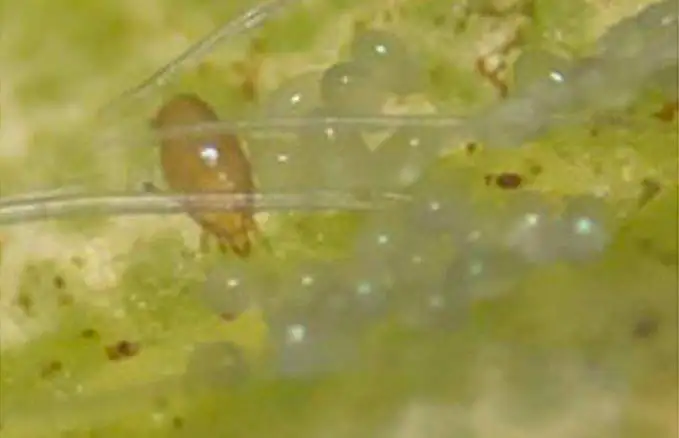
- Cyclamen mites (tarsonemid mites)
- Look-for clues: New leaves are small, thickened, twisted, or cupped; petioles feel “stiff”; buds fail to open or look browned and misshapen. Damage concentrates deep in the crown, buds, and leaf axils. No webbing.
- Where to inspect: Peel back a deformed bud or check between petiole bases at the plant’s center.
- Spider mites
- Look-for clues: Fine stippling on leaves, bronzing or dullness, and in heavier cases, wispy webbing (often at leaf undersides and between petioles). Leaves may feel dusty.
- Where to inspect: Undersides of leaves and along the midrib.
- Aphids
- Look-for clues: Soft-bodied green or black clusters on flower stalks and undersides of young leaves; sticky honeydew and possible sooty mold.
- Where to inspect: Fresh flower stems, developing buds, and tender growth.
- Vine weevils (adults and larvae)
- Look-for clues: Adults leave neat, U-shaped notches on leaf margins; larvae in the potting mix chew roots and the tuber, causing wilting or sudden collapse despite moist soil.
- Where to inspect: Nighttime leaf edges for adults; root ball and tuber for cream-colored “C”-shaped grubs.
Tip: Not all yellowing is a pest problem. Cyclamen naturally winds down after winter bloom. If the plant is entering rest and older leaves yellow evenly, that can be normal. Patchy distortion, sticky residue, or thickened, cupped growth points to pests.
Quarantine like a pro (new plants and suspected outbreaks)
- Isolate immediately for 14–21 days, ideally in a cool, bright, separate room.
- Place on an easy-to-clean surface; keep 3–6 feet away from other houseplants.
- Dedicate tools for the quarantine area; wash hands between plants.
- Use yellow sticky cards to monitor flying pests (aphids). Replace weekly.
- Remove and bag any distorted buds, spent flowers, or yellowing leaves. Seal before binning.
- Bottom-water only; avoid splashing the crown or surrounding surfaces.
- After handling, wipe surfaces with a mild disinfectant. Launder cloths used in the area.
Control playbooks by pest
Cyclamen mites
These tiny, crown-hugging pests are masters of stealth and distortion.
- What to do now
- Isolate the plant.
- Manually remove and bag the worst buds and deformed growth from the base by gently twisting and pulling the entire stem (preferred for cyclamen). Do not leave stubs.
- Increase gentle airflow around the plant to prevent stagnant, moist pockets deep in the crown.
- Consider biological controls if available locally: predatory mites (often sold as Neoseiulus/Amblyseius cucumeris) can help in early infestations.
- If using a product, choose a miticide labeled for cyclamen mites and indoor ornamentals. Apply as directed, targeting the crown and developing buds. Test on a small area first—cyclamen foliage can be sensitive. Repeat weekly to catch hatch cycles.
- Heavily deformed crowns may be best discarded to protect other plants.
- Longer-term prevention
- Keep the plant cool and airy with moderate humidity and constant light air movement so moisture doesn’t linger in the crown.
- Avoid overhead misting and crowding; space plants so leaves don’t touch.
- Sanitize promptly: remove spent blooms and yellowing leaves from the base.
Spider mites
Hot, dry, and stuffy air is their happy place—especially on stressed plants.
- What to do now
- Isolate; increase humidity slightly and improve airflow without blasting the plant.
- Rinse leaf undersides gently with lukewarm water, keeping the crown dry, or use a handheld sprayer to target undersides. Let excess drain.
- Follow with insecticidal soap or a light horticultural oil labeled for indoor use; coat undersides thoroughly. Repeat every 5–7 days for 3–4 cycles.
- Predatory mites (e.g., Neoseiulus californicus) can suppress light populations.
- Longer-term prevention
- Keep temperatures on the cool side of comfortable and avoid dry, heated drafts.
- Maintain moderate humidity (50%+) with a humidifier or pebble tray while ensuring good air movement.
Aphids
They favor tender stems and buds, then leave sticky messes behind.
- What to do now
- Pinch or wipe off clusters; bag infested blooms.
- Spray with insecticidal soap, covering stems and leaf undersides. Rinse gently after the labeled contact time, keeping the crown dry.
- Use yellow sticky cards to catch winged aphids.
- Longer-term prevention
- Check store-bought plants for hidden colonies before they join your collection.
- Keep a bright, cool environment—plants under stress are aphid magnets.
Vine weevils
The leaf notches are unsightly, but larvae are the real threat to tubers.
- What to do now
- Hand-pick adults at night with a flashlight.
- If you suspect larvae, unpot gently and inspect the root ball and tuber. Remove grubs and refresh with a clean, free-draining mix. Keep the top third of the tuber above the soil line.
- Beneficial nematodes (e.g., Heterorhabditis species) can be watered into the potting mix according to label directions during their effective temperature window.
- Longer-term prevention
- Avoid moving cyclamen outdoors where weevils are common, or use physical barriers and careful monitoring.
- Repot during summer rest every couple of years into fresh, well-draining mix.
Why cool, airy rooms are your secret weapon
Cyclamen persicum is built for cool seasons. Give it:
- Day 60–70°F (15–21°C), nights 40–50°F (4–10°C)
- Bright, indirect light
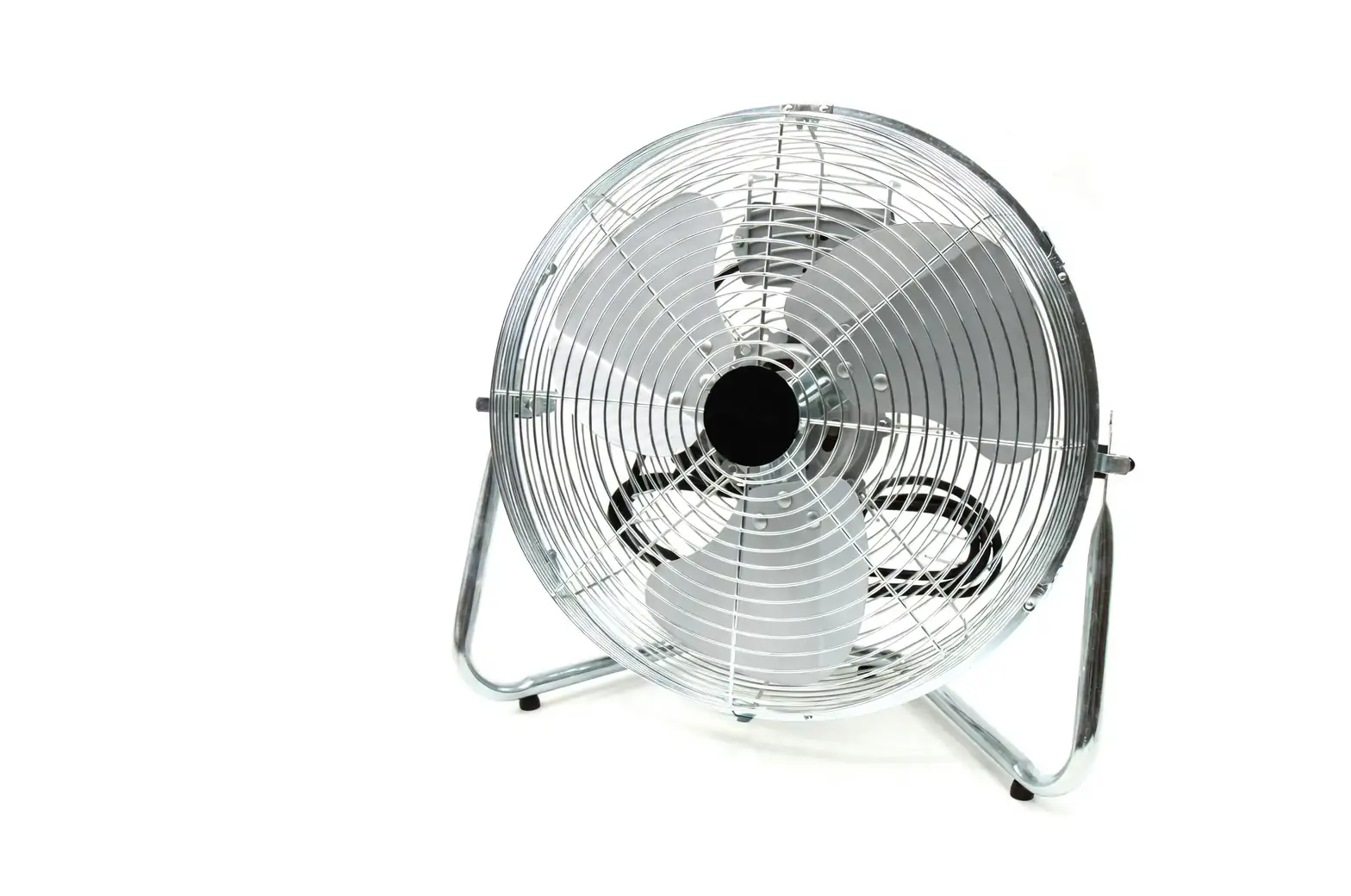
- Moderate to high humidity with steady air movement
This combo:
- Keeps spider mites at a disadvantage (they thrive in hot, dry, stagnant air).
- Reduces plant stress so new leaves and buds develop sturdier, less pest-prone tissues.
- Prevents clammy, stagnant pockets in the crown that favor hidden pests and gray mold.
Think of it as “crisp mountain air” for your cyclamen: cool, fresh, and gently moving.
Sanitation and watering habits that shut down problems
- Bottom-water only; let the pot soak, then drain thoroughly. Keep the crown and tuber top dry to deter rot.
- Deadhead properly: twist and pull spent flower stems and yellowing leaves from the base—don’t snip and leave stubs.
- Space plants so leaves don’t touch; use a small fan for soft, constant air movement.
- Avoid hot sun and heater blasts; both stress the plant and tip the scales toward mites.
- Repot during summer rest every 2 years into a rich, well-draining mix; keep the top third of the tuber exposed.
When damage isn’t a pest
- Natural rest: After peak bloom (late winter to spring), leaves may yellow as the plant prepares for a summer rest. Gradually reduce watering and keep the pot cool and airy.
- Overwatering lookalike: Mushy crowns, foul smell, and generalized yellowing often point to rot, not insects. Improve drainage, water less often, and keep the tuber top dry.
Timing your vigilance: a quick calendar
- Fall (Sep–Nov): New growth; inspect crowns closely as buds form. Resume feeding and regular watering.
- Winter (Dec–Feb): Peak bloom; monitor for aphids and mites on flower stalks and young leaves. Keep conditions cool and bright.
- Spring (Mar–May): As flowering wanes, watch for spider mites if indoor air warms and dries.
- Summer (Jun–Aug): Rest period; keep mostly dry and cool. Quarantine any new purchases now so they don’t seed pests into fall growth.
Safety notes (people, pets, and products)
- Cyclamen is toxic if ingested—especially the tuber. Keep away from pets and children.
- When using soaps, oils, or miticides indoors, ventilate well, follow labels precisely, and test on a small area first. Avoid spraying open flowers and never drench the crown.
Parting thought
Cyclamen persicum rewards a watchful eye. A hand lens, a cool breeze, and the habit of twisting spent stems from the base will prevent most headaches. When in doubt, isolate, inspect the crown closely, and act early. With crisp air and calm hands, those “butterflies” will keep dancing through winter.


