

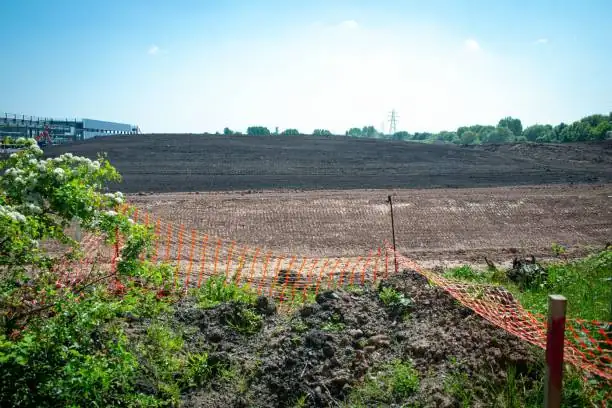
Sunflowers wear two faces: one we know—cheerful disks that track the day; one that’s more hardhat-and-clipboard—plants studied as living tools for pulling pollutants from soil and water. If you’ve heard they “clean up” heavy metals or even radioisotopes, you’ve heard the glamorous version. The full story is more interesting, more useful—and more cautious. Here’s a clear-eyed tour of what Helianthus annuus can and can’t do, plus what to know before anyone snacks on seeds from a phytoremediation plot.
Why sunflowers for cleanup?
Sunflowers are fast-growing, big-bodied annuals in the daisy family (Asteraceae). Originating in North America and now grown worldwide for seed and oil, they bring a few practical traits to remediation work:
- Speed and biomass: quick growth and hefty stems/leaf area give more “living filter” per season.
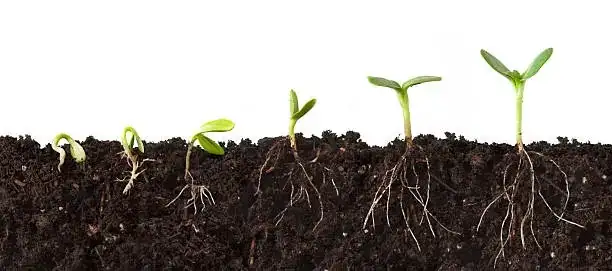
- Deep, sturdy roots: a taproot with a fibrous network helps explore the upper soil profile and access water for rhizofiltration in wet setups.
- Adaptability: they tolerate a range of well-drained soils and thrive in full sun—easy to deploy in gardens and field trials.
- Easy seed supply and handling: abundant, inexpensive seed makes large plantings feasible.
Note: they’re warm-season annuals—wait for soil to warm above 10°C/50°F, and give them 6–8+ hours of direct sun for strong growth.
What pollutants can sunflowers actually take up?
Heavy metals and metalloids (where they do best)
Research and field trials have shown sunflower can absorb and/or stabilize several metals in soil or water:
- Lead (Pb): often retained strongly in roots; shoots can carry some fraction. Useful more for stabilization in soil and rhizofiltration in water than for rapid soil “decontamination.”
- Cadmium (Cd) and Zinc (Zn): relatively mobile in plants; uptake into shoots is documented.
- Copper (Cu) and Nickel (Ni): uptake occurs, though efficiency varies with soil chemistry.
- Chromium (Cr): uptake depends on speciation (Cr(VI) vs. Cr(III)) and bioavailability; results are mixed.
- Arsenic (As): variable and generally trickier; sunflower is not a reliable hyperaccumulator.
The catch: sunflower is a competent accumulator for some metals, but it is not a universal hyperaccumulator. Soil chemistry (pH, organic matter), competing nutrients, and the metal’s form all control how much the plant can access.
Radionuclides (selective promise)
Sunflowers have been studied for:
- Cesium isotopes (e.g., 137Cs): behavior in plants broadly mimics potassium. Uptake is demonstrated especially in water-based systems (rhizofiltration). In soils, results fluctuate with potassium levels and site conditions.
- Strontium isotopes (e.g., 90Sr): behaves like calcium; sunflower can take it up, again with more consistent success in water than heterogeneous soils.
They are not a cure-all for nuclear sites, but they’ve been one of the “model” species explored in radionuclide phytoremediation, particularly for contaminated water.
Organic contaminants (don’t expect miracles)
For petroleum hydrocarbons and other organics, sunflowers may assist mostly via rhizosphere effects—root exudates and microbes breaking compounds down. Direct uptake/degradation by the plant is limited compared to what soil microbes can accomplish. If organics are your main concern, look to strategies that emphasize microbial remediation, sometimes with plants as supportive partners.
How phytoremediation with sunflower works
Sunflowers can participate in several complementary pathways:
- Phytoextraction: roots absorb dissolved metals, which move to shoots you later harvest and remove.
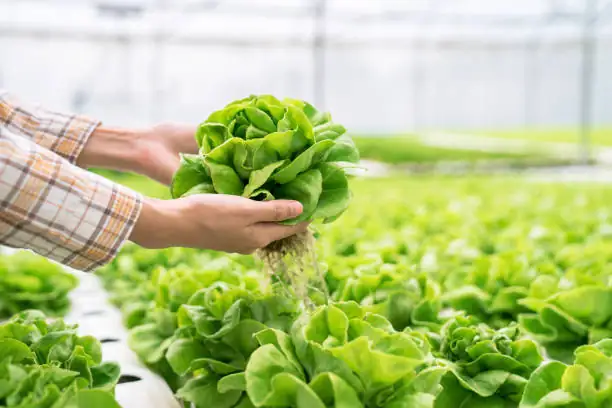
- Rhizofiltration: roots grown in water (or saturated substrates) adsorb/absorb metals and radionuclides—useful for ponds, sumps, or hydroponic reactors.
- Phytostabilization: dense roots and cover reduce dust and erosion, keeping contaminants in place and less bioavailable, even if not removed quickly.
Each pathway has different logistics and expectations. Rhizofiltration often shows faster “numbers on paper.” Soil phytoextraction is slower, incremental, and chemistry-dependent.
The realistic limits (read this before you plant)
- Speed: phytoextraction in soil is not fast. Expect small percentage reductions per growing season, not an instant clean slate.
- Depth: sunflowers primarily affect the root zone they reach—usually the topsoil. Deeper contamination remains.
- Bioavailability is everything: if metals are locked in minerals or bound to organic matter, plants can’t access them. Lower pH tends to increase metal availability—but intentionally acidifying soils at home is risky.
- Not a hyperaccumulator for all targets: sunflower does well with some metals and radionuclides, modestly or poorly with others.
- Chelating agents (like EDTA) can boost metal availability—yet also increase leaching into groundwater. They’re inappropriate for most home and community gardens.
- Climate and culture matter: full sun and steady—not soggy—moisture are essential to get the biomass you need for any measurable effect.
The big safety question: Can you eat sunflowers grown for cleanup?
Short answer: don’t. If you’ve planted sunflowers on potentially contaminated soil or water:
- Do not eat the seeds, sprouts, leaves, or petals.
- Do not feed those seeds to pets, livestock, or wild birds.
- Assume pollen/nectar may carry traces of metals; consider using pollenless cultivars or removing flower heads to avoid exposing pollinators if contamination is significant.
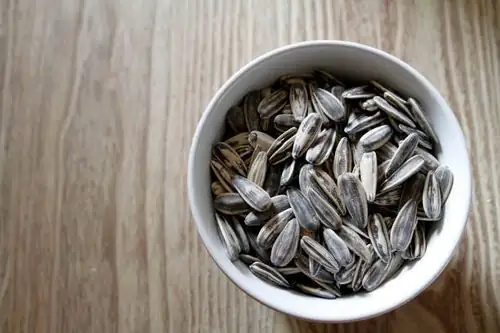
Save edible seed production for clean, tested soil (or raised beds with uncontaminated mix). Sunflower is generally non-toxic as a species, but phytoremediation turns it into a possible contaminant concentrator. When in doubt, test first and keep “remediation” and “snacking” plantings completely separate.
Handling the harvest: what to do with contaminated biomass
The job isn’t done when you cut the stems—how you manage plant waste is crucial.

- Never compost it. Composting recycles metals back into your garden.
- Bag and label plant material; follow local solid-waste guidance. Some municipalities allow double-bagged disposal; others have specific hazardous-waste routes.
- Ash concentrates metals. Backyard burning is a hard no.
- For larger or institutional projects, safer end-points (studied in current research) include:
- Incineration with proper filtration, then secure management of metal-rich ash.
- Gasification or pyrolysis to reduce volume and capture energy; metals still concentrate in the solid residue and must be handled safely.
- For radioactive biomass, solidification and regulated storage are favored for long-term safety.
Choose a pathway that prevents metals from re-entering soils or waterways.
A practical game plan for gardeners and community groups
- Test first: map hot spots (near old painted structures, drip lines, downwind of traffic, fill areas). Repeat testing after seasons of remediation to track real change.
- Set goals: stabilization (dust control) is often more achievable than rapid extraction in soil. Use mulch and groundcover between sunflower rows to limit erosion.
- Choose cultivars for biomass: tall, vigorous types create more shoot mass per season. Plant densely enough for canopy closure, but keep airflow to reduce disease.
- Grow strong plants:
- Full sun, well-drained soil, steady moisture during bud set.
- Avoid overfertilizing; excessively lush, weak stems help neither safety nor yield.
- Skip EDTA and aggressive soil acidification: they increase environmental risk.
- Protect pollinators if contamination is high: use pollenless branching cultivars or remove heads before full anthesis.
- Harvest and handle waste responsibly: bagged, labeled, and out of the compost.
- Re-test and replant: expect multiple seasons. Combine with other approaches (clean fill in raised beds for edibles; turf or native grasses for stabilization) to meet real-world goals.
Myths, clarified
- “Sunflowers cleaned up nuclear disasters.” They have been used to remove radionuclides from contaminated water bodies and in research plots, but they did not “clean” entire landscapes. Results depend heavily on the medium (water vs. soil), chemistry, and ongoing management.
- “One summer and my soil is safe.” Unlikely. Remediation is incremental, site-specific, and requires verification by testing.
- “Sunflower is the best plant for every pollutant.” No single species is best for all cases. Willows, poplars, and brassicas can outperform sunflower for certain contaminants or conditions. Sunflower’s strengths are speed, biomass, and ease of use, not universal superiority.
Quick culture notes (because thriving plants work harder)
- Sun: 6–8+ hours of direct light.
- Soil: loose, well-drained, pH about 6.0–7.5.
- Water: keep evenly moist while establishing; avoid waterlogging.
- Temperature: best growth around 15–30°C (59–86°F); protect from frost.
- Pests/disease: aphids, mites, leaf spots, mildews—good spacing and watering at the base help. Sturdy, healthy plants accumulate more and stand up better to weather.
Symbolism meets soil: the flower language, honestly
Sunflowers have long symbolized loyalty, adoration, and the joyful pursuit of light—Victorian floriography and cultural traditions cast them as emblems of optimism. In remediation, that optimism needs realism: their bright faces can help, but only with patient, methodical steps and sensible safety. Let the symbolism inspire the project—and let the soil tests guide the decisions.
Bottom line
Helianthus annuus can assist in removing or stabilizing certain heavy metals and radionuclides—especially effective in water-based systems and as a steady, seasonal helper in soils. It’s not a magic sponge, and it’s not a free pass to eat seeds from questionable ground. Use sunflowers as part of a broader, test-and-verify plan: grow them strong, manage the biomass safely, and pair them with strategies that make your landscape both beautiful and responsibly cleaner over time.


