

Sunflowers can be architecture, not just ornament. With their fast growth, muscular stalks, and big, bee-drawing blooms, Helianthus annuus is a natural for living trellises and seasonal windbreaks—so long as you plan spacing and crop rotation with care. Here’s how to turn those “suns” into sturdy, pollinator-humming garden infrastructure that plays nicely with the rest of your beds.
Meet the plant in one minute
- Botanical snapshot: Helianthus annuus (Asteraceae), a cheery, fast-growing annual from North America that thrives in full sun and well-drained soil.
- Size: From 30–60 cm (12–24 in) dwarfs to 1.2–3.5 m (4–12 ft) garden types; true giants can exceed 9 m (30 ft).
- Sun behavior: Young plants track the sun (heliotropism); open, mature heads usually face east—this morning orientation helps warm the blooms and entice pollinators.
- Bloom window: Summer to autumn; individual blooms last about 7–10 days. Succession sowing keeps color and nectar flowing.
Living trellises: let vines climb your sun towers
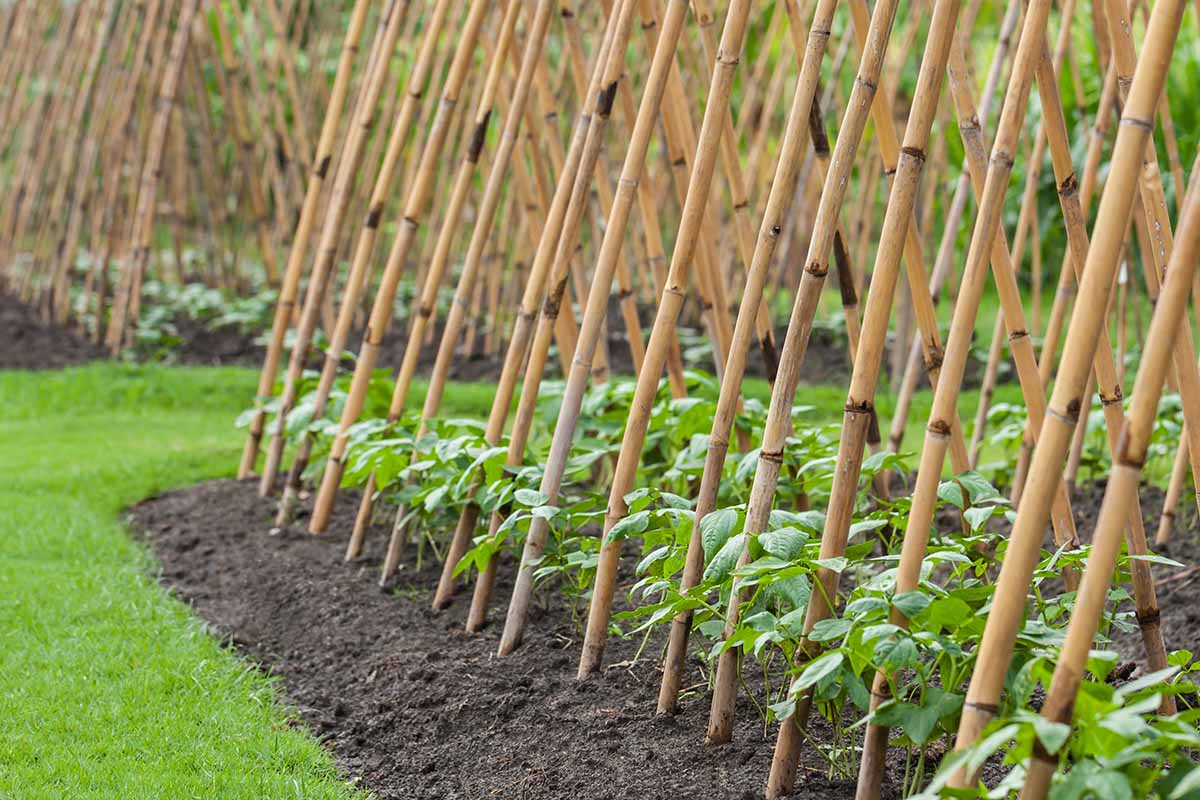
The strongest trellis partners are light, twining climbers that won’t yank sunflowers over. Think pole beans and smaller-fruited cucumbers on tall, single-stem sunflower varieties.
Sunflowers + pole beans (classic, reliable)
- Choose the sunflower: A tall, single-stem type planted 45–60 cm (18–24 in) apart in a row.
- Timing: Direct-sow sunflowers 2.5–4 cm (1–1.5 in) deep after frost when soil is >10°C (50°F). Plant beans only when the sunflower stalks are about 30 cm (12 in) tall and firmly rooted.
- How to plant: Put 1–2 bean seeds on the south or east side of each stalk so both plants get sun.
- Training: As vines appear, loosely guide them with a soft tie around the sunflower stem. Limit to 1–2 bean vines per sunflower.
- Pro tip: In windy spots, run a taut twine “rail” along the row at knee and hip height to share the load among multiple stalks.
Sunflowers + cucumbers (works with a little assist)
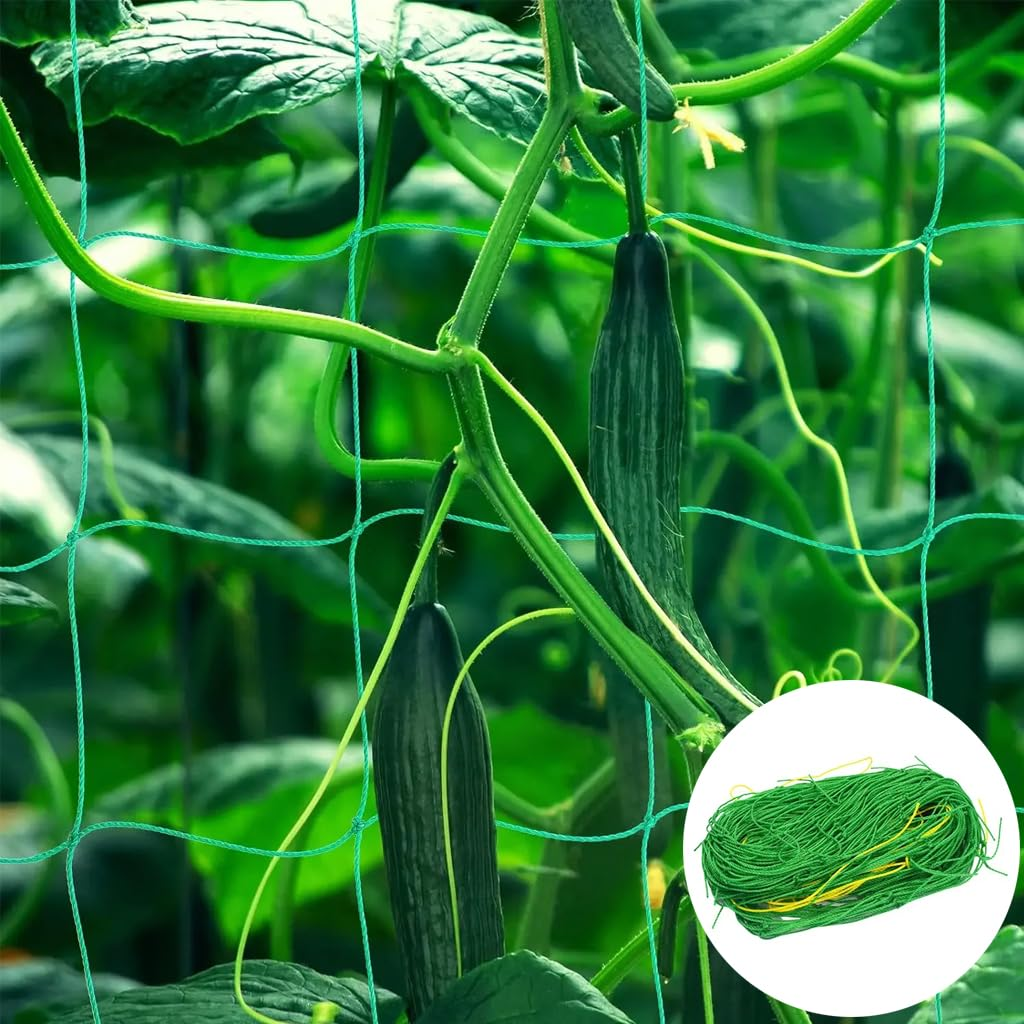
- Choose the cucumber: Smaller, lighter fruits (pickling types) are easiest.
- Scaffold hack: String a few horizontal lines of twine or a light net between sunflower stalks; cucumbers naturally grab thinner supports, then lean on the sunflower stems.
- Timing: As with beans, wait until sunflowers are 30 cm (12 in) tall before sowing cucumbers nearby.
- Load management: Space sunflowers 45–60 cm (18–24 in) apart and keep 1 cucumber vine per stalk to avoid toppling.
- Harvest tip: Keep developing cukes supported; heavy fruit tugging from one side can stress stems.
Quick living-trellis do’s and don’ts
- Do choose single-stem, tall sunflowers for best “posts.”
- Do start vines only after sunflowers have anchored well.
- Do add a discreet net or twine grid between plants to distribute weight.
- Don’t let vines spiral into the flower head; guide them along the lower stem.
- Don’t pair with very heavy climbers (large gourds) that can lever stalks over.
Build a breezy windbreak without blocking the sun

Sunflowers make a beautiful seasonal screen for young transplants—just set them where they shelter without stealing light.
- Placement: Plant on the windward edge of the bed (and on the north edge in the Northern Hemisphere) so they shield without shading.
- Pattern: A double row in a zigzag works well. Space plants 30–45 cm (12–18 in) within rows, with 45–60 cm (18–24 in) between rows.
- Height layering: Mix a back row of tall, single-stem types with a front row of mid-height, branching types to slow wind gradually rather than create turbulence.
- Anchoring: In very windy sites, stake the end plants and run a sturdy twine along the row; tie stems loosely at two heights.
- Water smart: Water at the base; avoid wetting heads and foliage to reduce mildew and rust.
Spacing and layout to dodge shade issues
Sunflowers love full sun (6–8+ hours), and they can hog it if you’re not strategic.
- North-side rule: Put tall sunflowers on the north side of beds so they don’t cast long afternoon shadows over sun-hungry crops.
- Buffer zones:
- Giants: 90–120 cm (3–4 ft) from sun-loving neighbors.
- Standard tall/branching: 60–90 cm (2–3 ft).
- Dwarfs: 20–30 cm (8–12 in) is plenty.
- Row orientation: North–south rows spread sun more evenly across the day.
- Shade to your advantage: Afternoon dapple from sunflowers can help cool lettuce and spinach in high summer—just keep airflow good to deter disease.
- Containers: Even compact sunflowers need depth; aim for at least 30 cm (12 in) wide and 40 cm (16 in) deep pots with excellent drainage.
Bee magnet mode: design for pollinators

Sunflowers are famously attractive to bees, but a few choices amplify that effect.
- Choose pollen-rich, open-centered varieties if your goal is pollinators. Pollenless cuts are great indoors but offer less for bees in the garden.
- Sow in waves: Succession sow every 10–14 days to keep nectar and pollen coming all season.
- Plant in clumps or short blocks so blooms are easy for pollinators to find.
- Face the dawn: Mature heads often face east naturally, warming earlier and drawing morning bees—another reason east-facing borders shine.
- Water and sprays: Offer a shallow water dish with pebbles; avoid broad-spectrum insecticides. Spot-treat pests with soaps or oils only when needed.
Crop-rotation and soil-health playbook
Treat sunflowers like a one-season crop that deserves a rotation break, especially to sidestep soil diseases.
- Rotation interval: Give sunflower spots a 3–4 year rest before growing sunflowers (or close Asteraceae relatives) there again. This helps break cycles of issues like white mold (Sclerotinia), rust, and leaf spots.
- Follow-crop ideas: After sunflowers, rotate to cereals (corn, oats), onions/garlic, or brassicas. Avoid immediately following with other Asteraceae (e.g., lettuce) in that same soil.
- Residue handling:
- At season’s end, cut stalks at the base and leave roots to decompose—great for soil structure and microbes.
- Remove and discard any diseased leaves/heads rather than composting them.
- Moisture management: These are drought-tolerant once established, but consistent, non-soggy watering during bud and bloom keeps plants sturdy and less disease-prone.
- Feeding: In rich beds, little extra fertilizer is needed. In lean soil or containers, use a slow-release feed at planting or periodic liquid “bloom” fertilizer, avoiding overfeeding that causes weak stems.
- A note on residues and neighbors: Some gardeners notice that fresh sunflower debris or dense layers of seed hulls can be tough on nearby seedlings. If you see this in your beds, compost residues fully before reusing and keep a small buffer of clean soil around emerging plants.
Step-by-step: a sample layout that works
- North edge: Double row of tall single-stem sunflowers as windbreak, spaced 45–60 cm (18–24 in), zigzagged; run a support twine along the row.
- At each sunflower base: One pole bean planted when the stalk is 30 cm (12 in) tall.
- Between sunflower rows: A light trellis net for cucumbers to grab, with vines guided to adjacent stalks.
- South of the windbreak: Tomatoes and peppers in full sun.
- East side under light shade: Summer lettuce and herbs that appreciate afternoon relief.
Quick calendar for success
- Spring
- After frost, when soil >10°C (50°F), direct-sow sunflower seeds 2.5–4 cm (1–1.5 in) deep; keep evenly moist.
- Begin light feeding once growth kicks in.
- Early summer
- Stake tall types if needed.
- Start beans/cucumbers when sunflowers are ~30 cm (12 in) tall.
- Succession sow new sunflowers every 10–14 days for continuous bloom.
- Late summer to autumn
- Water more during heat, especially through bud and flowering.
- Harvest seeds when the back of the head turns brown; net heads if birds or squirrels arrive early.
- Remove diseased foliage promptly; water at the base, not over the heads.
Troubleshooting mini-guide
- Floppy stems: Often from low light or overfertilizing. Move to full sun and ease up on nitrogen-heavy feeds.
- Uneven heads or drooping leaves: Usually not enough direct sun; ensure 6–8+ hours.
- Pests: Aphids, mites, beetles, and sunflower moth can appear—treat early with insecticidal soap or horticultural oil. Expect wildlife interest; net seed heads you plan to keep.
- Diseases: Powdery/downy mildew, rust, leaf spots, Sclerotinia, and Fusarium wilt are all deterred by full sun, airflow, well-drained soil, and base-watering.
A small note on meaning (the “flower language” of sunflowers)
Sunflowers have long symbolized warmth, loyalty, and the joyful “pursuit of light.” Part of that charm is botanical: young plants literally follow the sun each day, then mature blooms settle facing east, greeting morning light and early-rising pollinators. Culturally, a Greek tale of the nymph Clytie—captivated by the sun god Helios—has been linked to this sunward leaning. Whether or not myths made the meaning, the message stuck: optimism, steadfastness, and radiant good cheer.
—
With smart spacing, a touch of stringwork, and thoughtful rotation, Helianthus annuus becomes more than a pretty face. It’s a living trellis, a gentle windbreak, and a nectar station—garden infrastructure that hums, climbs, and smiles back at you all season.