

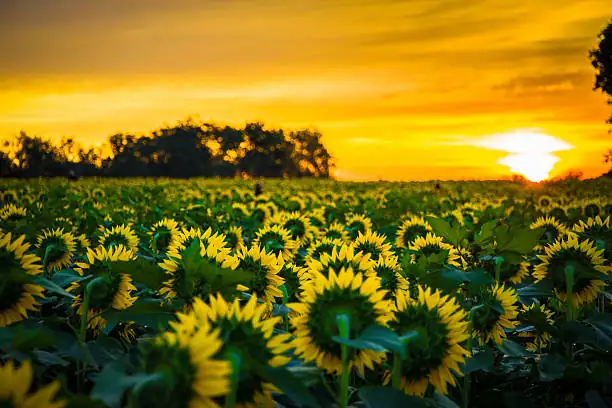
At sunrise, a field of young sunflowers seems to breathe with the day—heads turning east to west and back again, as if following a beloved across the sky. This living choreography, called heliotropism, didn’t just make Helianthus annuus a photographer’s dream; it lit the fuse for centuries of symbolism, from Greek myth and Victorian floriography to East Asian huayu traditions and today’s gift-giving culture.
Meet the plant behind the poetry
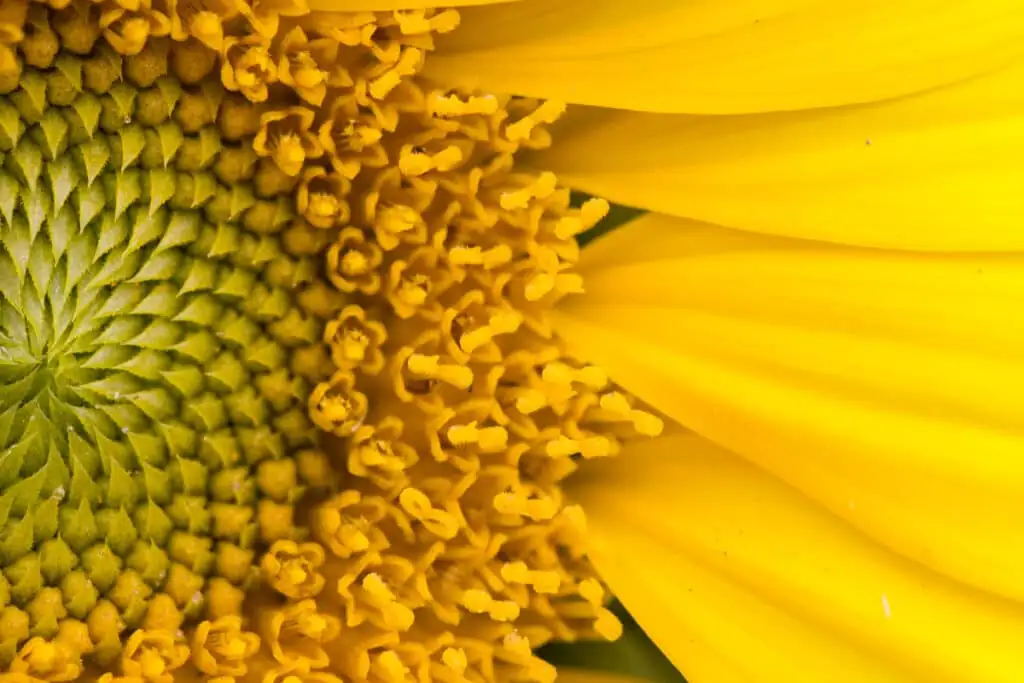
Helianthus annuus—Sunflower, or 向日葵 in Chinese—is a fast-growing annual daisy native to North America. Its sunny “face” is actually a composite head: bright, typically sterile ray florets around a working factory of fertile disk florets that mature into seeds. Young plants famously track the sun, while mature open heads usually settle facing east, warming quickly to greet pollinators. The plant’s charisma runs from backyard borders to vast seed-and-oil fields, and its symbolism is just as expansive: warmth, loyalty, adoration, positivity, and the joyful pursuit of light.
How a moving plant wrote its own flower language
Heliotropism gave the sunflower its metaphor.
- What it does: Buds and immature heads pivot through the day, then “reset” overnight. Once the flower opens fully, the head typically points east.
- What we saw in it: A steadfast gaze. Devotion. An instinct to seek light even after darkness.
- What that means symbolically: Adoration, loyalty, optimism, and a promise to keep turning toward what nourishes life.
It’s a helpful reminder that devotion can be dynamic: we don’t follow the light passively; we grow by actively orienting ourselves to it.
Myth-making: Clytie and Helios, and the longing that looks like sunlight
In Ovid’s telling, the water nymph Clytie pines for the sun god Helios. Spurned, she sits upon the earth for days, eyes fixed on his path, until she roots in place and becomes a flower that turns toward the sun. Historically, that “flower” wasn’t the New World sunflower; later European readers, enchanted by a sun-following bloom, loosely linked the story to Helianthus once it reached Europe in the 1500s. The myth’s emotional core—unwavering, luminous desire—stuck, and with it the language of admiration and faithful love.
Note: You’ll sometimes see Apollo slipped into popular retellings, but the older myth names Helios. Either way, the tale burnishes the sunflower’s aura of ardent, sun-bound devotion.
Victorian floriography: a radiant code for admiration and loyalty
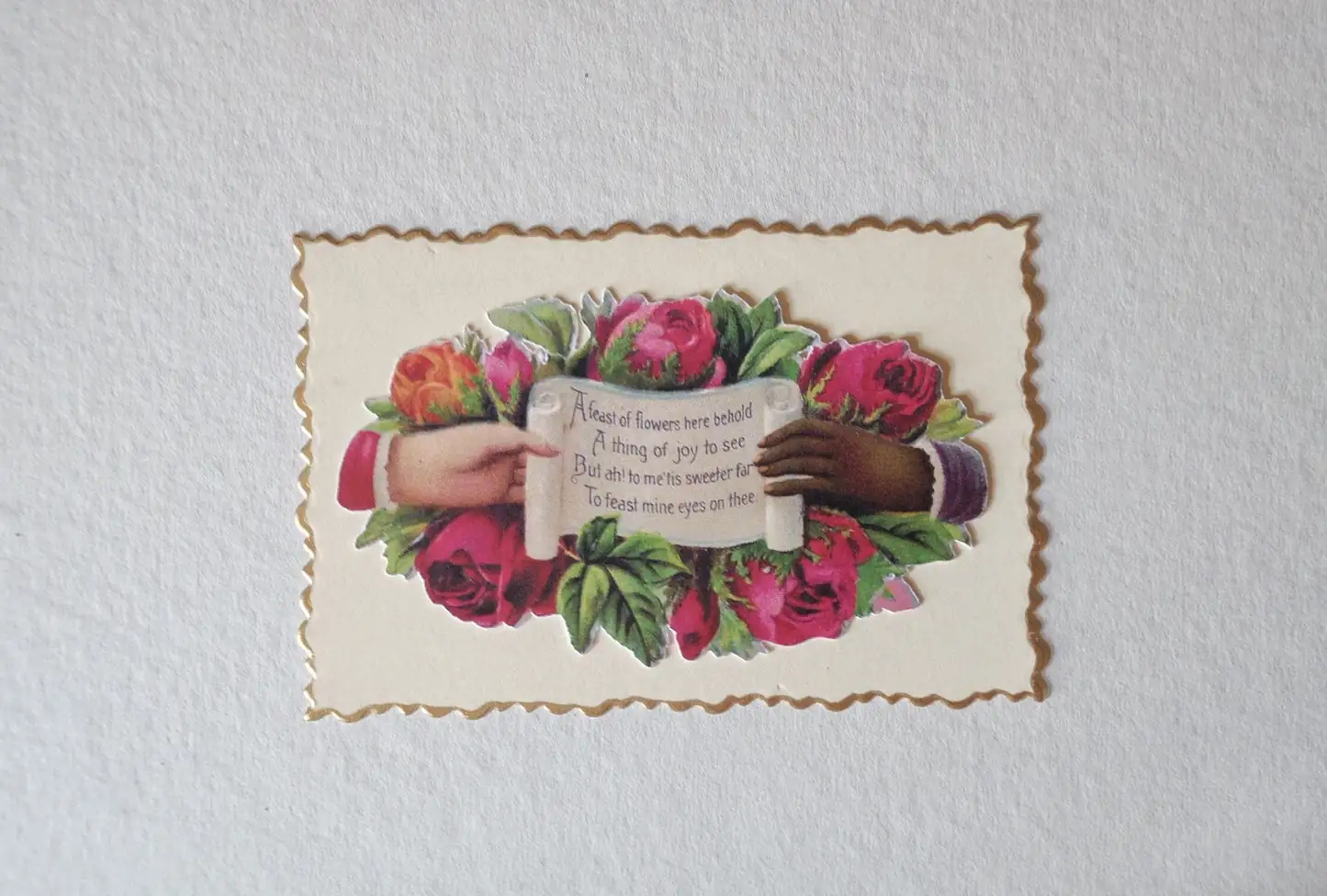
In the 19th century, flower dictionaries turned bouquets into messages. Sunflowers, taken as the sun’s own emblem, often stood for:
- Adoration and steadfast loyalty
- Joy, vitality, and gratitude for life’s warmth
- Longevity, thanks to robust stems and generous seed heads
Floriography wasn’t perfectly standardized—meanings varied by book and region—but the sunflower’s bright constant was hard to miss: a big, beaming yes to life.
East Asian flower language (花语/huayu) and its neighbors
Sunflowers were introduced to East Asia centuries after their North American domestication, and local flower-language traditions wove new meanings around this foreign-yet-familiar sun-face.
- In Chinese huayu (花语): Sunflowers (向日葵) commonly symbolize good fortune, vitality, and longevity—apt for a bloom that literally follows the light and produces abundant seeds. They’re popular congratulatory flowers, from new ventures to graduations, conveying “may you rise and thrive.”
- In Japanese hanakotoba (花言葉): Himawari is associated with admiration, respect, and a bright, positive spirit—an affectionate way of saying “you light up the room.”
- Across East Asia today: Sunflowers regularly appear in cheerful, success-leaning bouquets, expressing positivity, encouragement, and loyal support.
Together, these interpretations harmonize with the plant’s heliotropic personality: optimistic, growth-oriented, and generous.

Modern cultural resonance: from fields and galleries to world events
- Art and identity: Van Gogh’s Sunflowers etched the flower into the global imagination. The sunflower is also a national symbol of Ukraine.
- Hope and activism: Sunflowers have been associated with movements for peace and a nuclear‑free future, their seeds sown as emblems of renewal.
- Food and healing: Beyond the vase, sunflowers nourish—seeds for snacking, oil for cooking—and have even been studied in phytoremediation to help pull certain pollutants from soil and water.
Color, cultivar, and nuance: reading the bouquet
While traditional meanings center on “sunny yellow,” modern floristry sometimes plays with color-coding among ornamental cultivars. Treat these as contemporary accents, not ancient law:
- Yellow: joy, warmth, friendship, good luck
- Orange: enthusiasm, encouragement, new chapters
- Red/burgundy: deep admiration, strength, supportive passion
- Chocolate/brown tones: steadiness, grounded loyalty
Pollenless, branching varieties make excellent, cleaner cut flowers; giant forms are dramatic but less practical indoors. And since sunflowers are generally non-toxic to people and pets, they’re a kind, worry-light gift.
When to give sunflowers—and what you’re really saying
Think of sunflowers as a standing ovation in bloom.
Perfect occasions
- Milestones and wins: graduations, promotions, grand openings—“May your path stay bright.”
- Support and encouragement: exams, new jobs, relocations—“You’ve got this; keep facing the light.”
- Friendships and families: birthdays, thank-yous—“Your presence is sunshine.”
- Romance with cheer: for a partner who thrives on positivity—“I admire you, faithfully and brightly.”
- Anniversaries: commonly cited as the third‑anniversary flower, sunflowers nod to strong roots and sunny horizons.
Thoughtful pairings
- With eucalyptus or airy grasses: modern, uplifting elegance
- With white blooms (e.g., dahlias or lisianthus): optimism blended with calm
- With blues (delphiniums, cornflowers): a sky-and-sun palette that feels expansive
Bouquet subtext, made simple
- One statement stem: singular admiration
- A generous armful: abundant gratitude and wholehearted support
- Mixed, warm palette: shared joy and communal celebration
A final turn toward the light
The sunflower’s flower language wasn’t handed down; it grew—out of a plant that literally moves in pursuit of what sustains it. From Clytie’s skyward longing to Victorian parlors, from East Asian congratulatory bouquets to modern causes and kitchens, Helianthus annuus keeps saying the same bright thing in different dialects: look for the light, stay loyal to it, and share its warmth.
And when you gift a sunflower, you’re doing just that—offering a little piece of daylight that keeps on giving.


