

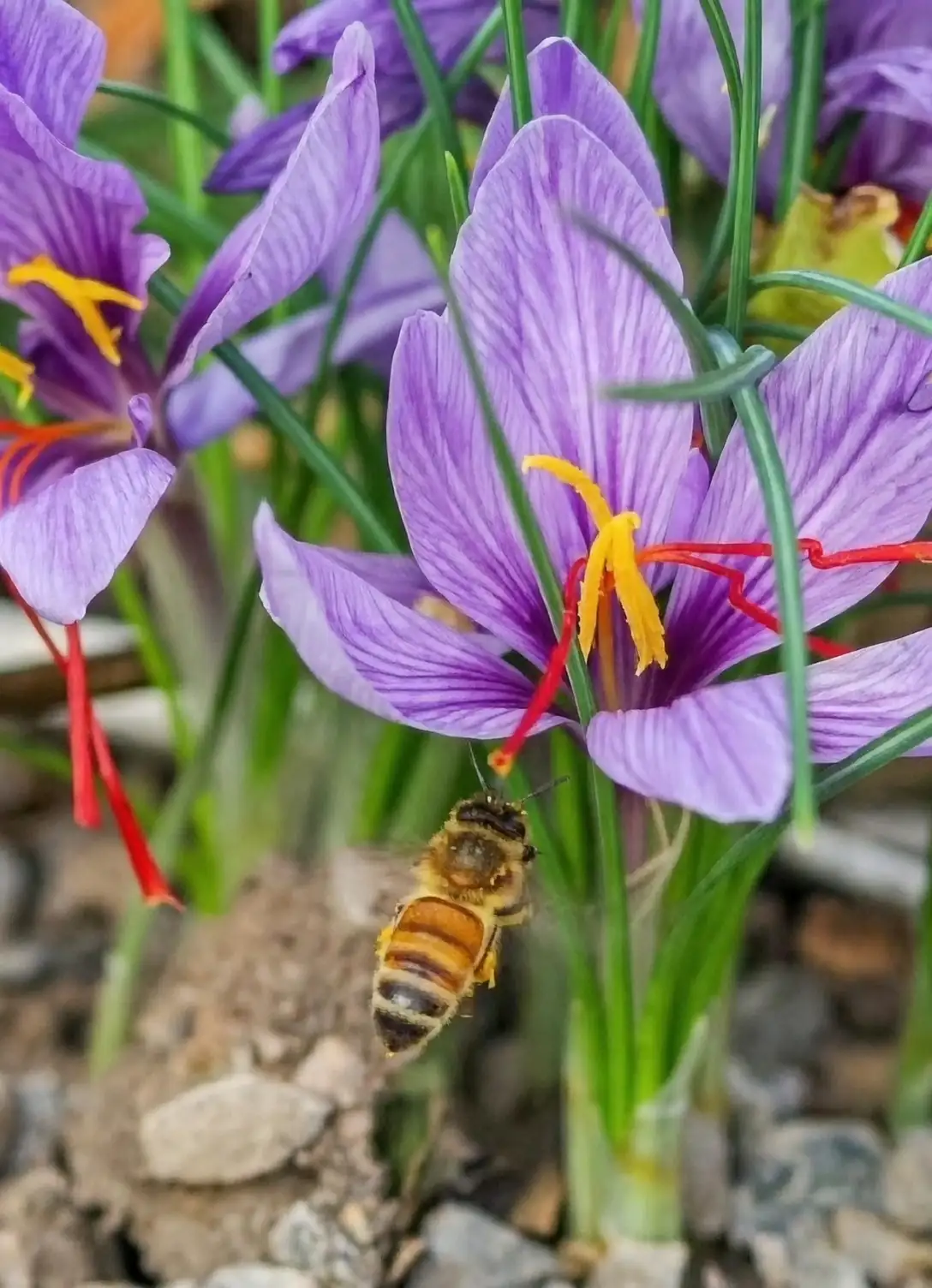
Celebrating the Timeless Symbolism of Crocus sativus
The Crocus sativus, more commonly known as the saffron crocus, is not just a pretty face in the botanical world. Beyond its delicate lilac-to-purple petals and vibrant red stigmas lies a tapestry of symbolism woven through time and across cultures. As we explore the deep meanings attributed to this remarkable flower, we’ll uncover how it conveys messages of joy, wealth, and devotion.
A Cultural Mosaic of Meaning
Flower Language and Symbolism
In the language of flowers, or 花语, crocuses are often associated with cheerfulness, joy, and youthful exuberance. Imagine the sight of crocuses emerging after a long winter, their bright blooms a promise of spring’s return. It’s no wonder they symbolize a sense of renewal and glee. In the case of the saffron crocus, the symbolism deepens, infused with associations of happiness and prosperity. This is especially significant in Persian culture, where saffron is linked to nobility and wealth.
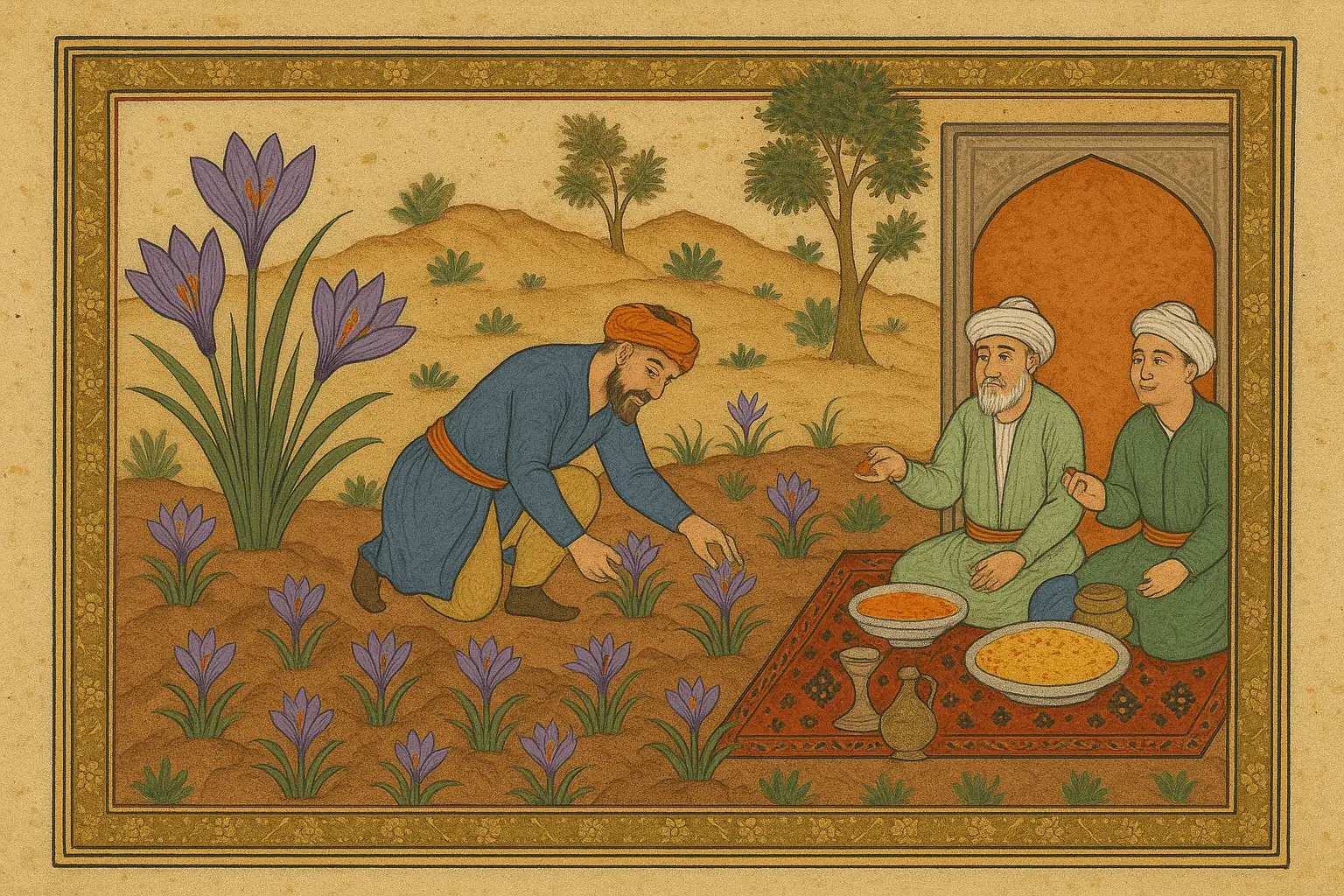
In Hindu tradition, saffron takes on yet another layer of meaning, representing purity, courage, and sacrifice. The bright golden hue of the spice is reminiscent of the vibrant robes of monks, a symbol of spiritual devotion and asceticism.
Legends and Myths
The stories surrounding the crocus flower are as colorful as the blooms themselves. In Greek mythology, the tale of the youth Crocus and his tragic love for the shepherdess Smilax adds a romantic yet melancholic note to the flower’s lore. Transformed into a flower after his untimely death, Crocus stands as a testament to enduring love and the bittersweet nature of life and passion.

Persian legends tell another tale, where saffron is born from the tears of heroes, linking the spice to emotions of bravery and the human spirit’s resilience. The historical intrigue doesn’t stop there; the saffron spice was so highly valued in medieval Europe that it once sparked a conflict known as the “Saffron War,” underscoring its worth and the lengths people would go to obtain it.
The Multifaceted Uses of Saffron
Beyond its symbolic meanings, saffron’s practical applications are just as fascinating. In cuisine, it imparts a distinct aroma and rich golden color to dishes like paella and risotto. Its use as a dye and in traditional medicine stretches back thousands of years, a testament to its versatility and enduring appeal.

Growing and Caring for Saffron Crocus
For those enchanted by the saffron crocus and considering cultivating it, understanding its growth habits is vital. This autumn-blooming perennial thrives in full sun and well-draining soil. It requires a specific rhythm, remaining dormant in summer and blooming in the cool fall months. While it can be a bit finicky regarding water—requiring moderate moisture during active growth and dryness during dormancy—mastering its care can be a rewarding endeavor.
Fun Facts and Curiosities
- Sterile Beauty: Crocus sativus is a sterile triploid, meaning it doesn’t produce viable seeds. Each new plant comes from dividing corms, a process reflecting the flower’s unique reproduction.
- Labor of Love: Harvesting saffron is labor-intensive. Imagine plucking just three stigmas from each flower, with thousands needed to produce a single gram of dried spice.
- Global Influence: While Iran dominates global production, saffron cultivation is spreading to new regions, including parts of the United States and China, highlighting its growing international appeal.
Conclusion
The saffron crocus is more than just a plant; it’s a symbol of cultural richness, historical intrigue, and botanical beauty. Whether you’re drawn to its striking appearance, its culinary uses, or the deep symbolism it carries, Crocus sativus invites us into a world where nature and human culture intertwine. So, next time you see a crocus bloom, remember that it’s not just a flower—it’s a storyteller of joy, wealth, and devotion.


