

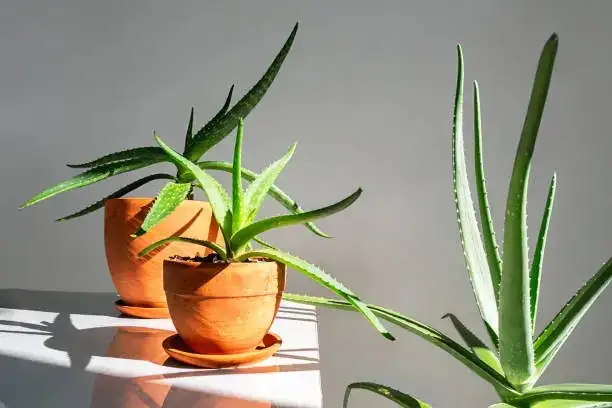
Unveiling the Secrets of Aloe Vera Propagation: A Step-by-Step Guide
Imagine having a veritable army of Aloe vera plants gracing your home or garden, each one a living testament to nature’s resilience and beauty. Known for their soothing gel and striking appearance, these succulents are not only survivors but also generous givers, producing “pups” or offsets that can be propagated into new plants. Whether you’re a seasoned green thumb or a budding plant enthusiast, this guide will walk you through the best methods to propagate Aloe vera, focusing on dividing offsets and nurturing new growth. Ready to dive in? Let’s cultivate some Aloe magic!
The Charm of Aloe Vera
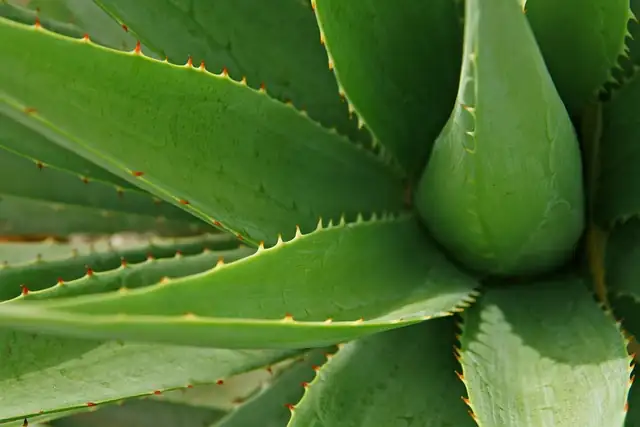
Before we dig into the soil of propagation, let’s appreciate what makes Aloe vera (Aloe vera (L.) Burm.f.) such a staple in the plant world. Often referred to as the “living first-aid kit,” this succulent is celebrated not only for its medicinal properties but also for its ability to thrive with minimal fuss. Originating from the arid regions of the Arabian Peninsula and Northern Africa, Aloe vera is a master of survival, storing water in its thick, fleshy leaves. It’s no wonder this plant has been cherished across cultures for thousands of years.
Why Propagate Aloe Vera?
Propagating Aloe vera is like sharing a piece of nature’s brilliance. These plants not only beautify your space but also purify the air and offer first-aid solutions for minor burns and skin irritations. Plus, propagation allows you to multiply your collection without spending a dime. It’s an opportunity to connect with nature and perhaps even gift friends with a little green joy.
Meet the Pups: Aloe Vera Offsets
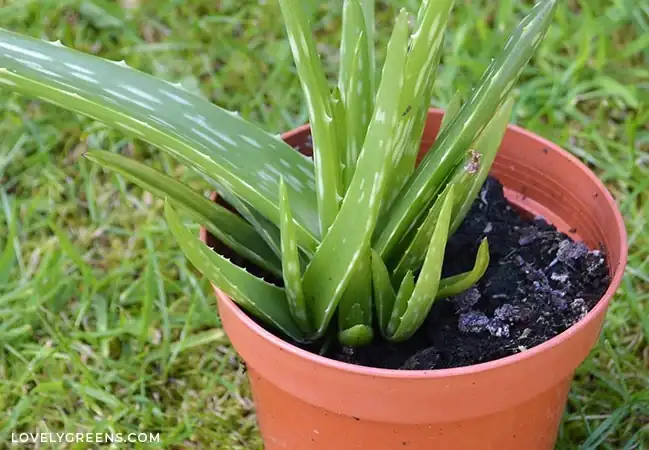
Aloe vera is a clumping plant, meaning it naturally produces baby plants, or “pups,” around the base. These offsets are nature’s way of expanding the Aloe family and are the easiest way to propagate new plants. Think of them as being like little sidekicks to the main plant, ready to take on the world in their own pot!
When to Propagate?
Timing is everything. The best seasons for propagation are spring and summer when the plant is actively growing. However, if you’re feeling adventurous, you can propagate in early fall—just avoid winter when the plant is less active.
Step-by-Step Guide to Propagating Aloe Vera Offsets
What You’ll Need:
- A mature Aloe vera plant with visible pups
- A sharp, sterilized knife or gardening shears
- Pots with drainage holes
- Fast-draining cactus or succulent potting mix
- Optional: Gardening gloves for protection
Step 1: Identify the Pups
Look for offsets that are about 5-10 cm (2-4 inches) tall. Ideally, they should have some roots of their own. If your Aloe plant is mature and healthy, it should produce several pups.
Step 2: Separate the Pups
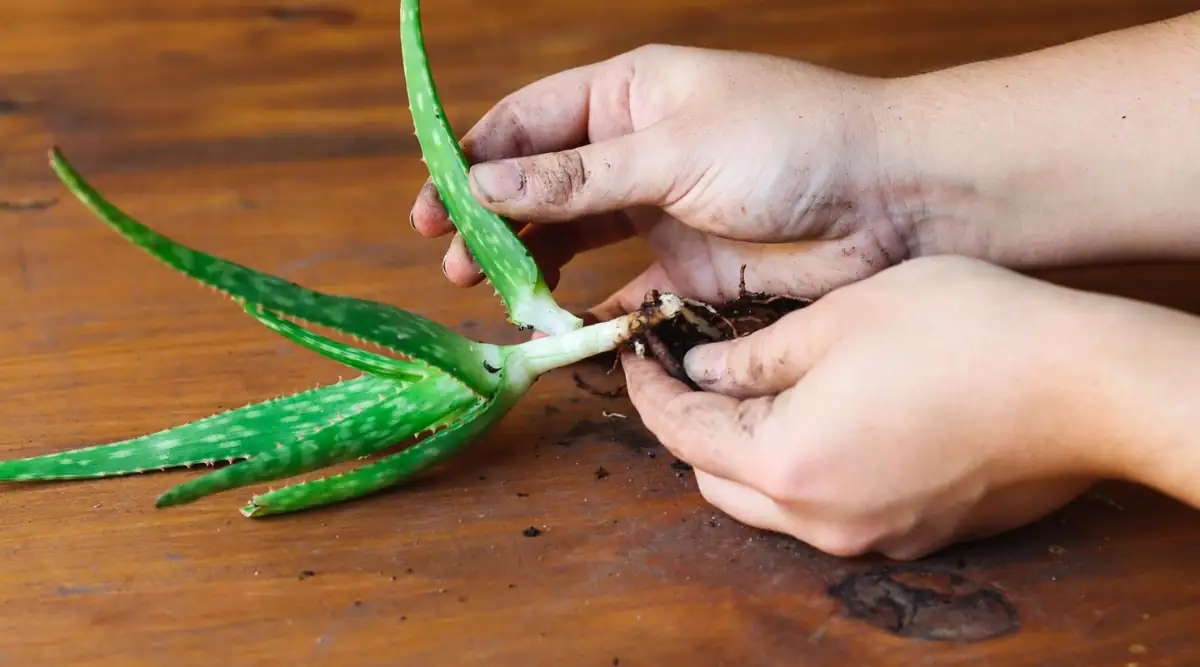
Gently remove the Aloe plant from its pot to access the pups. Carefully tease the pups away from the parent plant, ensuring each has a few roots attached. Use a sharp knife if necessary, but be gentle to avoid damaging the roots.
Step 3: Let Them Callus
Before planting, allow the cut surfaces to dry and callus over for 1-3 days. This step helps prevent rot when the pups are planted.
Step 4: Pot the Offsets
Fill small pots with a well-draining cactus or succulent mix. Plant each offset in its own pot, just deep enough to cover the roots. Ensure the crown of the plant is at soil level—burying it can lead to rot.
Step 5: Care for Your New Plants
Place the newly potted offsets in a location with bright, indirect sunlight. Allow the soil to dry out before watering lightly, typically a few days to a week after planting. Remember, Aloe vera thrives on the soak-and-dry method—water thoroughly, then let the soil dry completely before the next watering.
Nurturing New Growth
As your Aloe pups settle into their new homes, provide them with plenty of light and warmth. A sunny windowsill or a bright spot in your home is perfect. Keep the temperature within a comfortable range of 15-22°C (59-72°F) for optimal growth. Avoid overwatering, especially in cooler months, to prevent root rot.
A Flourishing Future
With time, care, and a bit of patience, your Aloe vera offsets will grow into robust plants, each capable of producing their own pups. Whether you choose to keep them, share with friends, or even use them in creative ways, propagating Aloe vera is both rewarding and sustainable.
Fun Fact: Aloe’s Symbolism
Did you know that Aloe vera is often associated with resilience and healing? Its ability to thrive through drought and offer soothing relief has made it a symbol of protection and endurance across cultures. In some traditions, keeping an Aloe plant near doorways is believed to bring good fortune and safeguard the home.
By following these steps, you’re not only multiplying your Aloe collection but also participating in a timeless tradition of cultivating green allies. Happy propagating!


