Unveiling the Wonders of Aloe Vera: The Spiky Green Gem
Imagine a plant that not only beautifies your space with its architectural elegance but also moonlights as a first-aid kit. Meet Aloe vera (L.) Burm.f., the succulent superstar that has been cherished across civilizations for its soothing gel and tenacious nature. Let’s dive into the fascinating world of this succulent wonder, uncovering its quirky traits and impressive abilities.
The Water Storing Wizardry
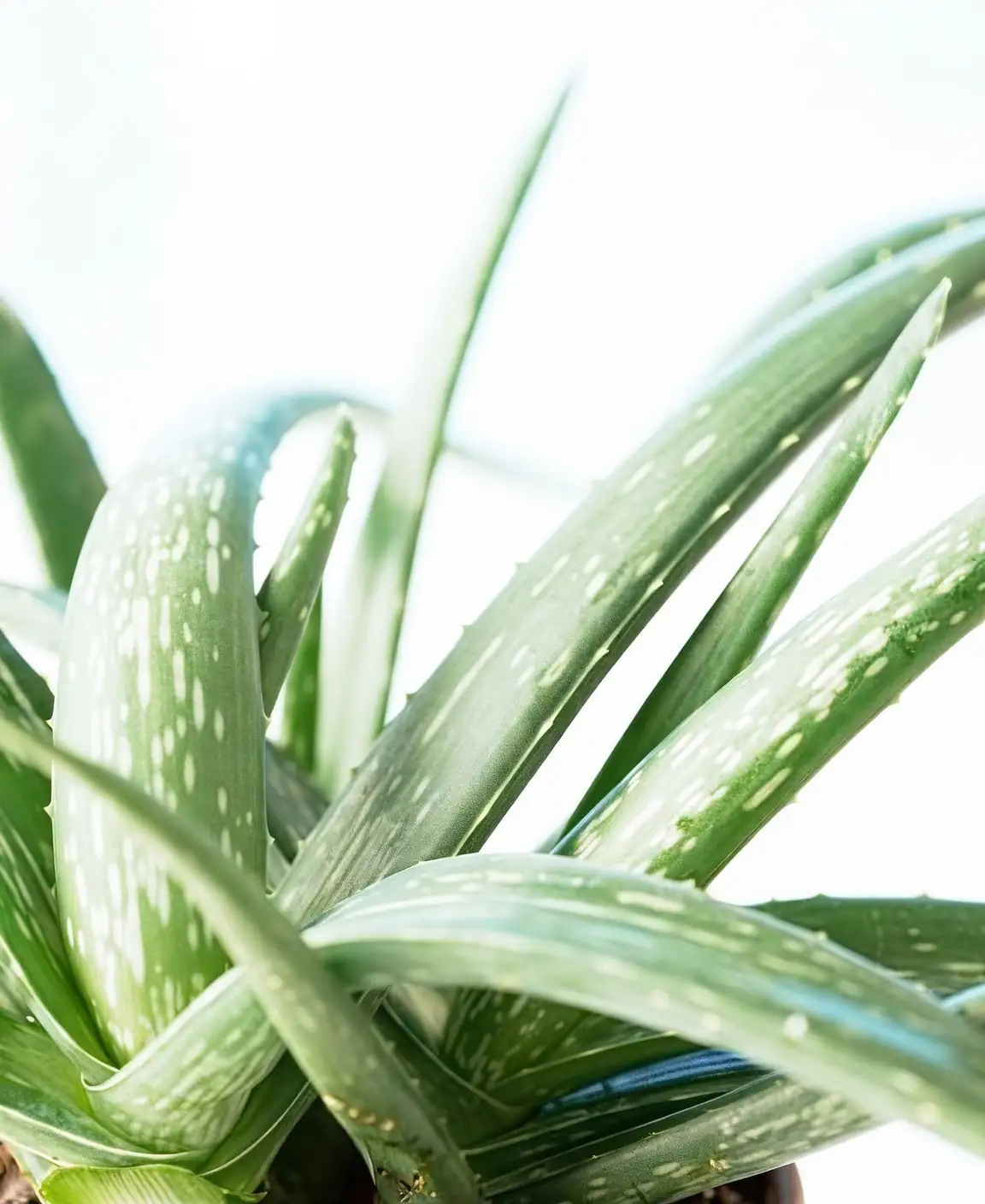
If plants had superpowers, Aloe vera’s would be its ability to store water like a built-in canteen, a true desert survivalist. Its thick, fleshy leaves are a marvel of nature, acting as reservoirs that allow it to flourish in arid conditions. This ability makes Aloe vera a master of drought tolerance, shrugging off missed waterings with the grace of a seasoned yogi. This succulent is not just a plant; it’s a natural hydration system, making it an ideal companion for the forgetful gardener.
Aloe’s Rare Indoor Blooming Show
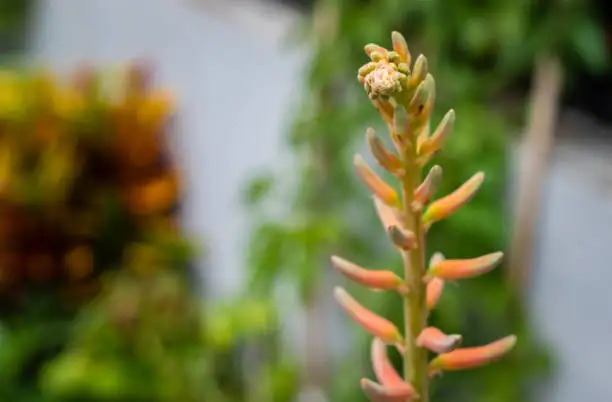
Aloe vera is like that mysterious friend who doesn’t reveal all their talents at once. While it’s known for its healing properties, did you know it can also put on a floral show? Yes, given enough sun and maturity, it can send up tall spikes of tubular yellow-to-orange flowers. However, like a shy performer, Aloe vera rarely blooms indoors, saving its dazzling display for when the conditions are just right. Often, only mature plants growing in very bright light can achieve this feat indoors—a rare but rewarding sight for the patient plant parent.
A Brief History and Symbolism
Aloe vera’s roots run deep in human history, celebrated from the tombs of ancient Egypt, where it was hailed as the “plant of immortality,” to the herbal traditions of the Mediterranean and Middle East. Its symbolism of resilience and healing makes it a popular “good luck” charm in many cultures. Hanging an Aloe near doorways is believed to invite protection and good fortune, a living talisman against negativity.
Caring for Your Aloe: A Simple Guide
Sunlight: Aloe vera thrives in full sun to bright indirect light. Place it on a sunny windowsill or a sunroom, and watch it bask in the glow. If you’re bringing it outdoors, acclimate it gradually to prevent sunburn—yes, even plants need sunscreen!
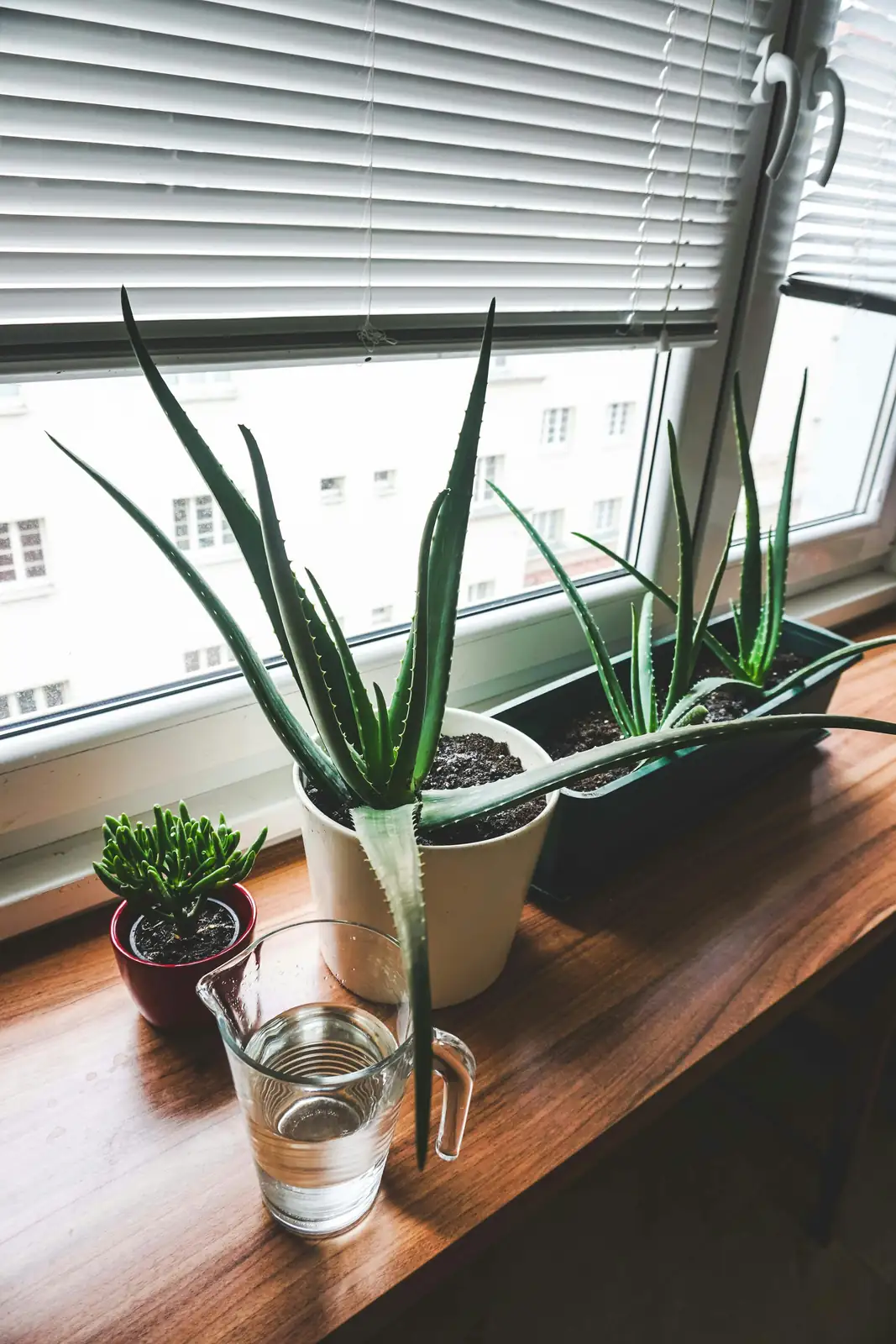
Watering: Employ the “soak and dry” method. Thoroughly water the soil, allow excess to drain, and let the mix dry completely before watering again. Overwatering is a common pitfall; remember, Aloe prefers its soil on the dry side, especially in cooler temperatures.
Temperature and Humidity: This plant is comfortable between 13–27°C (55–80°F) and enjoys low to average humidity. Keep it away from cold drafts to prevent damage during winter.
Propagation: Sharing the Love
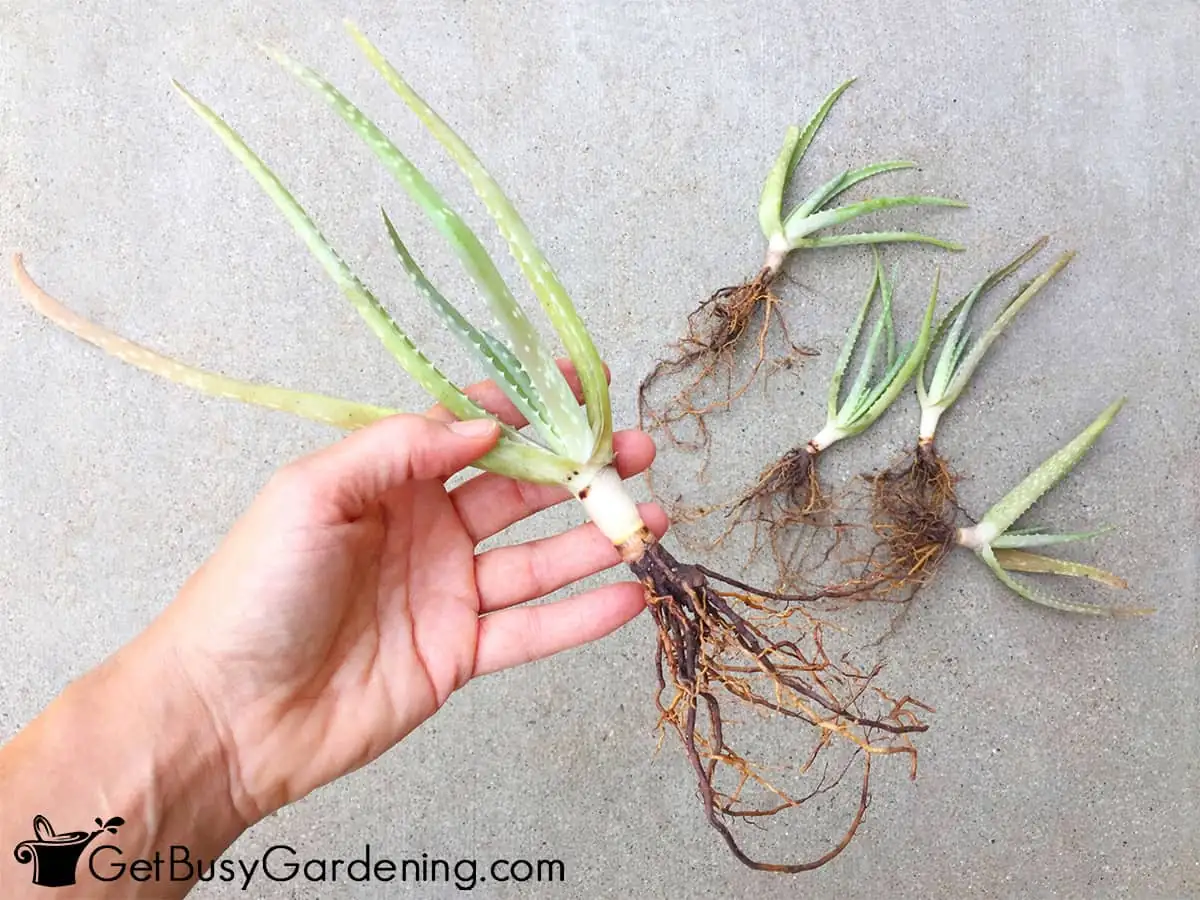
Aloe vera is prolific in producing “pups,” or baby plants, around its base. These can be separated and potted to create a colony of Aloe—perfect for sharing the love with fellow plant enthusiasts. Simply wait until the pups are 5–10 cm tall, let their cut surfaces callus, and plant them in a gritty, fast-draining soil mix.
Fun Facts to Leaf You Smiling
- Vitamin B12 Factory: Aloe vera is the only known vegetable to contain vitamin B12, making it a unique addition to your garden.
- Ancient Beauty Secret: Cleopatra is said to have used Aloe gel as part of her beauty routine, perhaps contributing to her legendary allure.
- Air-Purifying Powers: This succulent not only beautifies but also improves indoor air quality, making it a healthful addition to any home.
Aloe vera is more than just a pretty plant; it’s a living testament to nature’s ingenuity. Whether you’re drawn to its healing properties, its striking appearance, or its storied past, Aloe vera is sure to enrich your living space with both beauty and a touch of history. So, why not invite this spiky green gem into your home and watch it thrive?