

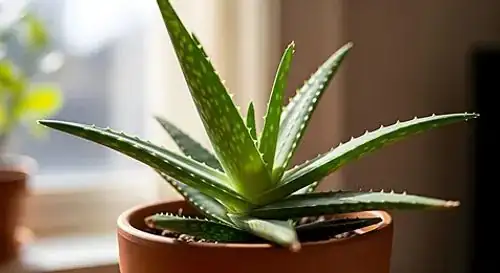
When you think of Aloe vera, you might picture a soothing gel for sunburns or a hearty succulent thriving on your windowsill. Renowned for its resilience, Aloe vera is a staple in both herbal medicine and home decor. Yet, even the hardiest of succulents can face challenges, notably from pesky pests like mealybugs and scale. Fear not, Aloe aficionados! Let’s explore how to identify these intruders and keep your Aloe vera flourishing.
Spot the Intruders: Common Aloe Pests
Mealybugs: The Cottony Menace
Mealybugs are like uninvited guests that refuse to leave. These small, white, cotton-like clusters love to nestle at the base of your Aloe leaves, sucking sap and leaving behind sticky honeydew that can lead to sooty mold. If you notice your Aloe’s leaves looking pale or sticky, mealybugs might be the culprits.
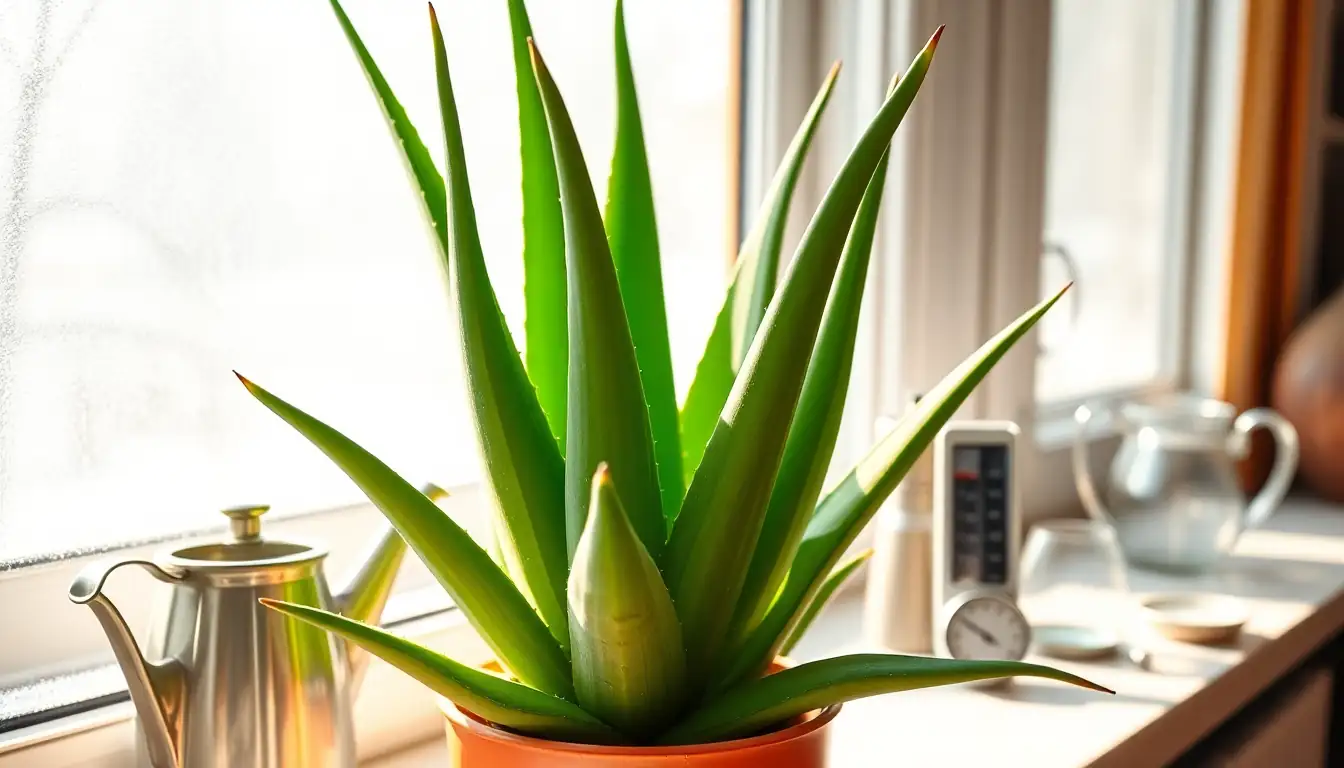
Solution:
- Mechanical Removal: Dip a cotton swab in 70% alcohol and dab directly on the mealybugs to remove them.
- Biological Control: Introduce natural predators like the Cryptolaemus montrouzieri, also known as the mealybug destroyer.
Scale Insects: The Sneaky Sappers
Scale insects are stealthy pests that appear as tiny brown bumps on your Aloe’s leaves. They’re sap-suckers too and can cause your plant to weaken and yellow if left unchecked.
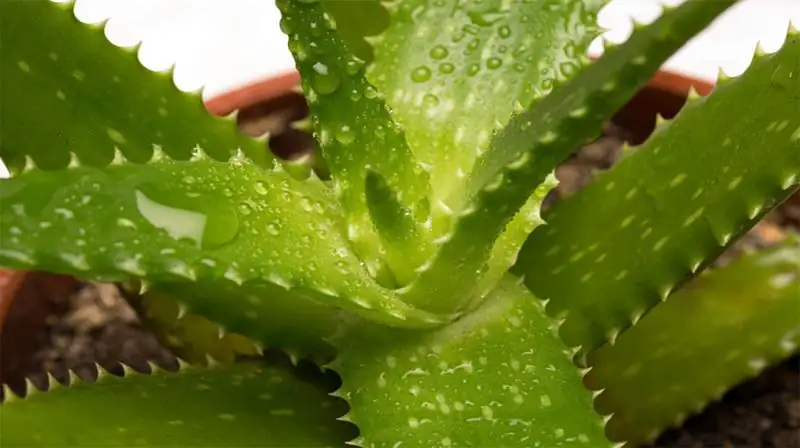
Solution:
- Wiping: Wipe the leaves with a soft cloth dampened with a mild soap solution.
- Horticultural Oil: Apply horticultural oil to smother these insects, ensuring you cover all affected areas.
Spider Mites: The Web Weavers
Spider mites might make your Aloe look as if it’s been sprinkled with pepper. These tiny pests create fine webs and leave whitish spots on the leaf undersides, thriving in dry, warm conditions.
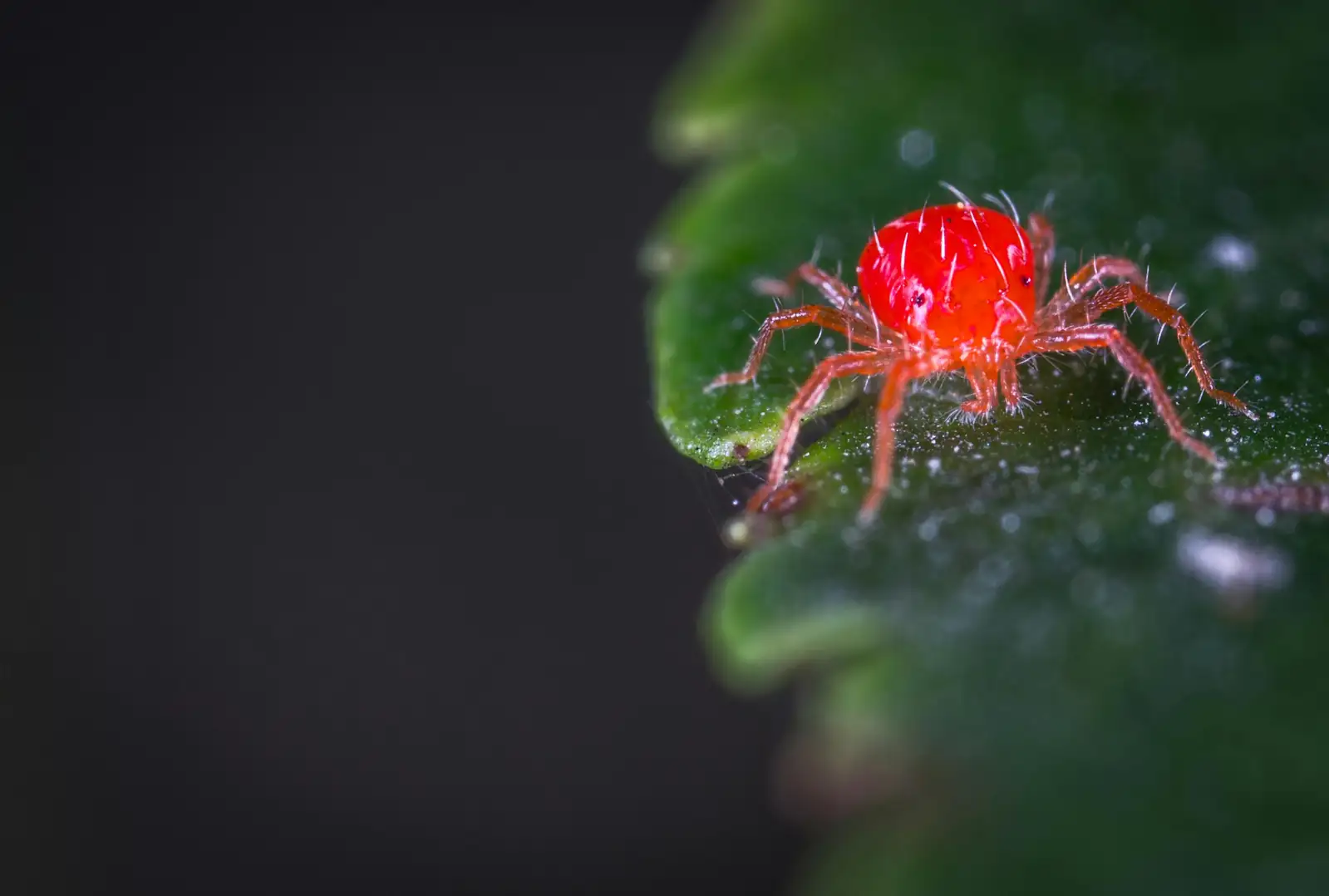
Solution:
- Neem Oil: Spray with a 0.5% neem oil solution every 5-7 days.
- Humidity and Rinsing: Increase humidity around the plant and rinse the leaves regularly.
Keeping Aloe Healthy: Prevention and Care
Light and Placement
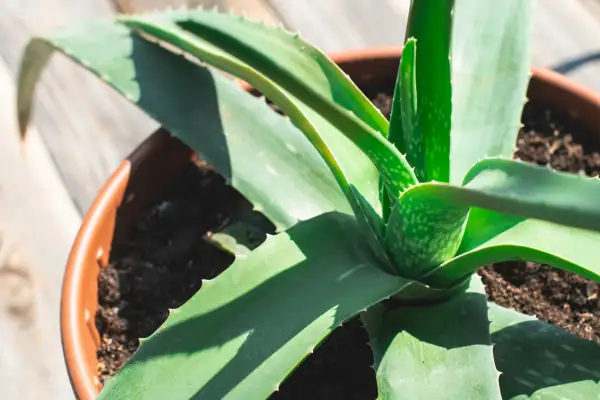
Aloe vera loves bright light, preferably full sun or bright indirect light. Indoors, a south- or west-facing window is ideal. If you’re moving your plant outdoors, do so gradually to prevent sunburn.
Water Wisely
Use the “soak and dry” method: water thoroughly, let it drain, and wait until the soil dries completely before watering again. Overwatering is a common mistake, especially in winter when Aloe growth slows.
Soil and Potting
Ensure your Aloe is planted in a fast-draining cactus mix. Heavy, water-retentive soils can lead to root rot. If you need to repot, choose a pot with drainage holes and avoid burying the crown.
Airflow and Humidity
Good airflow helps prevent pests and diseases. Aloe vera prefers low to average indoor humidity, around 40%. Avoid damp conditions to keep rot and pests at bay.
Troubleshooting and FAQs
- Why are my Aloe leaves turning yellow and soft?
Overwatering is likely the cause. Allow the soil to dry out, and ensure your plant is in bright light.
- Why is my Aloe stretching and flopping?
This is a sign of low light. Move your plant closer to a bright window to encourage compact growth.
- How can I prevent pests naturally?
Maintain strong light, good airflow, and proper watering. Regularly inspect your plant for early signs of pest activity.
Aloe’s Symbolic Meaning
Aloe vera is more than just a healing plant; it’s often associated with resilience and protection. This symbolism is rooted in its ability to thrive in harsh conditions and its historical use as a “plant of immortality” by the Ancient Egyptians. In many cultures, Aloe is a guardian plant, believed to bring good luck when hung near doorways.
By understanding the challenges your Aloe vera might face and knowing how to combat them, you can ensure your plant stays healthy and vibrant. Whether you’re using its gel for a natural remedy or simply enjoying its architectural beauty, a pest-free Aloe vera is a happy Aloe vera!


