

Unlocking the Secrets of Companion Planting with Moss Rose
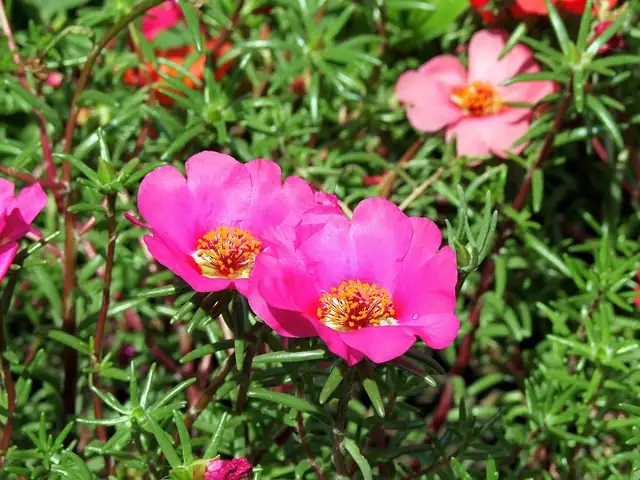
Imagine a sunny garden, alive with color and vitality, where each plant complements the other, creating a harmonious landscape. At the heart of this vibrant scene might be the cheerful Portulaca grandiflora, commonly known as moss rose. This resilient flowering plant, with its stunning array of colors, is not just a beauty to behold but also a gardener’s delight when paired with the right companions. Let’s delve into the art of companion planting and discover which plants make the best neighbors for your moss rose.
Meet Moss Rose: The Sun-Loving Marvel
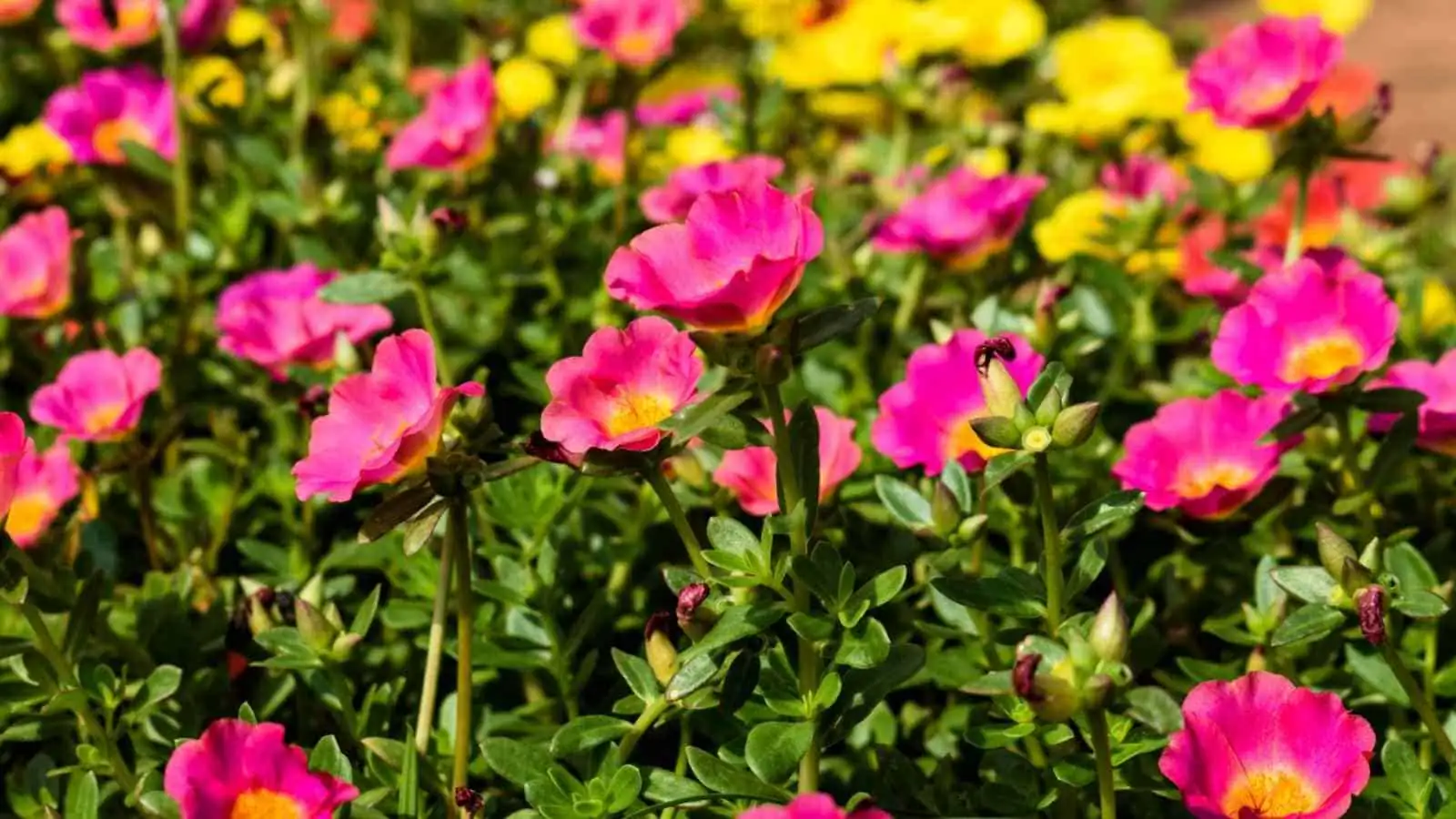
Native to the sunny plains of South America, moss rose thrives where others might wither. Its rose-like blooms open like a burst of color in the sun, only to close again when the light wanes. This trait gives it the charming nickname “Eleven O’Clock,” a nod to its sun-responsive behavior. Growing about 15–30 cm tall and spreading just as wide, it’s the perfect groundcover for borders, rock gardens, and containers.
The Ideal Companions: Enhancing Beauty and Health
Companion planting is more than just aesthetics; it’s about creating a symbiotic environment where plants support each other’s growth and health. Let’s explore some of the best companions for moss rose:
Sedum
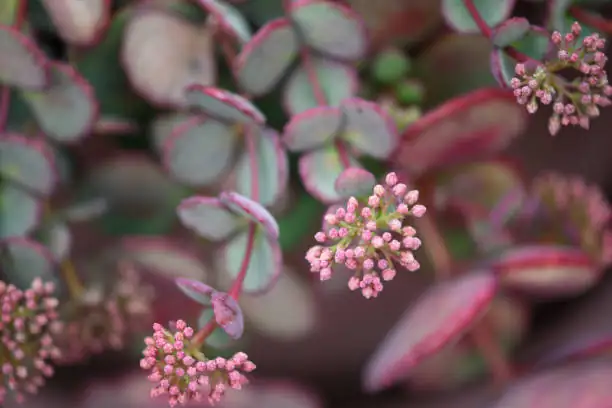
- Why They Pair Well: Both moss rose and sedum share a love for full sun and poor soil, making them easygoing partners. Sedum also brings pest-repellent properties, offering a natural defense that can benefit the entire garden.
- Visual Appeal: The combination of sedum’s dense, fleshy foliage with the bright blooms of moss rose creates a textured and colorful display.
Marigolds
- Pest Management Heroes: Known for their ability to repel nematodes and other pests, marigolds act as a protective barrier, safeguarding your moss rose from unwanted invaders.
- Color Coordination: Their vibrant yellows and oranges complement the rich hues of moss rose, enhancing the garden’s visual appeal.
Lavender
- Pollinator Magnet: Lavender attracts bees and butterflies, boosting garden biodiversity. Its fragrance and soft purple flowers add a soothing contrast to the bold moss rose blooms.
- Shared Conditions: Both plants thrive in dry, sunny conditions and require minimal maintenance, making them well-suited companions.
Zinnias
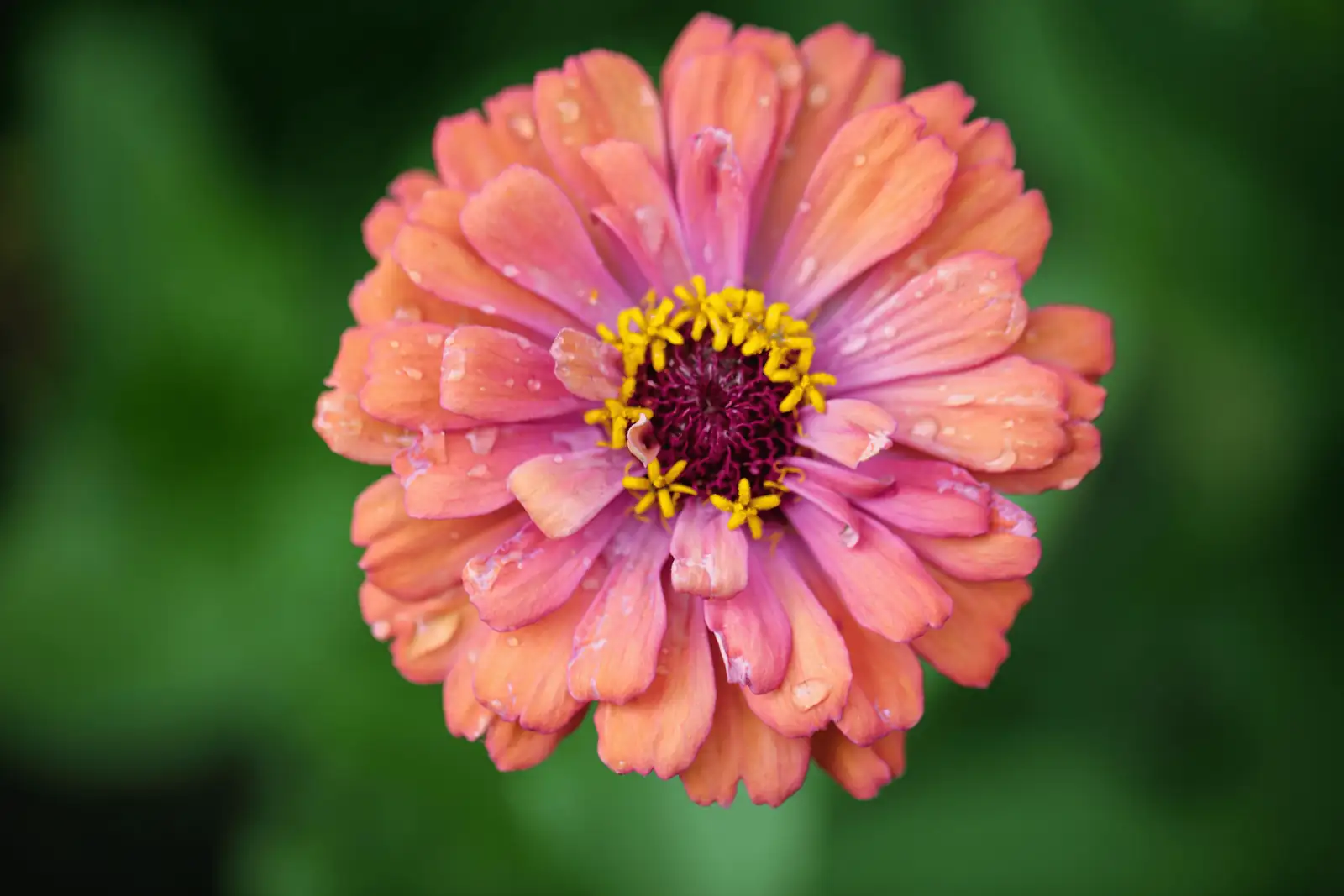
- Burst of Color: Zinnias add an extra splash of color, creating a stunning contrast with moss rose. They attract beneficial insects, promoting natural pest control and pollination.
- Symbiotic Growth: Their shared growth requirements make them easy to grow together, enhancing the health and resilience of your garden.
Plants to Avoid: Ensuring Optimal Growth
While pairing plants, it’s crucial to know which ones to avoid. For moss rose, steer clear of the cabbage family and fennel:
- Cabbage Family: These plants compete for similar nutrients, potentially stunting the growth of both.
- Fennel: Known for its allelopathic properties, fennel can inhibit moss rose growth, limiting its blooming potential.
Cultivating Success: Tips for Thriving Moss Rose and Companions
- Sunlight and Soil: Ensure your moss rose gets at least 6–8 hours of direct sunlight. Plant it in well-drained soil, ideally sandy or rocky, to prevent root rot.
- Watering Wisely: Water deeply but infrequently, allowing the soil to dry between sessions. Overwatering is a common pitfall.
- Minimal Feeding: Moss rose needs little fertilization. If desired, use a balanced slow-release fertilizer sparingly.
Symbolism and History: A Bloom with a Story
Moss rose symbolizes resilience and warmth, reflecting its ability to thrive in harsh conditions. Its history dates back to the 18th and 19th centuries, where it adorned sunny, stony landscapes in Europe, adding splashes of color to otherwise barren scenes.
Final Thoughts: A Garden Symphony
Creating a garden with moss rose at its heart is like composing a symphony, each plant playing its part to perfection. By choosing the right companions, you not only enhance the beauty of your garden but ensure its health and vitality. As you experiment with these plant combinations, you’ll find that your garden isn’t just a place of beauty—it’s a thriving ecosystem, a testament to the art and science of companion planting. So, dig in, plant wisely, and watch your garden flourish!


