

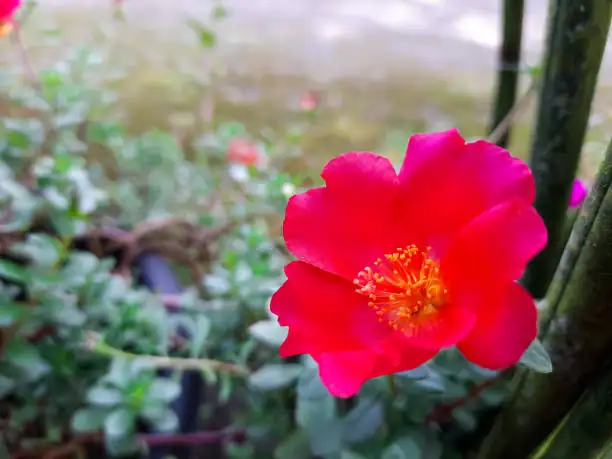
Imagine a plant so vibrant and resilient that it can transform the sunniest patches of your garden into a tapestry of vivid colors. Meet Portulaca grandiflora, more affectionately known as Moss Rose. Native to the hot, dry plains of South America, this charming succulent is a master of survival, thriving in conditions that would make most plants wither. If you’ve ever admired its cheerful blooms and thought of expanding your collection, this guide will teach you how to propagate Moss Rose using seeds and cuttings. Let’s dive into the art of effortlessly multiplying these sun-loving beauties.
The Tale of a Sun-Worshipper
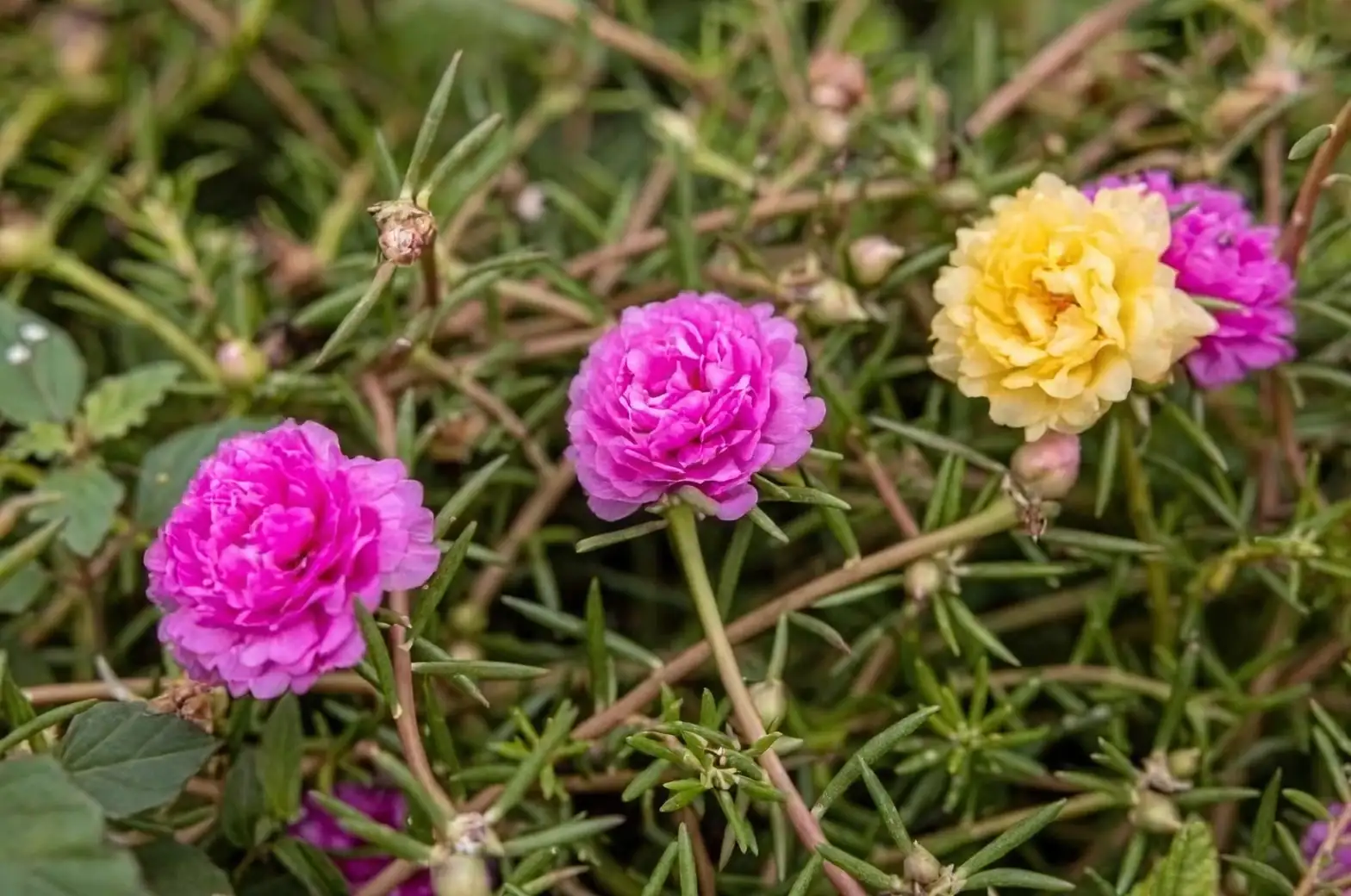
Moss Rose, an annual succulent, is like a botanical little engine that could. It spreads low and wide, creating a mat of succulent stems and cylindrical leaves, all crowned with rose-like flowers in a joy-inducing palette of reds, pinks, yellows, and more. These blooms open with the morning sun and close at night, as if they need their beauty sleep. But what makes Moss Rose truly special is its tenacity. It thrives in poor, sandy soils, shakes off the heat like it’s nothing, and brushes off short droughts with ease.
This plant isn’t just about good looks—it’s about resilience, warmth, and joy. Its ability to bloom through adversity symbolizes enduring love and the power of perseverance, offering a little life lesson with every colorful petal.
Propagation: From Seed to Splendor
Starting from Seeds
Growing Moss Rose from seeds is a delightful venture. Here’s how you can get started:
- Timing is Everything: Begin sowing your seeds indoors about 6–8 weeks before the last expected frost. The seeds are tiny—like specks of pepper—so handle them with care.
- Light Touch: Scatter the seeds on a seed-starting mix and barely cover them. These seeds need light to germinate, so think of it as lightly tucking them in, just enough to give them a sense of security.
- Germination: Keep the soil lightly moist and maintain a warm environment, around 21–24°C (70–75°F). Patience is key here, as germination usually occurs within 7–10 days.
- Transplanting: Once the threat of frost has passed, and your seedlings are strong enough, transplant them to a sunny spot with well-drained soil. Remember, Moss Rose craves the sun’s embrace and will reward you with more blooms when basked in full light.
Cutting to the Chase: Propagation by Cuttings
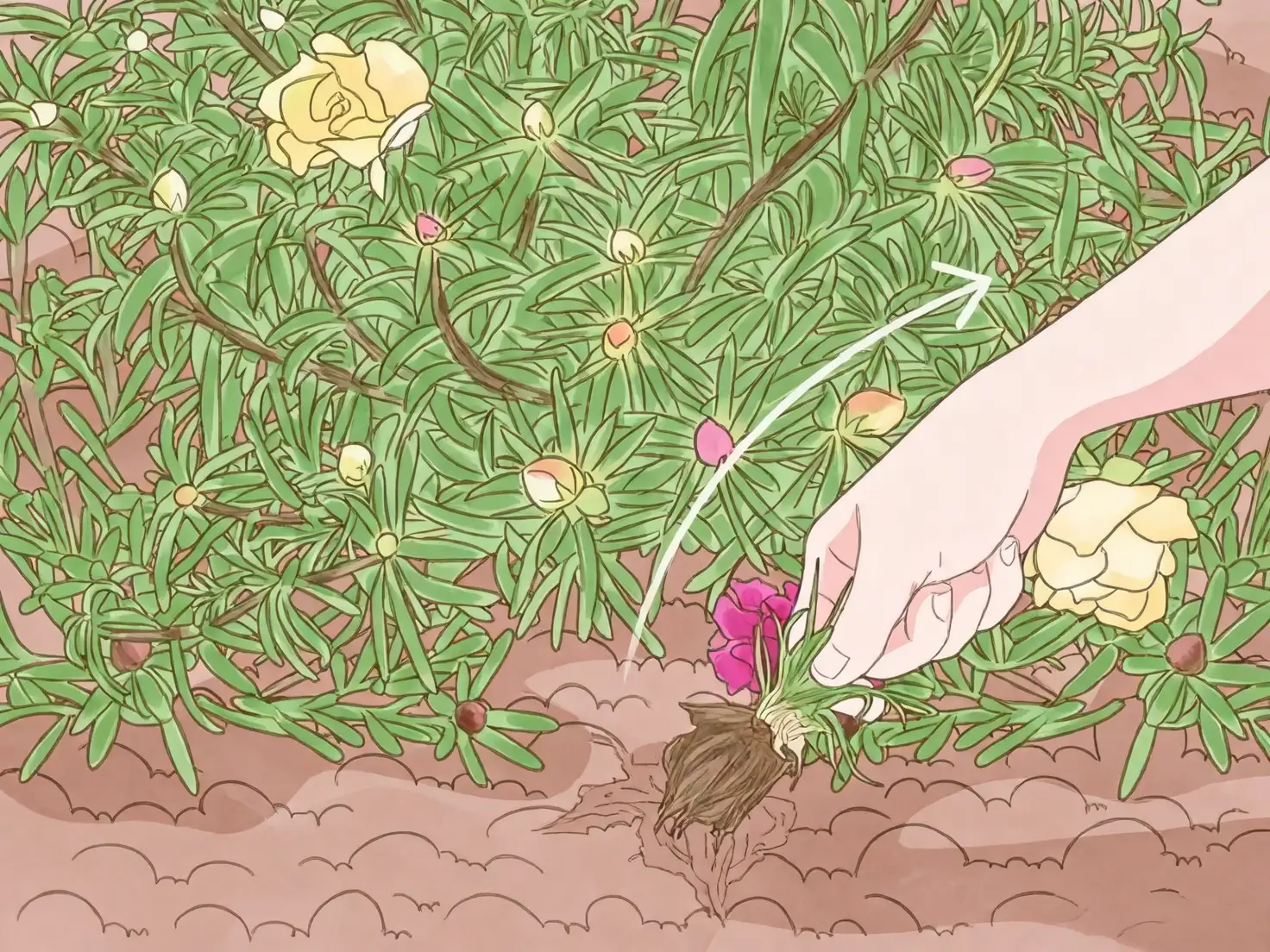
For those who prefer a more hands-on approach, propagating Moss Rose through cuttings is a quick and rewarding method:
- Select Your Cuttings: Choose a healthy stem and snip a piece about 10 cm (4 inches) long. Make sure the stem is firm and succulent—no mushy spots allowed!
- Callus Formation: Allow the cut end to dry and form a callus. This usually takes a day or two and helps prevent rot when planting.
- Planting the Cuttings: Place the cuttings in a sandy, well-drained mix. Keep the soil lightly moist—not soggy—and in about 10–15 days, roots should begin to form.
- Final Placement: Once rooted, plant your new Moss Rose outdoors in a sunny location. Watch as it establishes itself, spreading its colorful cheer in no time.
Care for Your Colorful Carpet
Moss Rose is practically the definition of low-maintenance. Here’s how you can ensure it thrives:
- Sunlight: Full sun is crucial. Aim for at least 6–8 hours of direct sunlight daily.
- Watering: Water deeply but infrequently, allowing the soil to dry out between sessions. Overwatering is a common pitfall—remember, wet feet lead to root rot.
- Soil and Fertilization: Lean, sandy soils are ideal. Fertilization is mostly unnecessary, but if you choose to feed, opt for a balanced, slow-release formula sparingly.
Blooming Questions
Why won’t my Moss Rose bloom?
Almost always, it’s a sun issue. Ensure your Moss Rose gets sufficient direct sunlight. Too much water or high-nitrogen fertilizers can also hinder blooming.
Can I propagate Moss Rose from cuttings?
Absolutely! It’s a straightforward process: take a 10 cm cutting, let it callus, and plant it in well-drained soil.
Are Moss Roses toxic?
While they aren’t considered edible and may taste bitter, Moss Roses are generally non-toxic to humans. However, pets may experience mild stomach upset if they decide to nibble.
A Final Note on Resilience
Moss Rose is more than just a garden delight; it’s a testament to nature’s resilience. Whether you choose to grow it from seeds or nurture it from cuttings, it’s bound to bring a splash of color and a dose of inspiration to your garden. So why not give it a try and let these sunny blooms brighten your day?


