

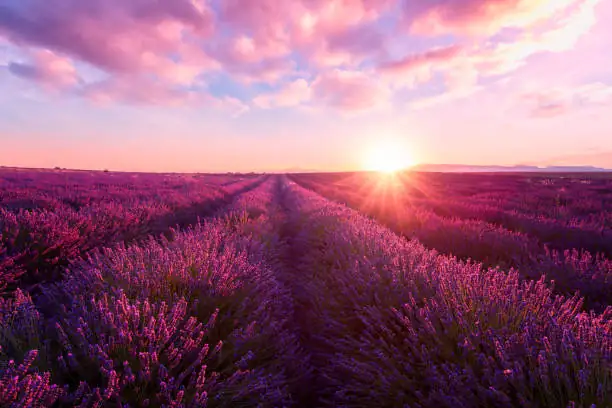
Unveiling the Enchantment of Lavender: Nature’s Aromatic Wonder
Step into any garden graced by the presence of Lavandula angustifolia, and you’ll immediately be swept away on a fragrant journey. Commonly known as lavender, this plant is a true marvel of nature, celebrated for its captivating purple blooms and enchanting aroma. But beyond its obvious charm, lavender harbors a treasure trove of fascinating quirks and characteristics that make it a perennial favorite among gardeners and aromatherapy enthusiasts alike.
The Botanical Charmer: Physical Traits & Growth Habit
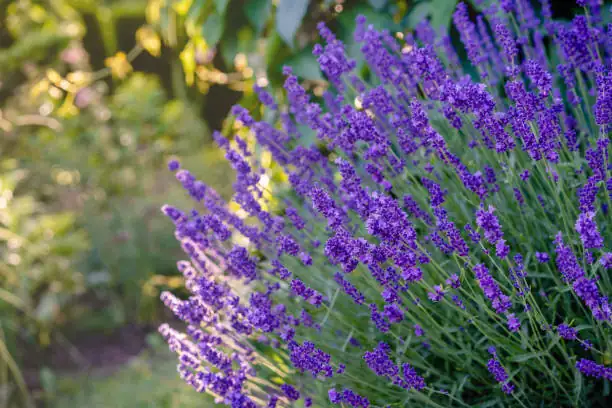
Lavender is more than just a pretty face in the garden. This perennial shrub forms neat, bushy mounds that can reach heights of 30 to 90 cm (1 to 3 ft), with a similar spread. Its silvery gray-green foliage, adorned with fine hairs, lends a striking contrast to the vibrant purple flower spikes. Each flower spike is a compact symphony of tiny, two-lipped blooms, whose fragrance is released with the gentlest touch—a testament to the oil glands nestled within their tubular calyxes.
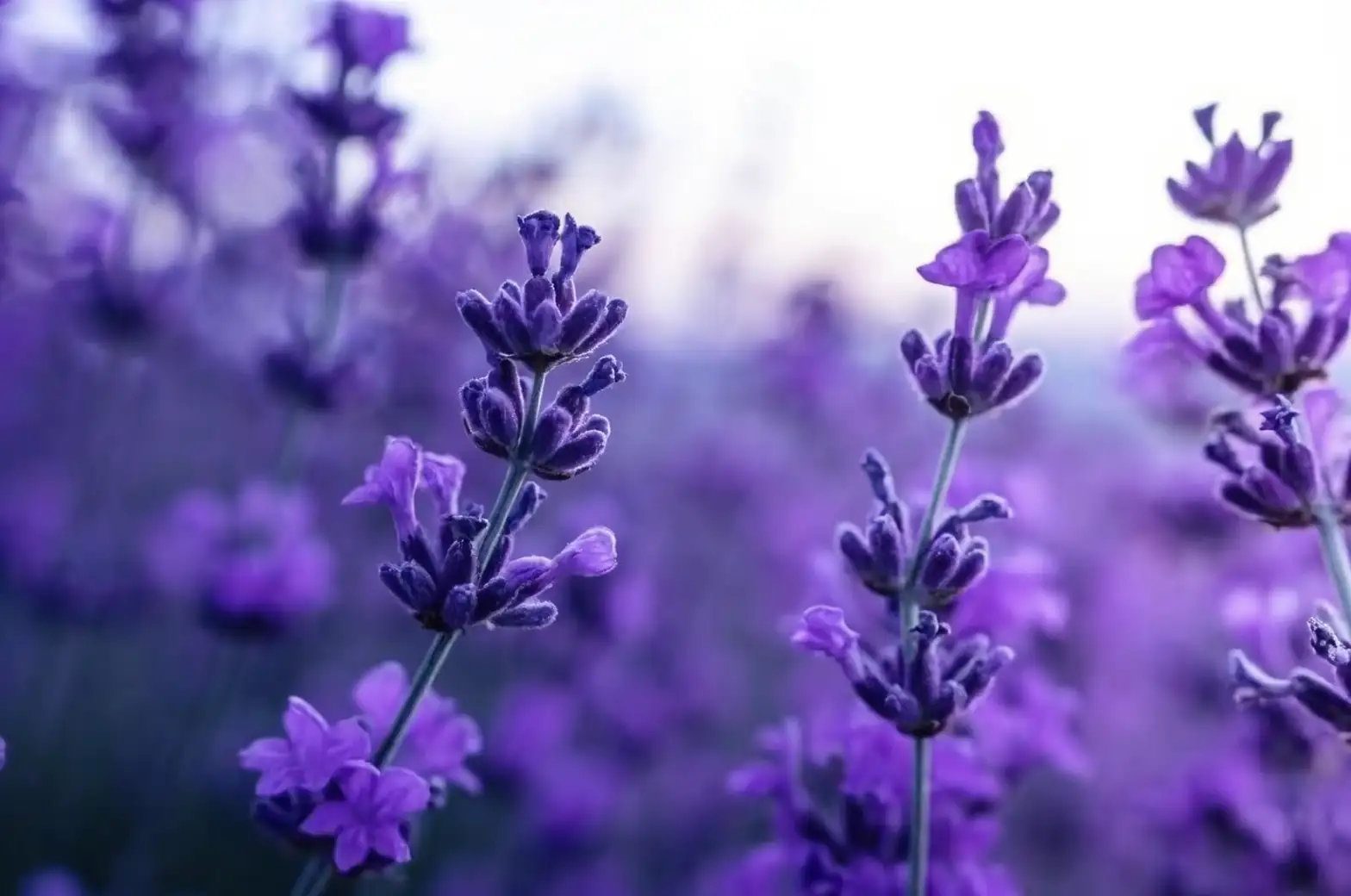
Lavender’s flowering season stretches from June to August, with some varieties offering a delightful encore in September and October. This plant’s growth habit is as charming as its appearance; it stands upright and branches out, creating a dense, woody structure over time.
A Sun Worshipper’s Delight: Ideal Growing Conditions
Lavandula angustifolia thrives best under the warm embrace of the sun. At least 6 to 8 hours of direct sunlight daily will ensure it flourishes. This Mediterranean native also prefers dry air and low to moderate humidity, making it somewhat of a diva when it comes to avoiding damp, stagnant conditions. Its love for well-drained, gritty soils means it shies away from heavy clay or waterlogged environments, often thriving in leaner soils where its blooms can truly shine.
The Heart of the Matter: Lavender’s Aromatic Essence
What makes lavender so irresistible is its fragrance—a sweet, fresh, and slightly woody scent that evokes calm and tranquility. This aroma is not just a sensory delight; it’s steeped in history and tradition. The name “lavender” is derived from the Latin “lavare,” meaning “to wash,” a nod to its historic use in cleansing rituals, baths, and linens.
Lavender’s Many Hats: Uses and Symbolism
Lavender is a multi-talented performer in the botanical world. Its uses span far and wide:
- Ornamental: Perfect for borders, pathways, and containers, lavender enhances any landscape with its beauty.
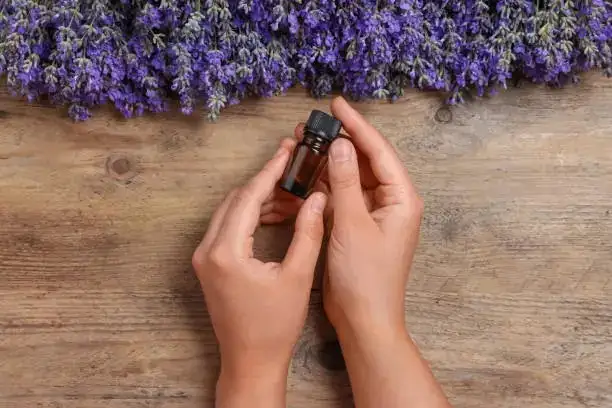
- Fragrance: Essential oils extracted from lavender are cornerstones in perfumes, soaps, and skincare.
- Household: Dried lavender has long been used as a natural insect repellent and in potpourris.
- Wellness: Lavender’s calming properties are harnessed in aromatherapy, often aiding in relaxation and sleep.
- Culinary: In small amounts, lavender adds a unique flavor to teas, syrups, and baked goods.
- Ecology: A boon for pollinators, lavender attracts bees, butterflies, and other beneficial insects.
In the realm of flower language, lavender is a symbol of devotion, calm, and purity. It’s often associated with “waiting for love” and gentle affection, with different shades of lavender extending the meanings to serene devotion and romantic sweetness.
Care Tips: Cultivating Lavender’s Splendor
Despite its exotic allure, lavender is surprisingly easy to grow once you master its preferences. Here are some tips for nurturing this aromatic herb:
- Watering: Lavender prefers to dry out between waterings. Overwatering is its nemesis, so ensure the soil drains well.
- Pruning: Regular pruning keeps lavender from becoming leggy and encourages prolific blooming.
- Fertilization: Less is more. Lavender thrives in lean soil, so avoid heavy fertilization that encourages excessive foliage at the expense of flowers.
Conclusion: Lavender’s Lasting Legacy
Lavender’s allure is timeless, rooted in centuries of use and admiration. From the ancient fields of the Mediterranean to modern gardens worldwide, its beauty and fragrance continue to captivate and soothe. Whether you’re planting it for its ornamental value, harvesting its aromatic flowers, or simply enjoying its calming presence, Lavandula angustifolia remains a quintessential garden favorite—a testament to nature’s artistry and enduring grace.


