

The Enchanting Journey of Moluccella laevis: From Asian Origins to European Gardens
Nestled within the aromatic mint family, Moluccella laevis, commonly celebrated as Bells of Ireland, offers a captivating narrative that unfurls from the ancient lands of western Asia to the meticulously curated gardens of Europe. Despite its Irish moniker, this beguiling plant’s history is steeped in the rich soils of Turkey, Syria, and neighboring regions. Let’s embark on a journey through time and geography to explore how this verdant wonder became a beloved fixture in gardens and floral arrangements worldwide.
Origins and Historical Significance
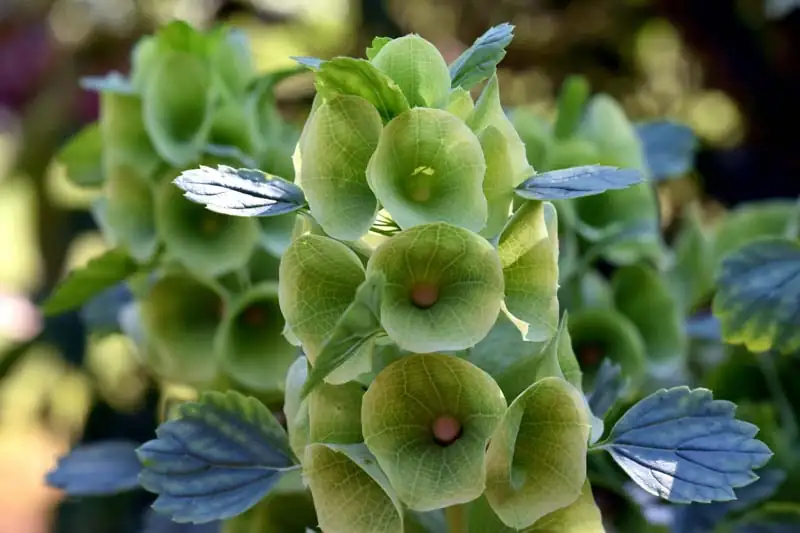
Contrary to what its name might suggest, Bells of Ireland is not a native of the Emerald Isle. Instead, its roots can be traced back to the fertile grounds of the Middle East, where it thrived alongside other flora in the region’s temperate climate. Its lush, green calyces—mistaken for flowers—cradle tiny white blooms, a design that has intrigued botanists and gardeners alike since the 1500s. The plant made its European debut around 1570, where its striking appearance and symbolism of good fortune quickly captured the imagination of horticulturalists.

The Secret Behind the Bells
The allure of Moluccella laevis lies in its unique structure. The plant’s signature “bells” are not petals but rather enlarged calyces that form a protective cup around the diminutive white flowers within. This architectural feature not only adds a fresh, crisp texture to floral arrangements but also provides a fascinating talking point for plant enthusiasts. Its square, four-angled stems—hallmarks of the mint family—further enhance its structural appeal.
A Symbol of Prosperity and Hope
In the language of flowers, Bells of Ireland is imbued with meanings of prosperity, luck, and renewal. This symbolism has made it a favorite choice for celebratory bouquets, especially during Irish-themed events like St. Patrick’s Day. Its vibrant green hue is reminiscent of Ireland’s lush landscapes, providing a visual and symbolic link to themes of growth and resilience.
Cultivating Bells of Ireland
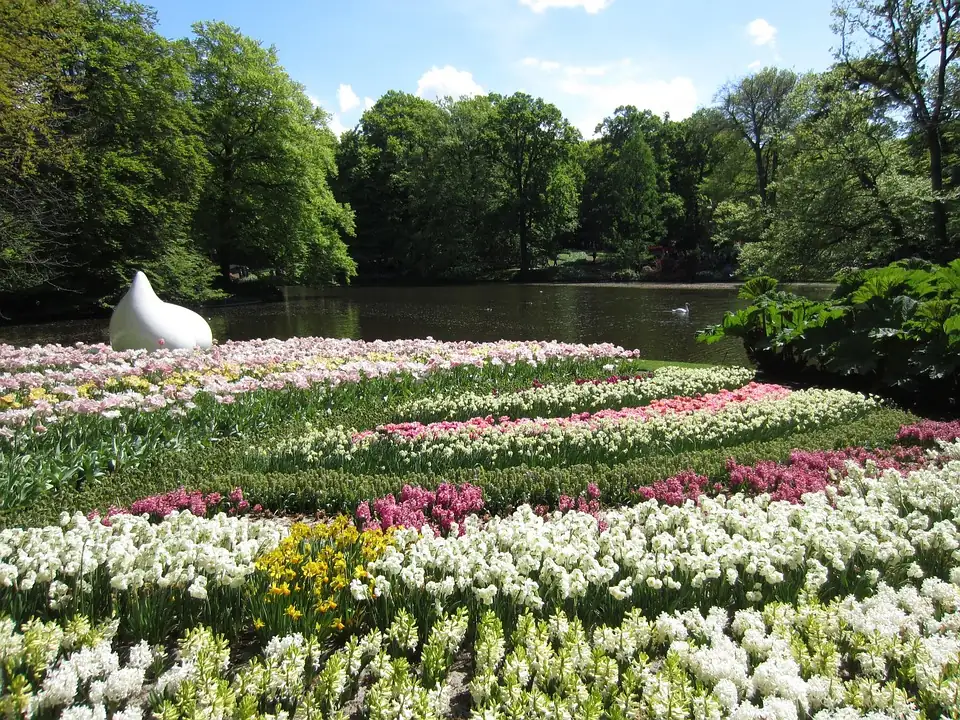
For those looking to add a touch of luck to their gardens, Bells of Ireland can be a rewarding annual to cultivate. It thrives in cool climates, preferring full sun and well-drained soil. While the initial germination can be a bit tricky, with careful attention to cold stratification and light requirements, the plant rewards patience with tall, elegant spikes that reach impressive heights of up to three feet.
- Sunlight: Aim for at least 6+ hours of direct light for optimal growth.
- Soil: Well-drained, moderately fertile sandy or loamy soil works best.
- Watering: Keep the soil evenly moist during seedling establishment, then water when the top inch of soil dries out.

From Garden to Vase
In the world of floristry, Bells of Ireland stands as a testament to the power of simplicity and elegance. Whether used fresh or dried, its towering green spikes add vertical lines and a unique texture to arrangements. The plant’s resilience in a vase—lasting up to two weeks when properly conditioned—makes it a go-to option for florists crafting designs that require both height and drama.
Fun Facts and Final Thoughts
- Phototropic Nature: Bells of Ireland bends towards the light, a characteristic known as phototropism.
- Aromatic Qualities: Despite its prickly exterior, the plant emits a sweet fragrance with a hint of citrus, enhancing its appeal.
- Self-Seeding Ability: Given the right conditions, it can self-seed, offering a new generation of plants in subsequent seasons.
The story of Moluccella laevis is one of unexpected origins and enduring charm. From the ancient landscapes of western Asia to the sophisticated gardens of Europe, it has remained a symbol of luck and prosperity, captivating gardeners and florists alike with its architectural beauty and rich history. So, the next time you marvel at its vibrant green bells, remember the journey this plant has taken—a journey that continues to inspire and delight across the globe.


