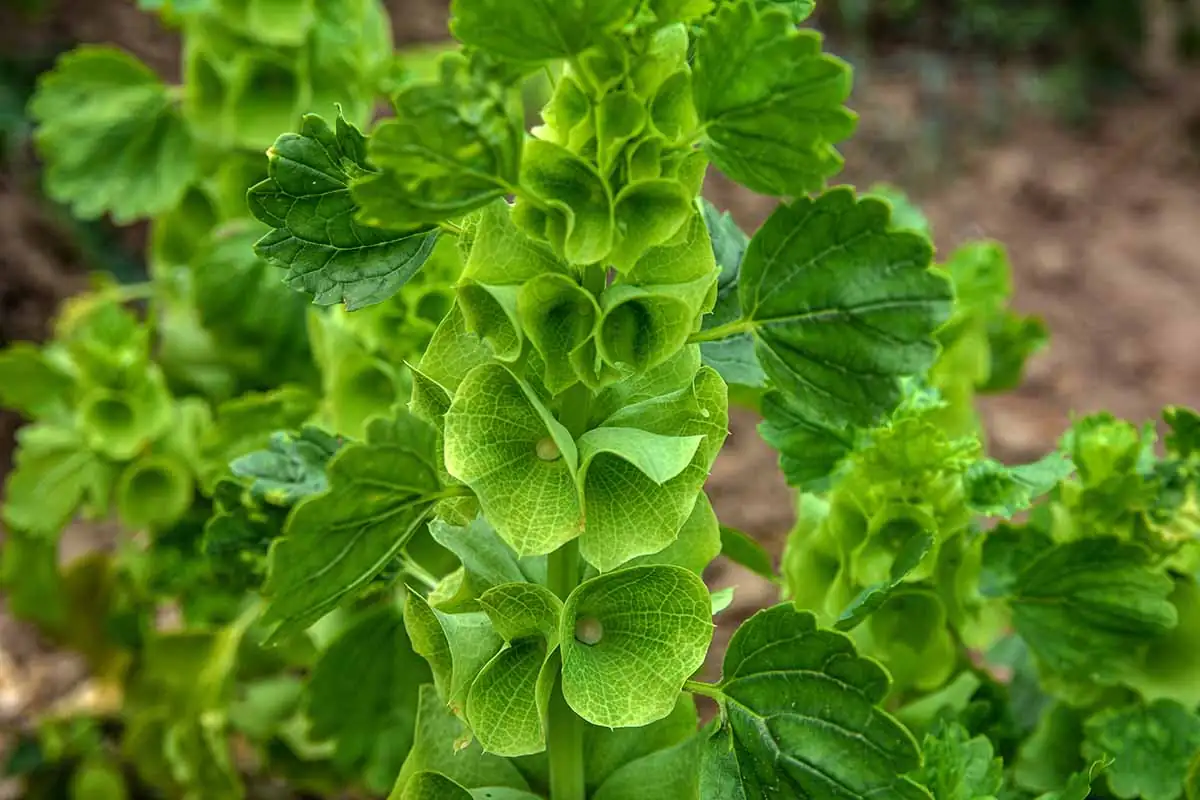
Nestled in gardens worldwide, Moluccella laevis L., affectionately known as Bells of Ireland, stands as a testament to nature’s unique artistry. With its architecturally striking green calyces and enchanting spikes, this plant is a favored choice for florists and gardeners alike. Yet, even the most beloved plants face challenges. To keep your Bells of Ireland healthy and vibrant, understanding and managing common pests like aphids and spider mites is crucial. Let’s dive into the world of these green beauties and learn how to ensure they flourish in your garden.
Identifying Bells of Ireland
Before tackling pests, it’s important to recognize the distinct features of Bells of Ireland. These annuals grow up to 60–90 cm (2–3 ft) tall, with unbranched, sturdy stems that exhibit a four-angled, square shape—a classic trait of the mint family, Lamiaceae. The plant’s charm lies in its lush, bell-like calyces, which are actually enlarged, leaf-like structures housing tiny white flowers.

The Pest Patrol: Aphids and Spider Mites
Aphids: The Sap-Sucking Menace
Aphids are tiny, often green insects that congregate in clusters, sucking the sap from tender plant parts. This can lead to distorted growth and the excretion of sticky honeydew, which attracts sooty mold—a fungus that can further mar your plant’s appearance.
Signs of Aphid Infestation:
- Curled or yellowing leaves
- Sticky residue on leaves or nearby surfaces
- Deformed new growth
Management Tips:
- Insecticidal Soap: A mild, effective treatment. Spray thoroughly, ensuring contact with the aphids.
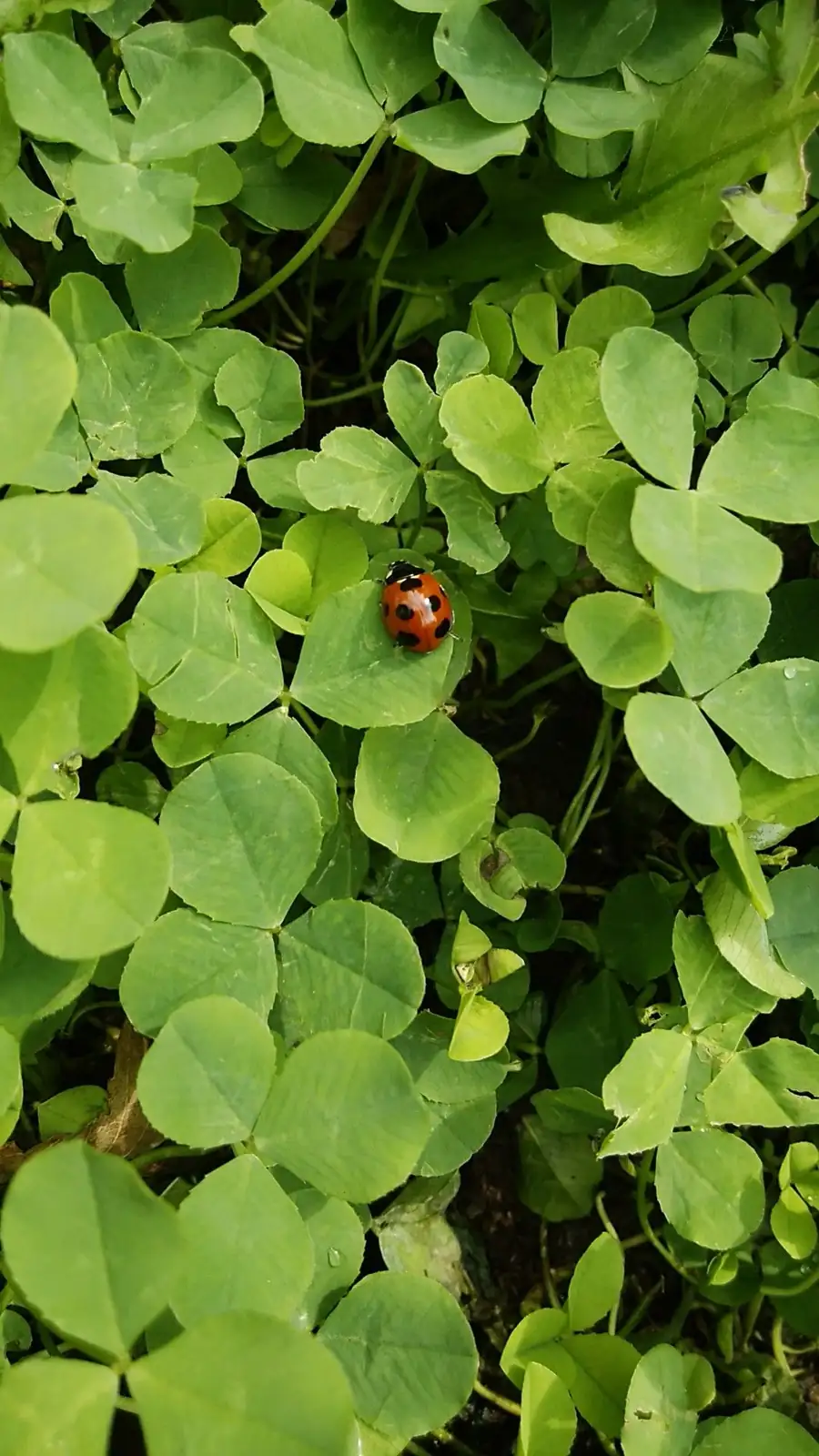
- Natural Predators: Introduce ladybugs or lacewings to your garden. These insects feast on aphids, providing natural pest control.
- Water Jet: A strong spray of water can dislodge aphids from the plant. Repeat as necessary.
Spider Mites: The Tiny Web Spinners
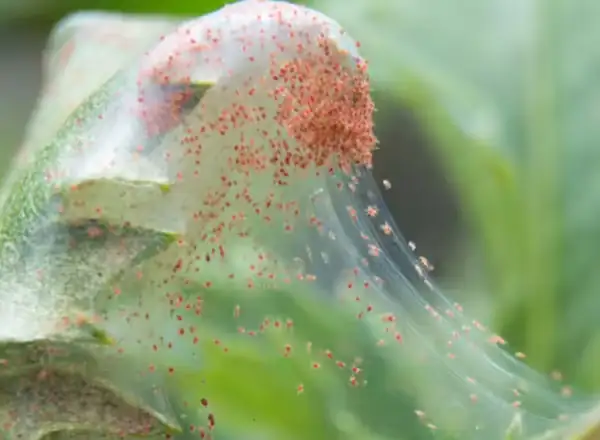
Spider mites are minuscule pests that thrive in hot, dry conditions. They create fine webs under leaves, causing stippled or bronzed foliage as they feed.
Signs of Spider Mite Infestation:
- Tiny, discolored spots on leaves
- Webbing on undersides of leaves
- Leaves appearing dusty or speckled
Management Tips:
- Increase Humidity: Spider mites dislike moisture, so regularly mist the plants or increase ambient humidity.
- Predatory Mites: Introduce beneficial mites that prey on spider mites.
- Neem Oil: Apply neem oil as a natural miticide, ensuring thorough coverage.
Cultivating a Healthy Environment
Prevention is key in pest management. Here’s how to create an environment where your Bells of Ireland can thrive:
- Sunlight: Ensure your plants receive at least 6 hours of direct sunlight. Too little light can weaken plants, making them more susceptible to pests.
- Watering: Keep the soil evenly moist, but avoid sogginess. Watering at the base minimizes fungal risks and supports strong growth.
- Airflow: Good airflow reduces humidity levels around the foliage, discouraging spider mites.
The Symbolism and Legacy of Bells of Ireland
Beyond their physical beauty, Bells of Ireland carry rich symbolism. Often associated with good luck, prosperity, and resilience, these plants are a staple in celebratory bouquets and Irish-themed events. Despite their name, they hail from the lush terrains of western Asia, weaving a story of cultural exchange and global appreciation.
Conclusion
With a little care and vigilance, your Bells of Ireland can stand tall and vibrant, free from the clutches of aphids and spider mites. Armed with these tips, you’re well on your way to maintaining a garden full of luck and charm. Remember, every healthy plant not only adds to the beauty of your space but also to the tapestry of stories that make up your garden. Happy gardening!