

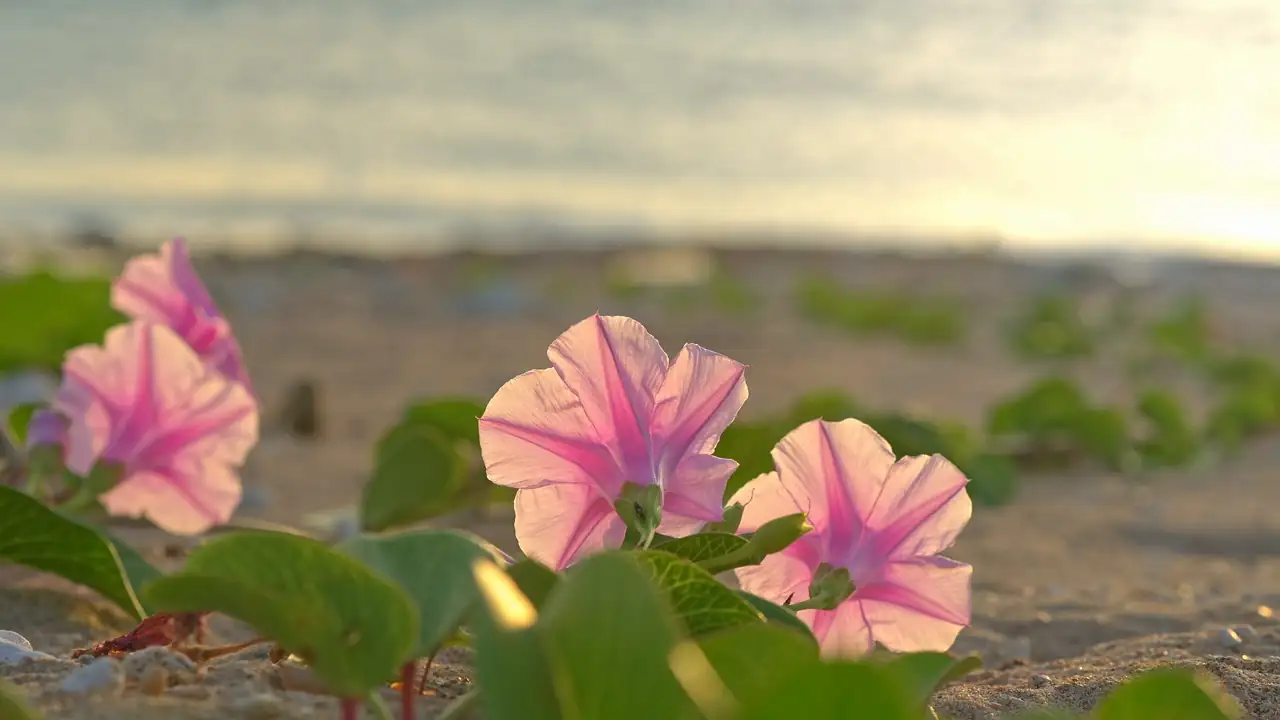
Discover the Rich History of Morning Glories
Imagine waking up to a garden splashed with vibrant blues, purples, and pinks—flowers unfurling like sleepy eyes greeting the day. This is the everyday magic of Ipomoea purpurea, commonly known as the morning glory. These delightful blooms, with their heart-shaped leaves and trumpet-shaped flowers, have charmed gardeners and poets alike for centuries. But beyond their visual appeal lies a tapestry of cultural significance and historical intrigue that spans continents and eras.
Origins in Central America
The journey of the morning glory begins in the lush landscapes of Mexico and Central America. It’s here that these vines first intertwined with local ecosystems, thriving in the warm, moist climates. Originally, the plant’s adaptability helped it to colonize disturbed habitats, including roadsides and agricultural fields, where it could sprawl and climb with abandon.
As European explorers set sail and began to map the world, they carried with them the seeds of Ipomoea purpurea, spreading its vibrant beauty to new lands. Today, morning glories are naturalized across warm temperate and subtropical regions worldwide, from the gardens of Southern Europe to the wild reaches of the Southeastern United States.
A Symbol in Japanese Culture
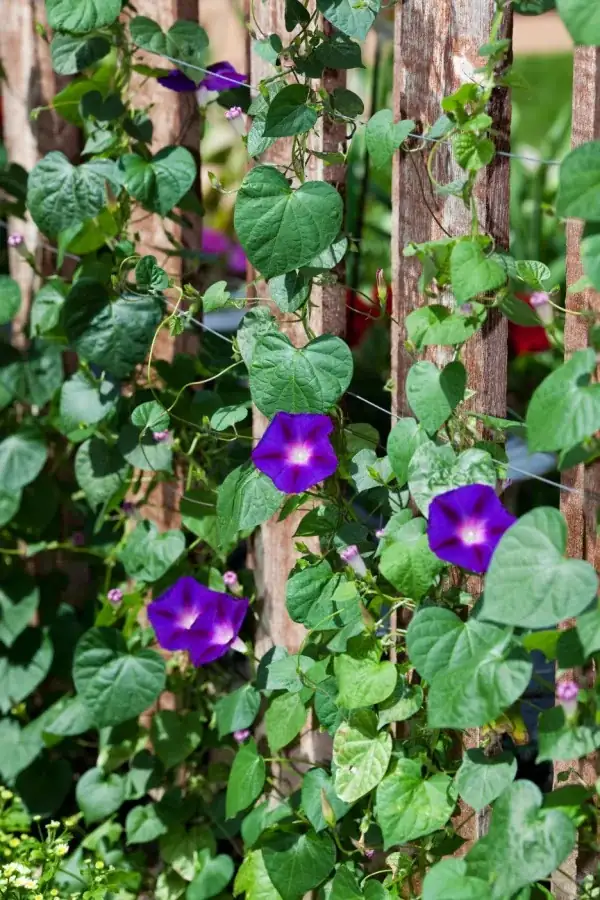
In Japan, the morning glory, or “asagao,” holds a special place in the tapestry of cultural symbols. Celebrated for centuries as a harbinger of summer, these flowers are staples of Japanese art and festivals. The fleeting beauty of the morning glory, which blooms with the dawn and closes by afternoon, symbolizes the ephemeral nature of life—a concept deeply rooted in Japanese aesthetics and philosophy.
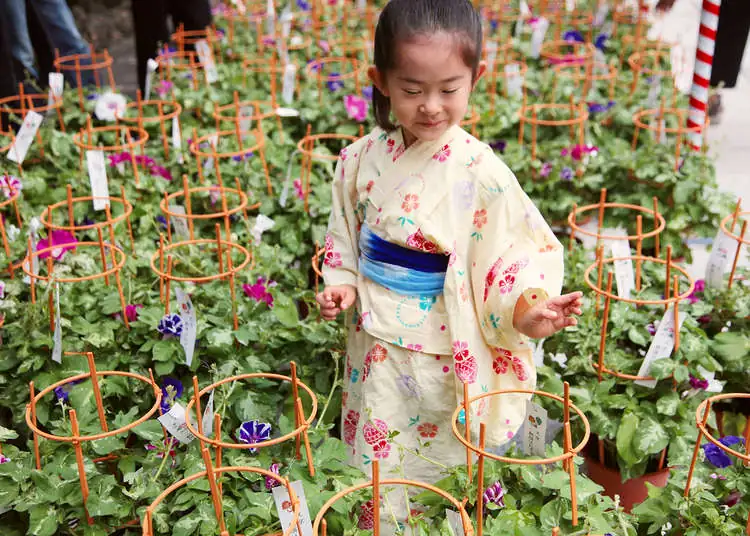
Through careful breeding, Japan has enriched the world with countless ornamental varieties, each a testament to the nation’s dedication to preserving and enhancing the flower’s natural allure. The morning glory’s ability to inspire a sense of renewal and hope is a testament to why it remains a beloved symbol across the globe.
Mesoamerican Mysticism
In Mesoamerica, the morning glory held more than ornamental value. Certain species’ seeds were revered for their psychoactive properties, used in ceremonial rituals to induce visions and connect with the divine. Though modern science has revealed the seeds contain compounds similar to LSD, the cultural practices surrounding their use highlight a profound respect for the plant’s spiritual significance.
Growing Your Own Morning Glory
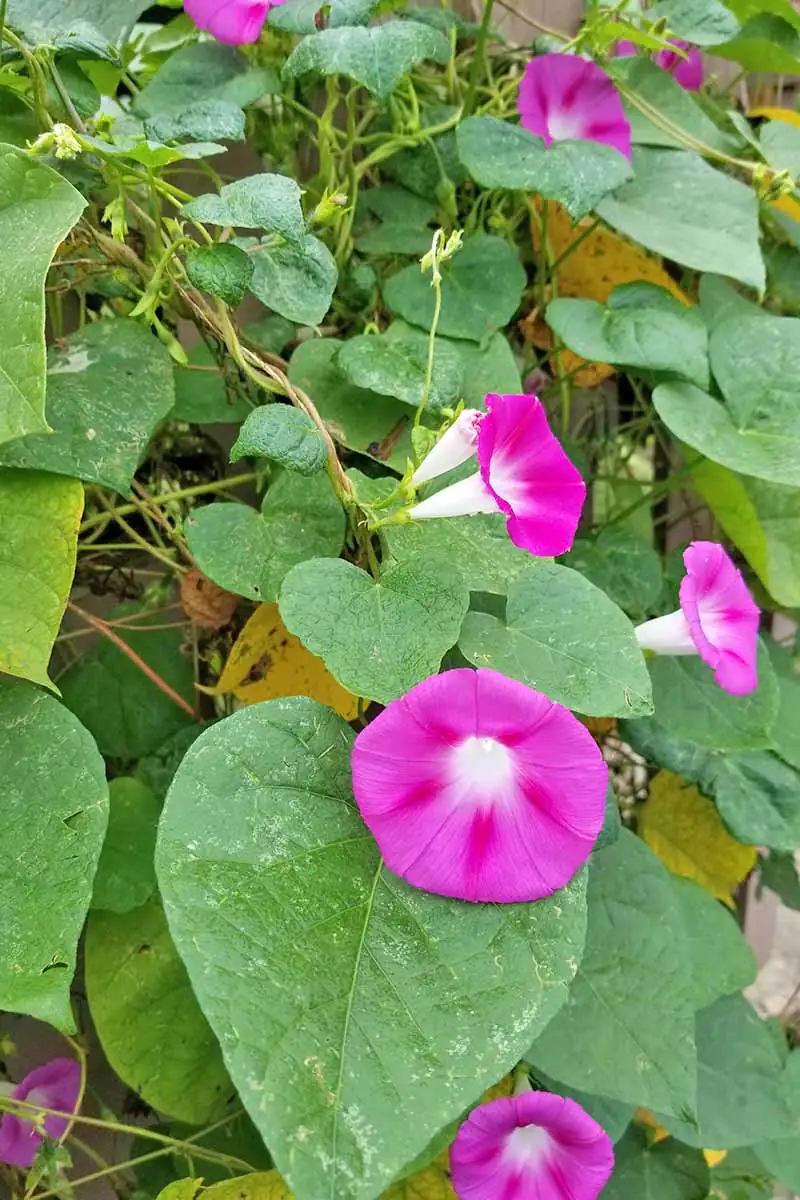
Want to bring a piece of this rich history into your own backyard? Growing morning glories is delightfully straightforward. Here’s how you can cultivate these historical beauties:
- Sunlight: Aim for full sun, about 6–8 hours of direct light daily, to ensure robust growth and abundant blooms.
- Soil: Well-draining soil is crucial. While morning glories are adaptable, they thrive in moderately fertile ground with a neutral to slightly acidic pH.
- Watering: Keep the soil evenly moist but not soggy, especially while the plant is establishing itself.
- Support: Provide a trellis or fence for the vine to climb, transforming vertical spaces into living walls of color.
Fun Facts and Cautions
- Did you know that morning glories are close relatives of the sweet potato? Both belong to the genus Ipomoea.
- Each flower lives for just a day, yet the plant keeps producing blooms throughout its growing season.
- Beware of the seeds, which are toxic if ingested and can cause serious health effects. Keep them out of reach of children and pets.
In the end, the morning glory is more than just a garden plant. It’s a bridge to history, a symbol of fleeting beauty, and a testament to the interconnectedness of cultures worldwide. Whether you’re admiring its blooms at sunrise or pondering its deeper meanings, the morning glory is sure to inspire and delight.


