Morning Glory Pests and Diseases: How to Keep Your Ipomoea purpurea Thriving
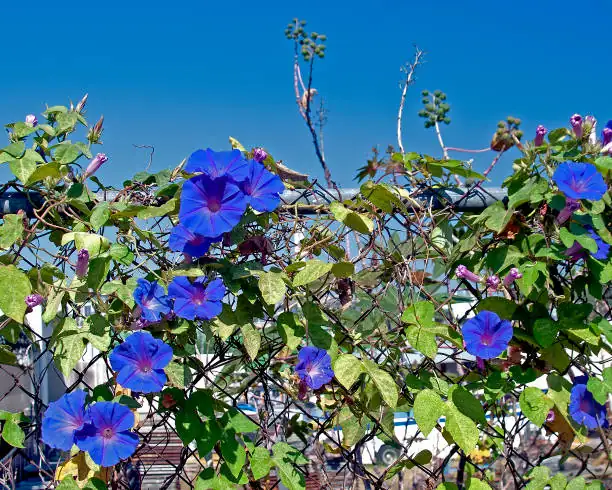
Morning glories, or Ipomoea purpurea, are the vibrant morning heralds of the garden world. Their trumpet-shaped blooms, which unfurl with the sunrise, are like nature’s own alarm clock. Known for their rapid growth and eager climbing habits, morning glories can quickly transform any vertical space into a lush, colorful tapestry. However, like any good story, the life of a morning glory is not without its challenges. These cheerful plants can fall prey to a variety of pests and diseases. But fear not! With a blend of organic and chemical solutions, you can keep these beauties thriving throughout the season.
Common Pests That Love Morning Glory
Aphids: The Sticky Saboteurs
These tiny, pear-shaped insects might seem harmless, but aphids can wreak havoc on your morning glories. They pierce plant tissues to suck out the sap, often leading to distorted growth and a sticky residue known as honeydew. This can attract ants and foster sooty mold, which interferes with photosynthesis.
Control Methods:
- Water Spray: A firm spray of water can knock aphids off the plant. Repeat every few days.
- Insecticidal Soap: Mix a tablespoon of mild dish detergent in a quart of water and spray on affected areas.
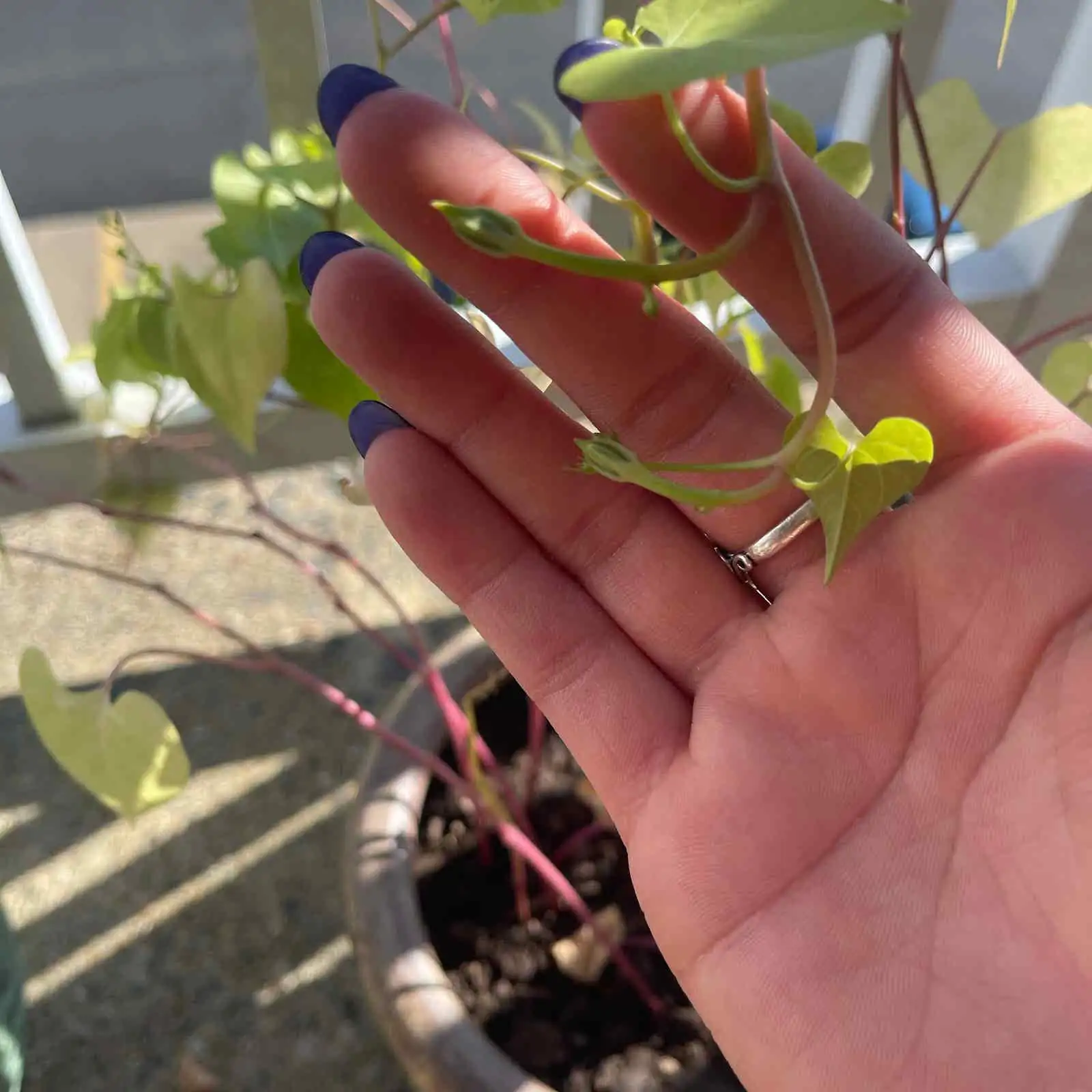
Spider Mites: The Web-Weaving Pests
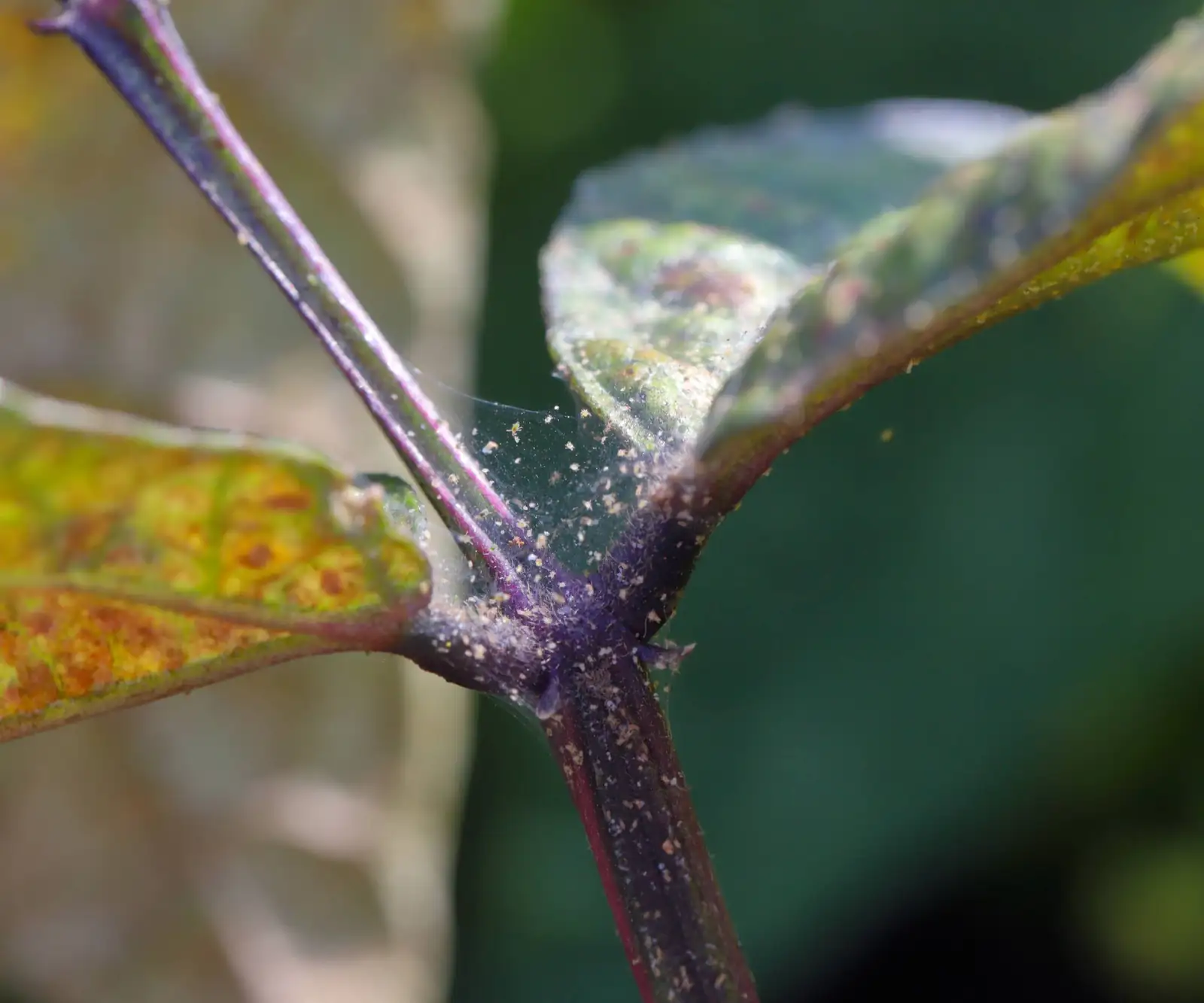
If you notice fine webs and speckled leaves, spider mites might be at work. These minuscule pests thrive in hot, dry conditions and can quickly cause significant damage.
Control Methods:
- Horticultural Oils: Oils like neem can suffocate mites. Apply regularly for best results.
- Insecticidal Soap: Also effective against these tiny terrors.
Caterpillars: The Leaf Munchers
Caterpillars can make quick work of morning glory leaves, leaving behind unsightly holes and tears. Some even bore into stems, causing wilting or collapse.
Control Methods:
- Handpicking: Remove them manually and dispose of them in soapy water.
- Bacillus thuringiensis (Bt): A natural bacteria that targets caterpillars without harming other insects. Dust or spray onto foliage.
Diseases That Threaten Morning Glory
Powdery Mildew: The Fungal Foe
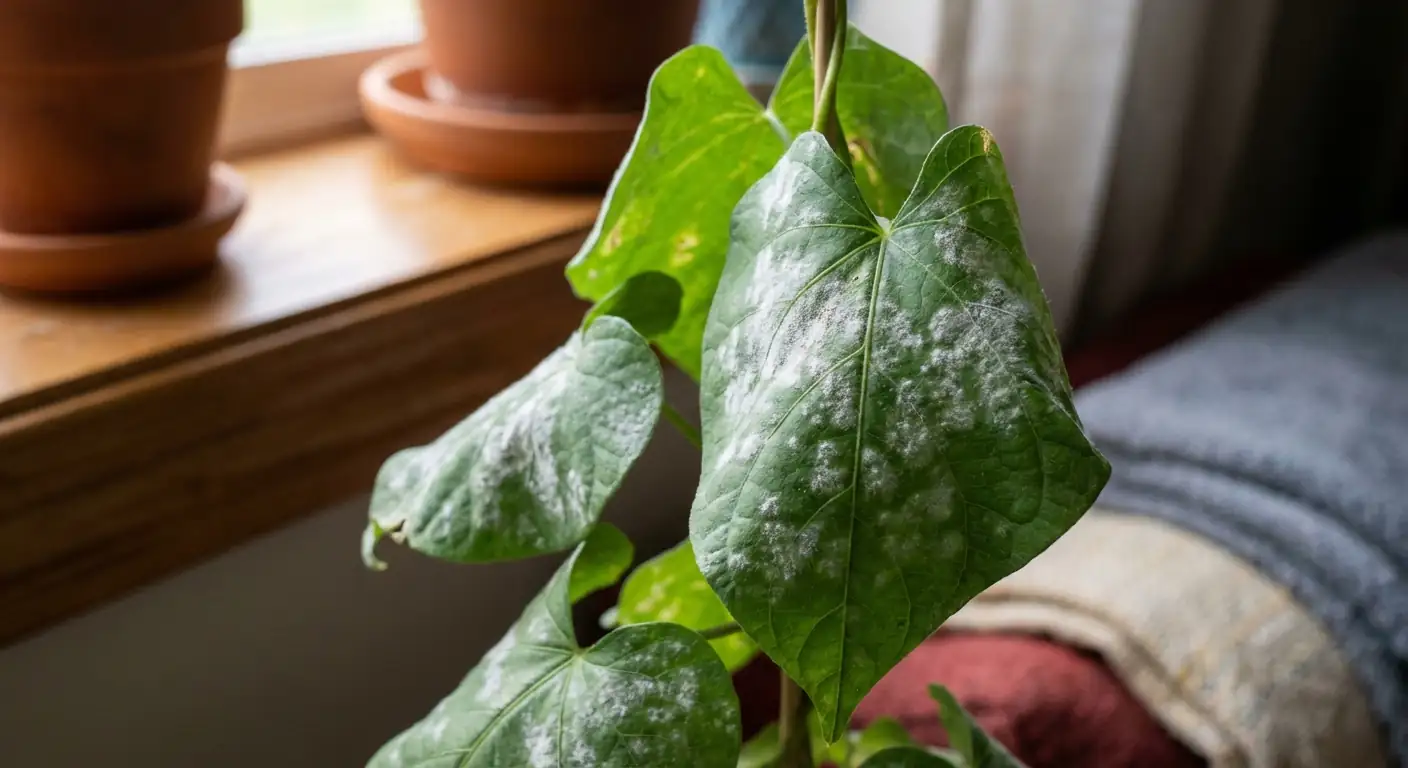
This fungal disease appears as a white, powdery coating on leaves and stems. It thrives in warm, humid conditions and can stunt plant growth.
Prevention and Treatment:
- Air Circulation: Ensure good airflow by not overcrowding plants.
- Neem Oil: Acts as a preventative and treatment for powdery mildew.
Rust: The Orange Intruder
Rust is a fungal disease characterized by orange pustules on the undersides of leaves. It can weaken plants and reduce flowering.
Control Methods:
- Remove Affected Leaves: Prevents spread and reduces spore count.
- Fungicides: Use sulfur-based fungicides for organic control.
General Health Tips for Thriving Morning Glories
- Sunlight: Ensure your morning glories receive 6-8 hours of direct sunlight daily.
- Watering: Keep soil evenly moist but not soggy; mulch to retain moisture.
- Fertilization: Use a low-nitrogen fertilizer to encourage blooms over foliage.
- Pruning: Trim back any ragged or overgrown vines to keep your plant neat and vigorous.
A Note on Morning Glory Symbolism
In the language of flowers, morning glories symbolize love and affection, renewal, and the fleeting nature of beauty. This symbolism stems from their short-lived blooms that open with the dawn and close by afternoon, reminding us to cherish each moment’s beauty. In Victorian times, they also represented unrequited love, a nod to their brief yet beautiful display.
By understanding the challenges your morning glories face and arming yourself with the right tools, you can ensure your garden remains a vibrant and healthy sanctuary. So next time you gaze upon those stunning morning blooms, you’ll know that beneath their beauty lies a well-fought battle against nature’s tiny invaders. Happy gardening!