

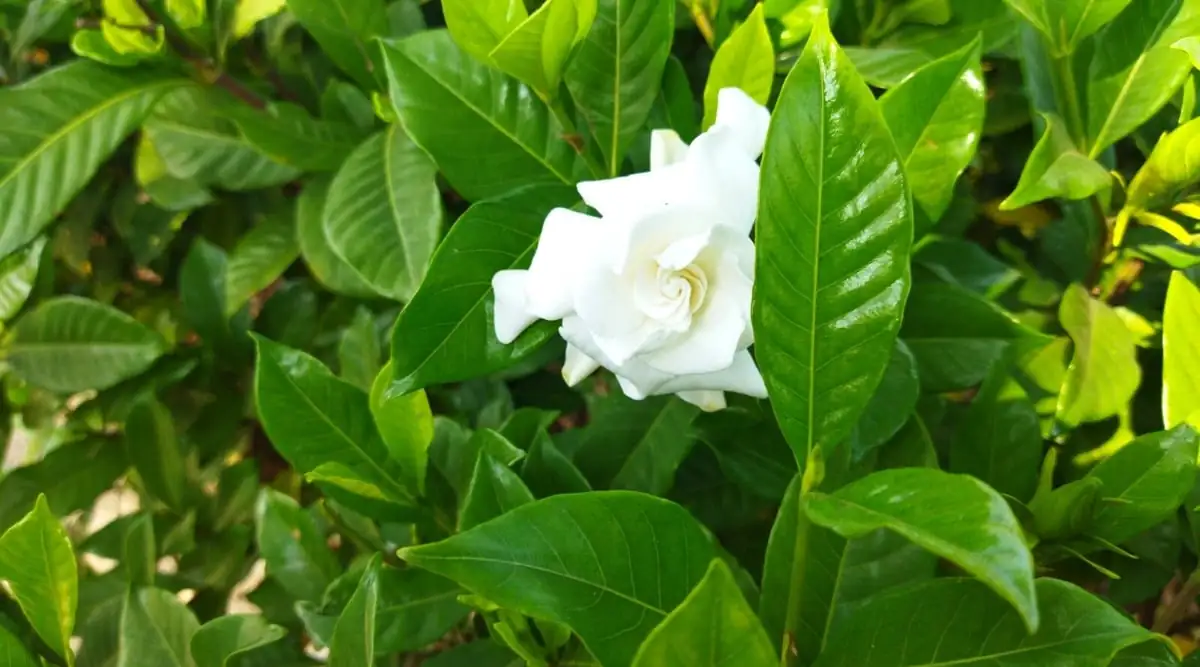
Gardenia jasminoides, commonly known as Gardenia or Cape Jasmine, is more than just a pretty face in the plant world. This evergreen shrub, known for its glossy leaves and creamy-white, fragrant flowers, carries profound symbolism and cultural significance, especially in the realm of weddings and rituals. Let’s embark on an aromatic journey to explore the deeper meanings and cultural resonance of this enchanting plant.
The Language of Flowers: What Does Gardenia Symbolize?
In the language of flowers, also known as floriography, Gardenia jasminoides is a symbol of purity, grace, and refined love. The Victorians were especially fond of using flowers to convey messages, and gardenias were often associated with secret love, making them the perfect gift from a secret admirer. Their luxurious blooms and velvety texture have long been linked with trust, hope, and renewal. Imagine receiving a bouquet of gardenias—it’s akin to receiving a beautifully penned love letter sealed with a kiss.
Beyond Romance: Joy, Hope, and Guardianship
But the symbolism of gardenias doesn’t end with romance. In many cultures, gardenias also represent joy and hope. Their pure white blooms are symbols of inner purity and aspiration for beauty. Gardenias are also seen as silent guardians, embodying selfless devotion and persistence. Whether it’s a wedding, a graduation, or a housewarming, gardenias bring with them a message of joy and aspiration.
Cultural Significance: Weddings and More
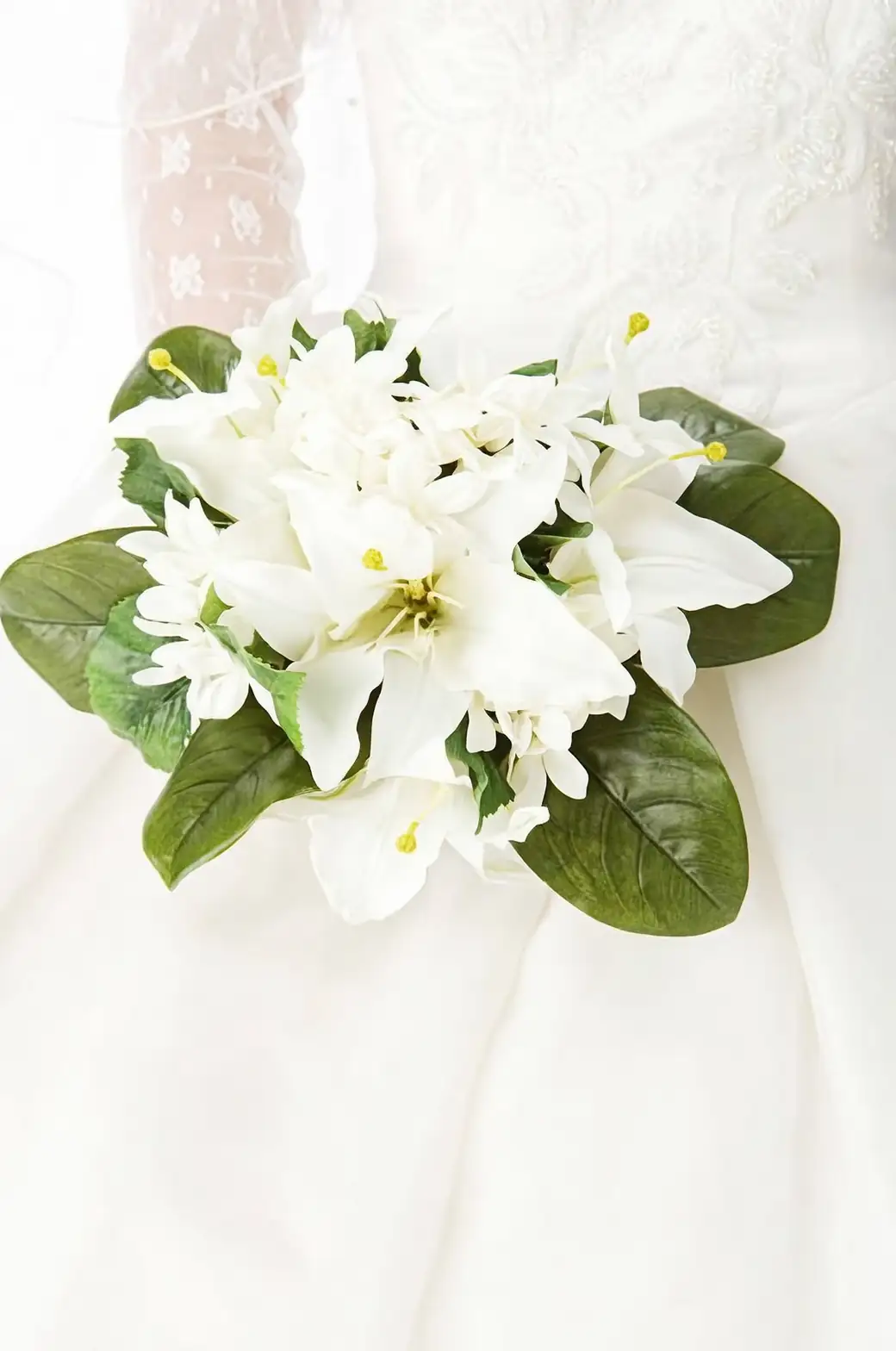
Gardenias are a staple in wedding bouquets and floral arrangements, symbolizing eternal love and commitment. Their presence at weddings is a testament to the couple’s unwavering loyalty and lifelong companionship. In some cultures, gardenias are thought to bring happiness and good fortune to the newlyweds—a fragrant promise of a blissful union.
Gardenias in Eastern Traditions
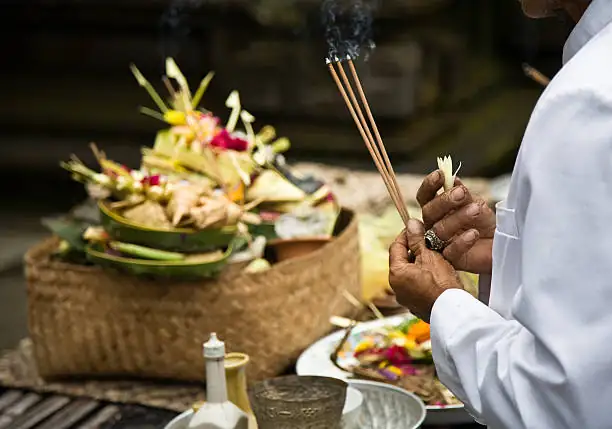
In Eastern cultures, particularly in China, gardenias have been cherished for centuries. They are often used as offering flowers in temples, representing peace and clarity in spiritual practices. The calming, peaceful fragrance of gardenias is believed to aid reflection and contemplative practices, making them a favorite in Taoist and Buddhist rituals.
A Fragrant Companion for Life’s Milestones
Gardenias are not just for weddings—they are suitable for a variety of occasions. Their symbolism of purity and innocence makes them ideal gifts for baptisms, birthdays, and even housewarmings. A potted gardenia can transform a home into a sanctuary of peace and renewal, with its fragrance acting as a gentle reminder of life’s simple joys.
The Historical Roots of Gardenia Symbolism
The history of Gardenia jasminoides is as rich and layered as its fragrance. Named after Dr. Alexander Garden, a Scottish-American botanist, this plant has traveled from the courtyards of East Asia to gardens worldwide. Its association with romance and devotion can also be seen in pop culture; for instance, Billie Holiday famously adorned her hair with gardenias during performances, adding to their allure as a symbol of beauty and elegance.

Caring for Your Gardenia: A Labor of Love
Owning a gardenia is like having a demanding yet rewarding friend. They thrive in acidic soil, require bright indirect light, and crave high humidity. Think of it as a spa day for your plant—consistent pampering ensures a lush, fragrant display. And while they can be a bit finicky, the effort is repaid tenfold when you walk into a room filled with their intoxicating scent.
Tips to Keep Your Gardenia Happy
- Sunlight: Bright, indirect light is ideal. Think of the gentle morning sun as a warm hug.
- Watering: Keep the soil evenly moist, but avoid waterlogging. Imagine a perfectly brewed cup of tea—not too dry, not too soggy.
- Humidity: High humidity is key. Use pebble trays or a humidifier to mimic a tropical paradise.
Conclusion: The Timeless Appeal of Gardenias
Gardenia jasminoides is more than a plant; it’s a living symbol of love, hope, and beauty. Whether you’re drawn by its fragrance or its rich symbolism, the gardenia offers a timeless connection to the natural world and the emotions that bind us. As you care for your gardenia, remember that you’re nurturing not just a plant, but a piece of living poetry—a fragrant reminder of the beauty and complexity of life.


