

Propagating Peace Lilies: Your Guide to Growing New Green Friends
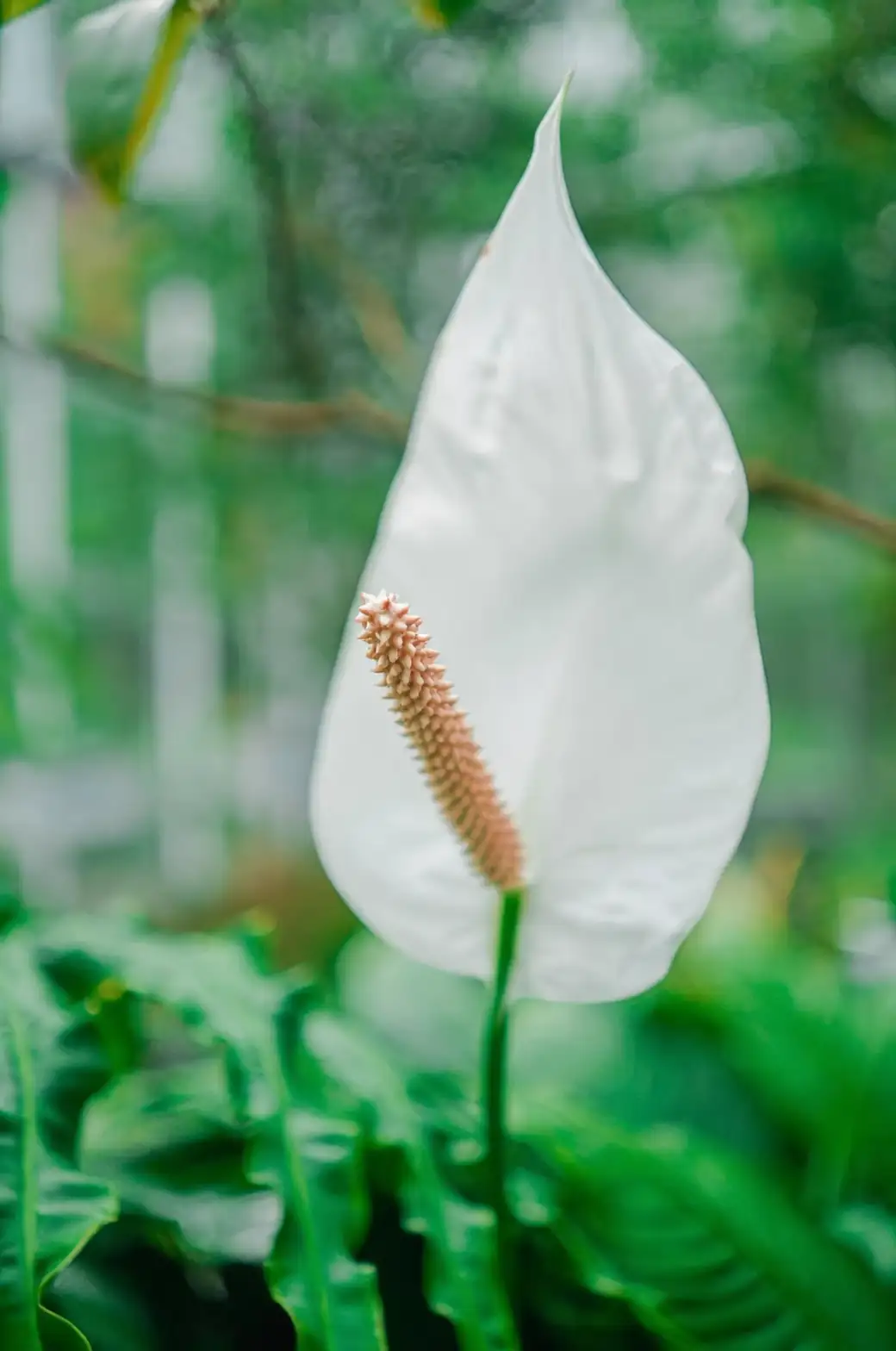
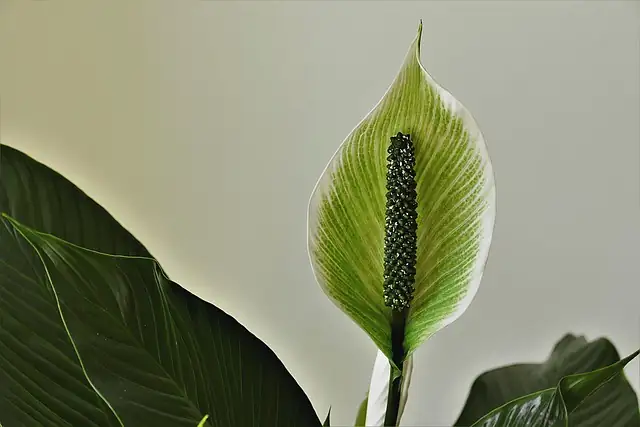
Looking to expand your indoor jungle without breaking the bank? Propagating your Peace Lily, also known as Spathiphyllum wallisii, might just be the horticultural hobby you need. These elegant plants, known for their glossy, deep-green foliage and striking white spathes, are not just beautiful; they also symbolize peace, purity, and tranquility. Ready to learn the ropes of propagation? Let’s dive into the world of Peace Lilies and explore how you can multiply these beauties in your own home.
Why Propagate a Peace Lily?
Imagine walking into a room filled with thriving, lush Peace Lilies, each one a testament to your green thumb prowess. Propagation not only allows you to spread the verdant charm throughout your home but also offers the perfect opportunity to share the calming presence of these plants with friends and family. Plus, who doesn’t love a bit of DIY plant magic?
The Best Time to Propagate
Timing is everything! The ideal period to propagate your Peace Lily is during its active growth phase in the spring or early summer. During this time, the plant channels its energy into new growth, making it more resilient to the changes that come with propagation. It’s like catching a wave at its peak—perfect for a smooth ride!
Tools of the Trade
Before you roll up your sleeves, gather these essentials:
- Sharp, clean scissors or pruning shears: For precise cuts.
- Well-draining potting soil: Moisture-retentive yet airy.
- Small pots or containers: To house your new plants.
- Watering can: To keep the soil and plants hydrated.
- Rooting hormone (optional): To encourage root growth.
Step-by-Step Propagation Guide
1. Division Method
The most reliable way to propagate a Peace Lily is by division. This method involves separating a mature plant into smaller sections, each with its own root system and leaves.
Step 1: Prepare the Plant
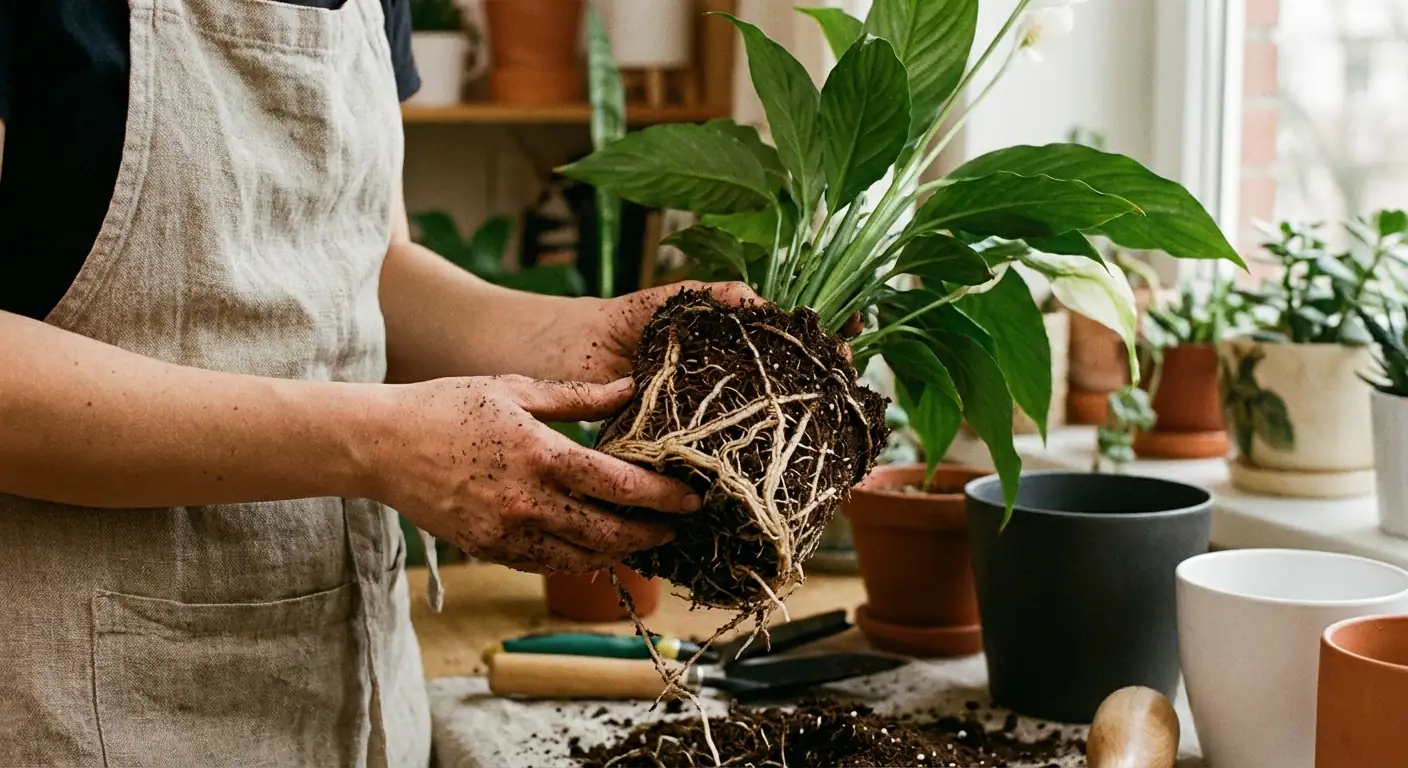
Gently remove your Peace Lily from its pot. Lay down a tarp or newspaper to keep things tidy. Carefully shake off excess soil to expose the roots.
Step 2: Division Time
With your hands, gently tease apart the roots to separate the plant into smaller clumps. Each division should have at least 3-4 leaves and a healthy root section. This method ensures that each new plant has the best start possible.
Step 3: Replant
Place each newly divided section into its own pot with fresh, well-draining soil. Firm the soil around the roots and water thoroughly to settle them in.
2. Water Propagation (Optional)
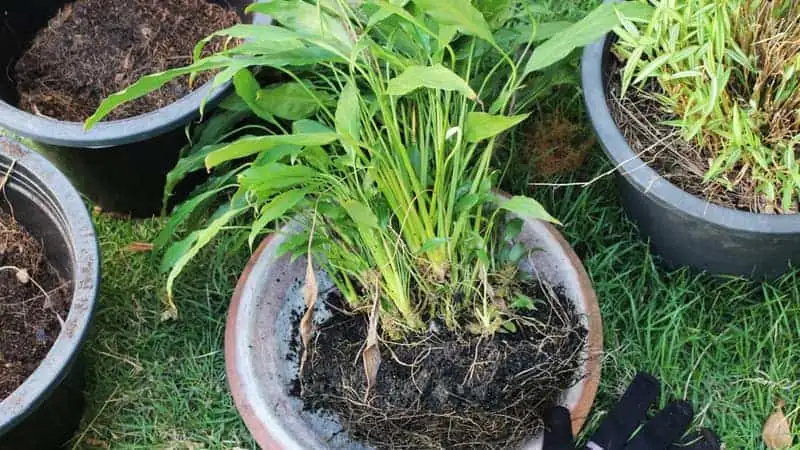
While division is preferred, you can also try rooting smaller offsets in water.
Step 1: Select a Healthy Offset
Choose a small, healthy offshoot from your Peace Lily. Use your scissors to cut it away, ensuring a small piece of stem is included to aid root development.
Step 2: Root in Water
Place the cutting in a glass of lukewarm water, ensuring leaves stay above the waterline to prevent rot. Watch the roots grow!
Step 3: Transition to Soil
Once roots reach 3-4 cm, transfer the cutting to soil. Maintain moisture to encourage continued growth.
Post-Propagation Care Tips
- Light: Keep new plants in bright, indirect light. Too much direct sunlight can stress the delicate leaves.
- Humidity: Peace Lilies thrive in humid environments. Consider a pebble tray or humidifier to boost humidity levels.
- Watering: New divisions require consistent moisture. Water when the top 2-3 cm of soil feels dry.
- Temperature: Maintain a cozy environment, ideally between 18-27°C (65-80°F).
Troubleshooting Common Issues
- Drooping Leaves: Often a sign of thirst. A thorough watering usually perks them right up.
- Brown Tips: Could indicate dry air or fluoride/chlorine in water. Use filtered water and increase humidity.
- Lack of Blooms: Light is crucial for flowering. Ensure your Peace Lily gets ample indirect light.
Safety First
Remember, Peace Lilies are toxic if ingested by pets or humans due to calcium oxalate crystals. Keep them out of reach from curious pets and children.
With these steps, you’re on your way to creating a lush collection of Peace Lilies that will not only enhance your living space but also serve as a testament to your growing gardening skills. Happy propagating!


