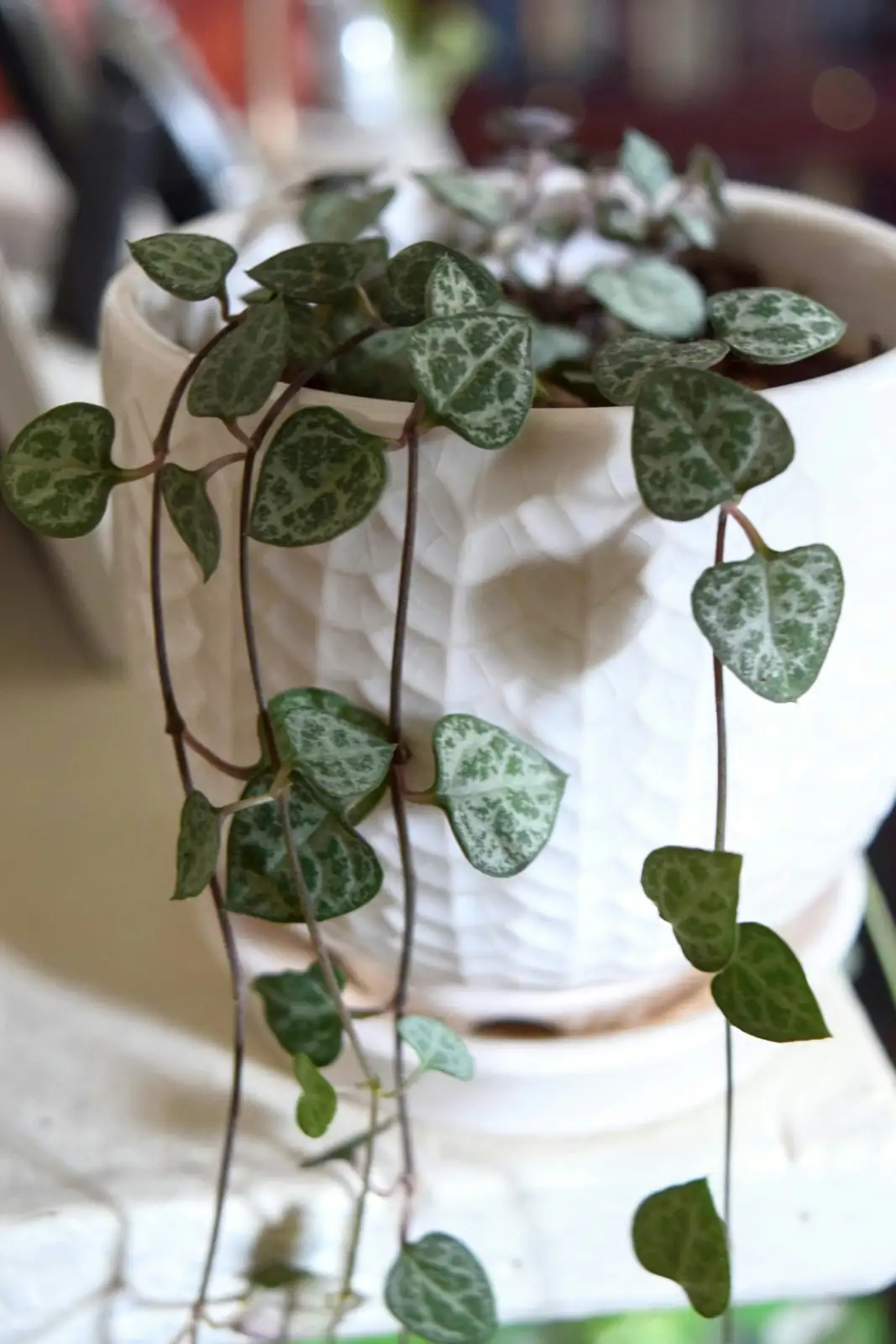
When it comes to houseplants that capture the heart, the String of Hearts (Ceropegia woodii) is a true charmer. With its enchanting heart-shaped leaves and delicate, trailing vines, this succulent is not only visually appealing but also easy to propagate. Whether you’re looking to expand your collection or share the love with friends, propagating String of Hearts is a rewarding endeavor.
Getting Started: Understanding Your Plant
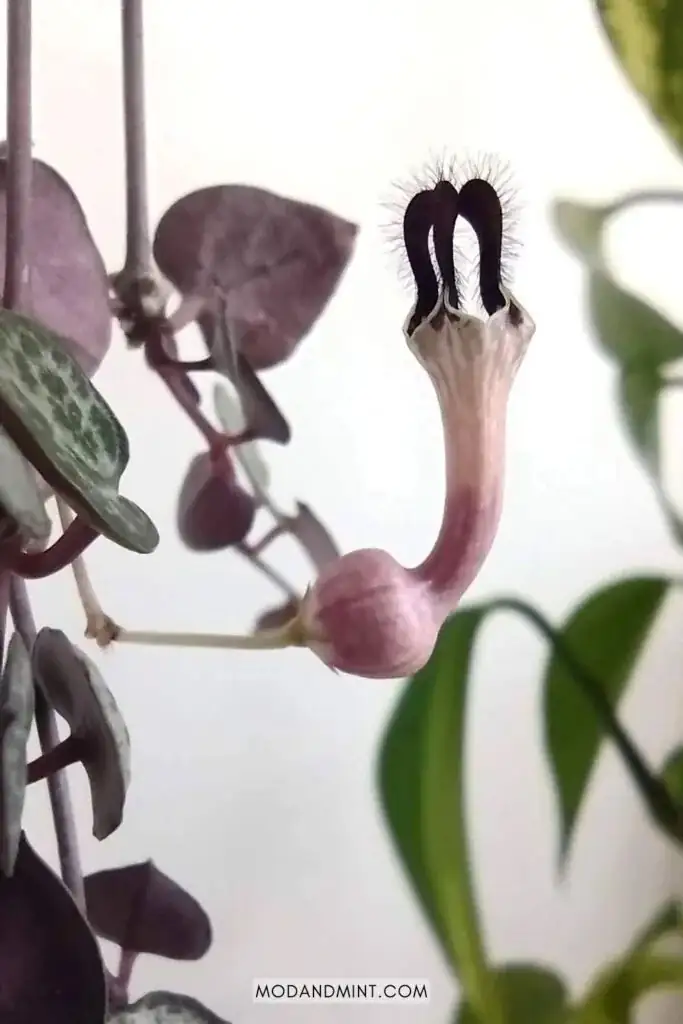
Before diving into propagation, it’s essential to understand what makes the String of Hearts such a beloved plant. Native to Southern Africa, this trailing succulent is a member of the Apocynaceae family. Its thin, wiry stems, often tinged with purple, are adorned with pairs of small, fleshy leaves that exhibit a striking green and silver marbling. In brighter light, the undersides of these leaves take on a rich purple hue, adding to the plant’s visual appeal. During the warmer months, you might even be treated to quirky little tubular flowers that appear from the leaf axils, adding another layer of charm.
Propagation Methods: Choose Your Adventure
Whether you’re a novice or an experienced plant parent, String of Hearts offers several propagation methods that cater to different skill levels and preferences. Let’s explore some of the most effective techniques:
1. Stem Cuttings
This is the classic route for many houseplant enthusiasts. Here’s how to do it:
- Select Your Vine: Choose a healthy vine and cut a segment about 7.5–10 cm (3–4 inches) long, ensuring it has a few nodes. Nodes are the points where leaves attach to the stem, and they’re crucial for root development.
- Prepare the Cutting: Remove the leaves from the bottom node to expose it. This is where roots will form.
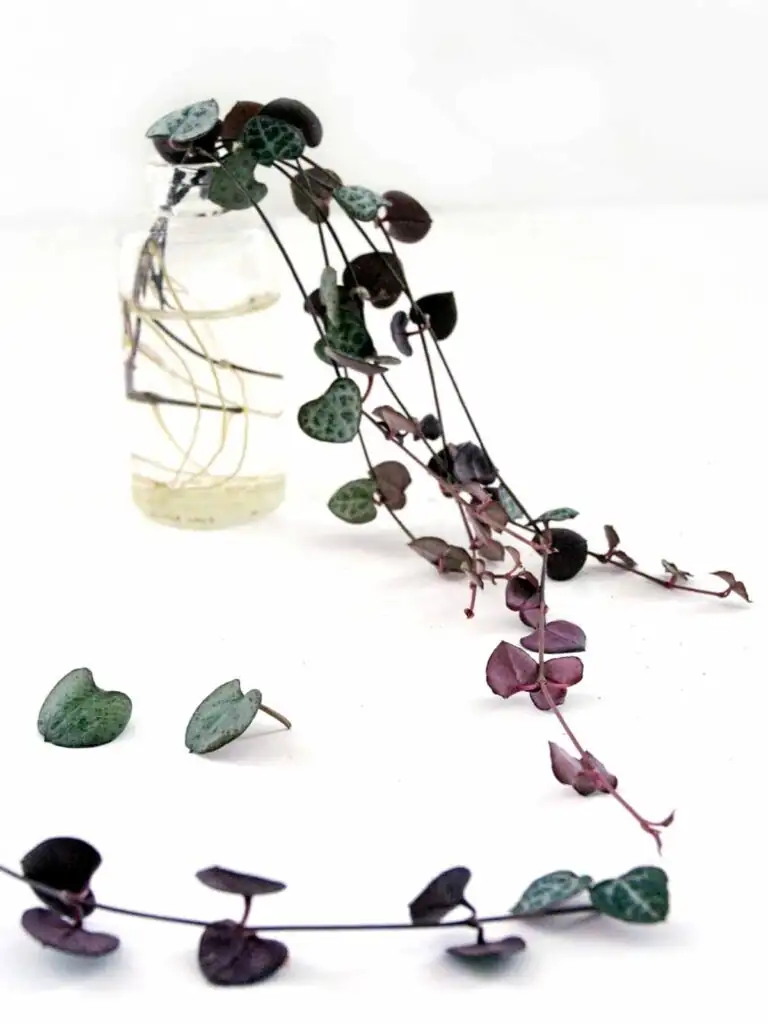
- Rooting Options: You can root your cutting in water or a gritty soil mix. If using water, place the cutting in a jar with the node submerged and place it in a bright spot with indirect light. For soil, use a fast-draining cactus or succulent mix, optionally dipping the cut end in rooting hormone before planting.
- Wait and Watch: Over the next few weeks, roots will begin to develop. Once they’re a few centimeters long, pot your new plant into soil if it started in water.
2. The Butterfly Method
For those interested in a more intricate approach, the Butterfly Method offers a unique twist:
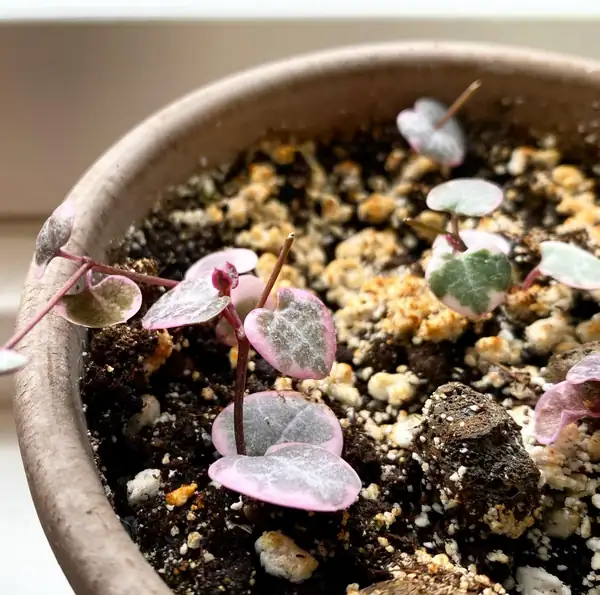
- Prepare Your Cuttings: Cut the vine into small segments, each with two leaves and a node between them. These tiny cuttings resemble butterflies, hence the name.
- Plant and Care: Place these “butterflies” on a moist growing medium like sphagnum moss or perlite. Ensure that nodes are in contact with the medium to encourage root growth.
- Monitoring: Keep the medium lightly moist and maintain high humidity, perhaps using a clear container with a lid to create a greenhouse effect. Roots should form at the nodes within a few weeks.
3. Layering
Perhaps the simplest method, layering takes advantage of the plant’s natural growth habit:
- Lay and Pin: Without cutting, lay a vine over the soil surface of the same pot or a new one. Pin the nodes down with small hairpins or bent paper clips.
- Wait for Roots: Over time, roots will develop from the pinned nodes, creating new growth points. Once established, the new plant can be separated from the parent vine.
Tips for Success
- Light and Temperature: Ensure your cuttings receive bright, indirect light to encourage healthy growth. Keep temperatures between 15–27°C (60–85°F) for optimal rooting.
- Watering: Whether rooting in water or soil, moisture management is key. Avoid overwatering; allow the medium to dry out slightly between waterings.
- Patience and Care: Propagation takes time. Monitor your cuttings for signs of new growth and adjust their environment as needed.
Beyond Beauty: Symbolism and Cultural Significance
In the language of flowers, the String of Hearts symbolizes enduring affection and deep connection, with its intertwined vines representing intertwined lives. This makes it a perfect gift for loved ones, offering both aesthetic pleasure and a living symbol of heartfelt bonds.
Conclusion: Spread the Love
Propagating String of Hearts not only expands your collection but also allows you to share a piece of your heart with friends and family. With its easygoing nature and romantic appeal, this plant is a testament to the joy of nurturing and growing new life. So, grab your scissors, choose your method, and let the adventure begin—happy propagating!