Keep Your String of Hearts Thriving: Identifying and Combatting Pests and Diseases
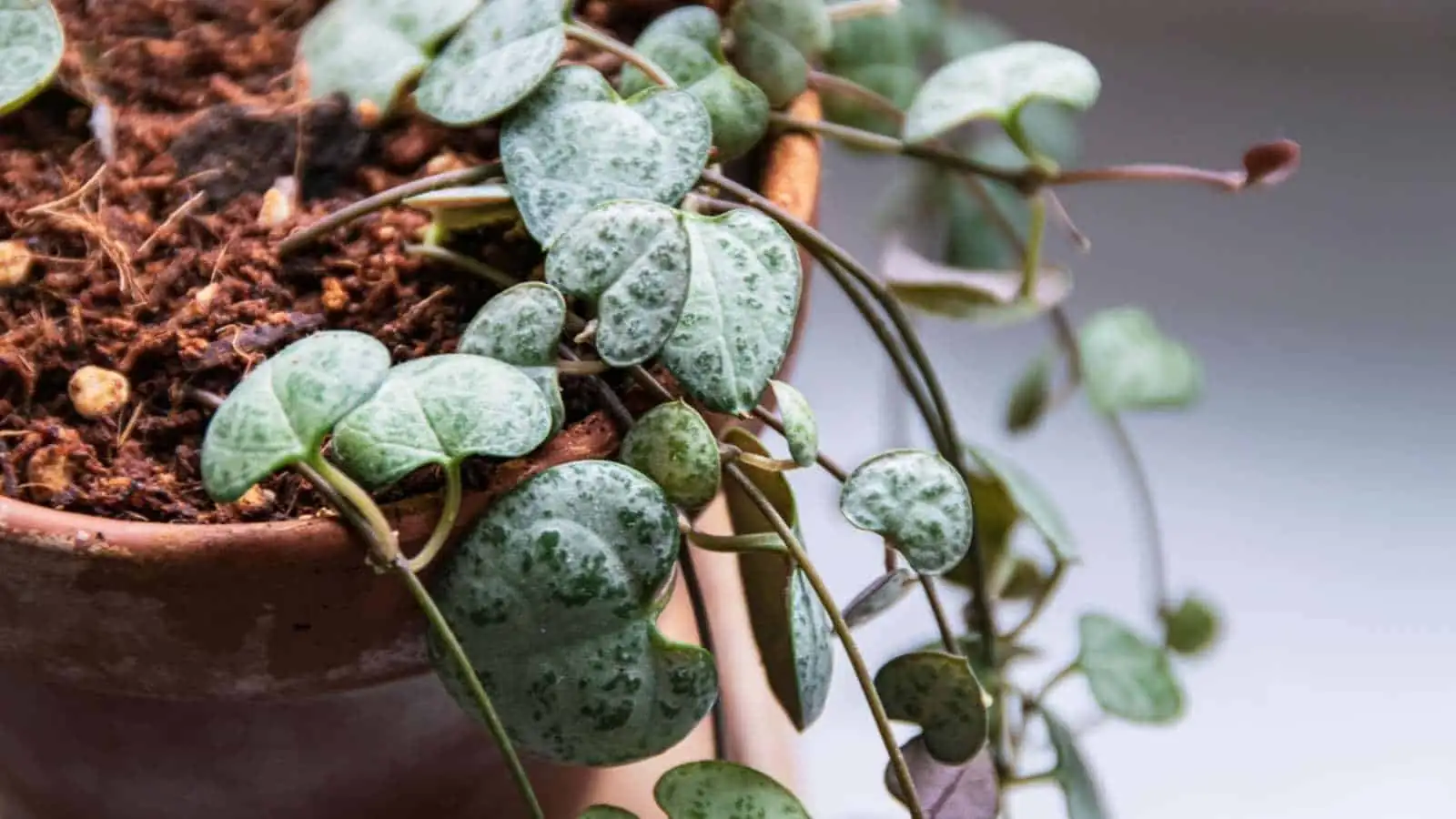
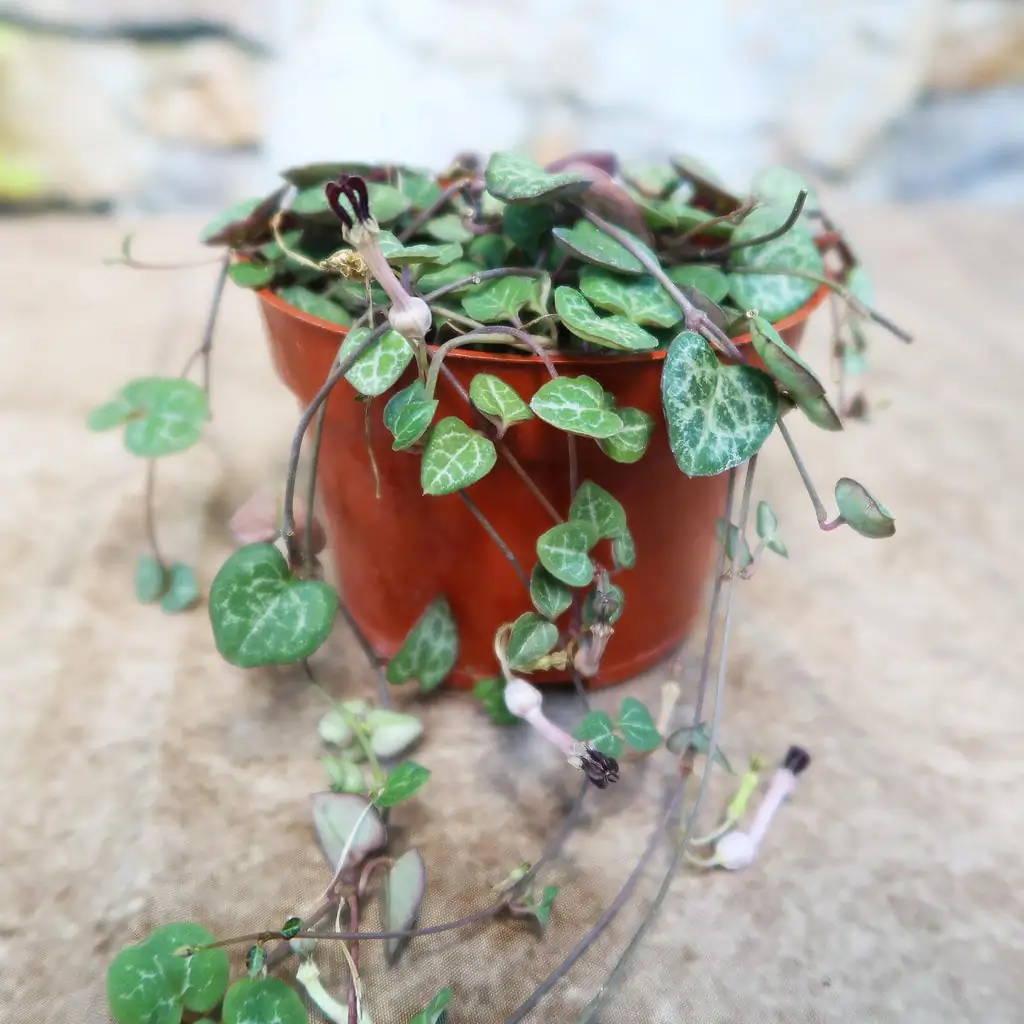
When it comes to captivating houseplants, the Ceropegia woodii, fondly known as the String of Hearts, has stolen many hearts with its charming cascading vines and heart-shaped leaves. Originating from the sunny regions of Southern Africa, this trailing succulent is not just a feast for the eyes but also a relatively low-maintenance plant. However, even the most resilient plants can encounter pesky adversaries. Let’s delve into how you can identify, prevent, and treat common pests and diseases, ensuring your String of Hearts remains the picture of health.
Identifying Common Pests
Even with its robust nature, the String of Hearts isn’t completely immune to pests. Here’s what you might encounter:
- Mealybugs: These little white, cottony pests are a common nuisance. They tend to hide in the crevices between the leaves and stems, sucking the sap and leaving a sticky residue.
- Scale Insects: Ever noticed tiny bumps on your plant that don’t seem to belong? Scale insects might be the culprits. They attach themselves to the plant, often along the stems, and are notorious sap suckers.
- Spider Mites: These tiny pests are hard to spot with the naked eye but look out for fine webbing between the leaves and stems.
- Aphids: If you notice clusters of small, green insects on new growth, aphids may be the cause.
Preventing Pest Infestations
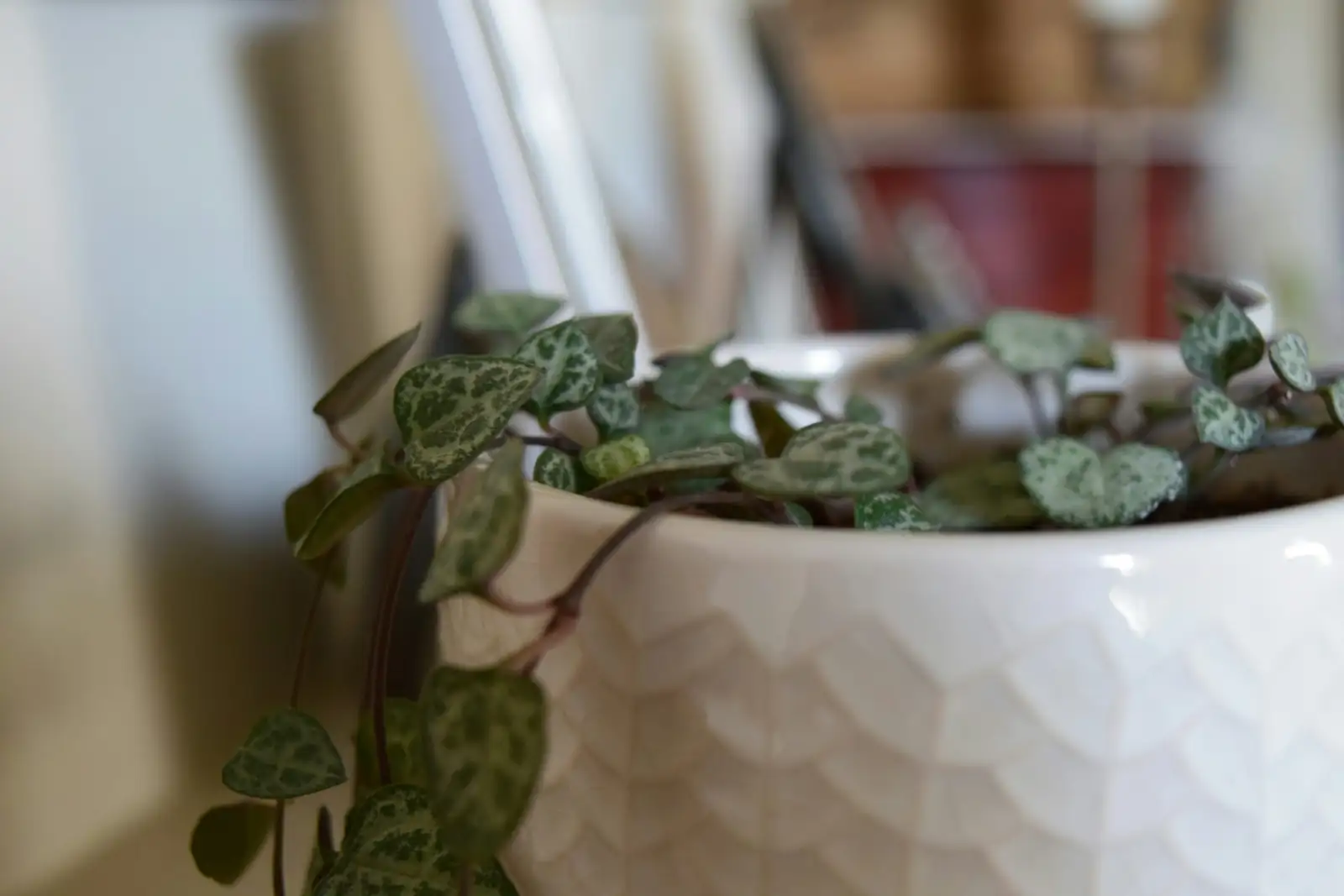
Prevention is better than cure, especially when it comes to keeping your String of Hearts pest-free. Here’s how:
- Healthy Environment: Ensure the plant is placed in a bright spot with indirect sunlight, as poor lighting can stress the plant, making it more susceptible to pests.
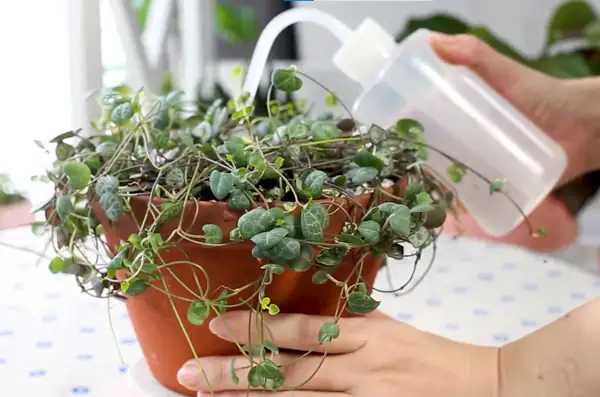
- Proper Watering: Overwatering can lead to a weak plant, and pests love a vulnerable host. Water deeply but infrequently, allowing the soil to dry out between waterings.
- Regular Inspection: Make it a habit to check your plant weekly. Catching pests early makes treatment much easier.
Treating Pest Problems
If you find your plant under attack, don’t worry. Here’s how you can tackle the issue:
- Mealybugs and Scale: Use a cotton swab dipped in rubbing alcohol to remove them manually. For larger infestations, insecticidal soap or horticultural oil can be effective.
- Spider Mites and Aphids: A gentle shower with water can dislodge these pests. Follow up with insecticidal soap for persistent problems.
Disease Dilemmas: Root and Stem Rot
The main disease threat to your String of Hearts is root and stem rot, often a result of overwatering. Here’s how you can prevent and treat it:
- Prevention: Use a well-draining cactus or succulent potting mix and a pot with drainage holes. Avoid letting the plant sit in water.
- Signs of Trouble: If you notice yellowing leaves or mushy stems, rot might be setting in.
- Treatment: Cut away any affected areas and allow the plant to dry out completely. Re-pot in fresh, dry soil. If the rot is extensive, take healthy cuttings to propagate a new plant.
Keeping Your Plant in Prime Condition
To ensure your String of Hearts stays vibrant and pest-free, consider the following:
- Light: Bright, indirect sunlight is ideal. Too little light can lead to a leggy plant, whereas too much direct sun can scorch the leaves.
- Humidity: Average household humidity is perfect. Avoid overly humid conditions as they can encourage fungal issues.
- Fertilization: During the growing season (spring and summer), feed with a diluted balanced fertilizer once a month.
With these tips in your green thumb toolkit, your String of Hearts will not only thrive but also continue to enchant with their delicate heart-shaped leaves and whimsical vines. Whether it’s cascading from a high shelf or adding a touch of elegance to a hanging basket, this plant is sure to keep the love flowing in your home!