Discovering the Journey of Heuchera sanguinea: From Wild to Wonderful
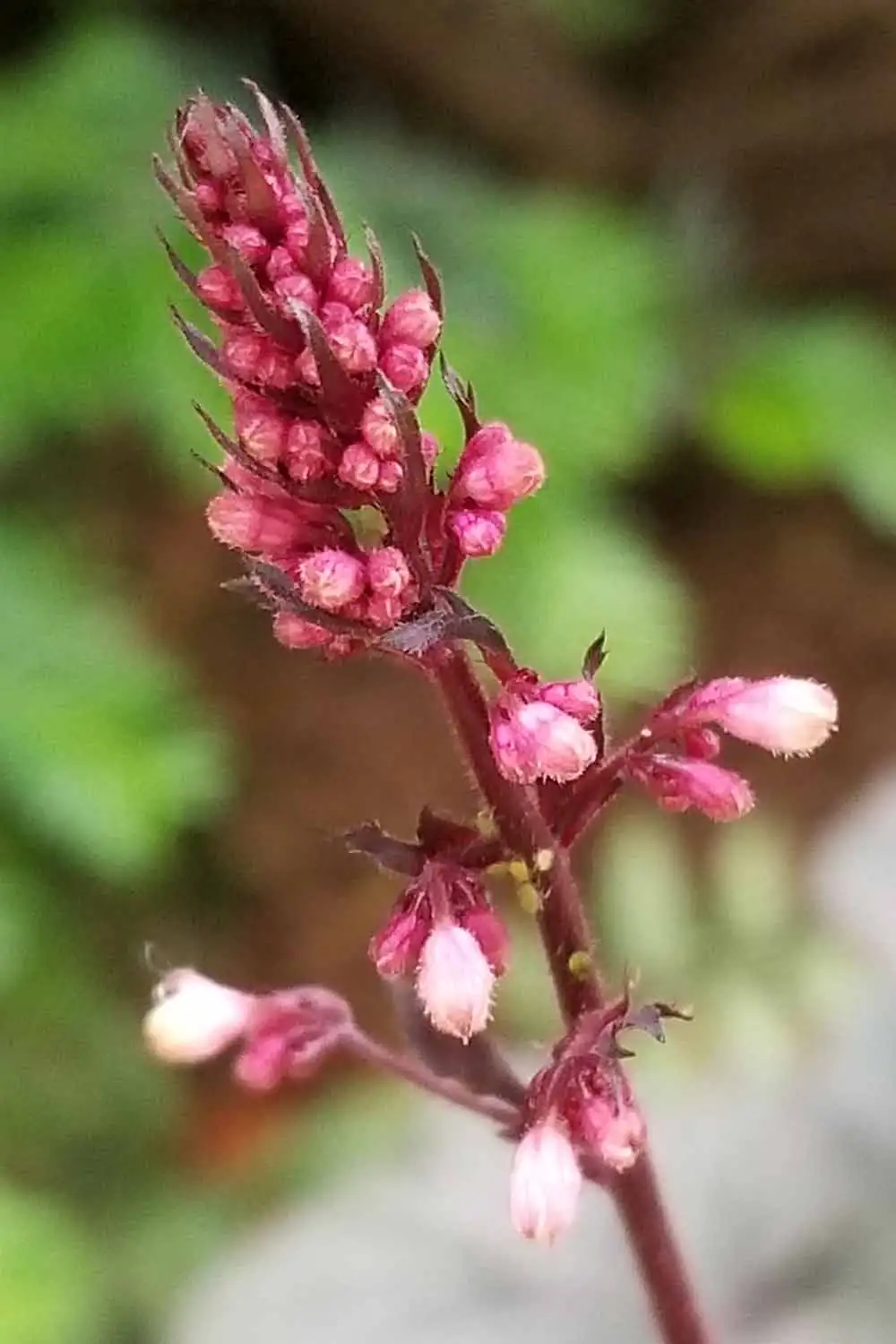
Imagine wandering through a North American woodland, where a vibrant splash of color catches your eye. Among the lush greens, you find delicate sprays of coral-red flowers nodding in the breeze—these are the unmistakable blooms of Heuchera sanguinea, affectionately known as Coral Bells. This resilient plant has a fascinating story, evolving from its wild roots in North America to becoming a beloved staple in gardens around the world.
The Native Charm of Heuchera sanguinea
Heuchera sanguinea, a member of the Saxifragaceae family, is native to the diverse landscapes stretching from the warm, dry canyons of Mexico and New Mexico to the cooler regions of the Arctic. This perennial’s adaptability has made it a favorite among gardeners who appreciate its ability to thrive in various climates. Originally found in rocky terrains, its Latin name, derived from “sanguinea” meaning “blood-red,” highlights the striking color of its flowers—a feature that has captivated plant enthusiasts for centuries.
From Wilderness to Gardens
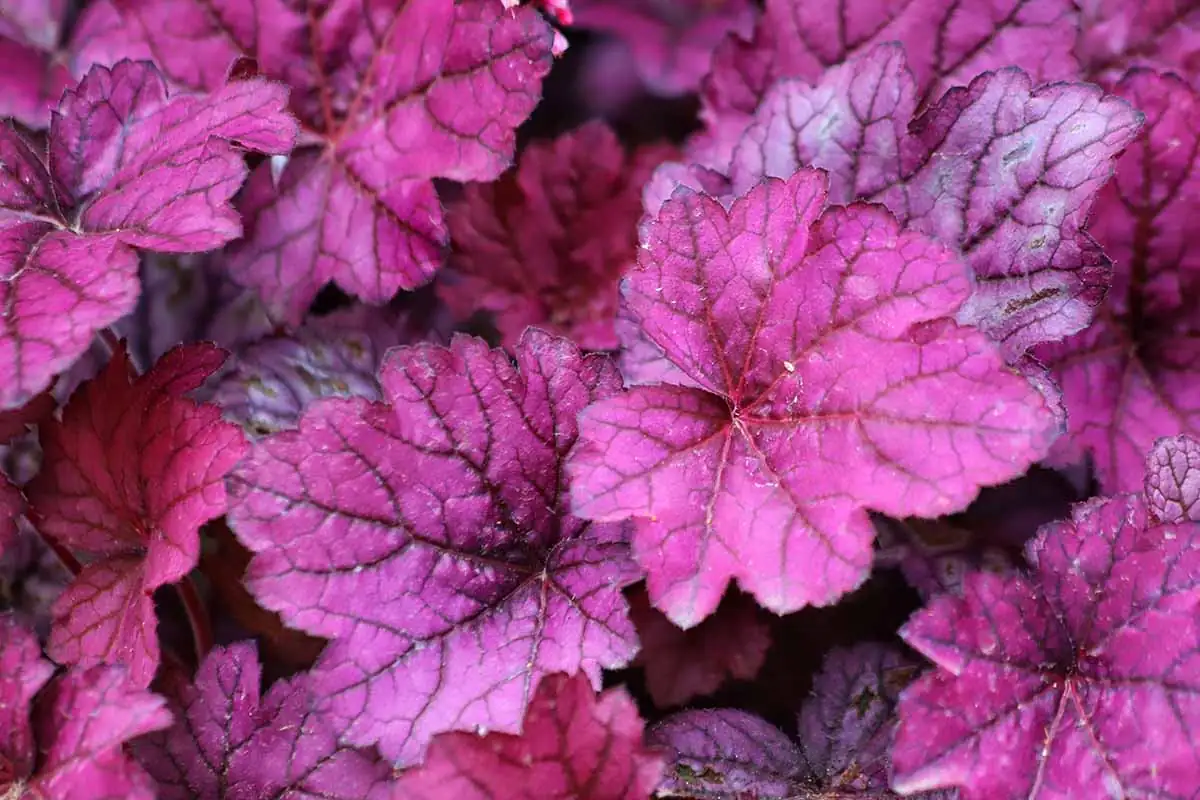
The journey of Coral Bells into cultivated gardens began with its introduction to European horticulture. Named after Johann Heinrich von Heucher, a German physician, the plant quickly gained popularity due to its ornamental appeal and hardiness. Over time, horticulturists have bred a dazzling array of cultivars, transforming the once simple green-leaved perennial into a kaleidoscope of colors. Today, you can find Coral Bells with foliage ranging from deep purples and burgundies to silvers and chartreuse, often beautifully veined or overlaid with metallic hues.
A Garden Staple
Why have Coral Bells become such a fixture in gardens worldwide? The answer lies in their versatility and low-maintenance nature. These plants are not only shade-tolerant but also deer-resistant and hardy across a range of USDA zones. They thrive best in partial to full shade, making them perfect companions for woodland edges, shady borders, and containers. When planted in rich, well-draining soil, they reward gardeners with lush foliage and delicate flower sprays that dance above the leaves, attracting hummingbirds and pollinators.
Cultivation Tips
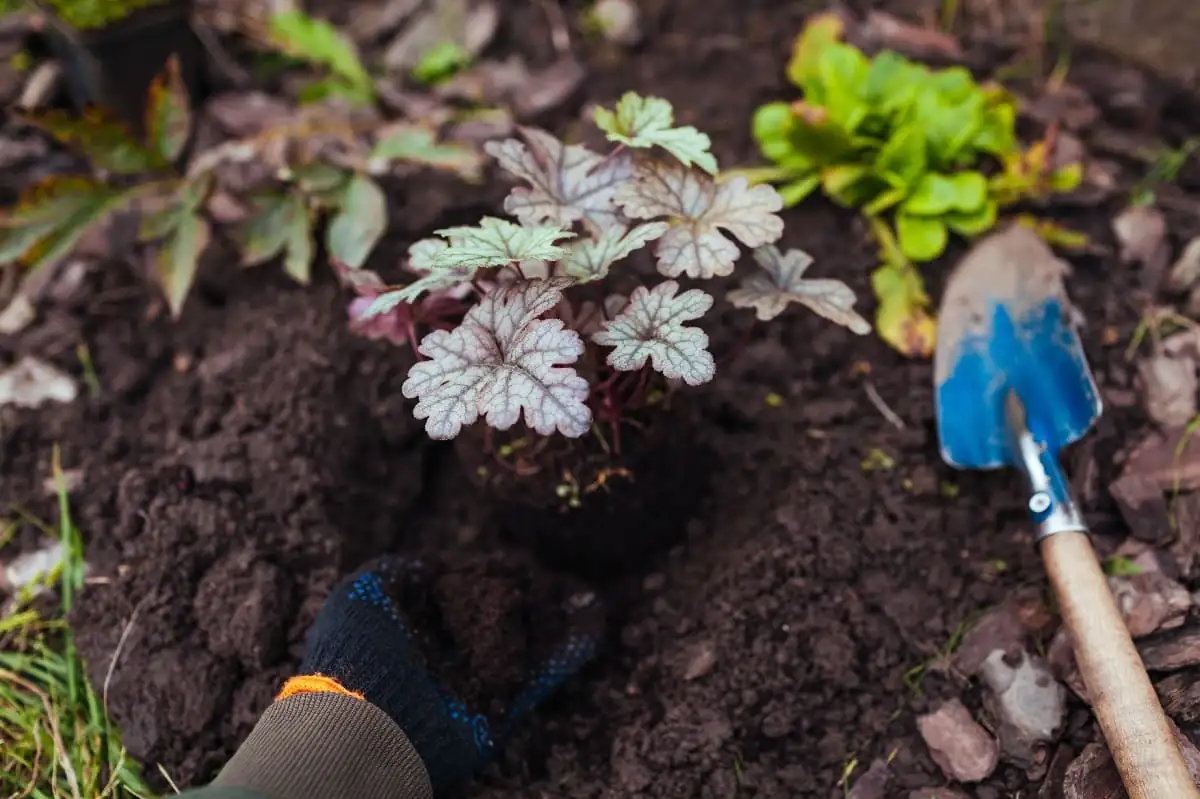
Growing Coral Bells is a gardener’s delight—with a few tips, you can ensure your Heuchera thrives:
- Sunlight and Soil: While they can tolerate some sun, especially the darker-leaved varieties, most Coral Bells prefer morning sun with afternoon shade. Ensure the soil is rich and well-draining to prevent crown rot.
- Watering and Fertilization: Keep the soil evenly moist, but never soggy. A light top-dress of compost in spring or a balanced slow-release fertilizer will keep them flourishing.
- Pruning and Propagation: Regularly deadhead spent flowers to encourage reblooming and trim any damaged leaves. Propagation is best achieved by division every 3–4 years, rejuvenating the plant’s vigor.
The Symbolism of Coral Bells
In the language of flowers, Coral Bells symbolize gentle affection and quiet resilience. They are often associated with admiration, representing the persistent color that holds a garden together through the seasons. In some Native American lore, these plants are believed to bring good fortune and protection, a testament to their enduring presence in both wild and cultivated landscapes.
Fun Facts and Modern Trends
- The name “Coral Bells” comes from their bell-shaped blooms, often in vibrant coral-red hues.
- Despite their ornamental allure, Heuchera plants have been historically used for medicinal purposes, thanks to their astringent properties.
- Modern breeding continues to introduce new cultivars with stunning leaf patterns, ensuring Coral Bells remain a dynamic choice for garden design.
As you plan your garden, consider adding Heuchera sanguinea to your landscape. Its rich history and vibrant presence are bound to captivate both the eye and the heart, making it a perennial favorite for years to come. Whether you’re a seasoned gardener or a budding enthusiast, Coral Bells promise to add a touch of wild beauty to your outdoor sanctuary.