

The Ephemeral Elegance of Cherry Blossoms: A Cultural Odyssey
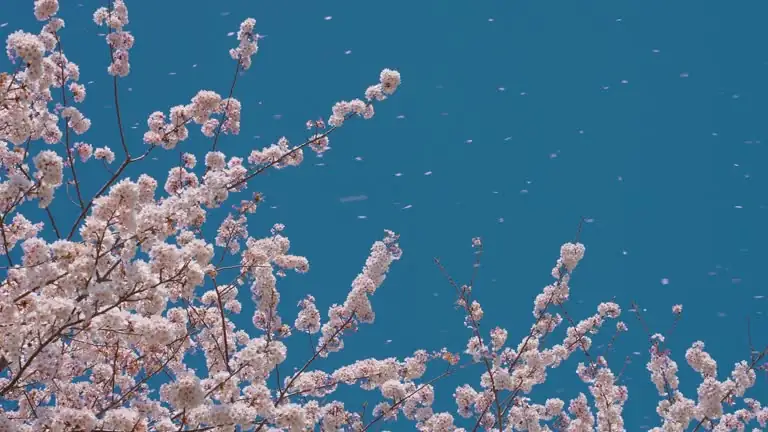
Picture this: a gentle breeze rustles through branches laden with delicate pink and white blossoms. It’s as if the world has been softly cloaked in a dreamlike haze, a fleeting spectacle that enchants the senses and stirs the soul. This is the magic of Prunus subg. Cerasus, more affectionately known as the cherry blossom, or sakura in Japan. These blossoms are not just a feast for the eyes; they are a rich tapestry of cultural symbolism, weaving tales of renewal, beauty, and the impermanence of life.
A Dance with Time
Cherry blossoms are a classic herald of spring, their short-lived splendor a poignant reminder of life’s transience. In Japan, this idea resonates deeply through the philosophy of “mono no aware,” the poignant awareness of impermanence. Just as the blossoms grace us with their beauty for only a brief spell—often just a week or two—their swift departure invites us to cherish the moments we have.
But why are we so captivated by this evanescent beauty? Perhaps because it reflects our own fleeting journey, encouraging us to savor each moment as if it were a cherry blossom—here today, gone tomorrow.
The Tradition of Hanami
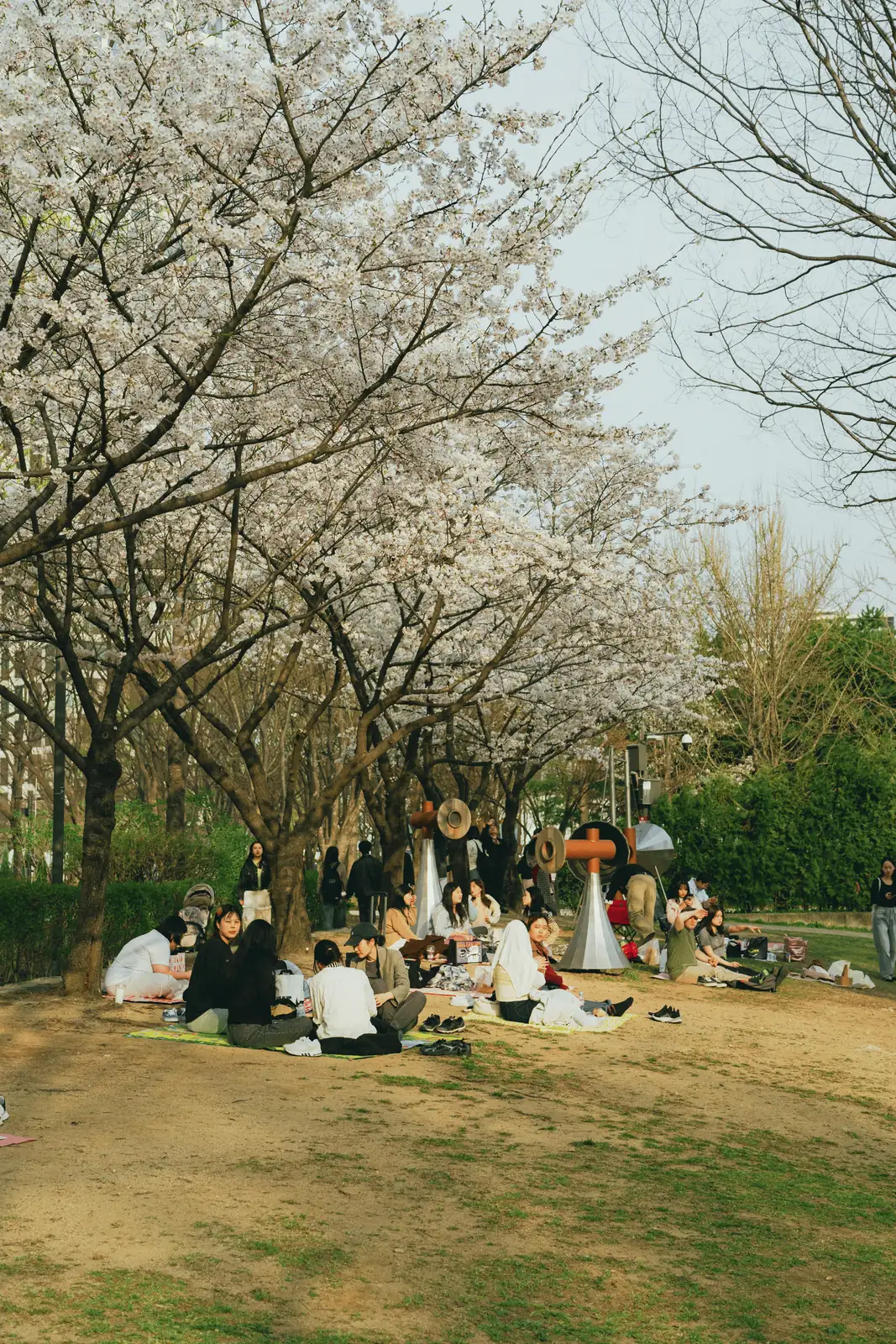
In Japan, the arrival of cherry blossoms is celebrated with the centuries-old tradition of hanami, or flower viewing. Families and friends gather under the blooming canopies for picnics, laughter, and reflection. It’s a time to pause and appreciate nature’s artistry while forging connections that transcend the ordinary hustle of life. Imagine sitting on a soft blanket, sipping sake, and gazing up at a sky speckled with pink petals—it’s an experience that captures the heart of Japanese culture.
Beyond the Bloom: Cherry Blossoms in History and Art
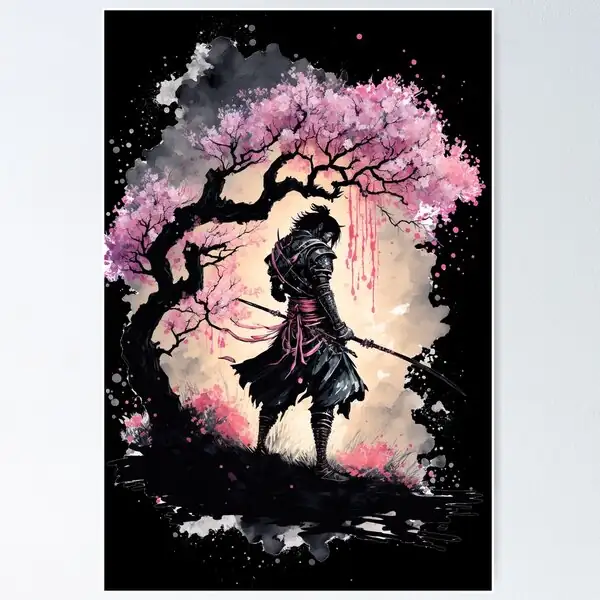
Cherry blossoms have left an indelible mark on art and history. From woodblock prints to modern tattoos, these flowers symbolize hope, new beginnings, and love. Historically, they held a special place in the hearts of samurai warriors. The samurai valued the cherry blossom as a metaphor for their own lives: beautiful yet brief, a testament to living with honor and courage. In times of war, Japanese pilots even painted cherry blossoms on their planes as emblems of their willingness to sacrifice for their country.
An International Symbol of Friendship
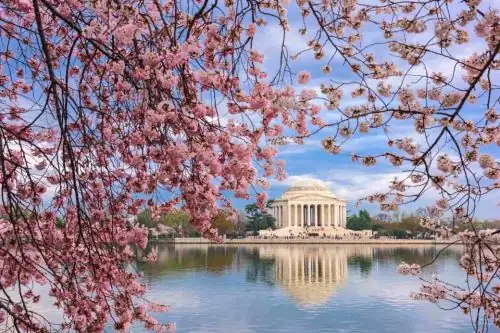
The global influence of cherry blossoms extends well beyond the borders of Japan. In 1912, Tokyo’s mayor, Yukio Ozaki, gifted 3,000 cherry trees to Washington, D.C., as a gesture of friendship. This act sparked the National Cherry Blossom Festival, now a vibrant annual celebration that draws visitors from around the world to witness the blossoms’ breathtaking beauty. These trees stand as living symbols of international goodwill and the enduring bond between nations.
The Cherry Blossom’s Cultural Palette
While Japan’s connection to cherry blossoms is profound, other cultures have their unique interpretations. In China, cherry blossoms are often associated with femininity and the power of women, while in South Korea, they symbolize purity and beauty despite historical tensions surrounding Japanese influence.
A Botanical Marvel
Beyond their cultural significance, cherry blossoms are botanical wonders. These deciduous trees, members of the Rosaceae family, are native to the temperate regions of the Northern Hemisphere and the Himalayas. With their umbrella-like canopies and clusters of blooms ranging from pure white to vibrant pink, they transform landscapes into ethereal settings. However, their beauty requires the right conditions—full sun, well-drained soil, and a chill winter—to flourish.
Caring for Cherry Blossoms
For those enchanted by the idea of growing their own cherry blossom tree, it’s important to remember that their beauty comes with care requirements. They thrive in USDA Zones 5–8, needing consistent watering, full sun, and protection from pests and diseases. Though moderate in care difficulty, these trees reward their caretakers with a spectacular seasonal display.
Conclusion: The Legacy of Cherry Blossoms
Cherry blossoms are more than just flowers; they are a living narrative of beauty, resilience, and the cycle of life. Whether viewed under the canopy of a celebrated hanami or admired in a local park, they remind us of the simple yet profound joy found in nature’s fleeting gifts. So, as you encounter these blossoms, let them whisper their ancient stories, inviting you to pause, reflect, and embrace the transient beauty of the world around you.


