

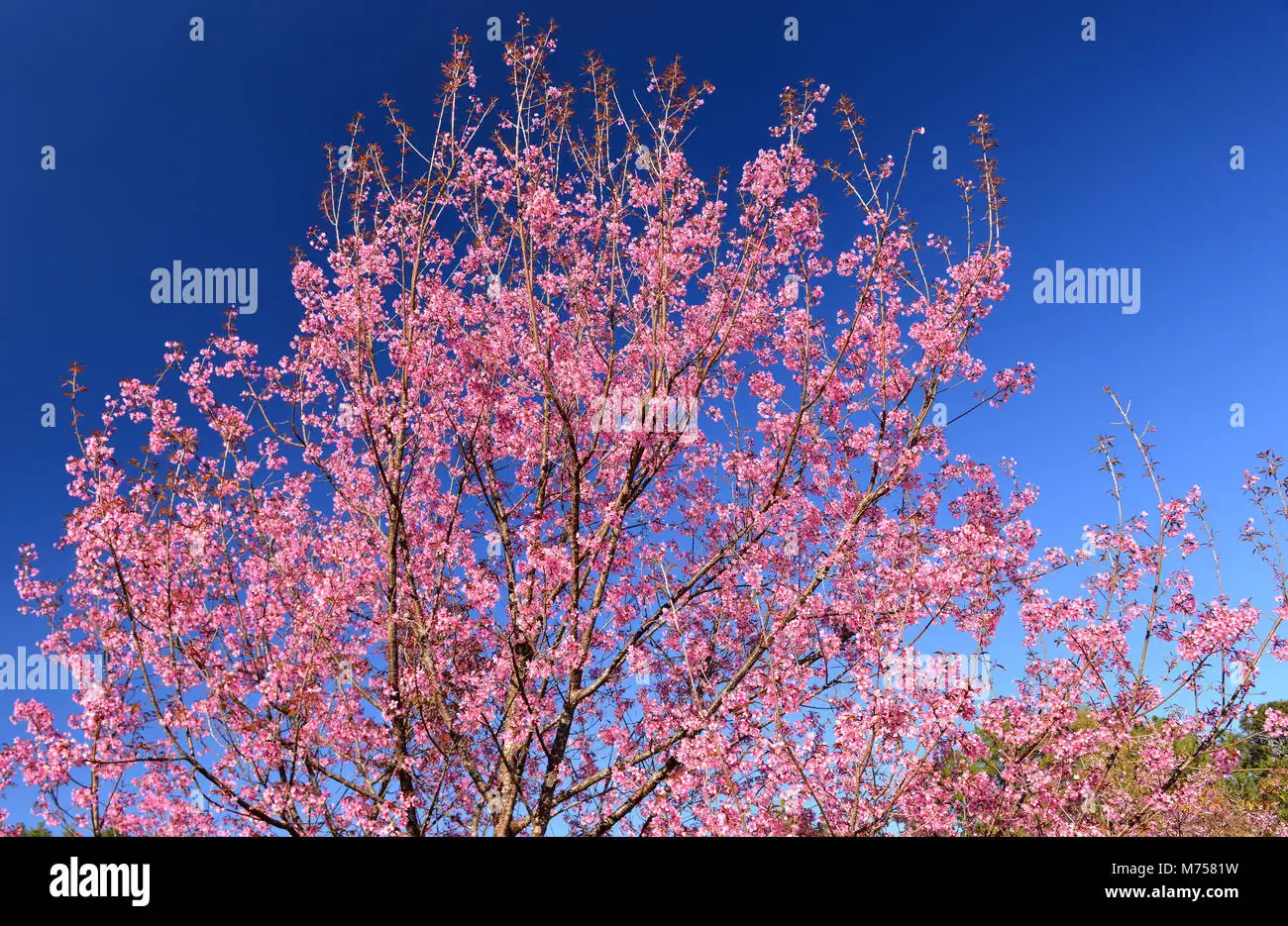
A Blossoming Heritage: The Journey of Cherry Blossoms from the Himalayas to Global Fame
Each spring, as nature awakens from its winter slumber, the world is graced with an ephemeral spectacle—a sea of delicate pink and white petals that seem to drift from the heavens. These are the cherry blossoms, known as “Sakura” in Japan, and they have a story as enchanting as their bloom. Let’s embark on a journey to uncover the fascinating history and global migration of Prunus subg. Cerasus, tracing their roots from the rugged Asian mountains to becoming beloved cultural icons worldwide.
From Misty Mountains to Iconic Gardens
Cherry blossoms, members of the Rosaceae family, are native to the temperate zones of the Northern Hemisphere, with a significant lineage from the Himalayan mountain regions. This diverse subgenus of Prunus has captivated human attention for centuries, thriving in environments where the chill of winter gives way to the gentle warmth of spring.
But how did these picturesque flowers, originally from remote highlands, become the celebrated icons we know today? The answer lies in a combination of natural beauty, human history, and cultural evolution.
The Blossoming of Japanese Tradition
Japan holds a special place in the heart of cherry blossoms. The tradition of hanami, or flower viewing, dates back over a millennium to the Heian Period (794 to 1185). During this era, the Japanese aristocracy would gather under the flowering branches to appreciate the fleeting beauty of the blossoms—a practice that soon spread throughout the country, becoming a cherished cultural ritual.
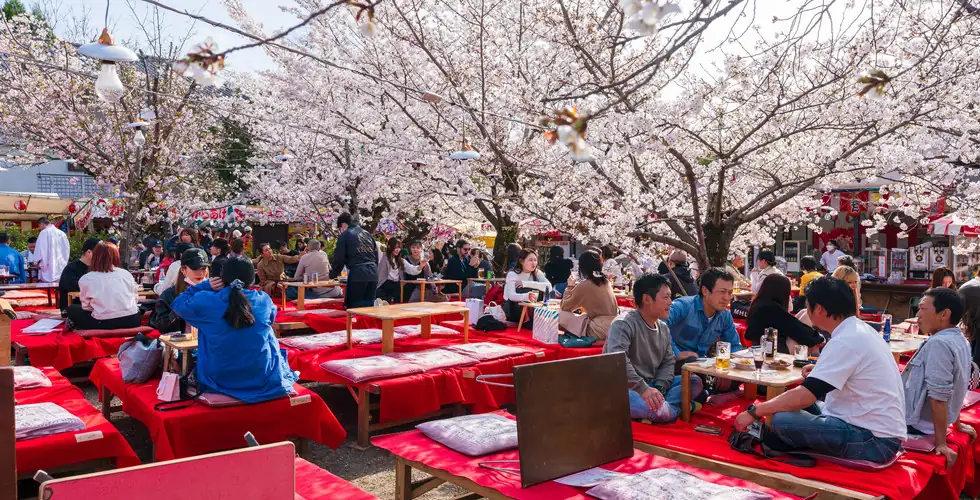
Cherry blossoms in Japan symbolize the transient nature of life, a concept known as mono no aware—the awareness of impermanence. This philosophical view encourages people to savor the present moment, much like the brief but stunning bloom of the Sakura.
A Gift of Friendship Across the Pacific
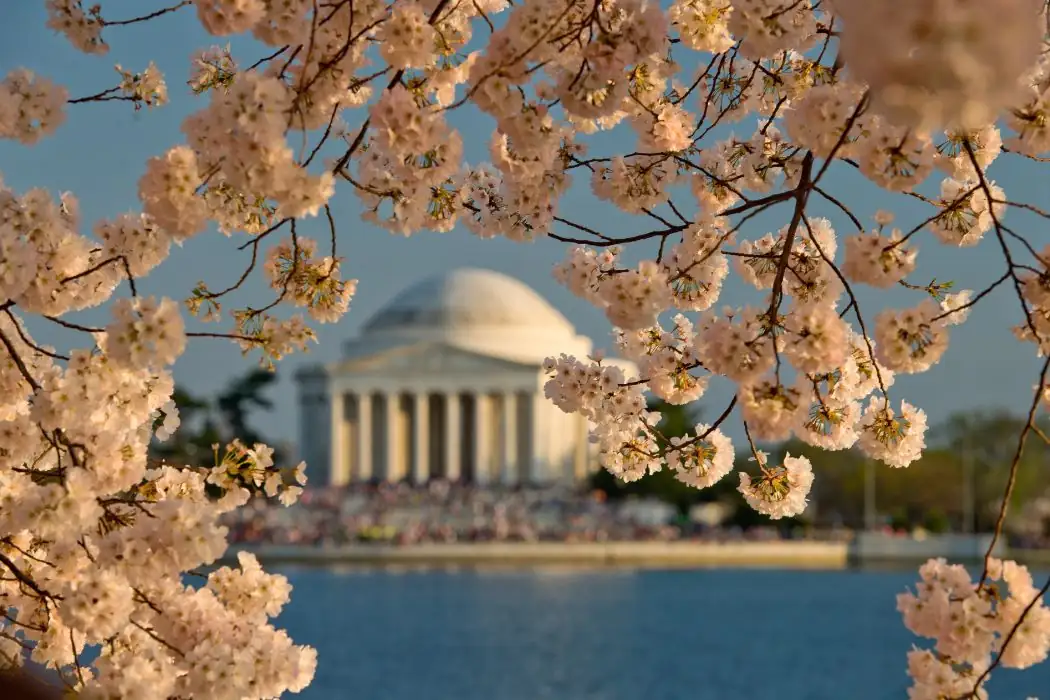
The tale of cherry blossoms took a significant turn in 1912 when the mayor of Tokyo, Yukio Ozaki, gifted 3,000 cherry trees to the United States as a gesture of friendship. These trees were planted around the Tidal Basin in Washington, D.C., and each spring, they transform the area into a breathtaking canvas of pink and white. This annual spectacle is celebrated with the National Cherry Blossom Festival, a testament to international friendship and cultural appreciation.
Beyond Borders: Cherry Blossoms Around the World
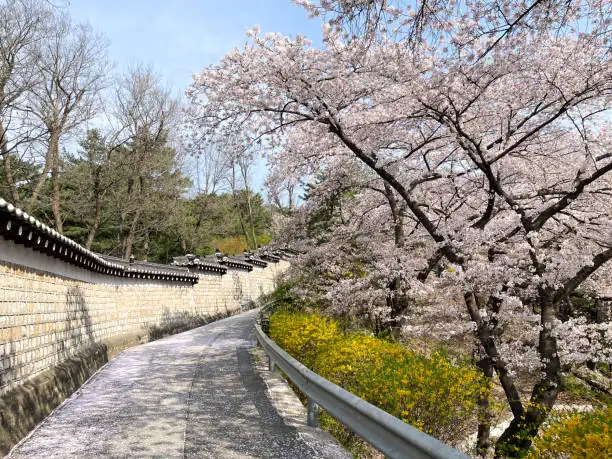
Today, cherry blossoms have transcended their Asian origins to become a global symbol of beauty and renewal. From Korea to China, and even in parts of Europe and North America, these trees are planted in parks, gardens, and along streets, offering locals and tourists alike an opportunity to experience their splendor.
In South Korea, cherry blossoms are a source of national pride, though debates about their origins continue. Some claim these blooms originated from Jeju Island, while others credit their spread to historical Japanese influence. Regardless, the beauty of cherry blossoms knows no borders, bringing joy wherever they bloom.
The Language of Blossoms: A Universal Symbol
Cherry blossoms speak a universal language of hope, love, and renewal. Their short-lived bloom serves as a gentle reminder to embrace the present and cherish life’s fleeting moments. In Japan, this concept is deeply rooted in cultural expressions, from poetry and art to seasonal festivals.
Cherry blossoms also play a role in culinary traditions, particularly in Japan, where salted or pickled blossoms and leaves are used for delicacies like sakura tea and sakura mochi. Despite their beauty, it is worth noting that parts of the tree, including leaves and seeds, contain compounds that can release cyanide if ingested, highlighting the importance of traditional processing methods.
Cultivating the Perfect Bloom
Growing cherry blossoms is an art as much as it is a science. These deciduous trees thrive in full sun and well-drained loamy soil, preferring slightly acidic to neutral pH levels. While they can tolerate moderate humidity, good airflow is crucial to prevent fungal diseases, a common challenge for these ornamental trees.
With proper care, including regular watering, balanced fertilization, and careful pruning, cherry blossoms can flourish, offering years of springtime splendor. However, they are not without their vulnerabilities—pests, borers, and fungal diseases are common adversaries, making vigilant care essential for their survival.
A Timeless Celebration
Cherry blossoms continue to captivate hearts worldwide, inspiring festivals, art, and a sense of community. Whether admired in the bustling parks of Tokyo, the serene gardens of Seoul, or the iconic vistas of Washington, D.C., these blooms remind us of the beauty in transience and the joy found in shared moments of wonder.
As you stroll under a canopy of cherry blossoms, take a moment to reflect on their journey—a story of nature’s splendor intertwined with human history, symbolizing friendship, renewal, and the timeless beauty of the natural world.


