

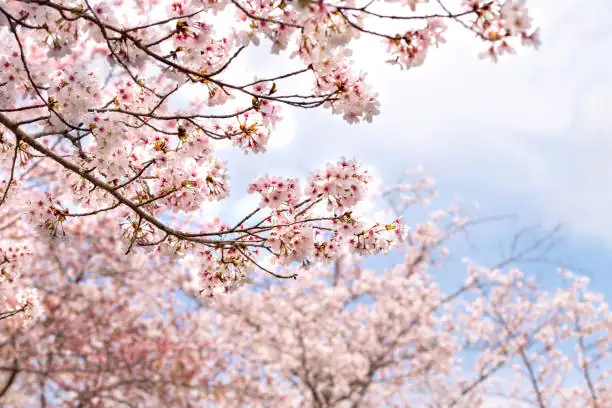
As spring approaches, there’s a palpable excitement in the air—one that signals the return of the cherry blossoms, or Prunus subg. Cerasus. These elegant trees, with their ephemeral blooms of pink and white, transform landscapes into ethereal wonderlands. Known affectionately as sakura in Japan, cherry blossoms are not just a visual feast; they represent renewal, hope, and the transient beauty of life. But how do you ensure these delicate trees thrive and bloom gloriously each year? Let’s dive into the essential care techniques to help your cherry blossoms flourish.
Sunlight and Placement
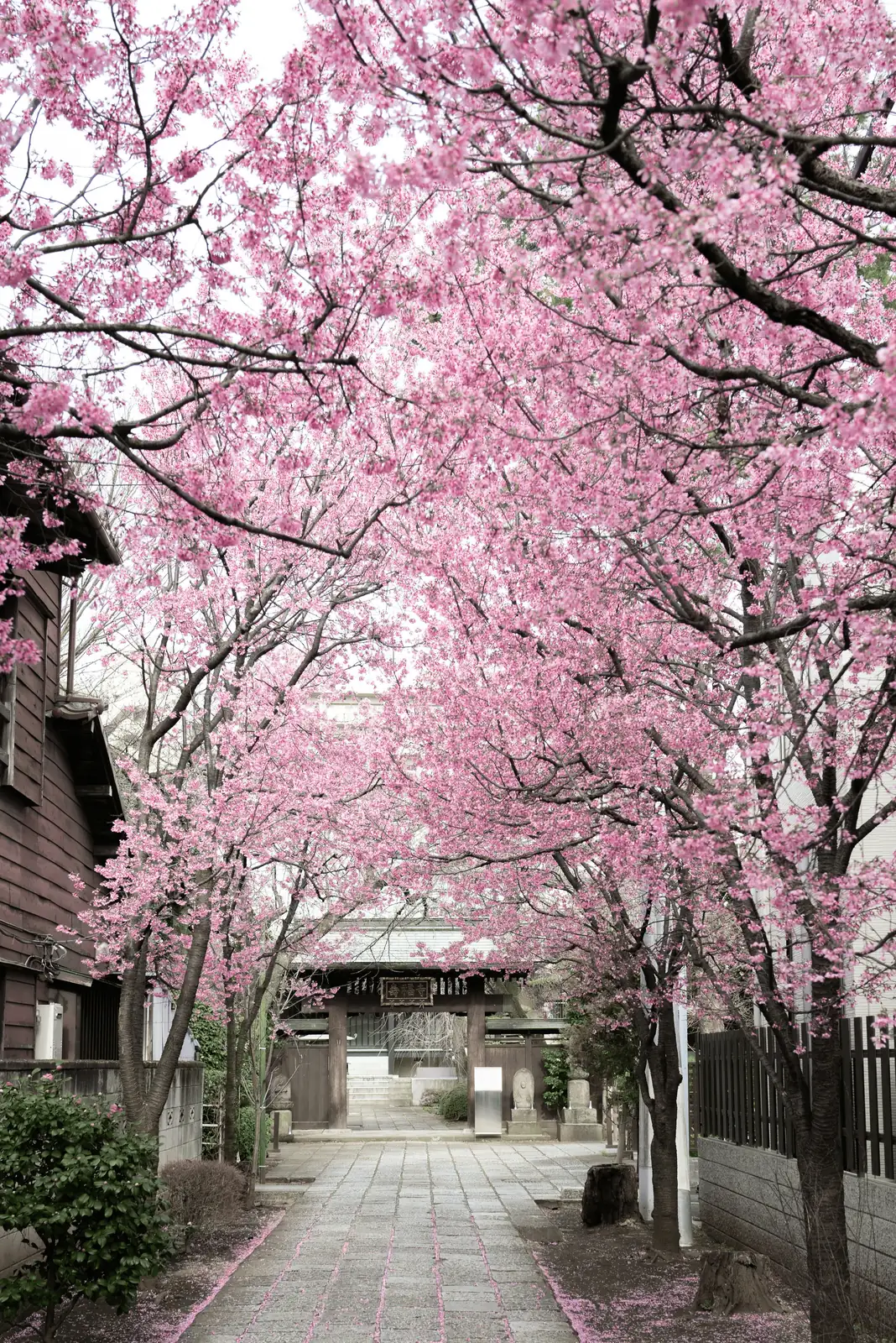
Cherry blossoms are sun worshippers. To achieve those breathtaking blooms, these trees need full sun exposure. Aim for at least six hours of direct, unfiltered sunlight daily. While they can tolerate light shade, too much can lead to fewer and less vibrant flowers. When choosing a location, consider planting your cherry blossom tree where its canopy can be fully appreciated—along a path, in a park, or as a standout feature in your garden. Ensure there’s enough space for the tree to grow, usually about 3 to 6 meters (10 to 20 feet) apart from other plants or structures.
Watering Wisdom
Watering is a crucial aspect of cherry blossom care, especially during the establishment phase. Young trees thrive on consistent, deep watering—aim for once a week, increasing to twice in hot, dry conditions. Mature trees, once established, can usually be watered every one to two weeks during dry spells. The key is to provide a deep soak rather than frequent, shallow watering. Ideally, you want to deliver about 2.5 cm (1 inch) of water weekly during active growth periods.
Seasonal Watering Guide
- Spring: Maintain even watering to support flowering.
- Summer: Deep-water during dry periods to prevent stress.
- Fall: Gradually reduce watering as the tree prepares for dormancy.
Soil and Fertilization
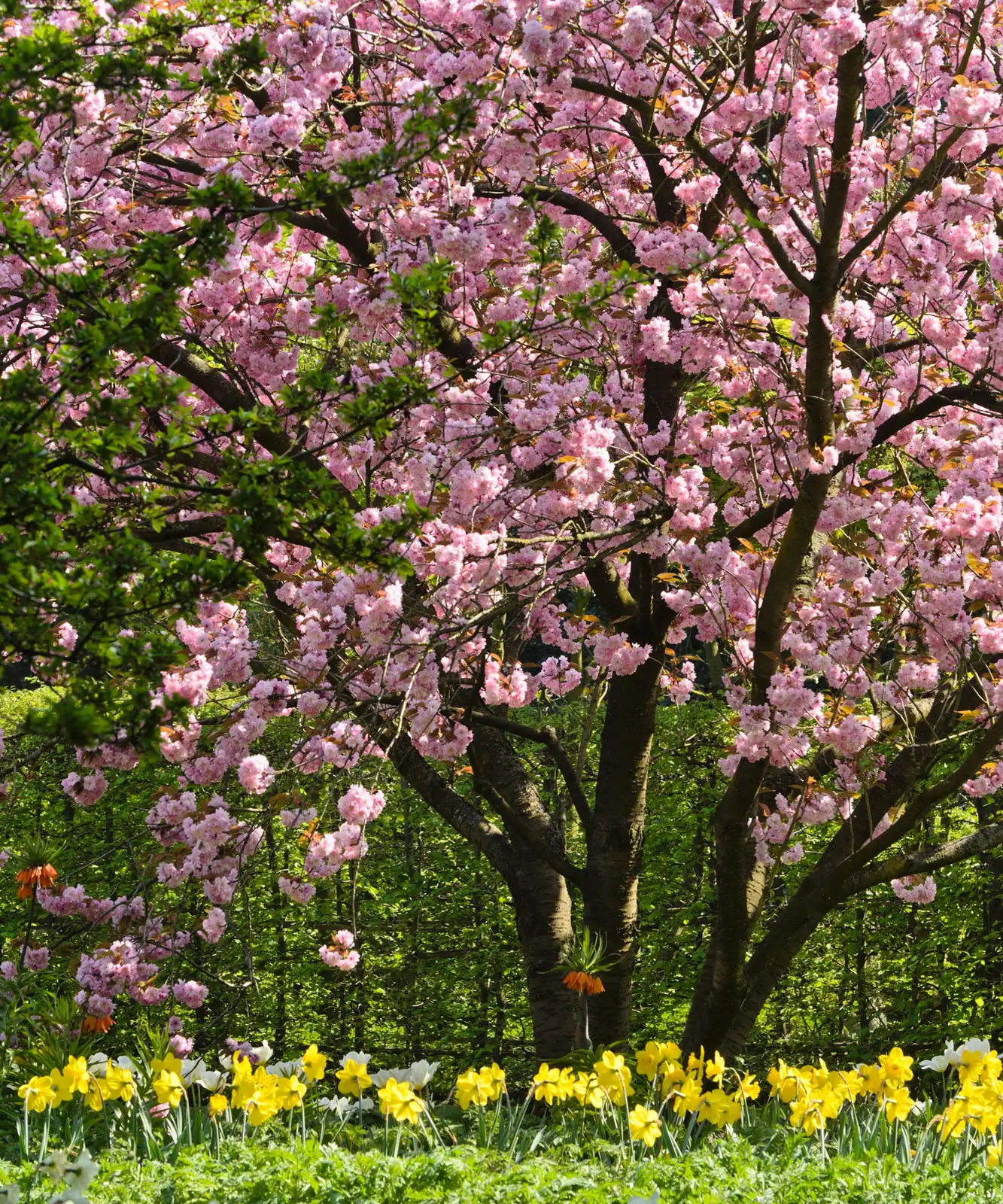
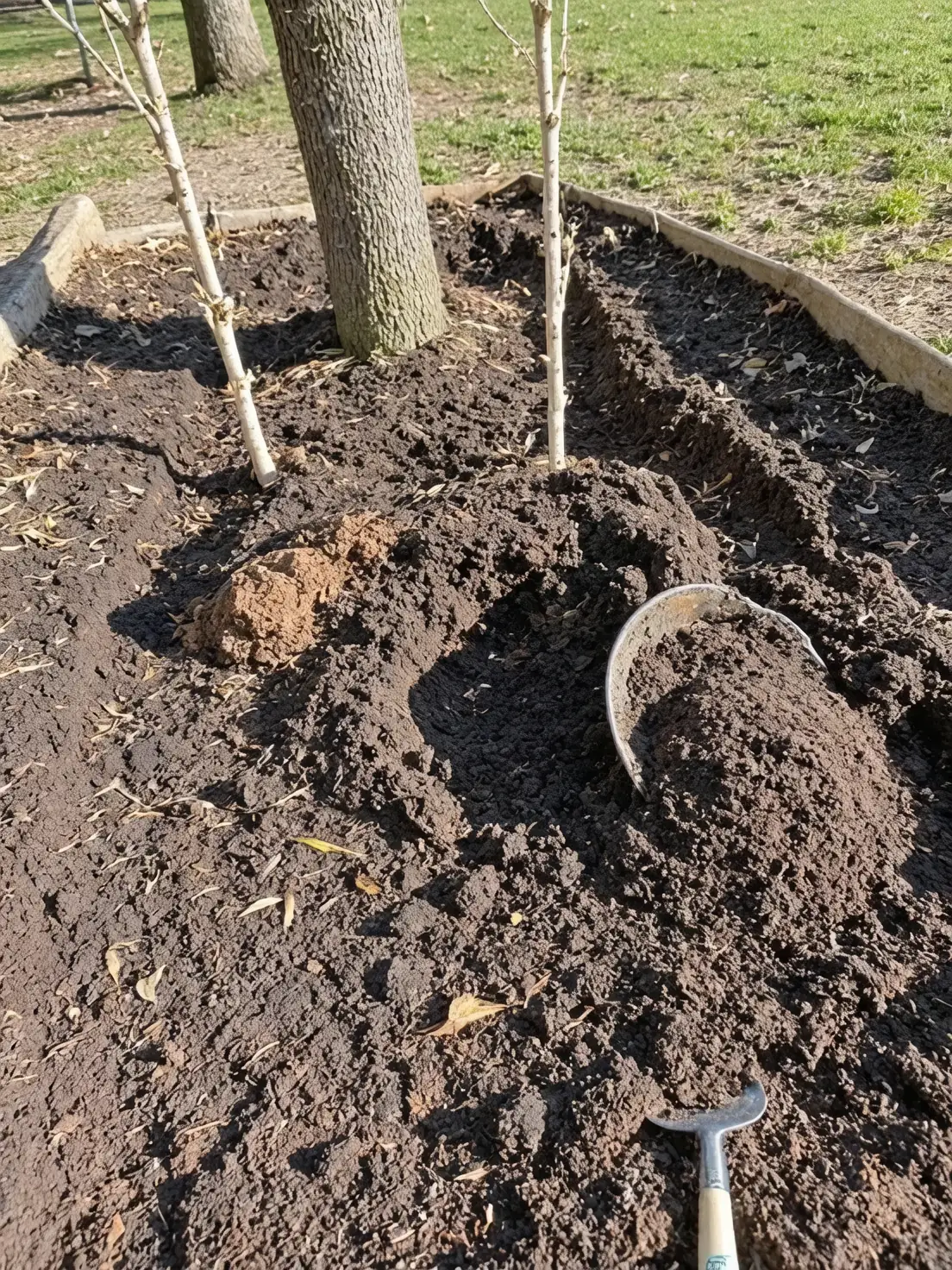
Cherry blossoms prefer moist, fertile, and well-drained loam with a slightly acidic to neutral pH (around 6.0 to 7.1). Avoid waterlogged soils, which can lead to root rot. Incorporate a 50/50 mix of soil and compost to enrich the planting site, ensuring the roots have a robust environment to thrive.
Fertilization should be approached with care. In early spring, before blooming, top-dress with compost and apply a balanced, slow-release fertilizer designed for flowering trees. Opt for a formulation like 5-10-10, which supports blooms without encouraging excessive leafy growth.
Pruning and Maintenance
Pruning is an art when it comes to cherry blossoms. It’s about maintaining health and ensuring an open, airy canopy. The best time to prune is after flowering, in late spring to early summer. Focus on removing any dead, diseased, or rubbing branches. Always use sterilized tools to prevent introducing diseases, and avoid heavy pruning as cherry trees can be sensitive to fresh cuts, which may invite fungal infections.
Pest and Disease Management
Cherry blossoms, like all beauties, have their vulnerabilities. They can fall prey to pests like aphids, spider mites, and borers, as well as diseases such as leaf spot and powdery mildew. The best defense is a combination of good site selection, ensuring sunlight and airflow, and regular monitoring. In case of infestations, horticultural oils or insecticidal soaps can be effective, while fungicides may be necessary for disease control.
A Reflection on Symbolism
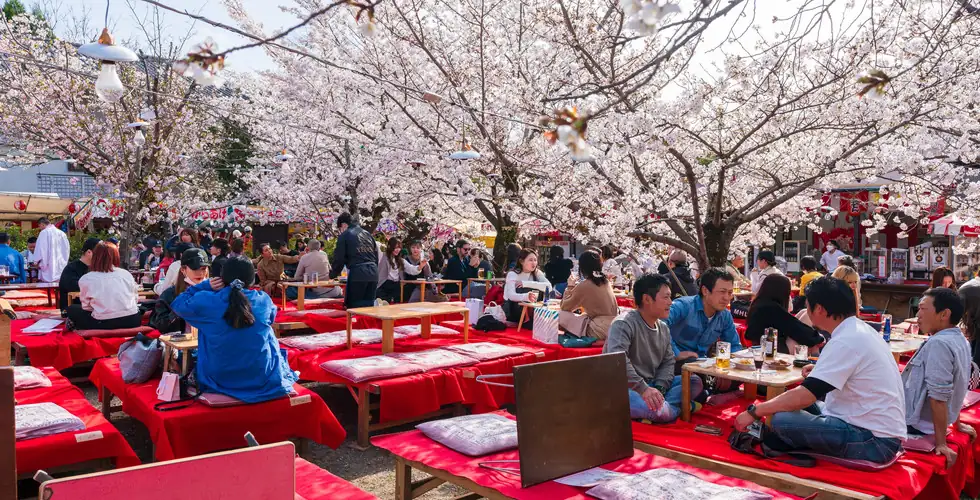
Cherry blossoms are more than just trees; they are a poignant reminder of life’s fleeting nature. In Japan, the tradition of hanami, or flower viewing, is a centuries-old practice that invites people to gather under the blooming branches and celebrate the transient beauty of life. This cultural ritual underscores the cherry blossom’s symbolism of renewal, hope, and the importance of savoring each moment before it passes.
Conclusion
Caring for cherry blossoms is a rewarding endeavor that offers not just visual delights but a deep connection to nature’s rhythms. By providing the right conditions—ample sunlight, careful watering, and thoughtful pruning—you can ensure your cherry blossom trees remain a vibrant part of your landscape for years to come. So, prepare your garden for the spring spectacle and embrace the gentle reminder these blossoms bring: to appreciate the beauty and brevity of life.


