

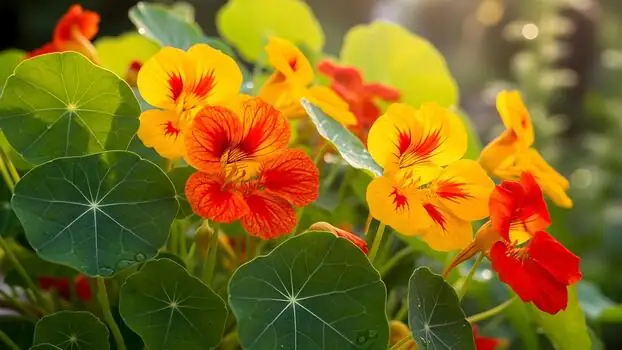
Enrich Your Garden: The Art of Companion Planting with Nasturtiums
Imagine a plant that not only paints your garden with vibrant hues of red, orange, and yellow but also acts as a guardian for your vegetables, shielding them from harmful pests while inviting a flurry of pollinators. Enter the nasturtium, or Tropaeolum majus, a botanical wonder that can transform your garden into a dynamic ecosystem, enhancing both its beauty and biodiversity.
A Cheerful Guardian
Nasturtiums are like the cheerful neighbors who always have your back. Hailing from the tropical montane forests of South America, these lively plants bring more than just visual appeal to your garden. Their peppery scent is a natural deterrent for common garden pests such as aphids, squash bugs, and cucumber beetles. This makes nasturtiums an excellent companion plant, especially for those tender vegetables that often fall victim to these pests.
The Perfect Companions
In the grand tapestry of your garden, nasturtiums play a supportive role, harmonizing with a variety of plants. Here’s how you can strategically place them:
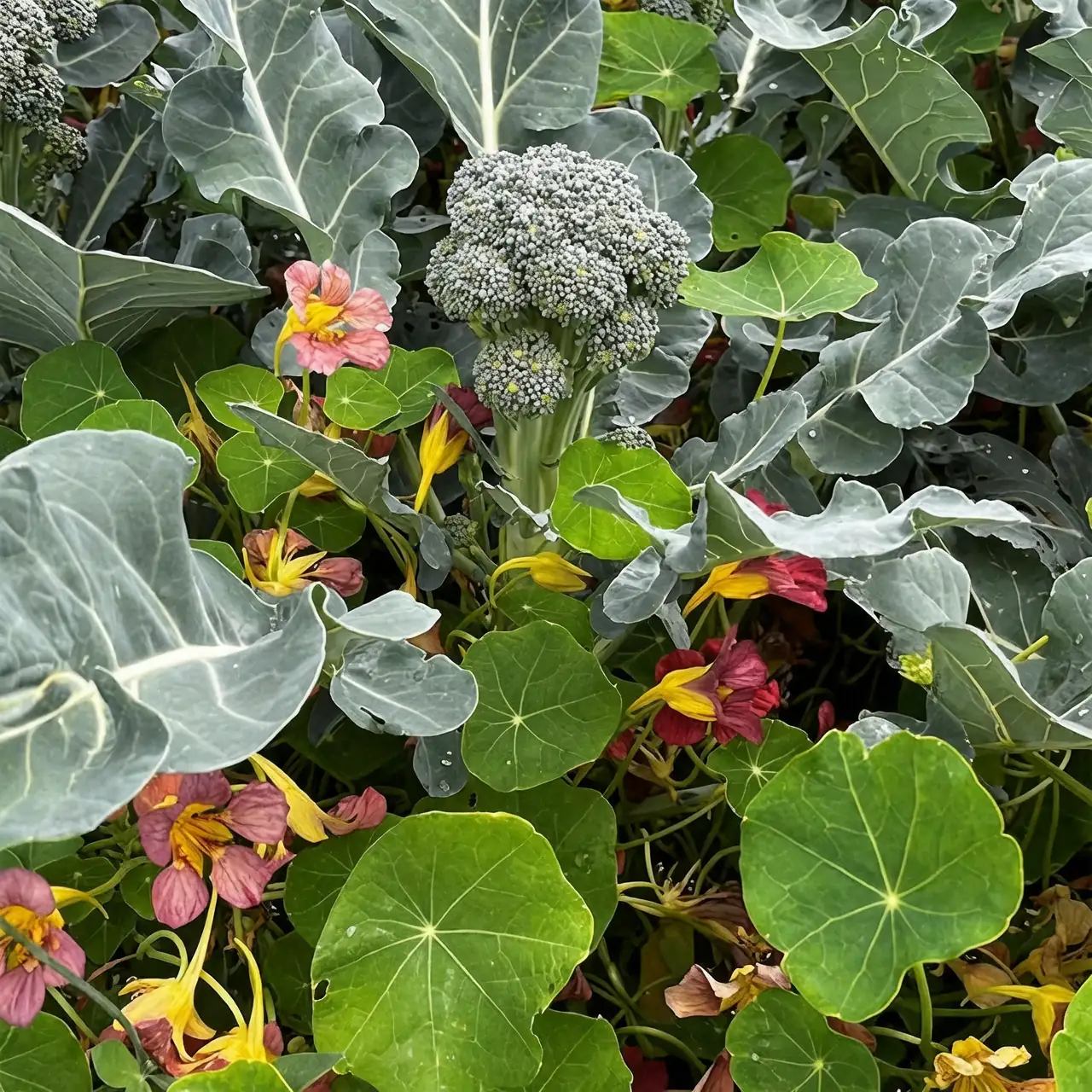
- Brassicas: Broccoli, kale, and cabbage often wage war against pests like cabbage loopers. Nasturtiums, with their low calcium needs, won’t compete for nutrients and can attract beneficial insects that prey on these pests.
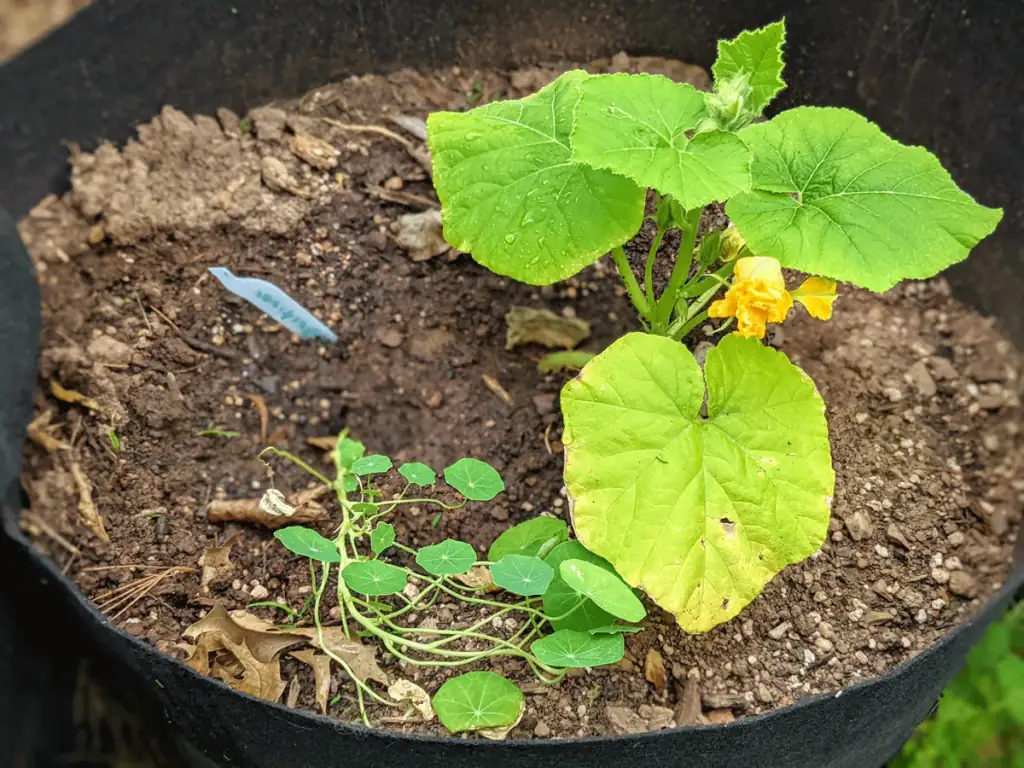
- Cucumbers and Melons: These plants thrive when nasturtiums are nearby, as their scent repels cucumber beetles. The nasturtiums’ trailing vines also provide a natural mulch, suppressing weeds and retaining soil moisture.
- Pumpkins and Squash: With their minimal nutrient requirements, nasturtiums coexist peacefully with these hungry plants. They can be trained to climb trellises, maximizing space and reducing competition for light.
An Edible Delight
Beyond their role as protectors, nasturtiums offer a culinary twist. Their flowers and leaves are edible, adding a peppery bite to salads, while the seedpods can be pickled as a caper substitute. This dual functionality makes them a favorite among gardeners looking to combine beauty with utility.
Boosting Biodiversity
The vibrant blooms of nasturtiums are a siren call for pollinators like bees, butterflies, and even hummingbirds. By attracting these beneficial creatures, nasturtiums help boost the pollination of nearby plants, potentially increasing your garden’s yield. They also serve as a “trap crop”, luring pests away from more valuable plants, effectively reducing the pest pressure on your primary crops.
The Language of Flowers
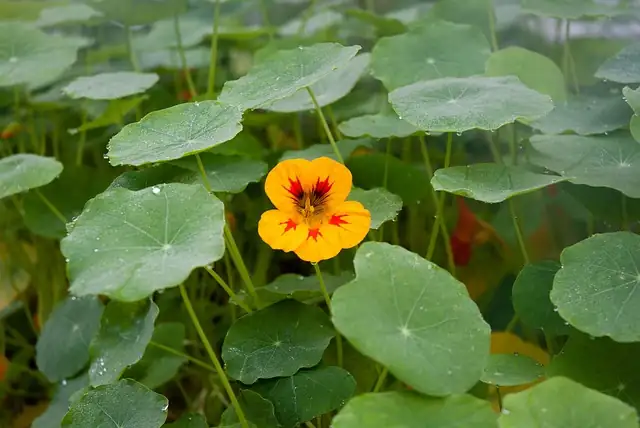
In the Victorian language of flowers, nasturtiums symbolize patriotism, victory, and conquest. Their round leaves and helmet-like flowers were thought to resemble shields and helmets, evoking images of triumph and valor. In a garden context, they embody resilience and cooperation, quietly supporting the success of their plant companions.
Tips for Planting Success
- Light and Soil: Nasturtiums thrive in full sun and well-draining soil. Interestingly, they perform better in poorer soils, where high nitrogen content is low, encouraging blooms over foliage.
- Watering and Care: Once established, they are quite drought-tolerant. However, regular watering helps, especially in containers. Deadhead spent flowers to prolong blooming, and avoid over-fertilizing to keep their growth balanced.
- Propagation: Easily grown from seeds, nasturtiums are perfect for beginners. Sow directly into the ground after the last frost or start them indoors for a head start.
By integrating nasturtiums into your garden, you’re not just adding a splash of color; you’re weaving a web of life that encourages a thriving, self-sustaining ecosystem. So, why not let these cheerful protectors find a place among your plants and watch as they work their magic? Your garden will thank you.


