Discover the Quirky Charm of Tropaeolum majus (Nasturtium)
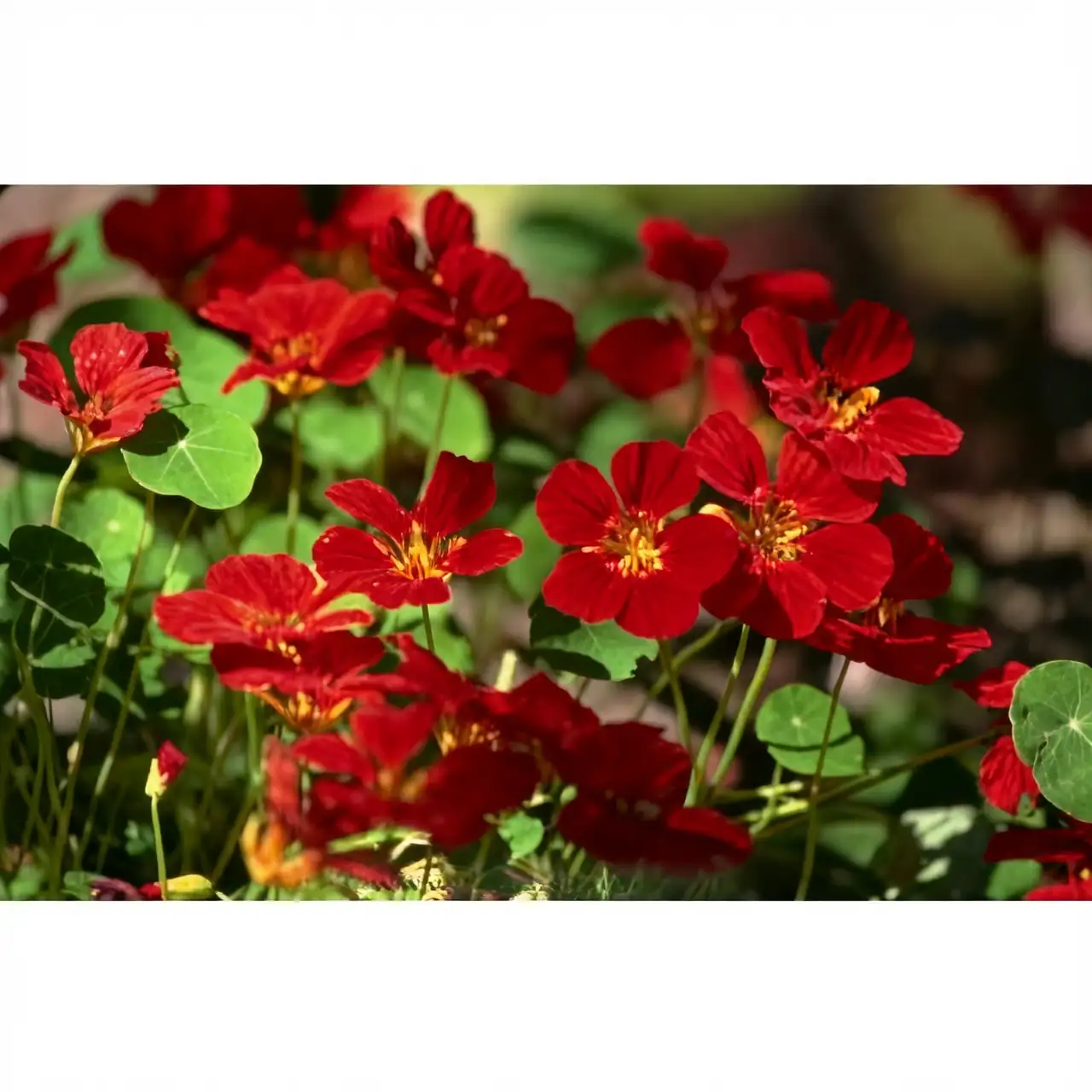
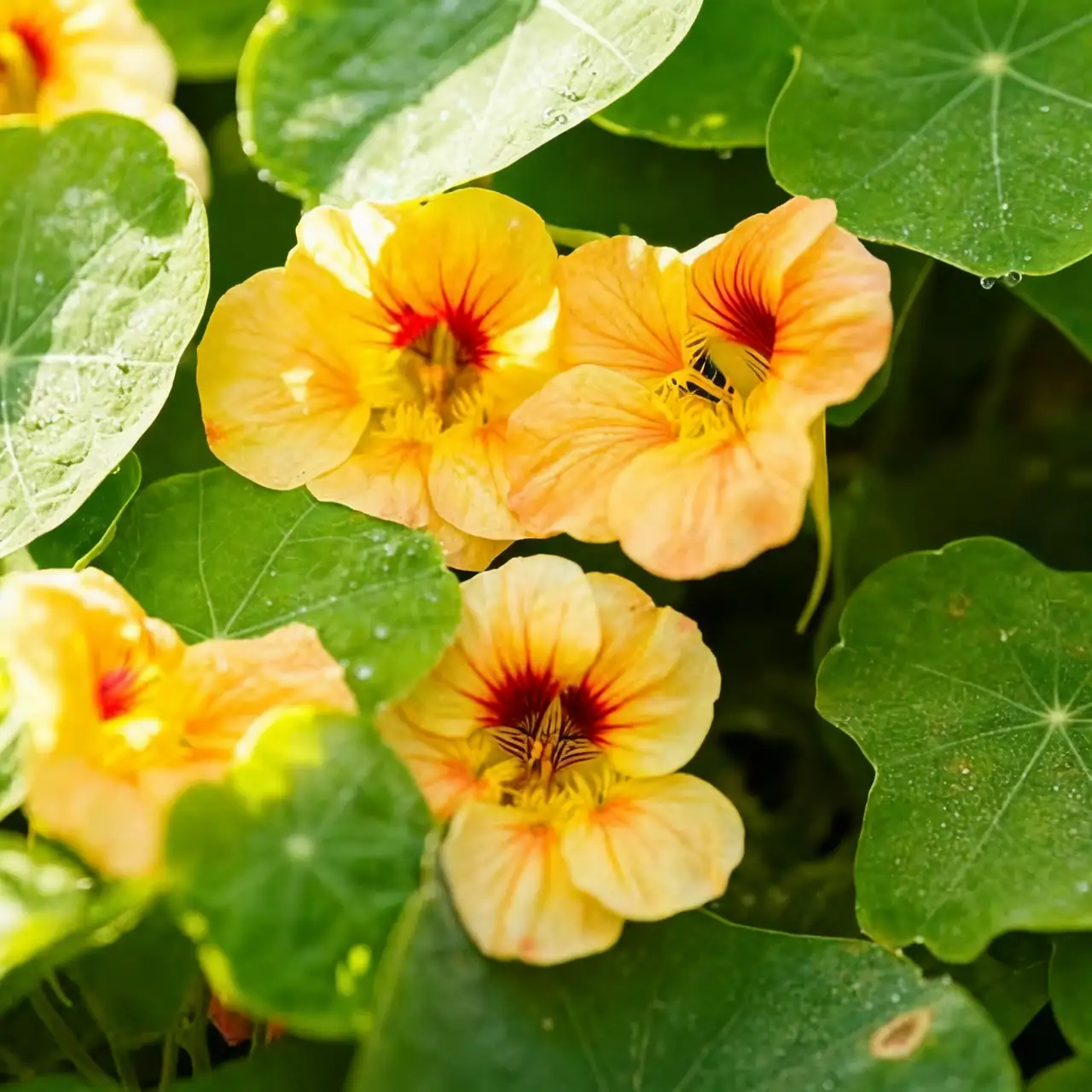
Step into the lively world of Tropaeolum majus—commonly known as nasturtiums—and prepare to be enchanted by a plant that seems to have its own little personality. With their vibrant, sunset-hued flowers and charming, lily-pad-like leaves, nasturtiums are the life of the garden party. But there’s more than meets the eye with these playful plants. Let’s delve into their unique traits and discover why they might just be the perfect addition to your garden.
A Glowing Tribute to Beauty
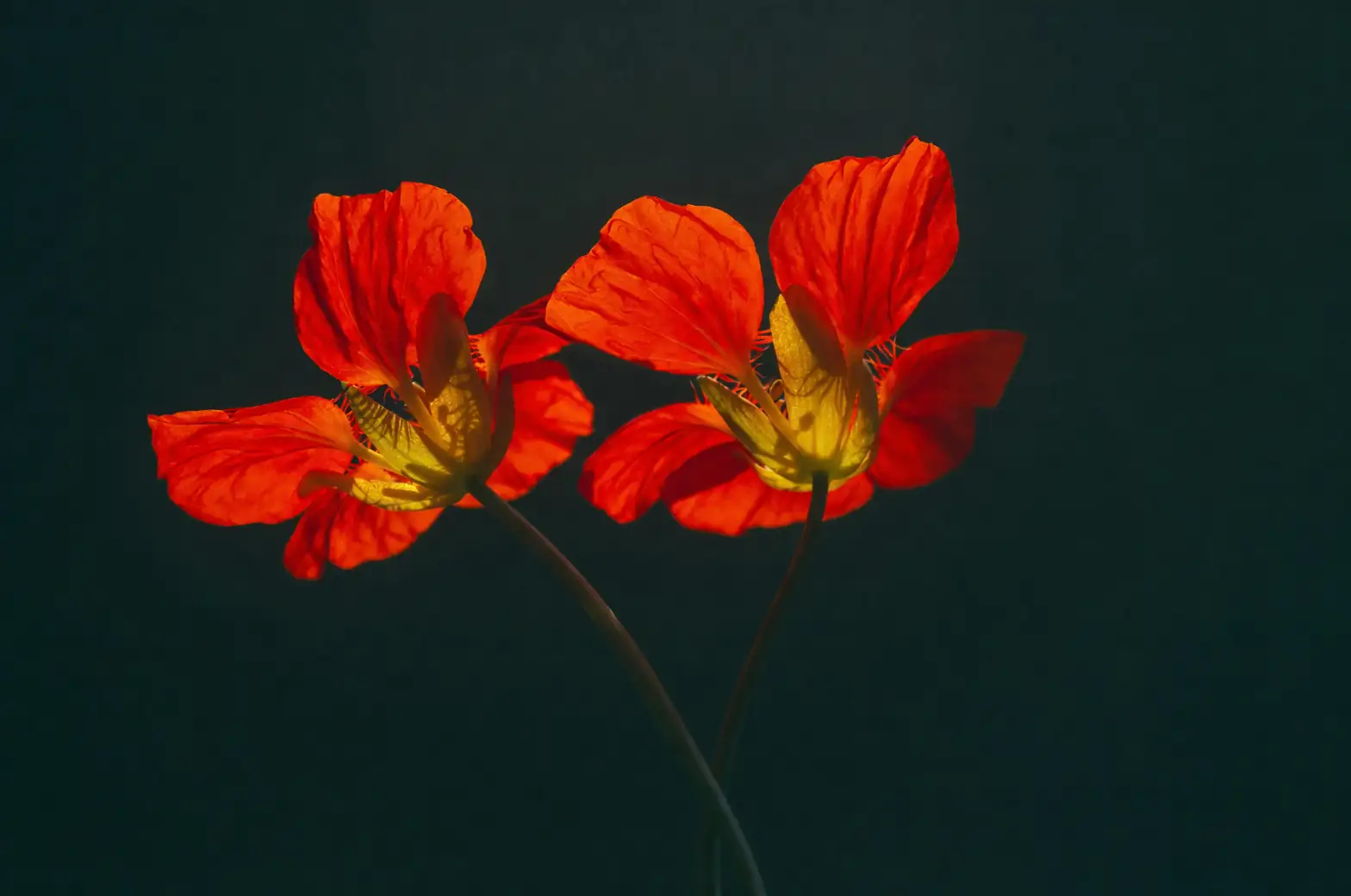
Have you ever noticed how nasturtiums seem to glow at dusk, as if they’re catching the last rays of the sun just to show off? This magical effect is thanks to the way their volatile oils reflect light, creating an almost mystical spotlight on their vibrant colors. This glow not only adds visual intrigue but also beckons pollinators like bees, butterflies, and hummingbirds, turning your garden into a bustling haven of life.
Pollination with Panache
Nasturtiums have a clever strategy when it comes to pollination. Their flowers sport a long, distinctive spur at the back, which is a nectar treasure trove for visiting pollinators. But here’s the clever part: the stamens mature at different times, and the stigma becomes receptive only after the pollen is released. This orchestrated timing reduces self-pollination and encourages cross-pollination, ensuring genetic diversity and healthier offspring. It’s like a well-rehearsed dance where every step is perfectly timed!
Colorful Culinary Companion
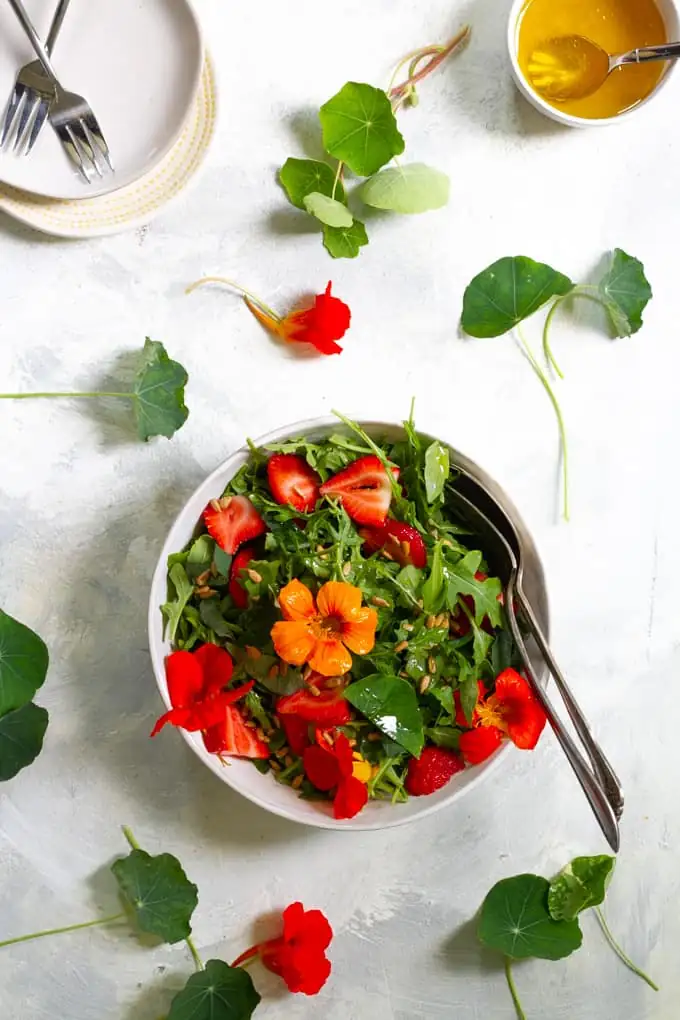
Not only are nasturtiums a feast for the eyes, but they’re also a treat for the taste buds. The flowers, leaves, and even the seedpods are edible, offering a peppery, mustard-like flavor that adds a zing to salads and garnishes. Imagine tossing a handful of these colorful blooms into your greens and elevating your dish from ordinary to extraordinary. And don’t throw away those seedpods—they can be pickled to mimic capers, adding a gourmet twist to your culinary creations.
The Gardener’s Best Friend
Nasturtiums are more than just pretty faces; they’re also hardworking companions in the garden. Acting as natural pest deterrents, they draw aphids away from more vulnerable plants, protecting your vegetables like beans, broccoli, and cucumbers. So, while their cheerful blooms brighten your garden, they also play the role of a vigilant guardian, ensuring your other plants thrive.
Easy-Peasy Growing Guide
- Sunlight: Nasturtiums love to bask in full sun for the best blooms, though they’ll tolerate partial shade.
- Soil: These plants thrive in poor to average, well-draining soil. In fact, the less fertile the soil, the more flowers you’ll get.
- Watering & Fertilization: Keep the soil moderately moist but avoid overwatering. Too much fertilizer, especially nitrogen, will lead to more leaves and fewer flowers.
- Propagation: Start them from seeds; they germinate quickly, usually within 7-10 days.
Fun Facts & Folklore
- Symbolism: In the language of flowers, nasturtiums represent patriotism and victory. Their vibrant red varieties are often linked to passion and love, while yellow hues exude cheerfulness.
- Historical Tidbits: Nasturtiums were cherished by the Incas for their culinary and medicinal uses, and their journey to Europe was via Spanish explorers. Their name, derived from the Latin “tropaeum” (trophy), reflects their triumphant appearance.
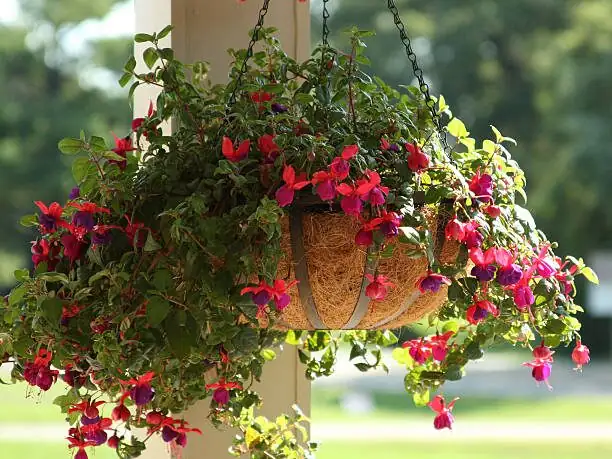
- Garden Traditions: In Boston’s Isabella Stewart Gardner Museum, nasturtiums are celebrated with spectacular hanging displays, proving their timeless appeal.
With their quirky traits and effortless beauty, nasturtiums are more than just garden plants—they’re vibrant storytellers, culinary delights, and essential garden companions. So why not invite these charming characters into your garden and watch them weave their colorful magic through your landscape?