

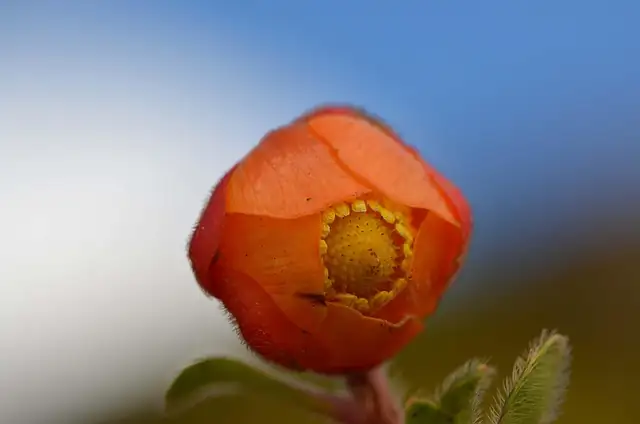
From the Andes to the World: The Journey of Tropaeolum majus
Tropaeolum majus, popularly known as nasturtium, is more than just a delightful burst of colors in gardens worldwide—it’s a plant with a rich history and a global journey as captivating as its vivid blooms. Let’s dig into the fascinating origins and story of this plant that has captured the hearts of gardeners and chefs alike.
A South American Gem
Tropaeolum majus hails from the montane forests of the Andes, spanning Peru, Chile, and Brazil. Imagine the Incas cultivating these plants, both for their vibrant beauty and their practical uses. The Incas were among the first to appreciate the peppery taste of its leaves and flowers, much like the zing of watercress, which added a distinctive flair to their culinary traditions. It’s fascinating how the plant’s origins in the tropical Andes have endowed it with a resilience and adaptability that allow it to thrive in various climates today.
A Botanical Voyage to Europe
The story of Tropaeolum majus takes a pivotal turn during the age of exploration. Spanish explorers, enchanted by the plant’s vivid flowers and practical uses, carried it across the Atlantic to Europe. There, it quickly became a gardener’s favorite, not just for its aesthetic appeal but also for its unique flavor and versatility. The plant’s botanical name, Tropaeolum, coined by the great Carl Linnaeus, is inspired by the word “trophy,” a nod to how its leaves and flowers resemble shields and helmets displayed in victory. This symbolism of triumph and conquest resonated well with its European audience.
A Feast for the Senses
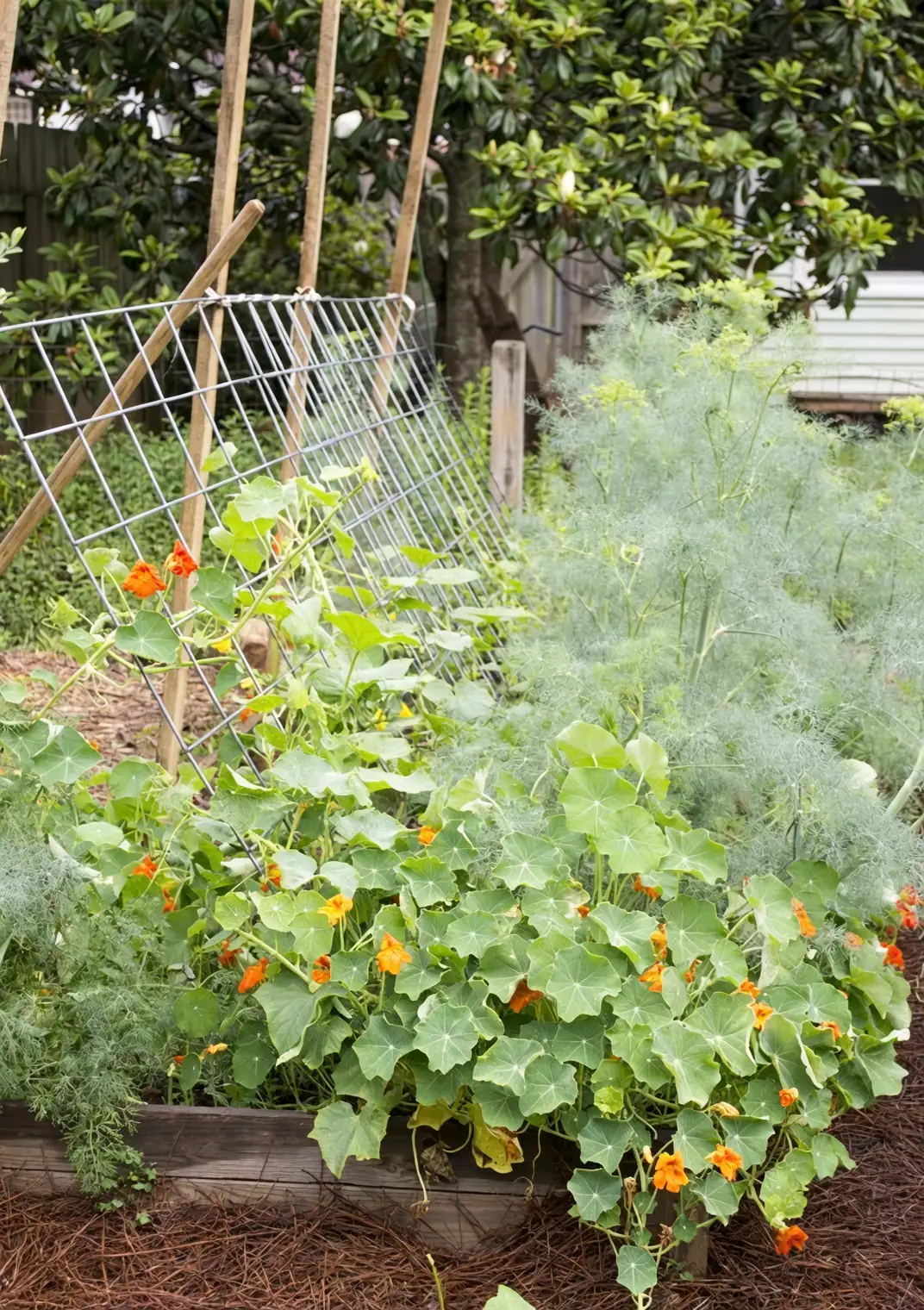
Nasturtiums are not just pretty faces; they’re a culinary delight, too, with all parts of the plant being edible. Their peppery leaves and blossoms make a striking addition to salads and garnishes, while their young seedpods can be pickled to create a caper-like treat. Such versatility has made nasturtiums a staple in edible gardening, celebrated for their ability to elevate the simplest of dishes. Imagine the surprise of an unsuspecting diner biting into a salad and encountering the unexpected kick from a nasturtium blossom!

Nature’s Ecological Ally
Beyond the kitchen and garden aesthetics, Tropaeolum majus plays a significant role in garden ecology. Its bright flowers attract pollinators like bees, butterflies, and hummingbirds, enhancing the biodiversity of any garden space. Additionally, they serve as a trap crop for aphids, protecting more vulnerable plants from these pests. As such, they are a gardener’s ally, embodying the perfect blend of beauty and utility.
A Plant of Many Faces
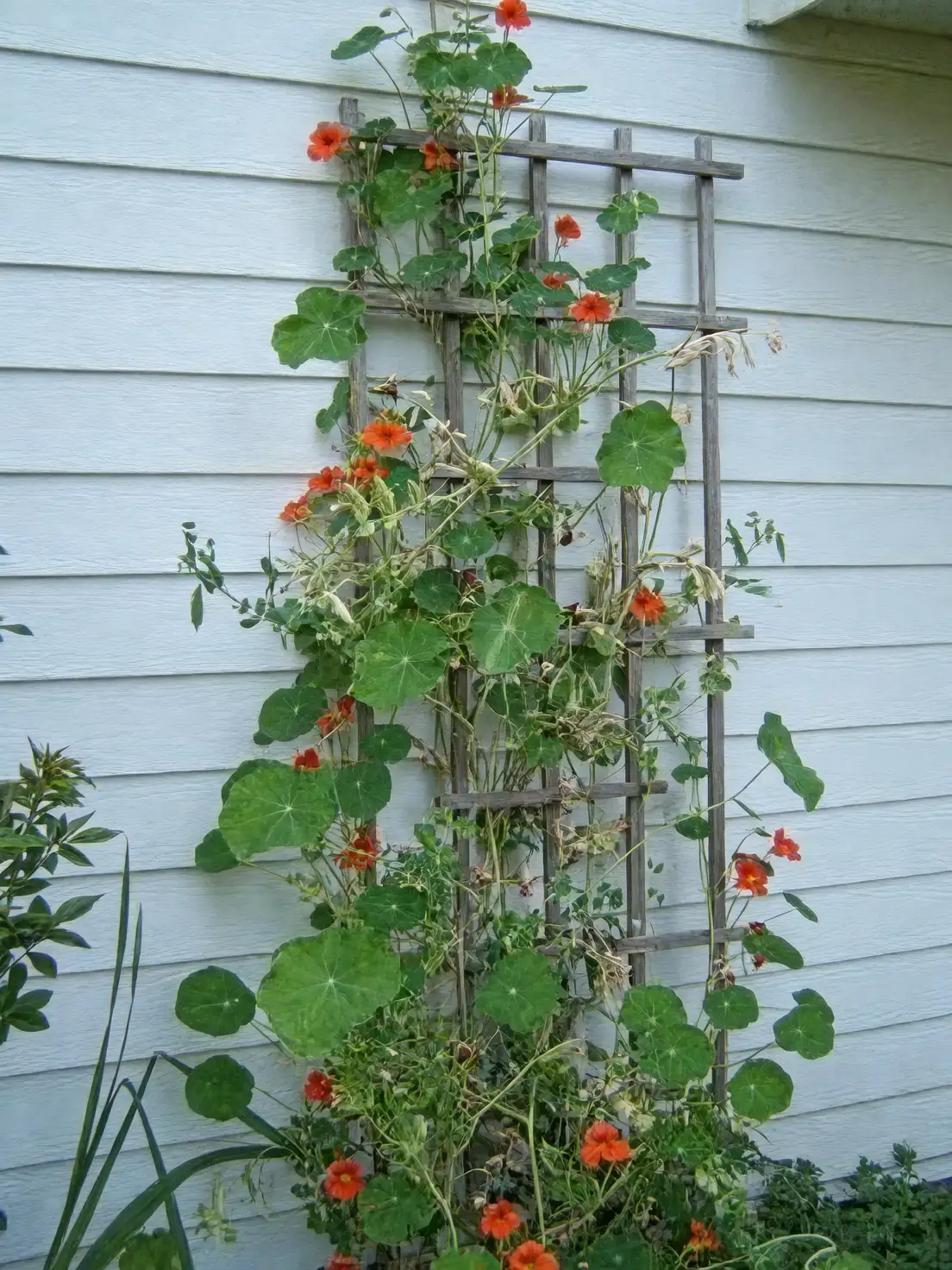
Whether cascading from a hanging basket or climbing up a trellis, nasturtiums bring a sense of whimsy to any garden. Their growth habits vary from trailing vines that can reach several feet in length to compact bush varieties that stay around 12–15 inches tall. These characteristics make them suitable for various garden designs, from sprawling cottage gardens to tidy urban balconies.
Traditions and Superstitions
The language of flowers, or floriography, has long associated nasturtiums with themes of conquest and patriotism. The vibrant red varieties are often linked with passion and love, while the cheerful yellows inspire feelings of joy and sunshine. These interpretations add a layer of meaning to gifting or growing these plants, turning a simple garden addition into a statement.
Cultivating the Charm
Growing nasturtiums is as easy as it is rewarding. They thrive in well-draining soil under full sun, with the best blooms emerging in poorer soils that restrain leaf growth. They are fuss-free and forgiving, needing minimal care beyond regular watering and occasional deadheading to prolong blooming. This ease of care makes them a favorite for beginner gardeners, offering a delightful introduction to the joys of horticulture.
A Legacy Continues
Today, Tropaeolum majus remains a beloved plant around the world, celebrated for its beauty, culinary uses, and ecological benefits. Its journey from the mountains of South America to gardens across the globe is a testament to its enduring allure and versatility. Whether you’re an experienced gardener or a curious novice, inviting nasturtiums into your garden is like opening the door to a piece of botanical history and a world of vibrant possibilities. So why not plant a few seeds and join the enduring legacy of this remarkable plant?


