

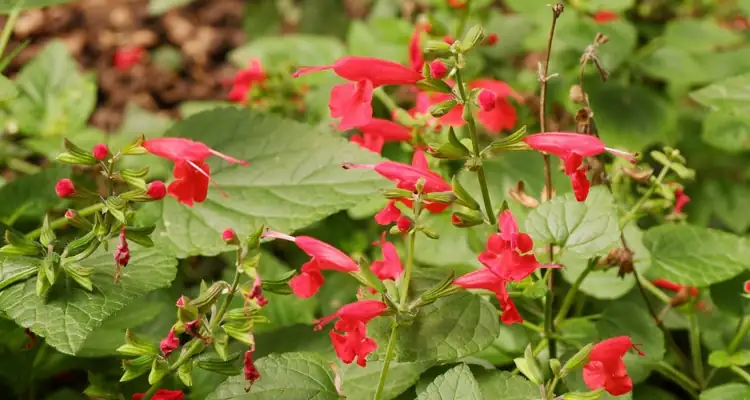
Imagine stepping into a garden alive with the fluttering of butterflies and the shimmering movements of hummingbirds, drawn irresistibly by a vibrant palette of colors. This is the magic that Scarlet Sage, or Salvia splendens, can bring to your outdoor space. Known for its eye-catching scarlet-red spikes and aromatic foliage, this plant is a beacon for pollinators, offering both beauty and ecological benefits. But to truly maximize its potential, let’s explore how you can pair it with other plants to create a pollinator paradise.
The Allure of Scarlet Sage
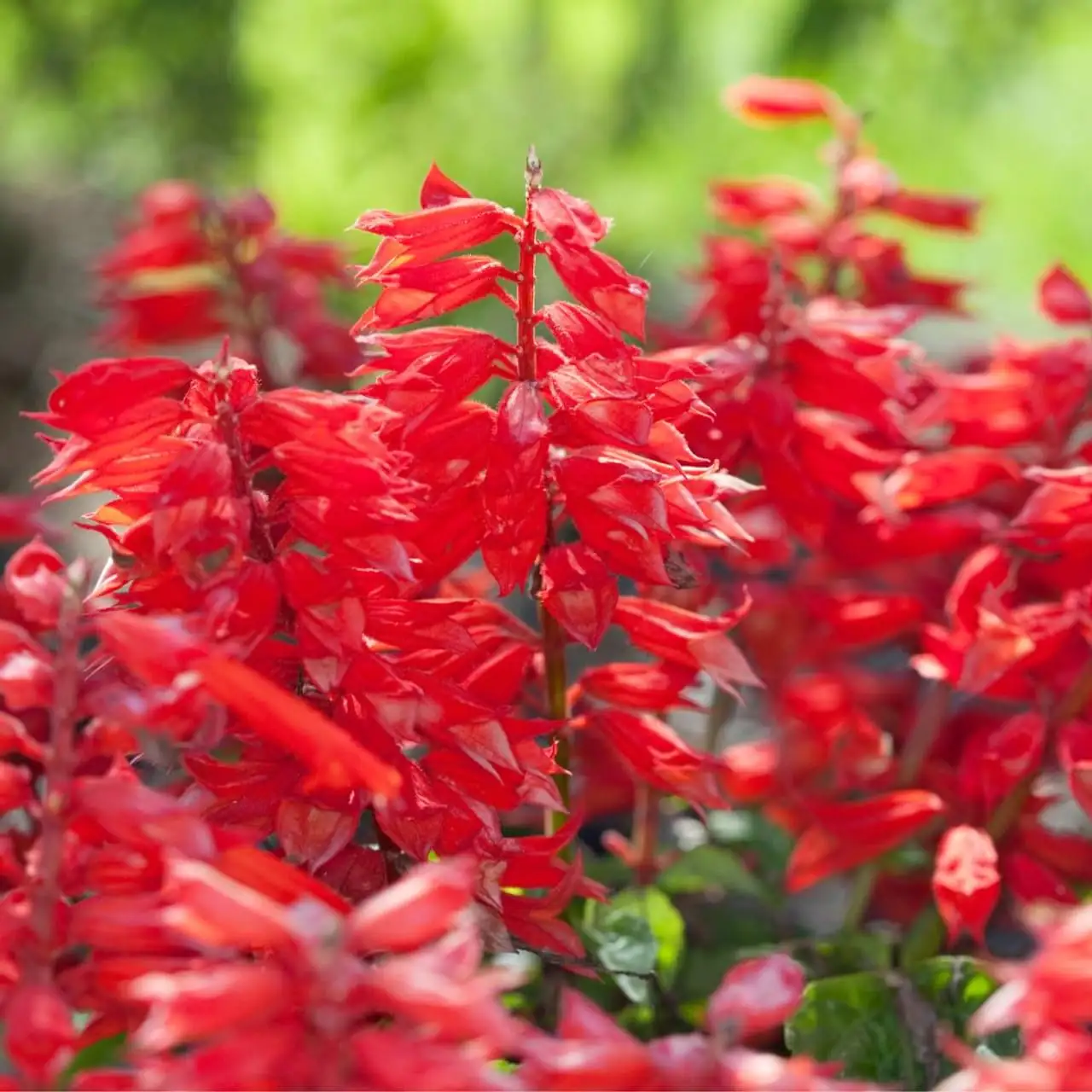
Scarlet Sage is a standout in any garden. Its brilliant red tubular flowers bloom from early summer until the first frost, providing a long-lasting display of color. These flowers are not only beautiful but also serve as a rich source of nectar, making them particularly attractive to hummingbirds and butterflies. The plant’s slightly aromatic leaves, a dark green canvas beneath the vibrant spikes, add a touch of texture and help ward off deer and rabbits—a feature every gardener can appreciate.
Creating the Perfect Pollinator Garden
Sunlight and Soil: The Foundation
Before we delve into plant pairings, it’s essential to create the right environment. Scarlet Sage thrives in full sun, requiring at least 6 to 8 hours of direct sunlight daily. Pair this with moist, well-drained, humus-rich soil, and you’ve set the stage for a thriving plant.
Companion Planting: Harmonious Partnerships
Scarlet Sage shines even brighter when paired with complementary plants. Here are some ideal companions that enhance its beauty and attract even more pollinators:
- Lantana: With its clusters of bright flowers, lantana complements the red tones of Scarlet Sage beautifully. It’s also a favorite among butterflies, creating a buzzing atmosphere of activity.
- Coneflowers (Echinacea): These provide a contrasting bloom shape and attract a plethora of pollinators. Their large, daisy-like flowers add a stunning contrast to the spiky blossoms of Scarlet Sage.
- Zinnias: Known for their vibrant colors and long blooming period, zinnias pair well with Scarlet Sage. Together, they create a tapestry of color that’s hard for pollinators to resist.
- Catmint (Nepeta): With its soft blue flowers and aromatic foliage, catmint is a low-maintenance companion that shares similar growing conditions and adds a soothing contrast to Scarlet Sage’s fiery blooms.
Shrubs and Grasses: Structure and Texture
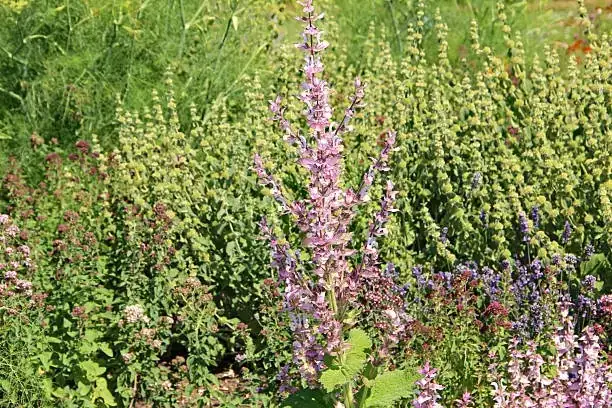
For a layered effect, consider incorporating shrubs and grasses that offer a backdrop to your flowering plants:
- Weigela: Its tubular pink flowers echo the shape of Scarlet Sage blossoms, providing a visually cohesive element to your garden.
- Ornamental Grasses: The feathery texture of grasses like Purple Fountain Grass can add movement and softness, framing the vibrant spikes of Scarlet Sage.
Care Tips for a Flourishing Display
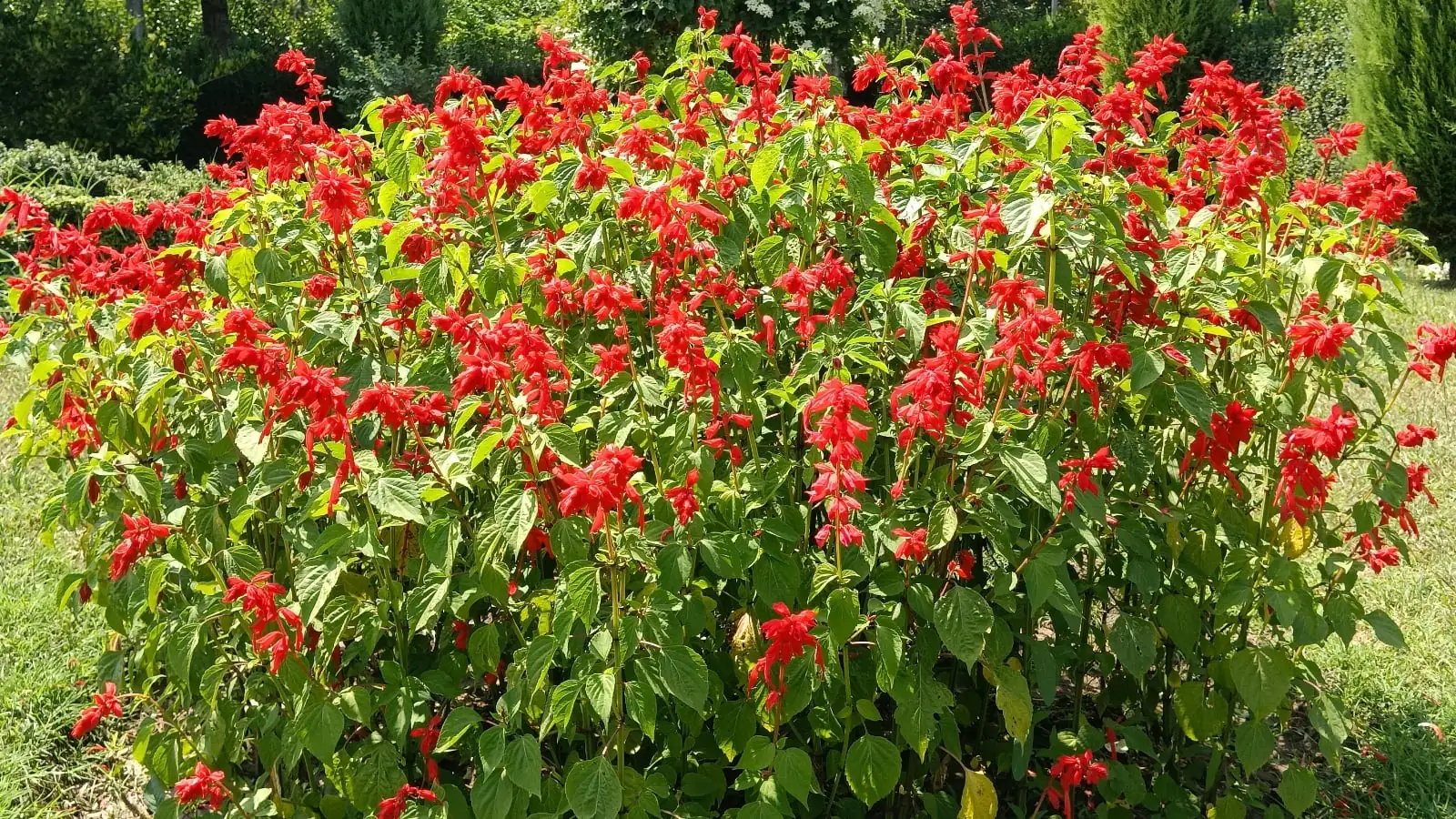
While Scarlet Sage is relatively low-maintenance, a few gardening practices will ensure it remains a focal point in your garden:
- Watering: Keep the soil evenly moist without waterlogging. Container plants may require more frequent watering during hot spells.
- Fertilization: Use a balanced liquid fertilizer every 2–3 weeks during the growing season to support continuous blooming.
- Pruning: Regular deadheading will encourage new blooms and keep your plants looking tidy. Pinching young plants can also promote a bushier growth habit.
The Language of Flowers
In the language of flowers, Scarlet Sage symbolizes vitality, energy, and passion—qualities that are evident in its striking color and vigorous growth. This association with warm thoughts and good health makes Scarlet Sage not just a garden superstar, but also a meaningful addition to any space aimed at promoting wellness and joy.
As you design your pollinator-friendly garden, remember that each plant you choose contributes to a thriving ecosystem. Scarlet Sage, with its vibrant red spikes and pollinator appeal, serves as a cornerstone for creating a dynamic, colorful, and buzzing garden environment. Whether you’re a seasoned gardener or a novice looking to attract more wildlife, pairing Scarlet Sage with the right plants will ensure your garden is both a visual delight and a haven for nature’s most captivating creatures.


