

Unlock the Secrets to Propagating Scarlet Sage: Your Guide to a Vibrant Garden
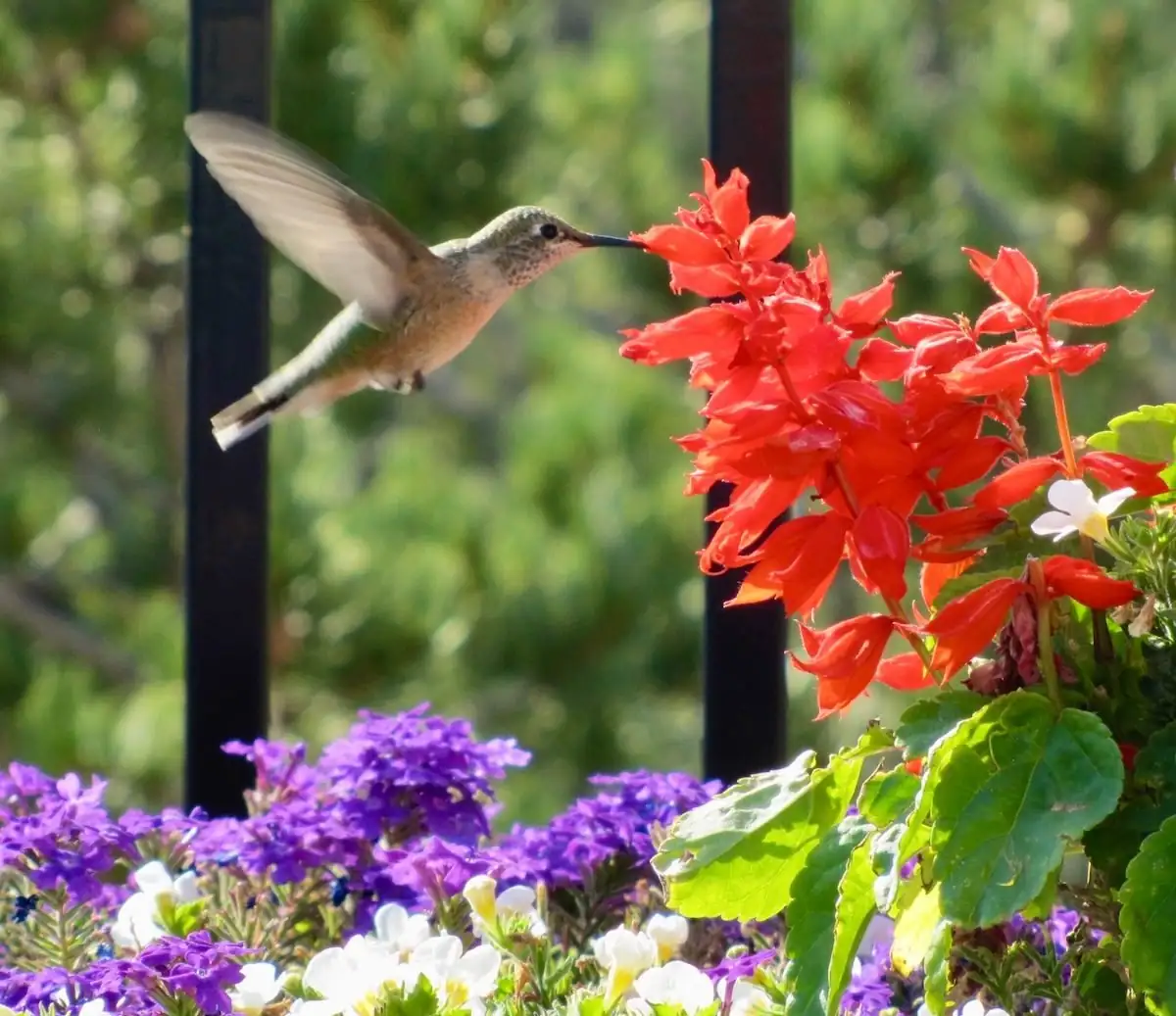
Imagine a garden awash with the vibrant reds of Scarlet Sage, hummingbirds hovering like tiny helicopters, and butterflies fluttering by on a gentle breeze. The Scarlet Sage, known scientifically as Salvia splendens, is not just a plant; it’s a statement of passion and vitality in your garden. Whether you’re a seasoned gardener or a curious beginner, propagating this fiery beauty can be both a rewarding and straightforward process.
Understanding Scarlet Sage
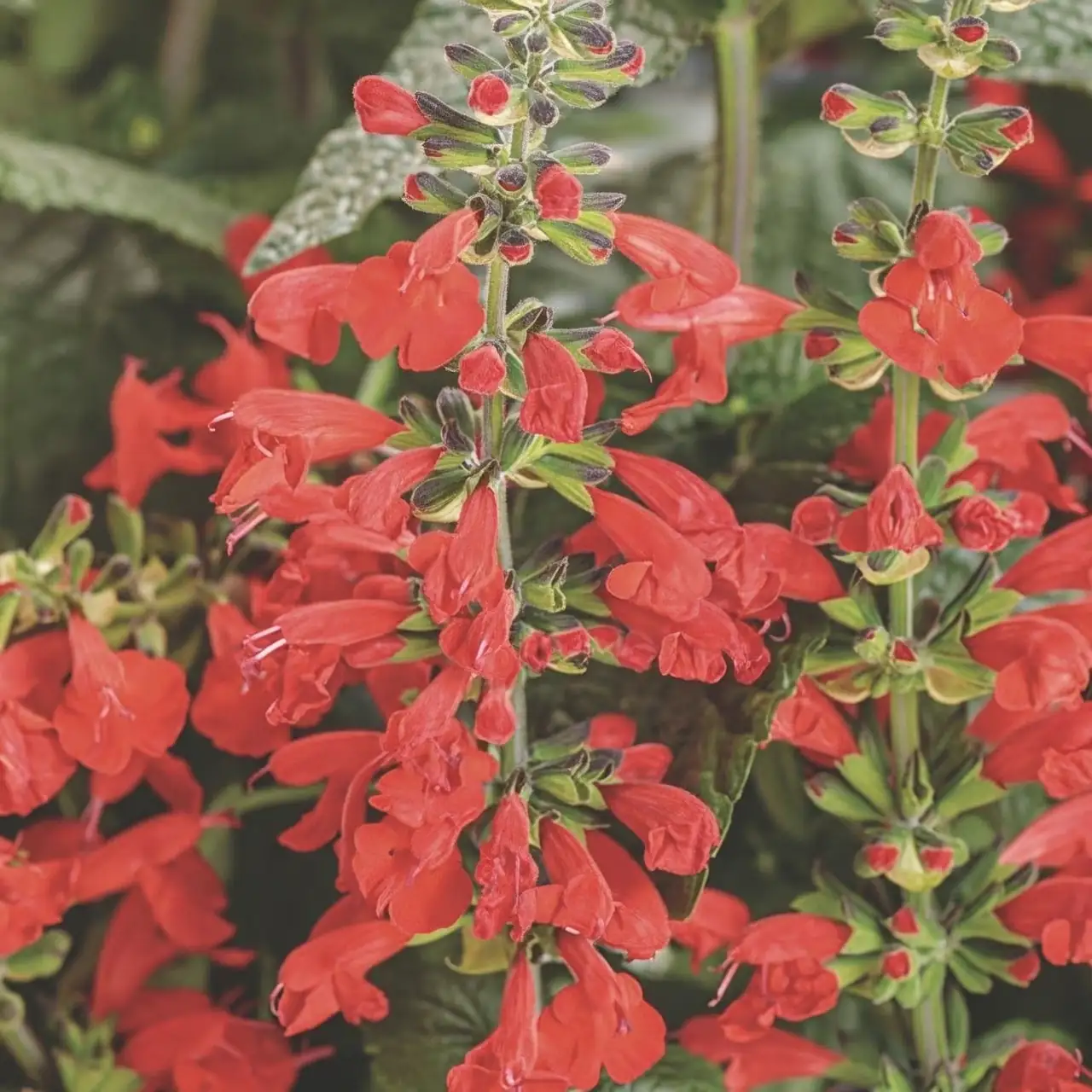
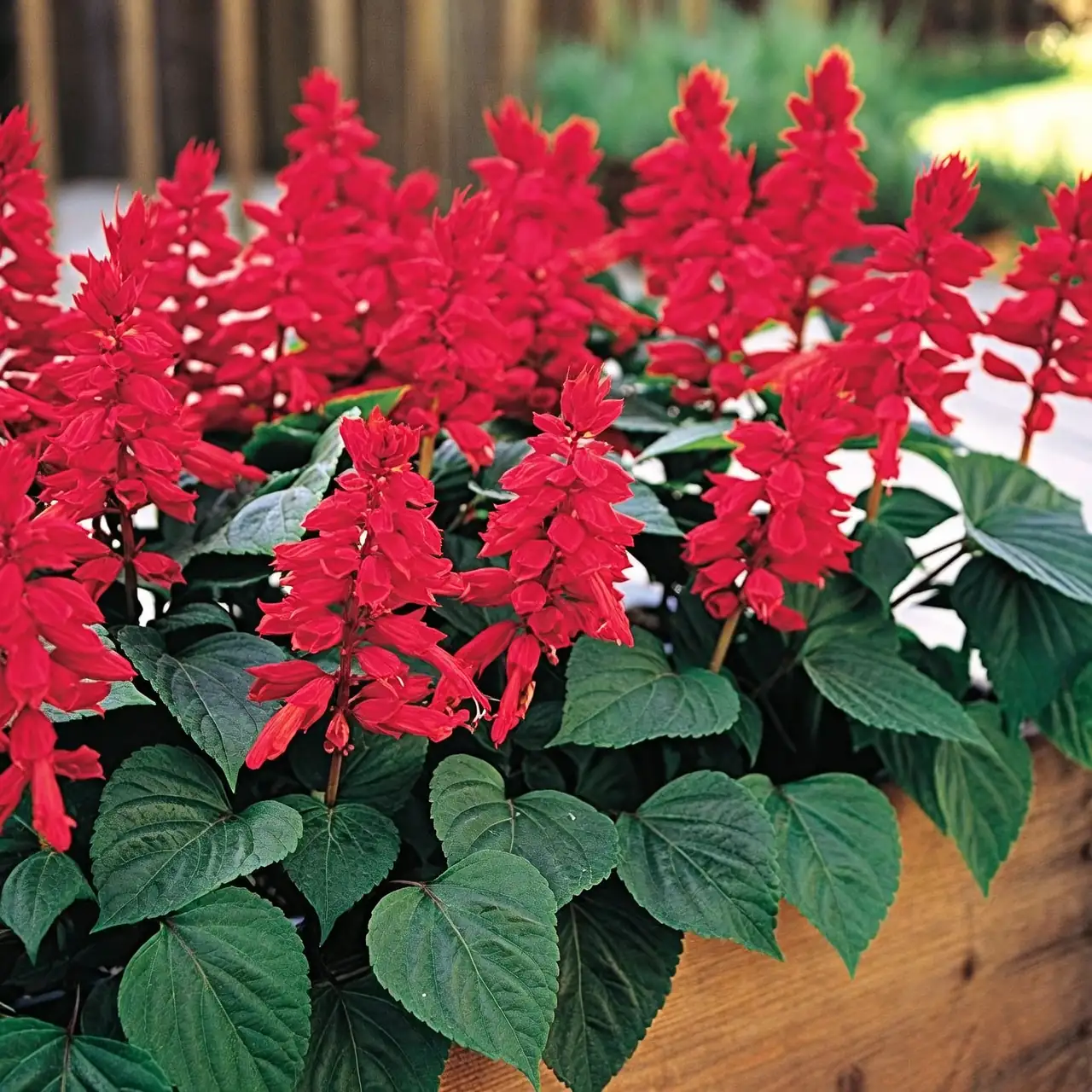
Before diving into propagation techniques, let’s get acquainted with our star plant. Native to Brazil, Scarlet Sage belongs to the Lamiaceae family, renowned for its dense spikes of scarlet-red tubular flowers. While it’s a tender perennial in its native climate, it’s often grown as an annual in cooler zones, brightening gardens from early summer until the first frost.
Scarlet Sage is not just a feast for the eyes. Its nectar-rich blooms are a magnet for hummingbirds and butterflies, and its slightly aromatic foliage discourages deer and rabbits, making it a resilient choice for many gardeners.
Propagation Methods: Seeds and Cuttings
Propagating from Seeds
Growing Scarlet Sage from seeds is like starting a story from the very first page. Here’s how to ensure your seeds sprout into robust plants:
- Start Indoors: Begin the process 8–10 weeks before the last frost. The seeds prefer a warm environment of around 21–24°C (70–75°F) for optimal germination.
- Light is Key: Press the seeds onto the surface of your soil mix, as they need light to germinate. Think of them as solar panels soaking up the sun’s energy.
- Patience and Care: Germination typically takes 10–15 days. Keep the soil moist but not waterlogged, and watch as tiny green shoots emerge, heralding the start of your garden’s transformation.
Propagating from Cuttings
For those who want a clone of their favorite plant, cuttings offer a reliable method:
- Choose the Right Moment: Late summer or early autumn is ideal for taking cuttings, when the growth is still soft or semi-ripe.
- Perfect Cuttings: Select healthy, non-flowering shoots, about 7.5–10 cm (3–4 in) long. Trim them just below a leaf node and remove leaves from the lower half.
- Encourage Rooting: Dip the base of each cutting in rooting hormone and plant them in a moist, well-draining medium. Cover with a plastic bag to maintain humidity and place in a warm spot until roots form.
Caring for Your Scarlet Sage
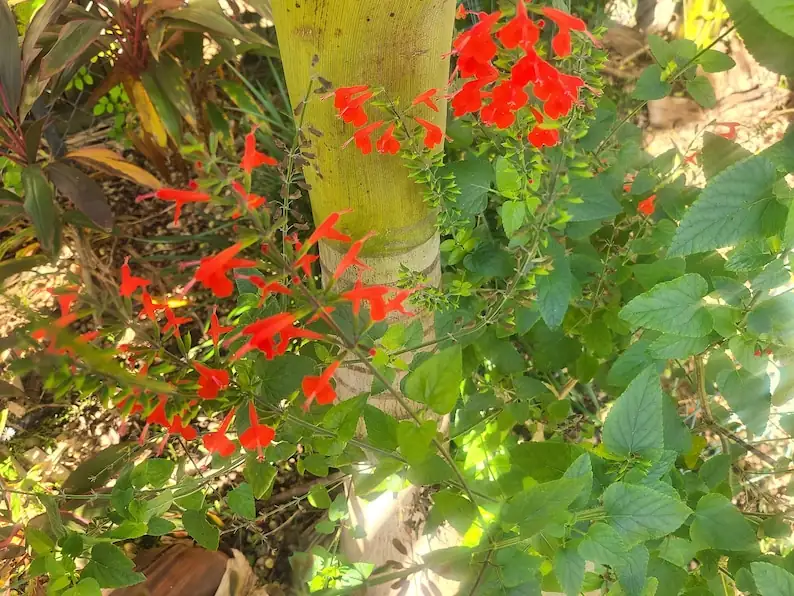
Once your Scarlet Sage plants are established, keeping them healthy is a breeze. Here are a few tips to keep your garden flourishing:
- Sunlight and Soil: Ensure your plants receive full sun for at least 6–8 hours a day. They thrive in moist but well-drained, humus-rich soil.
- Watering and Feeding: Water when the top inch of soil feels dry, but avoid letting them sit in soggy conditions. A balanced liquid fertilizer every 2–3 weeks during active growth will support their long blooming season.
- Pruning for Perfection: Pinch young plants to encourage bushier growth and deadhead spent flowers to extend the blooming period.
The Language of Flowers
In the language of flowers, Scarlet Sage symbolizes vitality and energy, a fitting representation of its vibrant color and enduring bloom. Beyond its visual appeal, it embodies warm thoughts and well-wishes—like a living postcard of “thinking of you.”
A Garden That Gives Back
With its spectacular blooms and pollinator-friendly nature, Scarlet Sage enriches both your garden and the ecosystem. Whether planted in beds, borders, or containers, its ability to attract beneficial insects like hummingbirds and butterflies makes it an invaluable addition to any garden.
By mastering the art of propagating Scarlet Sage, you’re not just growing plants—you’re cultivating a vibrant, lively garden that will continue to bring joy year after year. So, grab your garden tools, roll up your sleeves, and get ready to paint your garden with the colors of passion!


