

Unveiling the Symbolism and Cultural Significance of Scarlet Sage
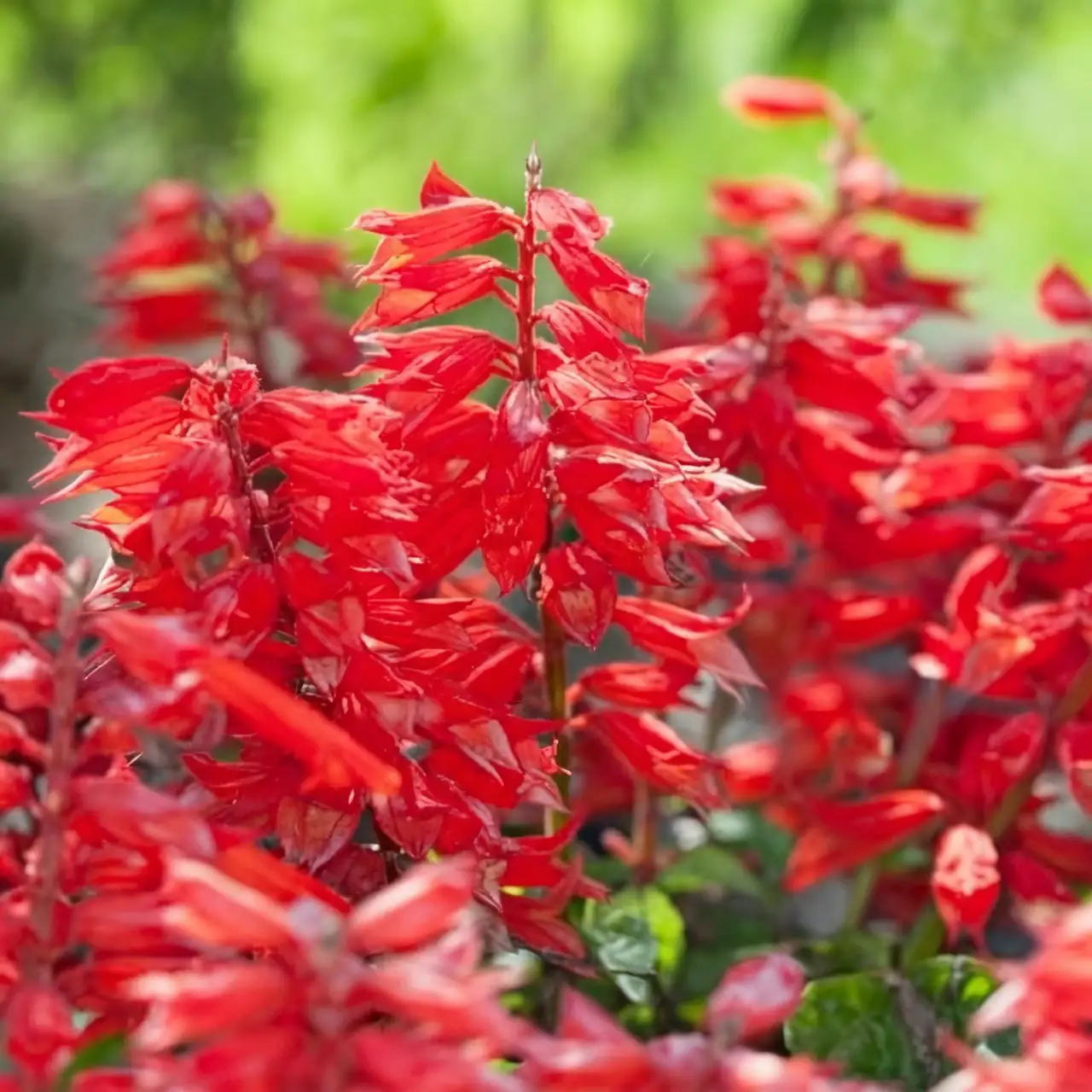
As the sun casts its golden rays over a summer garden, few sights are as captivating as the vivid spikes of Scarlet Sage (Salvia splendens) standing tall among the greenery. With their fiery red blooms, these flowers are more than just a visual masterpiece; they are whispers of ancient stories and symbols woven into the fabric of cultures around the world.
A Rich Tapestry of Symbolism
Scarlet Sage, known by its scientific name Salvia splendens, doesn’t just catch the eye—it captures the imagination. Native to the vibrant landscapes of Brazil, this plant has traveled far and wide, embedding itself into the hearts and traditions of many. In the world of flower language, or “floriography,” Scarlet Sage is a vivid storyteller. Its intense red hue is a universal symbol of passion and vitality, evoking images of burning flames and warm embraces.
But the symbolism of Scarlet Sage doesn’t stop at passion. Its vibrant red flowers have long been associated with protection and prosperity. In various cultures, the color red is thought to ward off evil spirits and bring good fortune, a belief that has carried Scarlet Sage into rituals and ceremonies focused on love, protection, and healing. The flower’s very presence in a garden is like a vibrant declaration of good intentions and positive energy.

Cultural Footprints and Historical Roots
The journey of Scarlet Sage across continents has left a trail of cultural significance. From its roots in South American landscapes to its adoption in European gardens in the 1800s, Scarlet Sage has been a constant companion to gardeners and floral enthusiasts alike. During the Victorian era, its dazzling displays were a staple in formal bedding arrangements, symbolizing strength and resilience in the face of adversity.
In folklore, Scarlet Sage is often mentioned in tales of love and bravery. Its rich red blooms are likened to the blushing cheeks of a lover or the courageous heart of a warrior. This connection to love and courage is why Scarlet Sage often finds a place in weddings and other celebrations of commitment and devotion.

A Palette of Emotions
While the classic red of Scarlet Sage is a symbol of love and protection, this plant’s modern cultivars offer a spectrum of colors, each with its own emotional resonance. Soft pinks whisper of innocence and feminine grace, while purple varieties speak to wisdom and success. Each hue adds a layer of depth to the garden’s emotional tapestry, making Scarlet Sage a versatile plant for expressing a range of sentiments.
Garden Glory and Pollinator Paradise
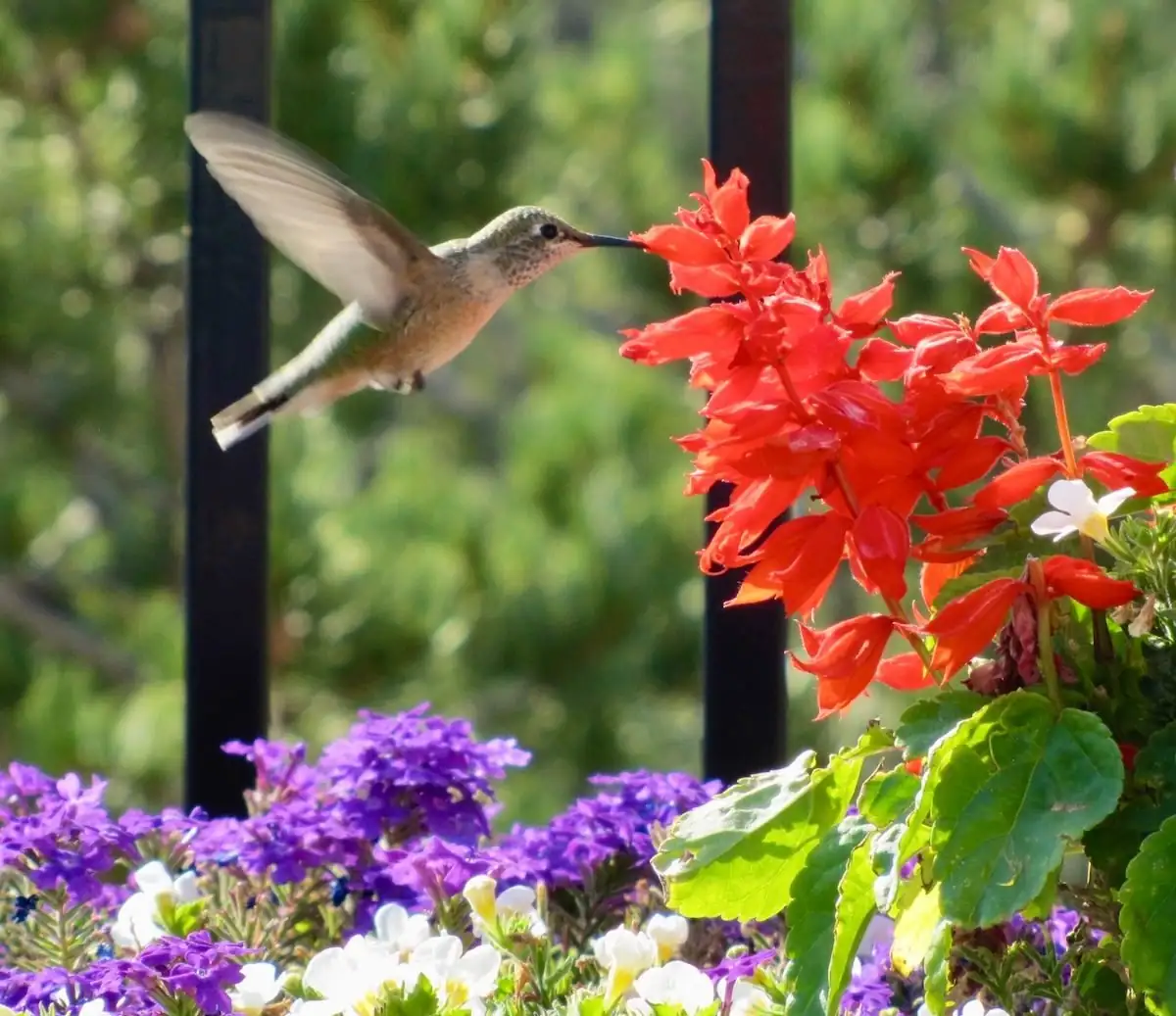
Beyond its symbolic allure, Scarlet Sage is a garden workhorse. Its long blooming season, extending from early summer to the first frost, ensures a continuous display of color that attracts pollinators like hummingbirds and butterflies. Imagine your garden as a bustling hub of life, with Scarlet Sage acting as a beacon for these winged visitors, offering them a feast of nectar-rich blooms.
Caring for Scarlet Sage: A Labor of Love
Cultivating Scarlet Sage is a rewarding endeavor that requires little more than a sunny spot and some basic care. This heat-tolerant plant thrives in full sun, where it can bask in the warmth it loves. While Scarlet Sage is relatively low-maintenance, regular watering and fertilization will keep it blooming prolifically. And remember, a bit of pruning can encourage branching and more flowers, ensuring your garden remains a vibrant tapestry of color throughout the season.
Conclusion
Whether you’re drawn to Scarlet Sage for its stunning appearance, its rich symbolism, or its ability to draw pollinators to your garden, this plant offers something for everyone. Its story is one of passion and vitality, a tale that continues to unfold with each new bloom. So why not invite this fiery storyteller into your garden and let it weave its magic around you? In doing so, you’ll be joining a long tradition of gardeners who have found inspiration and joy in the radiant allure of Scarlet Sage.


