Meet the Marvelous Scarlet Sage: Salvia splendens
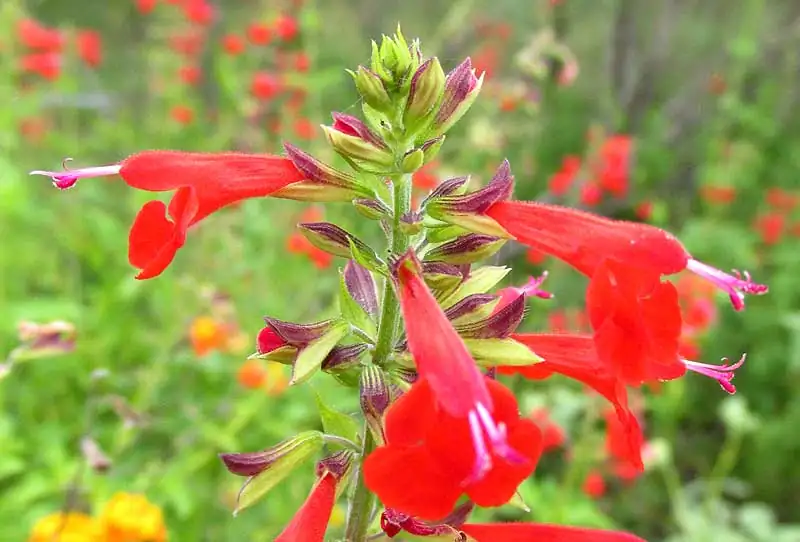
Imagine a plant that can transform a garden with its bold, vibrant colors, attracting scores of buzzing bees and flitting hummingbirds. Enter Scarlet Sage, or Salvia splendens, a plant that brings both pizzazz and practicality to your outdoor spaces. Often hailed as the rock star of the garden world, Scarlet Sage is adored for its fiery red flower spikes and its ability to charm pollinators. Let’s dive into some of the quirkiest aspects of this captivating plant.
The Mint-Family Charm
Did you know that Scarlet Sage belongs to the mint family, Lamiaceae? This connection is more than just botanical trivia. If you’ve ever rolled one of its stems between your fingers, you might have noticed the distinctive square shape—an unmistakable hallmark of mint family members. This family tree also includes culinary stars like basil and rosemary, which, like Scarlet Sage, boast aromatic foliage.
A Pollinator’s Delight
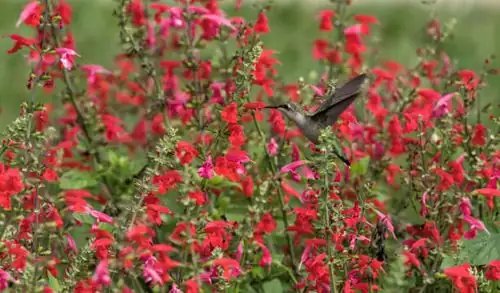
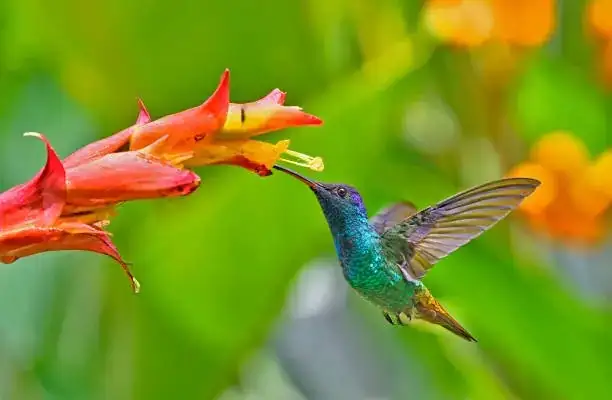
Scarlet Sage is like an all-you-can-eat buffet for hummingbirds and butterflies. Its tubular flowers are perfectly designed to accommodate hummingbirds’ long bills, providing them with easy access to the nectar inside. It’s like nature’s version of fast food for these energetic flyers! Plant Scarlet Sage, and you’ll likely witness a dazzling display of fluttering wings and vibrant colors as these creatures flock to your garden.
A Riot of Colors Beyond Red
While the classic Scarlet Sage is renowned for its brilliant red blooms, the plant is a bit of a chameleon. Modern cultivars offer a palette that spans purples, pinks, whites, and even bicolors. This diversity makes it a versatile choice for gardeners looking to create a dynamic and colorful landscape. Imagine the possibilities—borders awash in waves of color, each hue more stunning than the last!
Long-Lasting Blooms and Easy Care
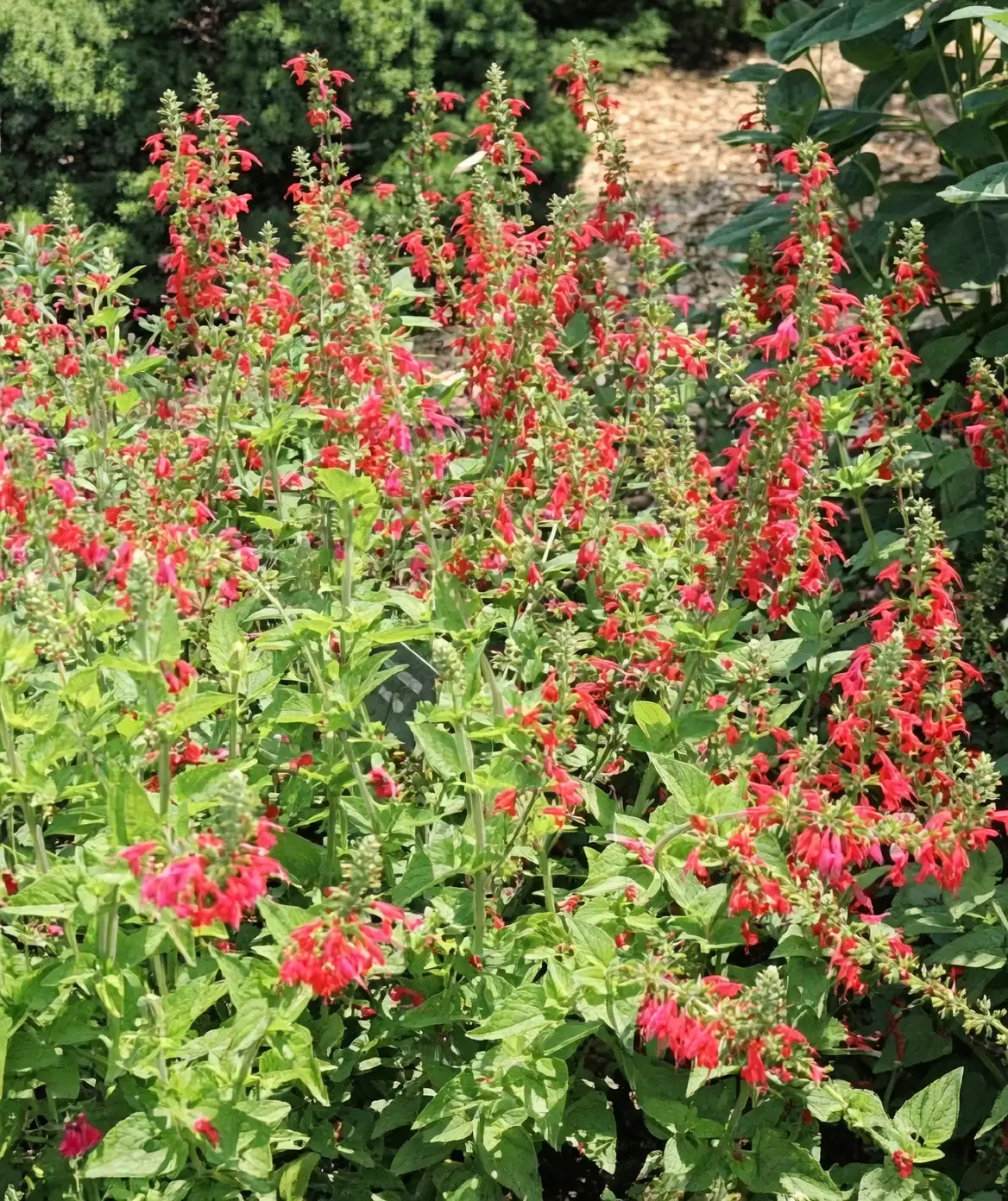
One of the greatest gifts of Scarlet Sage is its prolonged blooming season. From early summer until the first frost, its flower spikes stand proudly, undeterred by the changing seasons. What’s more, this plant is a gardener’s dream in terms of care. With its resistance to deer and rabbits, thanks to mildly aromatic foliage, and its tolerance for heat, Scarlet Sage is as low-maintenance as it is beautiful.
Symbolism and Historical Tidbits
In the language of flowers, Scarlet Sage is imbued with symbolism. Its vibrant red hue is often associated with vitality, energy, and passion. This plant has also been linked to warm thoughts and even wisdom—a perfect gift for someone who embodies these qualities. Historically, Scarlet Sage made its way from Brazil to Europe in the early 1800s, quickly becoming a favorite in Victorian-era gardens.
Gardening with Scarlet Sage
Placement and Growth:
Scarlet Sage thrives in full sun but can adapt to partial shade, though blooms may be fewer. It grows into upright, bushy clumps, reaching heights of 30–90 cm (12–36 in) and widths of 25–45 cm (9–18 in). This makes it an excellent choice for everything from mass plantings to patio pots.
Care Tips:
- Watering: Keep the soil evenly moist but avoid sogginess. Container plants may need daily watering in hot weather.
- Fertilization: Use a slow-release fertilizer for continuous blooms. If the plant grows too leafy, switch to a bloom-supporting formula.
- Pruning: Regular deadheading encourages more flowers. Pinch young plants to promote branching.
Fun Facts to Impress Your Friends
- Despite its fame for red flowers, Scarlet Sage’s cultivars come in a wide spectrum of colors.
- The plant’s square stems are a mint-family trait.
- Hummingbirds adore its tubular flowers, which fit their long bills perfectly.
- Its aromatic foliage is a natural deterrent to deer and rabbits.
Whether you’re an avid gardener or a casual plant lover, Scarlet Sage offers a unique combination of beauty, ease, and ecological benefits. With its flashy appearance and pollinator appeal, it’s a must-have for anyone looking to inject a dose of vibrancy and life into their garden. So why not let this fiery beauty take center stage in your garden? You’ll be rewarded with a symphony of colors and a flurry of pollinator activity.