

A Blossoming Journey: The Rise of Scarlet Sage from Brazil to Global Gardens
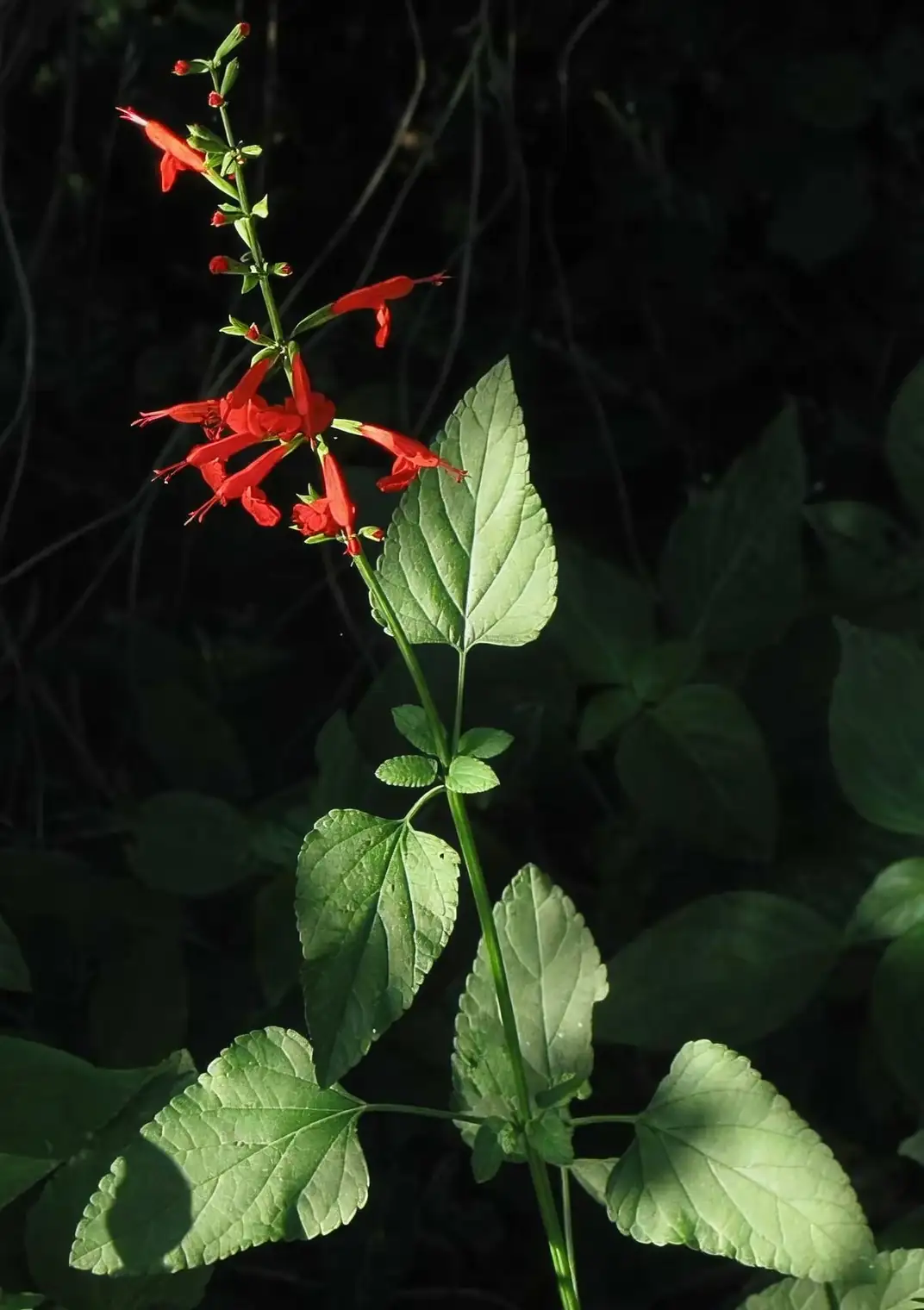
The vibrant Scarlet Sage, scientifically known as Salvia splendens, has captivated gardeners and nature enthusiasts worldwide with its fiery blooms and resilient nature. This striking plant, a member of the expansive mint family (Lamiaceae), originates from Brazil, where its story begins in the heart of lush South American landscapes.
From the Tropics to Victorian Elegance
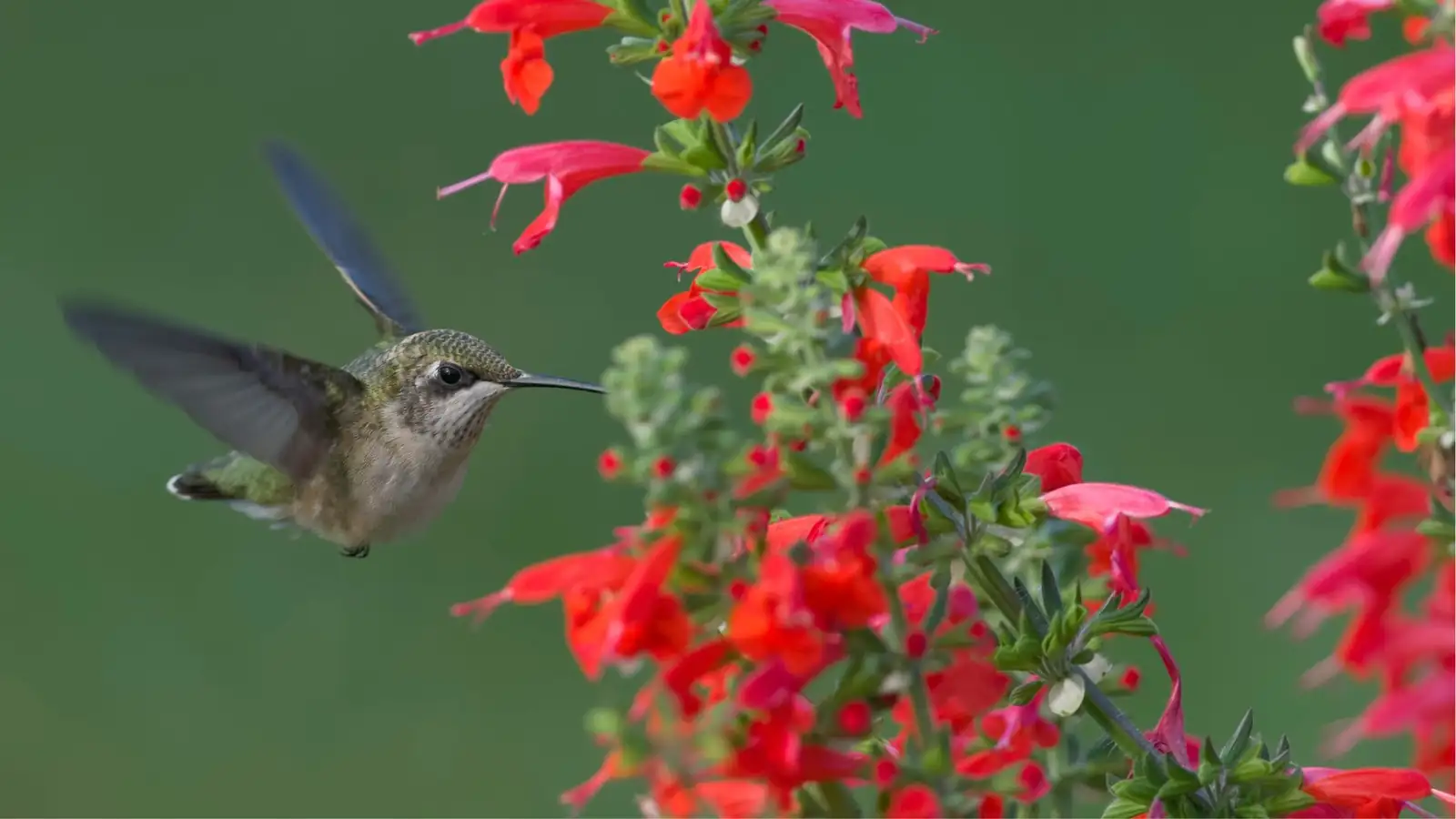
In its native Brazil, Scarlet Sage flourished amidst the diverse, tropical flora, boasting dense spikes of brilliant scarlet-red flowers that served as an irresistible lure for hummingbirds and butterflies. The plant’s journey to global fame, however, began in the 19th century when it was introduced to Europe. During the Victorian era, its bold colors and long blooming season made it a perfect candidate for the elaborate and colorful bedding displays that defined the period’s gardening style.
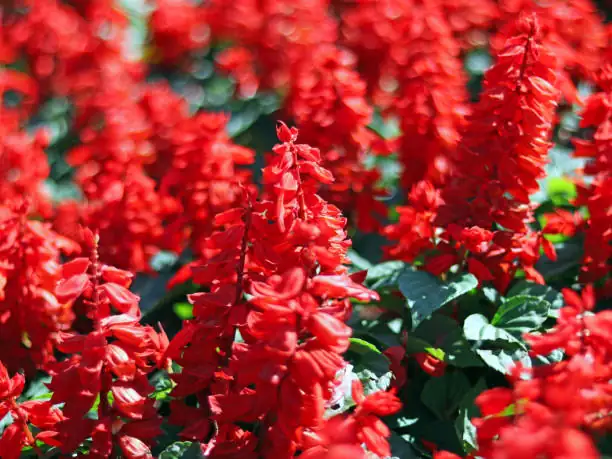
Not only was Scarlet Sage a hit in the formal gardens of Europe, but it also sparked a horticultural movement that aimed to develop new varieties. Breeders focused on creating dwarf and earlier-flowering cultivars, further cementing Scarlet Sage’s place as a staple in public plantings and home gardens alike.
A Spectrum of Beauty: More Than Just Red
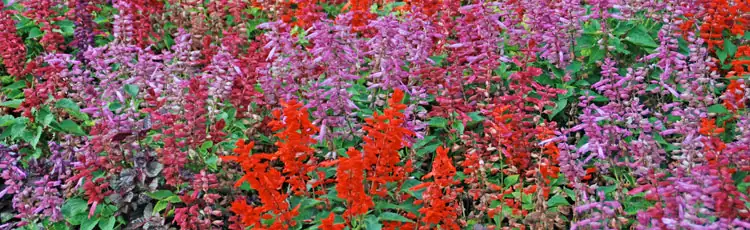
While the classic Scarlet Sage is synonymous with its bold red hue, modern cultivars have expanded this palette to include shades of purple, pink, salmon, white, and even bicolors. This color diversity allows gardeners to incorporate Scarlet Sage into a variety of design schemes, from vibrant tropical borders to serene pastel-themed gardens.
Growing the Icon: Care and Cultivation
Light and Soil: To achieve its best performance, Scarlet Sage thrives in full sun, basking in at least 6–8 hours of direct light each day. It prefers moist but well-drained soil, rich in organic matter, and can tolerate a range of soil types from loam to sandy loam, with a slightly acidic to neutral pH.
Water and Feeding: This plant appreciates consistent moisture, particularly during the peak of summer heat. However, it is crucial to avoid waterlogging, which can lead to root rot. A regular feeding schedule with a balanced, bloom-boosting fertilizer will ensure a continuous display of flowers from early summer until the first frost.
Pruning and Propagation: Regular deadheading—removing spent flower spikes—encourages more blooms and keeps the plant looking tidy. For those looking to propagate, Scarlet Sage can be grown from seeds or stem cuttings, making it easy to share its beauty with fellow garden enthusiasts.
The Language of Flowers: Scarlet Sage’s Symbolism
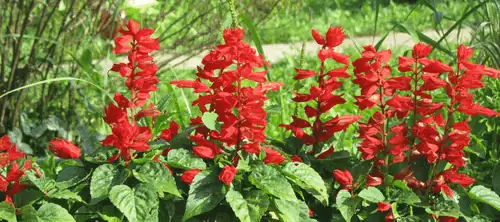
In the world of flower symbolism, Scarlet Sage is a vibrant messenger of vitality, energy, and passion. Its intense red flowers are often associated with warm thoughts and good health. In the language of flowers, gifting Scarlet Sage can convey the message “I’m thinking of you,” offering a heartfelt gesture akin to sending a bouquet of warm wishes.
A Wildlife Magnet
Beyond its visual appeal, Scarlet Sage plays a vital role in supporting local ecosystems. Its tubular flowers are perfectly adapted for pollinators like hummingbirds, which are drawn to its rich nectar. The plant also provides sustenance to butterflies and bees, making it a valuable addition to pollinator-friendly gardens.
Fun Facts and Noteworthy Traits
- Mint Family Trait: Scarlet Sage’s square stems are a telltale sign of its membership in the mint family, a fun fact for plant enthusiasts.
- Heat Tolerance: Its ability to withstand summer heat makes it an excellent choice for warm-summer gardens, where it continues to shine even when temperatures soar.
- Deer and Rabbit Resistant: The mildly aromatic foliage of Scarlet Sage helps deter browsing by deer and rabbits, adding to its appeal as a low-maintenance garden plant.
In summary, Scarlet Sage is a testament to the beauty and resilience of nature. From its origins in the Brazilian tropics to its widespread popularity across global gardens, it continues to enchant with its vibrant colors and ease of care. Whether you’re a seasoned gardener or just starting out, Scarlet Sage offers a splash of color and a touch of magic to any outdoor space.


