

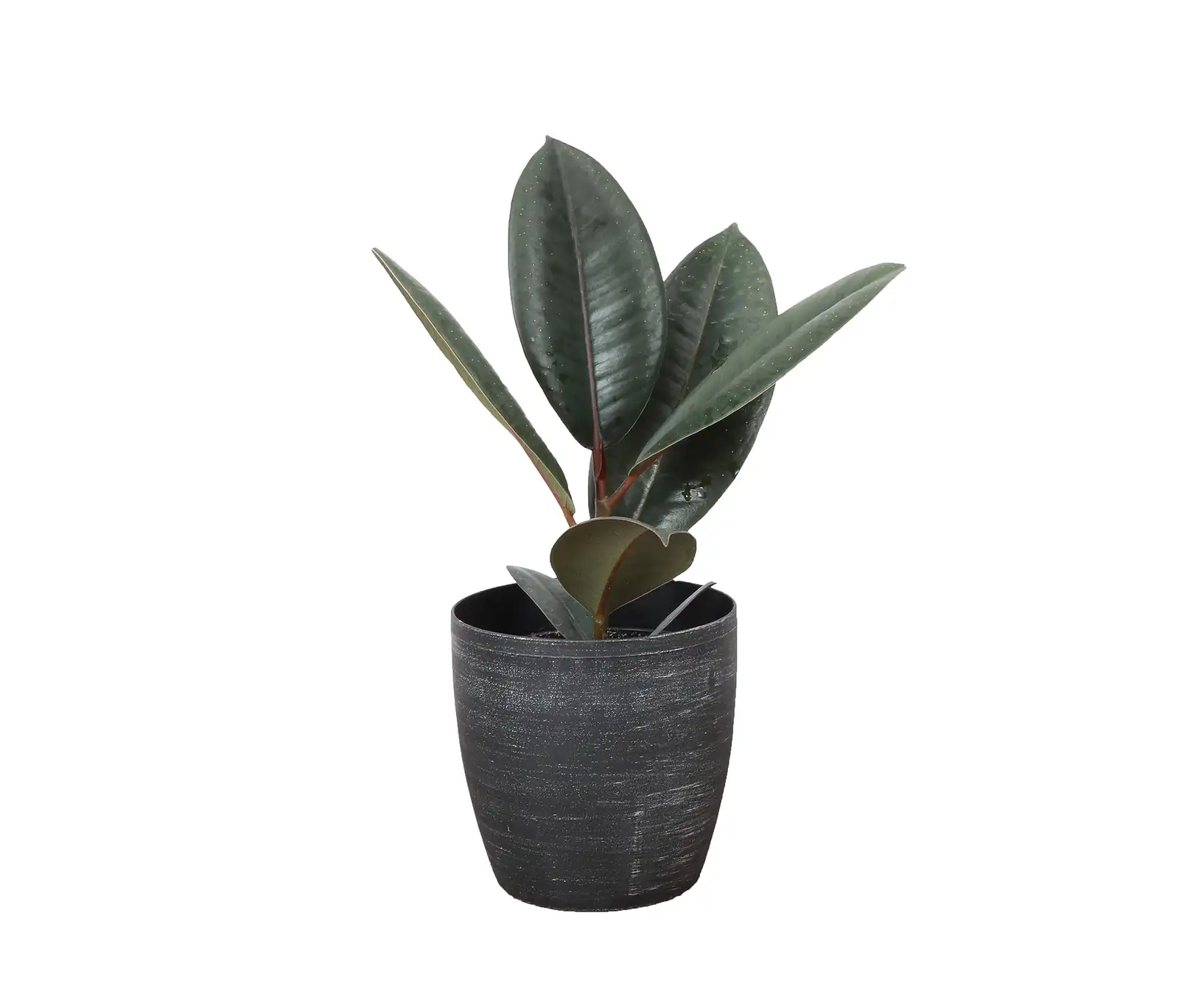
Expand Your Indoor Garden: Propagating the Rubber Plant with Ease
Welcome to the green-thumb club! If you’ve ever admired the glossy, robust leaves of the Rubber Plant (Ficus elastica Roxb. ex Hornem.) and envisioned a house full of them, you’re in luck. This guide will walk you through propagating these beauties from cuttings, allowing you to multiply your indoor foliage friends effortlessly. Whether you’re a seasoned plant parent or a novice gardener, this step-by-step guide ensures you can enjoy the lush presence of Rubber Plants all over your home.
Why Choose the Rubber Plant?
Rubber Plants are not just about their aesthetic appeal. Native to the eastern Himalayas and tropical regions of South and Southeast Asia, these plants have journeyed across the globe, becoming beloved houseplants. Known for their air-purifying properties and hardy nature, they add a touch of tropical flair to any room. Plus, their large, shiny leaves are a natural centerpiece in any interior design scheme.
Propagation Methods: Choose Your Adventure
Before diving into the propagation methods, let’s explore the options. Each technique has its charm and suits different levels of expertise and patience.
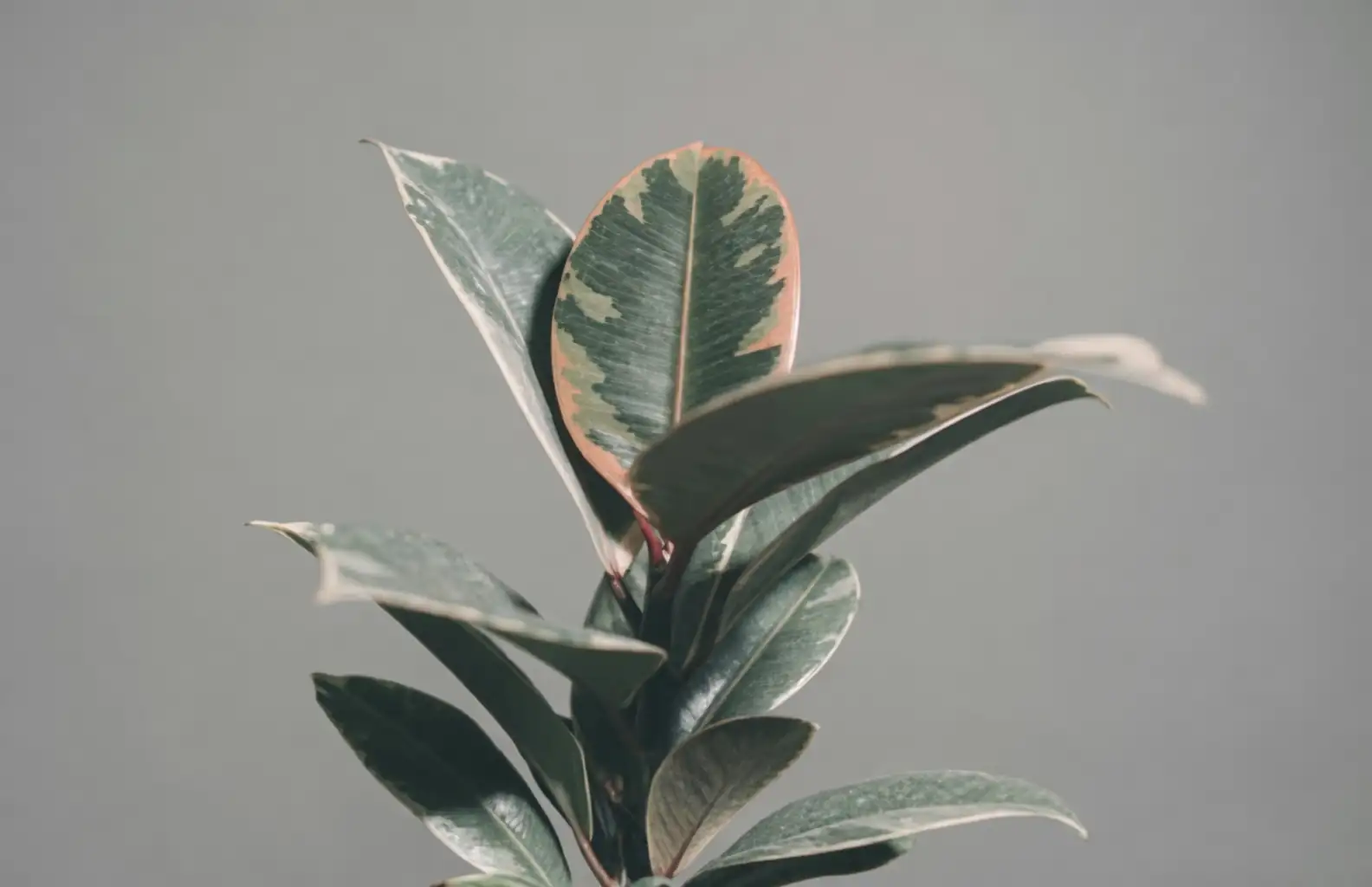
1. Stem Cuttings in Water
This method is perfect for beginners and those who love a little science experiment on their windowsill.
- Step 1: Select Your Mother Plant
Choose a healthy Rubber Plant as your starting point. Look for sturdy stems and vibrant leaves.
- Step 2: Make the Cut
Using clean, sharp shears, cut a 15–20 cm (6–8 in) section from the tip of a mature stem. Make sure to cut just above a leaf node at a diagonal. Remove the lower leaves to prevent them from sitting in water.
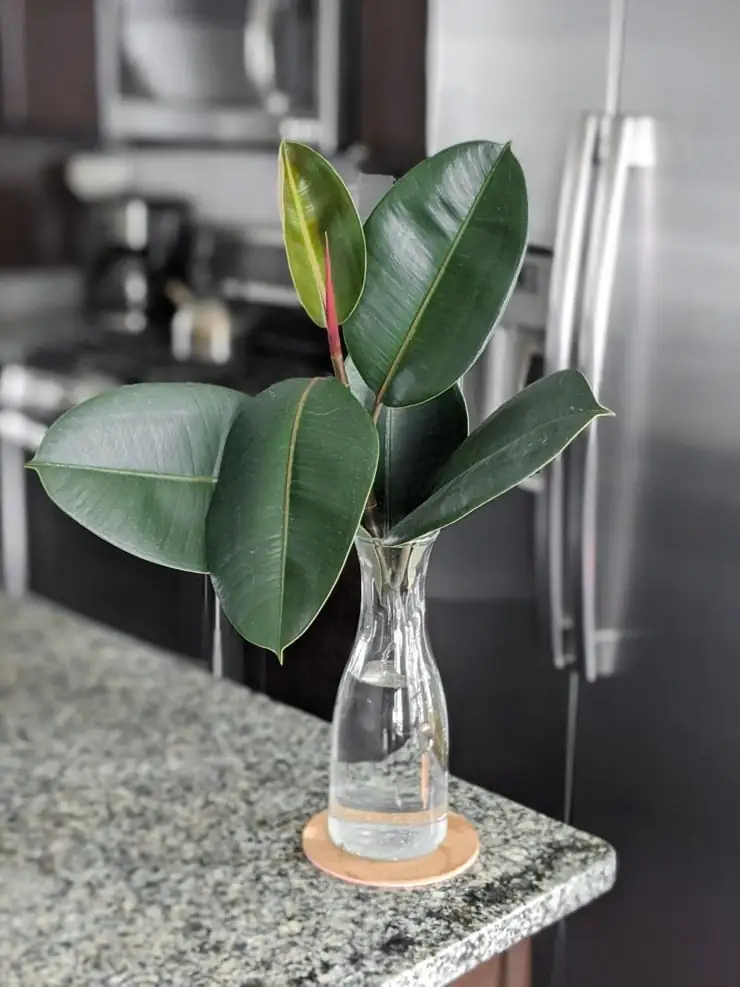
- Step 3: Into the Water
Place the cutting into a clear vase or jar filled with room temperature water. Position it in a spot with bright, indirect light. This is the part where patience is key—roots typically begin to form in about four weeks.
- Step 4: Transfer to Soil
Once roots are well-developed, usually after a few months, transplant the cutting into a pot with well-draining soil. Watch as it grows into a new plant!
2. Rooting in Soil
This classic method is for those who prefer to see immediate results.
- Step 1: Prepare Your Cutting
Follow the same initial steps as the water method, but instead of placing the cuttings in water, dip the cut end in rooting hormone.
- Step 2: Plant Directly in Soil
Place the cutting into a pot filled with a rich, well-draining soil mix. Ensure the soil is slightly moist but not soggy.
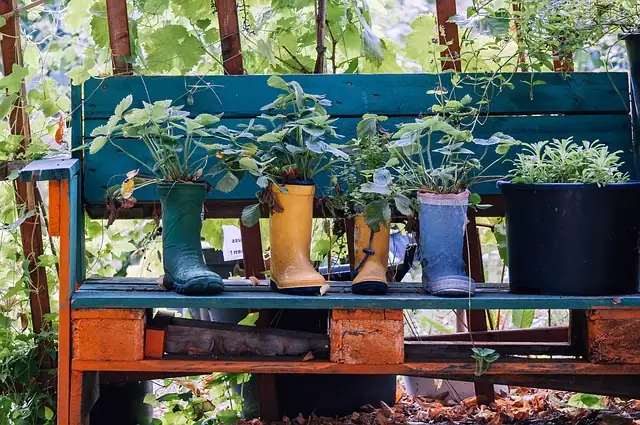
- Step 3: Create a Humid Environment
Cover the pot with a clear plastic bag or a mini greenhouse to maintain humidity, crucial for root development. Keep it in bright, indirect light.
- Step 4: Monitor and Wait
Check the cutting regularly but avoid disturbing it too much. After several weeks, gentle tugging should reveal resistance, indicating root growth.
3. Air Layering
A bit more advanced, this method is excellent for propagating larger plants.
- Step 1: Incision and Wrap
Make a ring cut about 15 cm (6 in) below a branch tip, removing a strip of bark. Wrap this area with moist sphagnum moss and cover with plastic wrap, sealing it tightly.
- Step 2: Wait for Root Formation
Keep the moss moist and wait for roots to form, usually in 15–30 days.
- Step 3: Separate and Pot
Once roots are visible, cut the branch below the new root ball and plant it in soil.
Post-Propagation Care
Congratulations, you’ve propagated new Rubber Plants! Here’s how you keep them thriving:
- Light: Ensure they receive bright, indirect light. Variegated varieties will appreciate a bit more brightness.
- Watering: Water when the top 5–8 cm (2–3 in) of soil has dried out.
- Humidity: Maintain moderate humidity to promote lush growth.
- Fertilization: During the growing season, feed with a balanced liquid fertilizer diluted to half strength every two weeks.
Common Questions
Why are my propagated Rubber Plant leaves dropping?
Sudden leaf drop can be due to cold drafts or overwatering. Ensure a warm, stable environment and proper watering habits.
Can I propagate a Rubber Plant in my bedroom?
Absolutely! Just keep it away from pets and children due to its irritating sap.
Conclusion
Propagating Rubber Plants is more than a gardening task—it’s a delightful journey of patience and care. With these methods, you’re ready to expand your indoor jungle, gifting yourself and others with the joy of lush, vibrant greenery. Happy propagating!


