

Unveiling the Journey of the Rubber Plant: From Wild Jungles to Cozy Living Rooms
Imagine a plant that has journeyed from the lush, humid forests of Southeast Asia to the cozy corners of homes worldwide, captivating plant lovers with its bold, glossy foliage. The story of the Rubber Plant, scientifically known as Ficus elastica Roxb. ex Hornem., is one of remarkable adaptation and enduring charm.
A Leafy Legacy Rooted in Asia
Native to the eastern Himalayas and the vibrant landscapes of Southeast Asia, the Rubber Plant boasts a rich heritage intertwined with the cultures of this region. In places like Nepal, northeastern India, and southern China, these sturdy trees tower over 30 meters in their natural habitat, their thick, leathery leaves gleaming in the tropical sun.
But what makes Ficus elastica truly fascinating is its historical and cultural significance. In Meghalaya, India, the plant has been ingeniously used to create living root bridges—a testament to human ingenuity and the plant’s robust nature. These bridges, formed by guiding the plant’s aerial roots across streams, are living monuments that have stood the test of time, reflecting the deep connection between nature and human innovation.

From Latex to Living Rooms
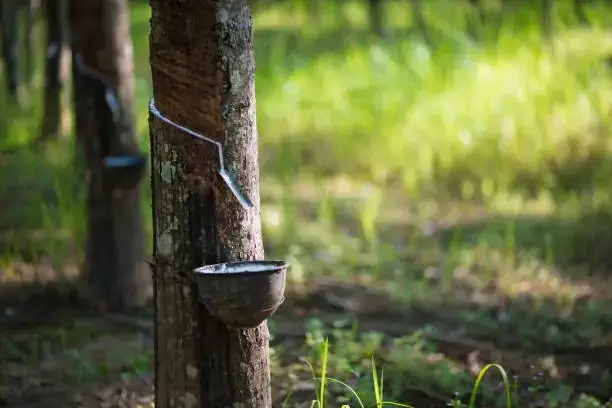
While its sap was once explored for latex production, the Rubber Plant did not become the primary source of rubber. Instead, that role was taken up by the Brazilian rubber tree, Hevea brasiliensis. Yet, Ficus elastica carved its niche as a beloved houseplant, famous for its air-purifying capabilities and architectural appeal.
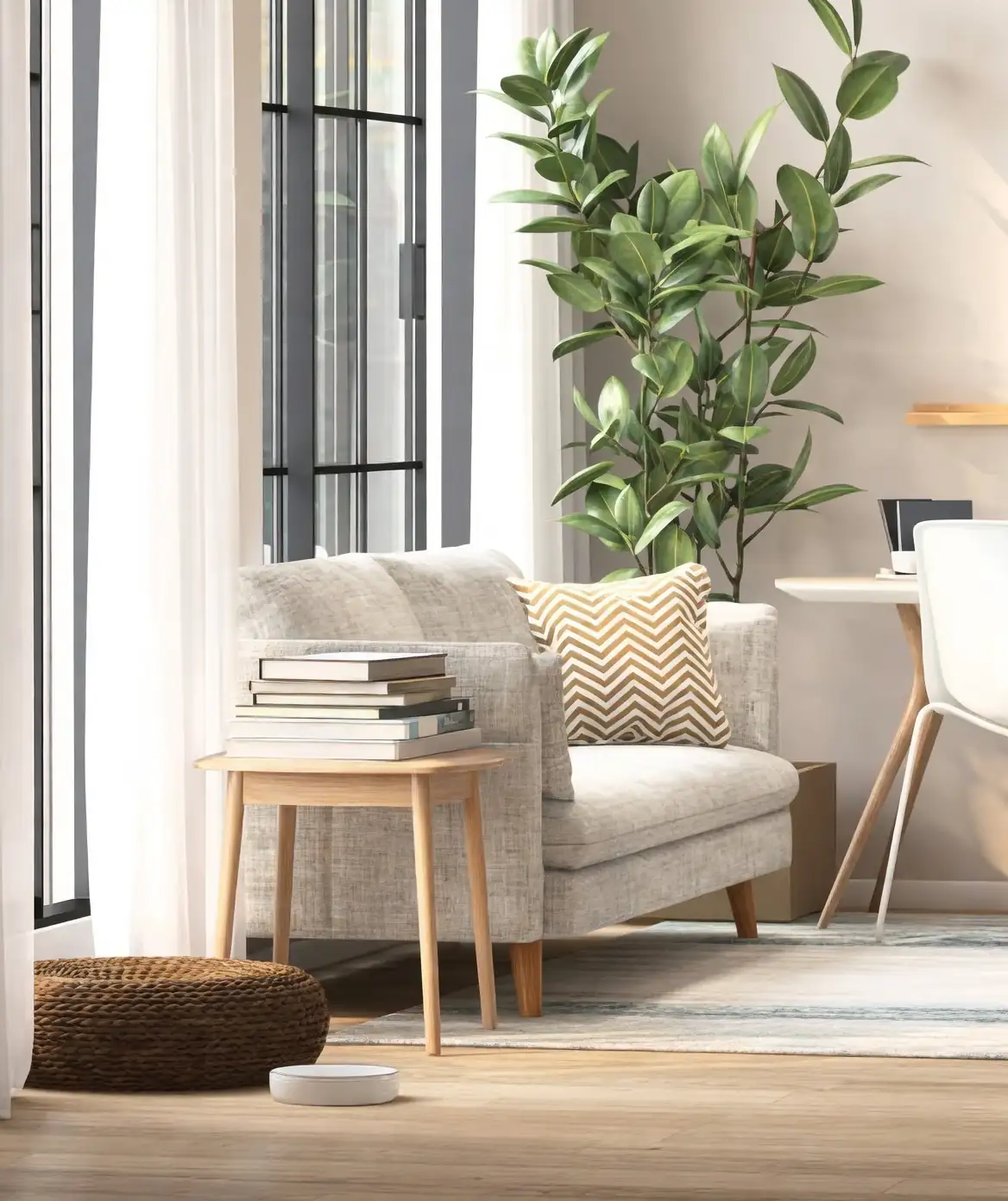
As you admire a Rubber Plant in your living room, consider its journey. Cultivated worldwide, it has adapted to indoor life, thriving in bright, indirect sunlight and moderate humidity. Its ability to withstand lower light conditions makes it a favorite among city dwellers and plant enthusiasts with less-than-ideal lighting.
Care and Cultivation: A Guide to Growing Success
The Rubber Plant is both forgiving and rewarding, making it a fantastic choice for novice and seasoned plant parents alike. Here’s a quick guide to keeping your Rubber Plant thriving:
- Light: Prefers bright, indirect light but tolerates medium light. Variegated types need brighter conditions.
- Watering: Allow the top 5–8 cm (2–3 inches) of soil to dry out between waterings. Overwatering can lead to root rot—so it’s best to err on the side of caution.
- Temperature: Keep it warm, ideally between 15–24°C (59–75°F). Protect from cold drafts and temperatures below 10°C (50°F).
- Humidity: Enjoys moderate humidity. A little misting or using a humidifier during dry months can be beneficial.
A Symbol of Prosperity and Growth
In the language of plants, the Rubber Plant is often associated with prosperity, abundance, and steady growth. Its large, rounded leaves are believed to enhance positive energy flow, making it a popular choice in Feng Shui for softening corners and inviting good fortune.
Fun Facts and Fascinating Features
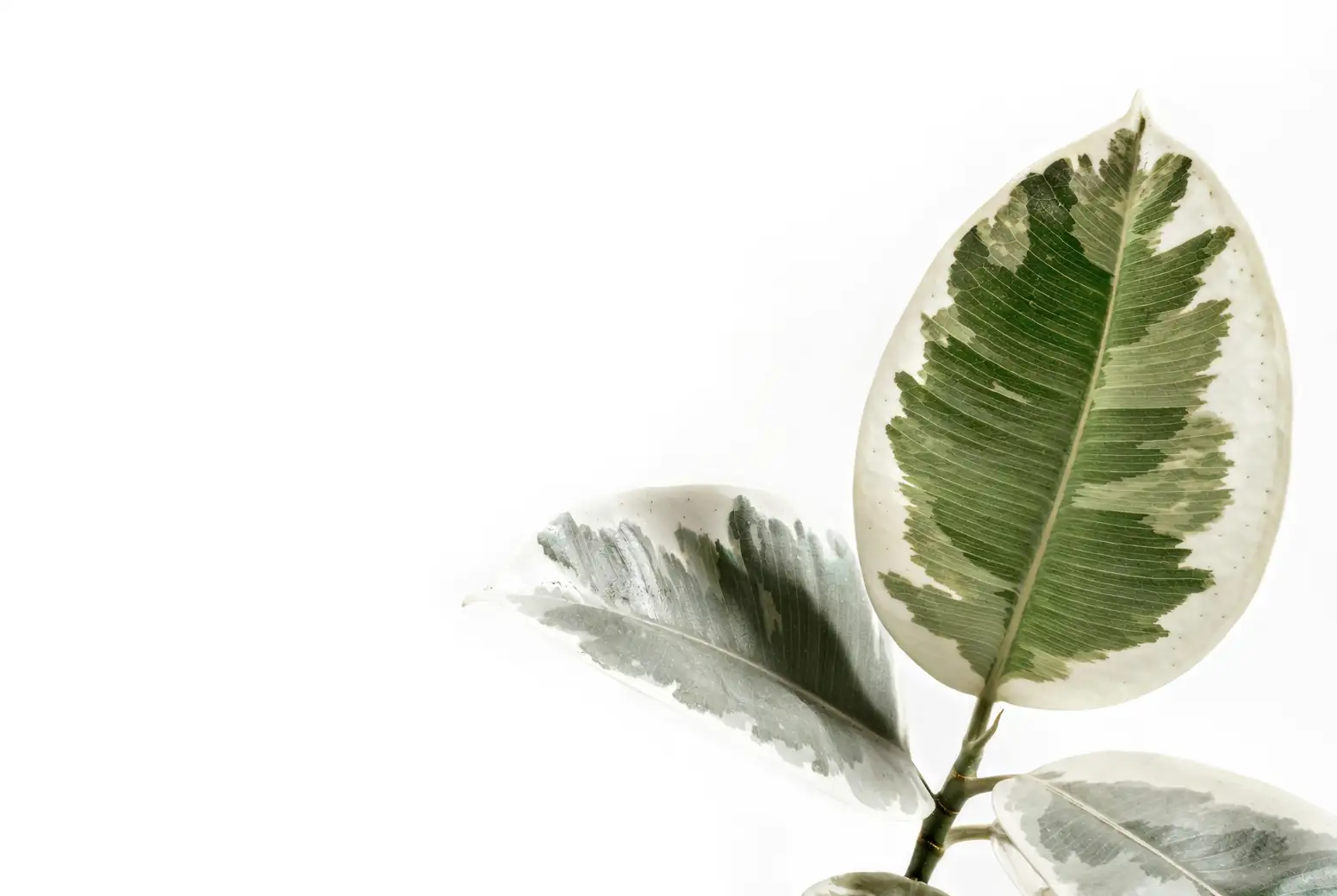
- Red Stipules: Watch as new leaves emerge wrapped in red or pink stipules, unfurling like a performance—a little drama right in your living room!
- Pollination Puzzle: In the wild, Ficus elastica relies on specific fig wasps for pollination, which is one reason you rarely see it fruiting indoors.
- Air-Purifying Power: While not a miracle worker, its wide leaves do help in refreshing indoor air—adding another tick to its long list of virtues.
Conclusion: A Plant for All Seasons
The Rubber Plant is more than just a pretty face in the plant world. Its journey from the jungles of Asia to becoming a household staple worldwide is a tale of resilience and versatility. Whether you’re drawn to its glossy leaves or its rich history, the Rubber Plant is a living testament to nature’s enduring allure—an evergreen companion ready to grace any home.
So, the next time you see this striking plant, remember the rich tapestry of history, culture, and nature that it represents—a truly global citizen in the world of botanicals.


